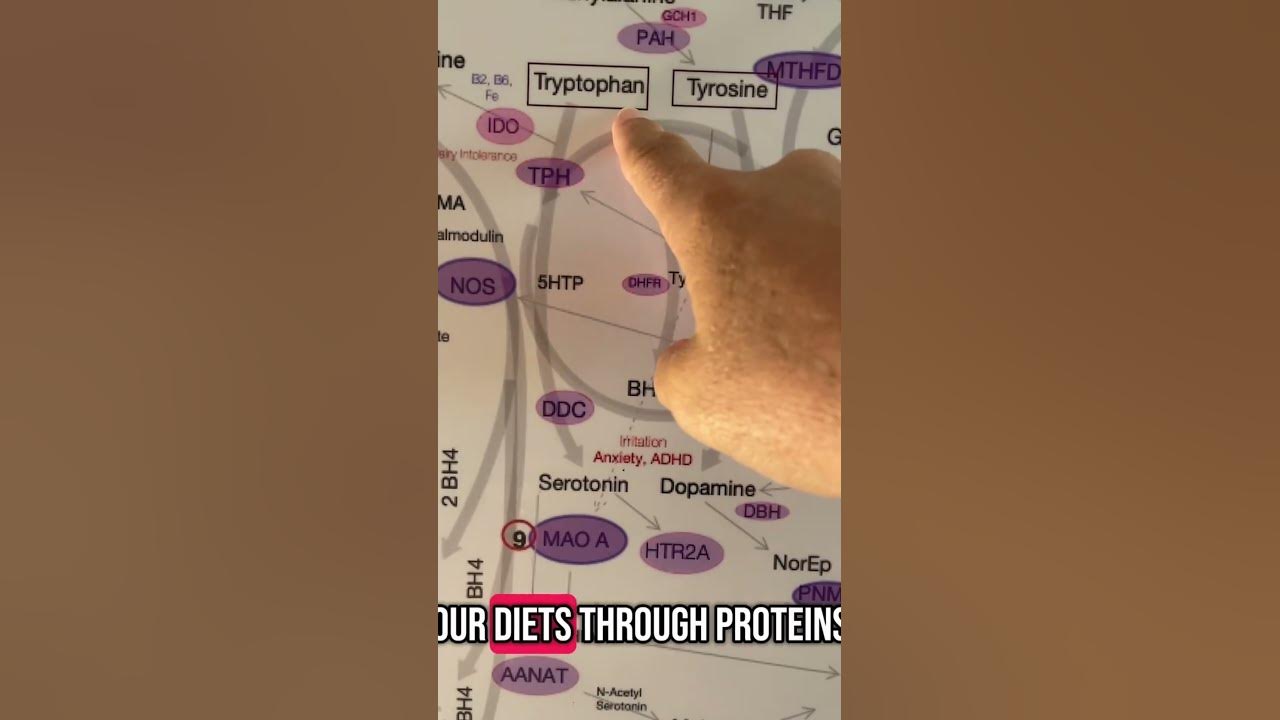
Picture the brain as an orchestra: neurotransmitters are the instruments, timing is everything, and chemical balance is the conductor. Among the most compelling “chemistry-to-mood” stories is the relationship between vitamin D and dopamine—often described as the brain’s reward currency. When vitamin D levels dip, dopamine signaling can become less reliable, nudging motivation, learning, and even emotional tone off-center. This article traces the reward chemical connection, moving from biology to real-life implications, and ending with practical pathways readers can explore.
Vitamin D: More Than Sunshine in the Blood
Vitamin D is frequently treated as a simple nutrient—an outcome of sunlight exposure. Yet in biological terms, it behaves less like a passive vitamin and more like a steroid-like regulator. In many tissues, including the brain, vitamin D signaling involves a molecular cascade that can influence gene expression. That means the vitamin isn’t only supporting cellular maintenance; it can also shape how neurons differentiate, mature, and communicate.
In neurological contexts, vitamin D becomes especially intriguing because neurons are highly dependent on precise chemical dialogues. Even a subtle shift can alter synaptic strength. This is where the “reward chemical” narrative begins to sharpen: dopamine is not merely released; it is synthesized, packaged, transported, and degraded with exquisite precision.
Readers can expect a layered explanation here—how vitamin D metabolism works, why receptors matter, and how vitamin D can indirectly steer neuronal processes that later affect dopamine-related outcomes.
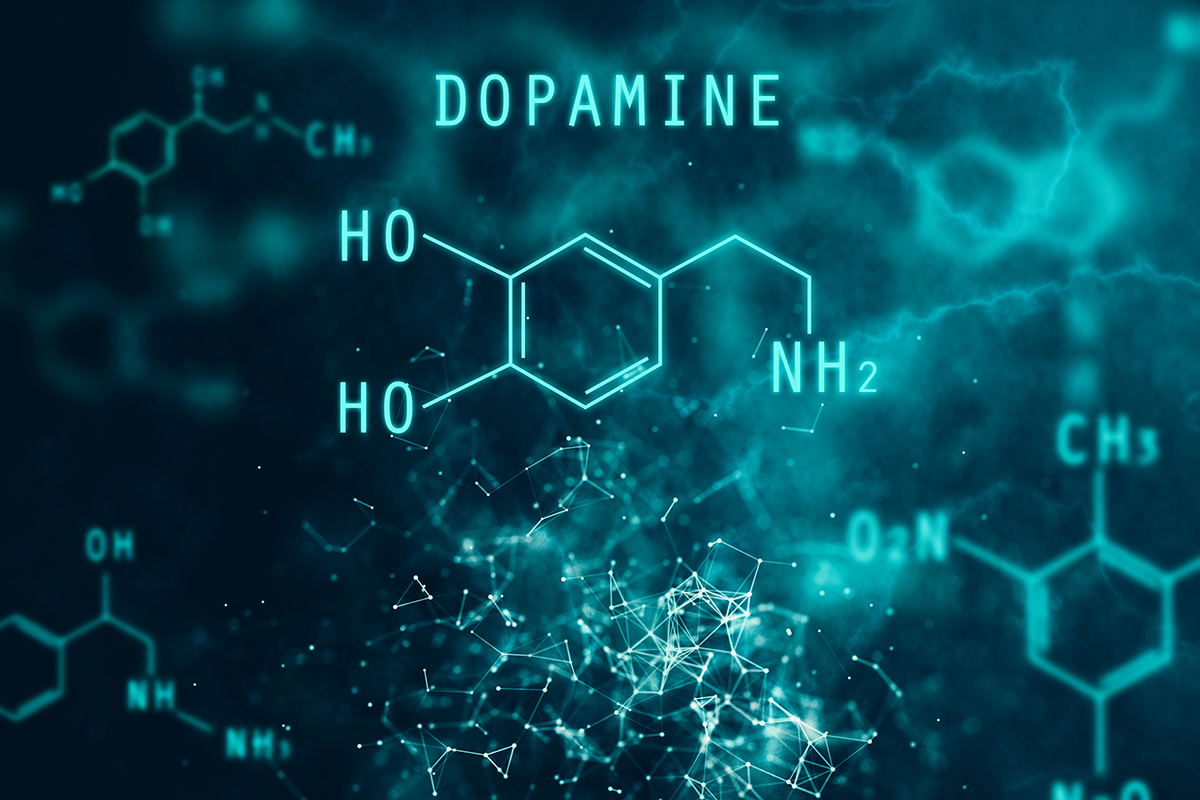
Dopamine’s Job Description: Reward, Motivation, and Learning
Dopamine is often summarized as “pleasure,” but that shorthand is misleading. Dopamine more accurately governs prediction, salience, and reinforcement learning—helping the brain decide what is worth pursuing. It broadcasts a message like, “Pay attention; this could matter.” That attentional tagging influences motivation and drives behavior toward goals.
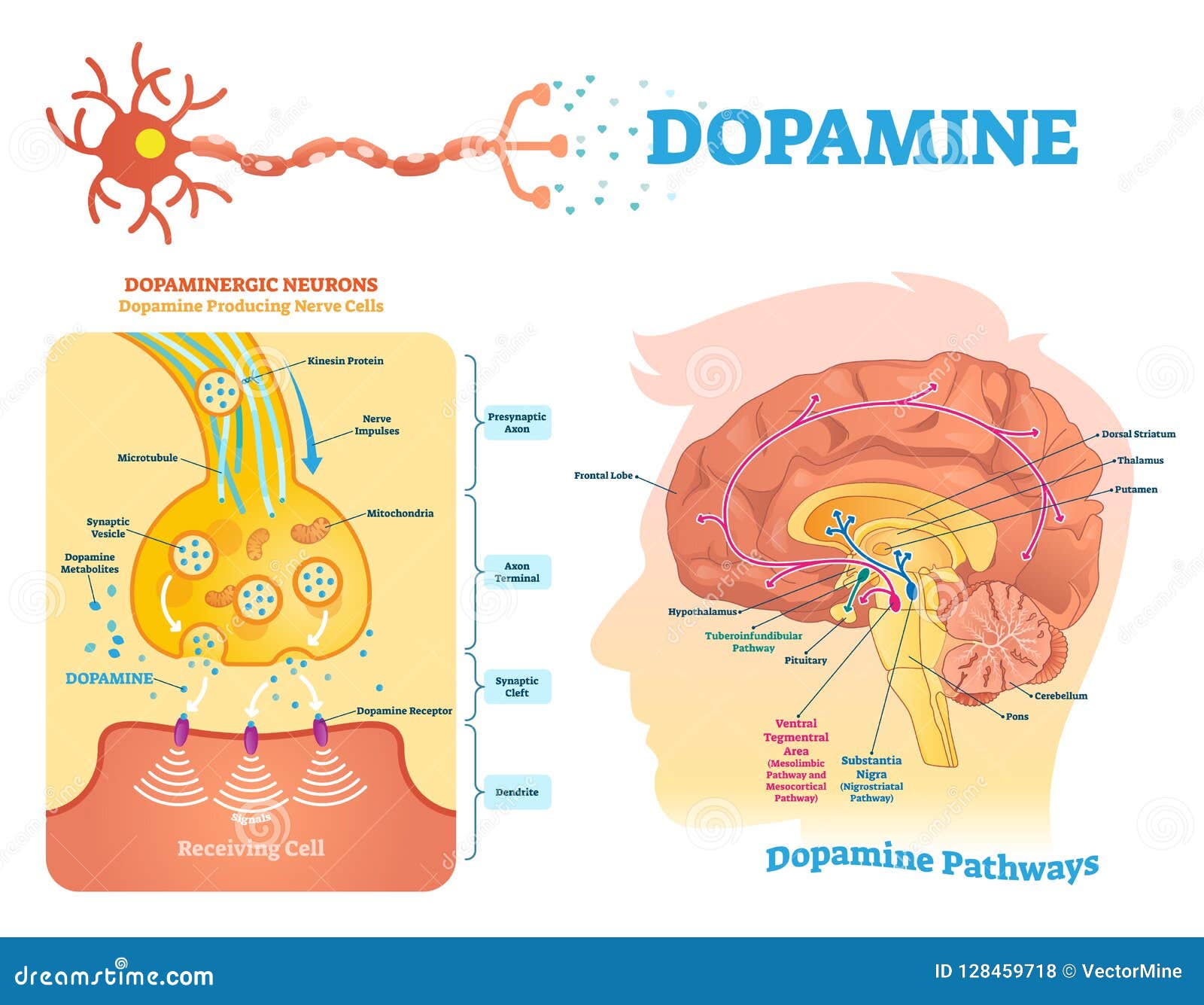
Mechanistically, dopamine signaling includes presynaptic synthesis and release, postsynaptic receptor activation, and rapid clearance. The system is agile, but also vulnerable. If dopamine availability or receptor responsiveness changes, the downstream effects can show up as altered drive, changes in reward sensitivity, or difficulty sustaining interest.
This section typically helps readers connect the dots between everyday experiences—like feeling “energized by possibility” versus feeling indifferent—and the neurochemical computations happening underneath.
How Vitamin D Reaches the Dopamine Conversation
The connection between vitamin D and dopamine isn’t a single straight line; it’s more like a network of bridges. Vitamin D can influence dopaminergic neurons through several routes: supporting neuronal differentiation, modulating inflammatory signals, and affecting oxidative stress pathways. Each of these influences the environment where dopamine synthesis and signaling occur.
One important concept is neuronal plasticity—how neurons adjust their connections based on experience. Dopamine is deeply tied to plasticity, because it marks learning-relevant events. If vitamin D helps maintain optimal neuronal conditions, dopamine pathways can function with greater stability.
Another angle involves immune and inflammatory modulation. The brain does not operate in isolation from the body’s immune state. When inflammation rises, neuronal chemistry can become noisier and less predictable. Vitamin D, known for its immunoregulatory effects, may help dampen inflammatory conditions that otherwise interfere with dopaminergic function.
Readers will find this section useful if they enjoy “systems thinking,” where mood and behavior are treated as emergent properties of biology rather than simple emotions that appear out of nowhere.
Neuronal Differentiation and Dopamine Signaling: The Developmental Lens
Dopamine isn’t only a day-to-day mood regulator; it also plays a role in how neural circuits develop. Vitamin D can influence whether dopaminergic neurons mature properly. Think of it as calibrating the foundation before the reward circuitry goes into full operation.
When vitamin D deficiency occurs, dopaminergic neuron differentiation may be altered. That can translate into a long-term shift in how circuits form and respond to stimuli. Even if the brain later compensates, the early wiring may leave a behavioral signature—something readers may recognize as a pattern of reward sensitivity, drive, or attentional reactivity.
This section is typically where readers benefit from careful, concept-driven explanations rather than sensational claims. The goal is to show the logic of “cause and effect” without collapsing complexity into certainty.
Inflammation, Oxidative Stress, and the Reward System
The reward system is energy-intensive. Dopamine neurons rely on a stable biochemical environment, and stressors—especially chronic inflammation and oxidative stress—can disrupt neurotransmission. Oxidative stress can harm cellular components, while inflammatory signaling can change how neurons behave and communicate.
Vitamin D may help shift the brain away from a high-stress chemical atmosphere. In more tempered conditions, synapses may function with better fidelity. The outcome isn’t guaranteed euphoria. Instead, it’s often a more even emotional baseline—less chemical turbulence, better signal-to-noise.
Readers can expect the narrative here to move from molecular pressures to behavioral expressions. Short sentences can make the science feel less foggy. For example: “Inflammation changes communication.” “Dopamine depends on clean communication.” The reward system, in this framing, is less about indulgence and more about coherent prediction.

Serotonin, Dopamine, and the Triad of Mood Chemistry
Reward chemistry rarely works alone. Dopamine interacts with serotonin and other neurotransmitter systems, creating a triad-like network that influences mood, anxiety, sleep quality, and appetite. Vitamin D is sometimes discussed in connection with dopamine and serotonin because it can affect broader neurochemical regulation.
When serotonin signaling is disrupted, mood stability can suffer. When dopamine signaling is disrupted, motivation and reward learning can become blunted. When both systems drift, the result may look like a double impairment: less pleasure, less drive, and a reduced capacity to learn from positive outcomes.
This is a “big picture” section designed for readers who want coherence. It helps them understand why vitamin D conversations often broaden beyond dopamine alone.
Signs of Low Vitamin D and Possible Neurochemical Consequences
Vitamin D deficiency can be subtle. People may report fatigue, low energy, mood flattening, or reduced resilience to stress. Some experience musculoskeletal discomfort, which can further dampen activity levels. And when activity drops, dopamine-related reward circuits can become less stimulated—an indirect loop that is easy to overlook.
It’s crucial to remember that correlation doesn’t equal diagnosis. Low vitamin D is not a single-cause explanation for depression or anhedonia. Still, deficiency can act like a background variable that changes how strongly neurotransmitter systems perform.
Readers should expect realistic framing: potential associations, plausible mechanisms, and the importance of professional assessment rather than self-blame.
Testing, Supplementation, and Safety: A Practical Roadmap
The most responsible way to evaluate vitamin D status is through laboratory testing. Healthcare professionals typically interpret results alongside factors like age, latitude, skin exposure, diet, and medical history. If supplementation is appropriate, dosing should be guided by clinician advice, not internet intuition.
Vitamin D is fat-soluble, which means excess can accumulate. Over-supplementation can become harmful, affecting calcium balance and other physiological pathways. This is where nuance matters: aiming for adequacy is not the same as chasing high numbers.
In a professional tone, this section emphasizes method. Readers often want actionable steps: how to prepare for a lab test, how results are commonly interpreted, and why consistent dosing may be more effective than intermittent high-dose strategies (as determined by medical guidance).
Lifestyle Synergies: Sunlight, Sleep, and Reward Circuit Health
Vitamin D is influenced by sunlight exposure, but lifestyle matters beyond supplementation. Sleep quality shapes dopamine receptor sensitivity and dopamine metabolism indirectly through circadian regulation. Physical movement—especially consistent, moderate activity—can also support neurochemical balance and improve mood.
Diet contributes as well, not only through vitamin D sources but through broader nutritional support for neuronal function: omega-3 fatty acids, adequate protein, and micronutrients involved in neurotransmitter synthesis. The dopamine system thrives on stable routines.
This section is written to feel like a bridge from science to behavior. Short imperatives appear naturally here: “Protect your sleep.” “Move regularly.” “Aim for steady habits.” The point is to treat reward chemistry as a system you can support, not a mystery you must endure.
The Bottom Line: A Reward System That Depends on Balance
Vitamin D and dopamine are connected through a web of biological influences—neuron differentiation, inflammatory tone, oxidative stress resilience, and synaptic functioning. The relationship doesn’t promise instant mood transformations. Instead, it points to a foundational principle: neurochemical systems require environmental stability.
When vitamin D is adequate, dopaminergic pathways may function with greater consistency, supporting motivation, reinforcement learning, and emotional regulation. When vitamin D is deficient, the reward system can become less dependable—especially under stress.
For readers, the most valuable takeaway is not hype. It’s direction: test thoughtfully, supplement safely if advised, and build the lifestyle conditions that help dopamine signaling operate smoothly.