For many people, bone health is a quiet story that unfolds in the background—until it isn’t. After 40, the plot thickens for vegans in particular, largely because vitamin D sits at the crossroads of calcium absorption, immune signaling, and the integrity of our skeletal architecture. The surprising part is not that risk exists; it’s that the rules can be understood, redesigned, and—often—rewritten.
Vitamin D: The “Skeletal Architect” You Rarely See
Vitamin D behaves less like a simple vitamin and more like a hormone-like regulator. Your body converts it into active forms that influence how efficiently calcium is absorbed from the gut and delivered to bone tissue. Without sufficient vitamin D, calcium may be present in the diet, yet still fail to reach its intended destination.
Think of vitamin D as the key that unlocks calcium’s journey. When the key is missing—or worn down—bones can become more porous over time. This isn’t just a theoretical possibility. It’s a biological tendency that becomes more noticeable as age-related changes begin to reduce how skin synthesizes vitamin D and how the body maintains optimal balance.
There’s another twist: vitamin D participates in immune modulation and cell signaling. Bones and immunity share a neighborhood of pathways. So a deficiency can echo beyond the skeleton, creating an atmosphere of subtle vulnerability.
Why Vegans Over 40 May Start with a Different Starting Point
Vitamin D is primarily obtained through sunlight exposure and, secondarily, through food and supplements. Many vegan diets naturally have limited vitamin D unless fortified foods are regularly consumed or supplementation is used intentionally.
Over 40, two factors often converge. First, sunlight-derived vitamin D production tends to decline due to reduced skin efficiency. Second, lifestyle patterns—more indoor time, sunscreen habits, and latitude-season differences—can further diminish effective exposure.
In other words, the risk profile can shift quietly. It may begin as “feeling fine,” but bone mineral density and vitamin D status can be moving in the background, making later complications harder to reverse.
Curiosity is warranted here: what seems like a minor deficiency can become a major structural issue given enough time.
The Risks: From Low Vitamin D to Weaker Bones
The most direct risk is reduced bone mineral density. Bones don’t just “get old.” They remodel constantly—building and breaking down in a dynamic equilibrium. Vitamin D helps keep that cycle calibrated. When levels drop, remodeling can tilt toward resorption.
Low vitamin D can also contribute to secondary hyperparathyroidism, a situation where the body increases parathyroid hormone to maintain blood calcium levels. Over time, this compensatory mechanism can influence bone turnover in ways that are not ideal.
For vegans over 40, there’s also a compounding effect. If calcium intake is inconsistent—common when plant-based diets lean heavily on foods with lower calcium density—vitamin D insufficiency doesn’t act alone. It amplifies the problem.
And then there are the human experiences that often precede diagnosis: general musculoskeletal aches, slower recovery after activity, and a growing sense of “sturdiness” slipping. These can be hints rather than proof, but they deserve attention.
How to Spot Trouble Without Panic
Instead of guessing, consider measuring. Blood tests such as serum 25-hydroxyvitamin D (25(OH)D) help indicate vitamin D status. Healthcare professionals may also consider calcium, parathyroid hormone, and sometimes markers of bone turnover, depending on risk factors.
Interpretation matters. “Normal” ranges can be debated, and some individuals remain symptomatic at levels that others consider sufficient. A strategic mindset helps: use testing as a compass, not a verdict.
Beyond lab results, look for patterns: limited fortified foods, minimal sun exposure, higher body weight (which can influence vitamin D distribution), darker skin pigmentation (which can reduce cutaneous production), and history of fractures.
Bone health is not a single-number story. It’s the intersection of nutrition, hormones, activity, and time.
Promising a Shift in Perspective: Supplementation as Precision, Not Convenience
Many people treat supplements as an afterthought. A better perspective is to treat them like calibration. Vitamin D supplementation can be thoughtfully timed, dose-adjusted, and aligned with diet and lifestyle—turning uncertainty into a plan.
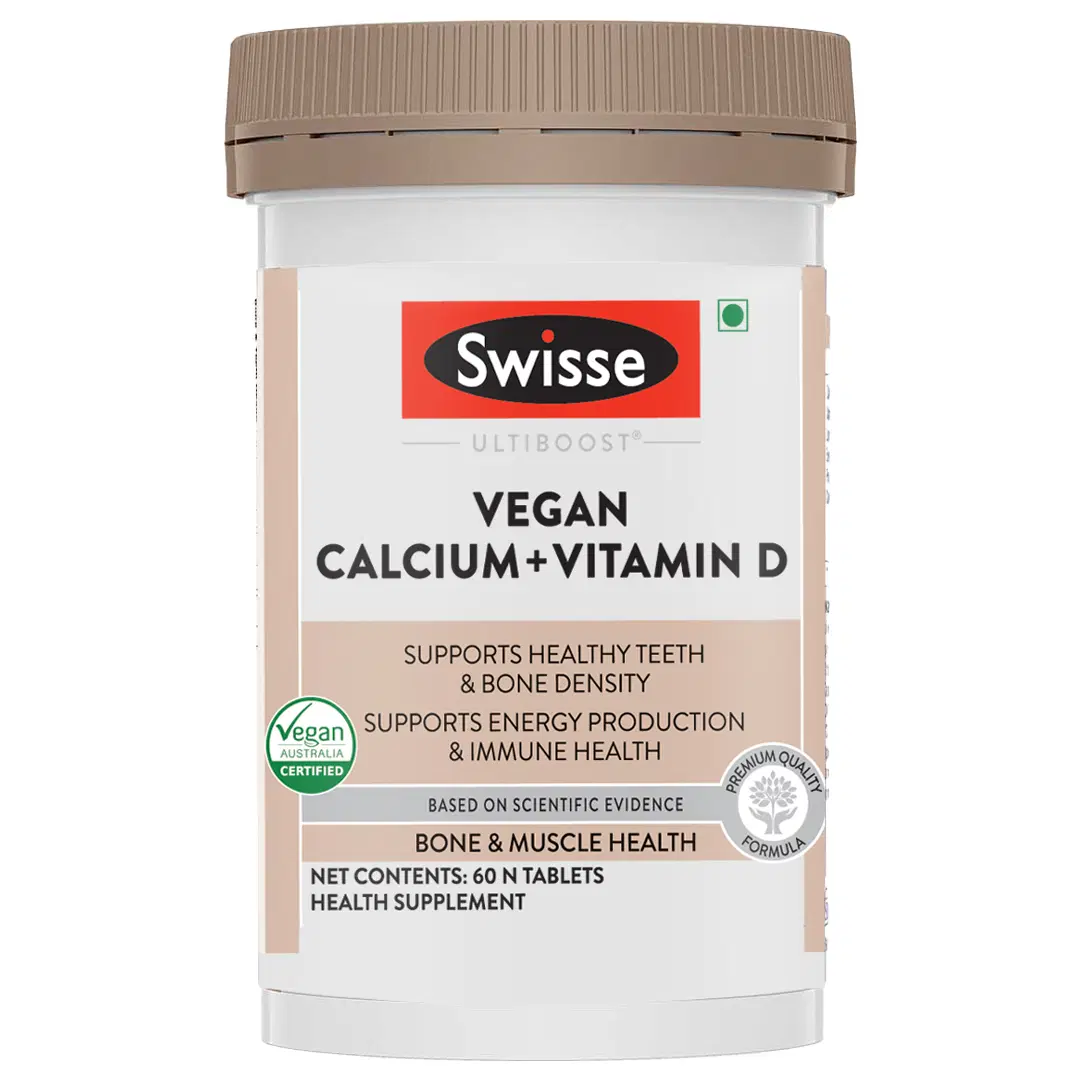
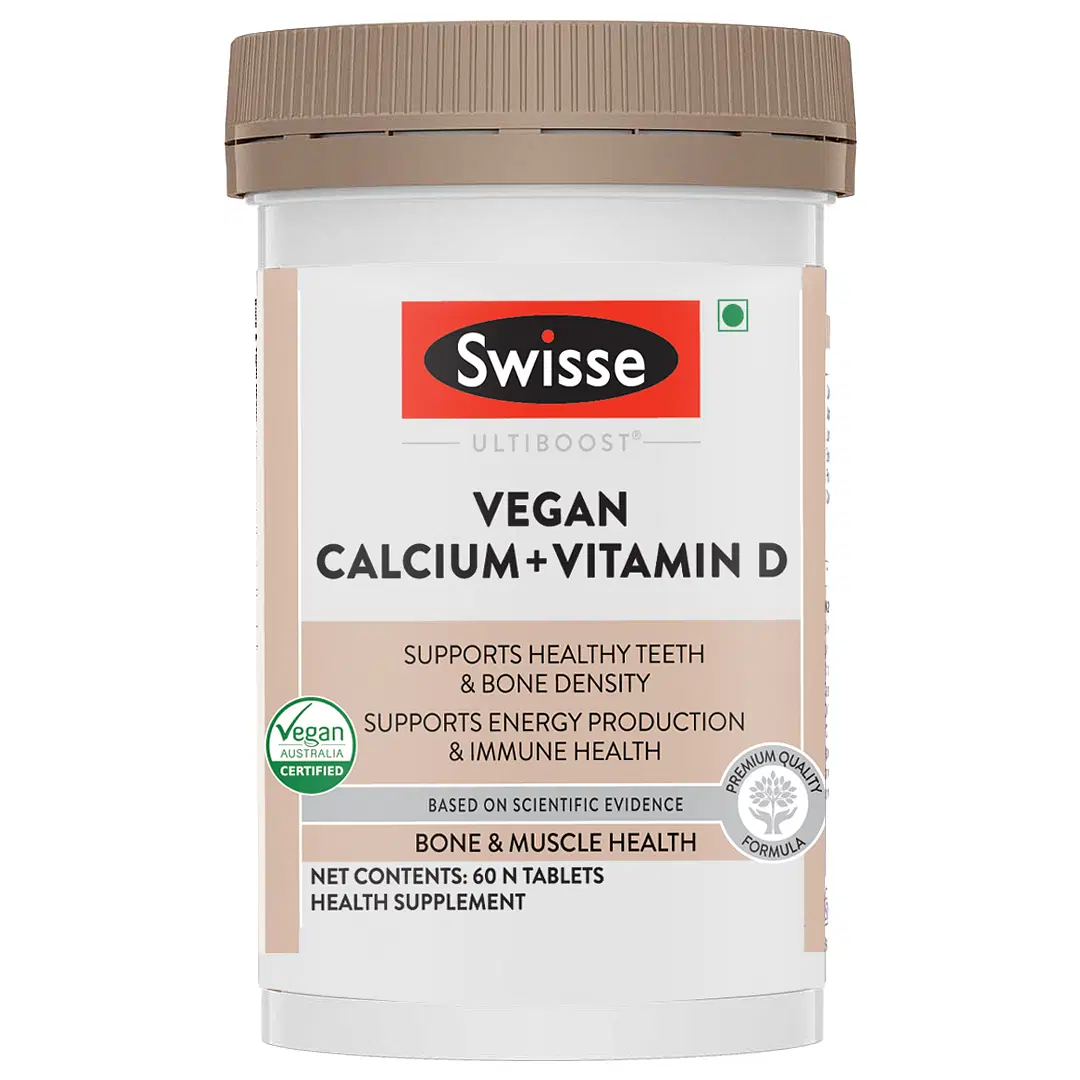
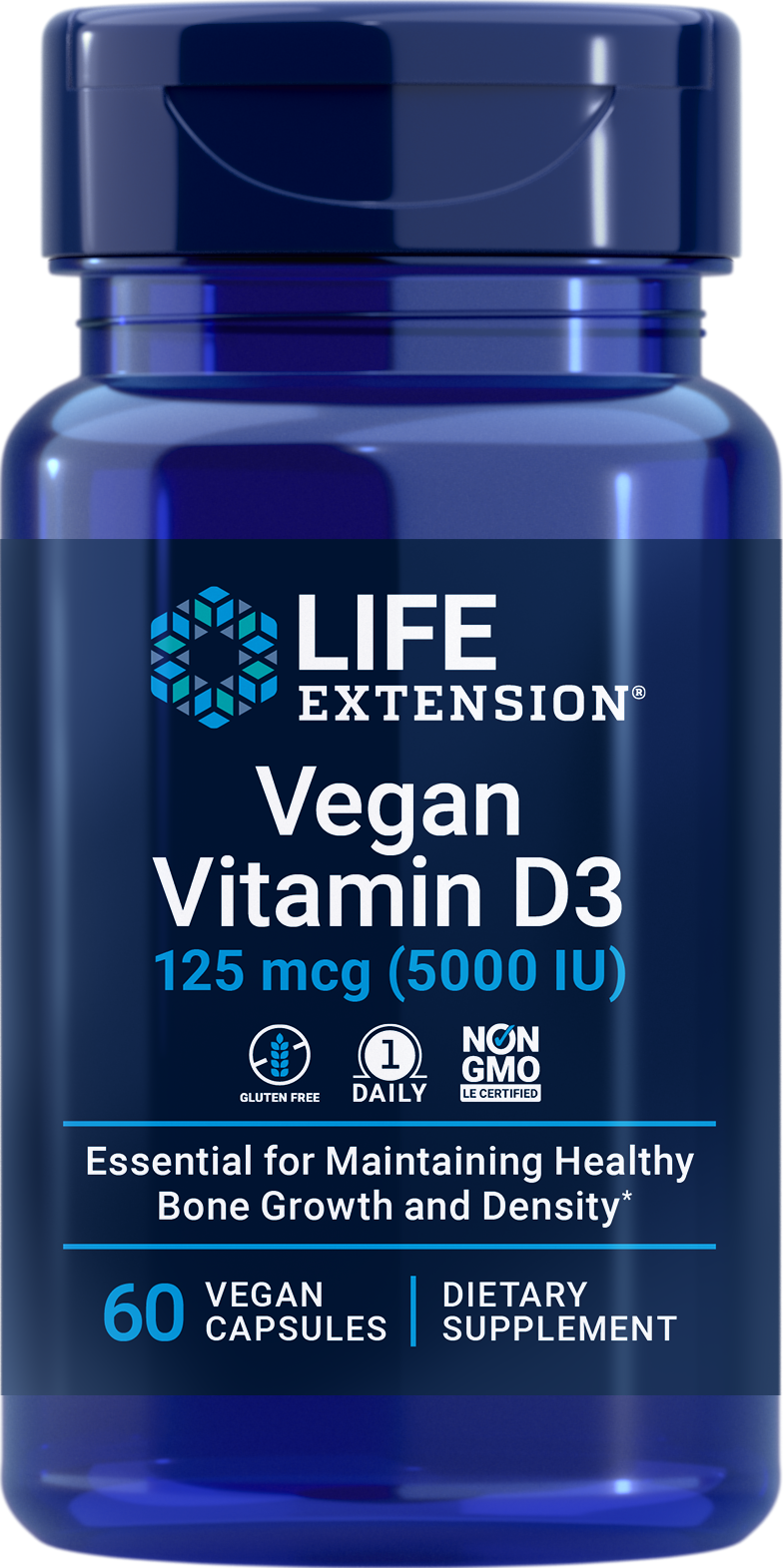
For vegans, this often includes vitamin D3 sourced from lichen. That matters because vitamin D3 is frequently used in supplements more than vitamin D2. In practical terms, vegan D3 products offer a way to match mainstream bone-health strategies without compromising ethical preferences.
The goal isn’t to “take something.” The goal is to support a living system. Your body still converts and regulates vitamin D, and your intake should reflect your reality: season, exposure, and existing levels.
When viewed as precision nutrition, supplementation becomes less about filling a gap and more about restoring equilibrium.
Choosing the Right Vitamin D: D2 vs D3, and Why Form Matters
Vitamin D exists in forms. D2 (ergocalciferol) and D3 (cholecalciferol) differ in how they behave within the body. Many clinicians and supplement protocols lean toward D3 for maintaining levels, though individual responses vary.
Vegan vitamin D3 made from lichen offers an ethical bridge while still targeting the physiology that bones rely on. When selecting a product, look for transparent labeling and sensible dosing guidance. Avoid a “more is always better” mentality; vitamin D is fat-soluble, so consistent overuse can become its own problem.
If a supplement includes additional ingredients—like vitamin K or calcium—consider whether your current diet already covers those needs. Some people require a multi-nutrient approach; others need only vitamin D correction.
The most effective plan is the one that fits your intake pattern and your results from testing.
Calcium, Vitamin K2, and the Bone Team (Not the Solo Act)
Vitamin D isn’t a lone hero. It works with calcium to form the mineral backbone of bone. If vitamin D helps calcium move, calcium helps build the structure. Yet the “bone team” can include additional contributors, notably vitamin K2, which plays roles in bone-related protein activation.
Vegan calcium sources can be excellent when chosen intentionally: fortified plant milks, tofu made with calcium salts, fortified yogurts, tahini, and certain greens such as kale (with attention to bioavailability). Still, it’s easy to undershoot daily targets without noticing.
Many people over-focus on vitamin D and neglect calcium consistency. The result is a half-solved equation. Bone health responds to a full system: adequate calcium, optimized vitamin D status, and often vitamin K2 support depending on diet and individual needs.
Some supplements pair vitamin D with calcium and vitamin K2. That can be helpful, but it should feel like tailoring—not generic patchwork.
Fortified Foods and Sunlight: Allies with Limits
Fortified foods can be a meaningful foundation. Fortified beverages and cereals can add vitamin D and calcium without effort-heavy planning. However, fortification varies widely by brand and serving size.
Sunlight can also support vitamin D levels, but it’s unpredictable. Weather, season, geographic latitude, clothing, and sunscreen all influence how much vitamin D you actually synthesize. For vegans over 40, sunlight alone can be unreliable—even for those who “try to get outdoors.”
Curiosity helps here: track how your routine changes across seasons. Your vitamin D status may not be a stable constant. It may drift like weather.
Practical Solutions: A Calm, Step-by-Step Plan
Start with awareness. Consider whether fortified foods are consistent and whether sunlight exposure aligns with your environment. Then consider testing if you have risk factors or symptoms. After that, choose a vegan-friendly vitamin D supplement strategy that is dose-appropriate and reassessed periodically.
Pair intake with movement. Weight-bearing activity (like brisk walking) and resistance training improve bone remodeling cues. Bones respond to loading. Supplements support the chemistry; exercise supports the architecture.
Finally, build in a feedback loop. Recheck vitamin D status after a reasonable interval when adjusting doses. Use results to refine, not to obsess.
In this way, bone health becomes an ongoing conversation between your choices and your biology.
What to Expect Over Time: Patience with Evidence
Bone changes happen gradually. Vitamin D status can improve within weeks, but structural outcomes take longer. That’s not discouraging—it’s realistic. The body needs time to convert, regulate, and integrate.
Many people notice improved comfort with adequate vitamin D and supportive nutrition, but symptom changes can vary. The most reliable improvements are the ones measured and tracked alongside lifestyle.
So the shift in perspective is this: you’re not “fighting deficiency.” You’re guiding a system toward stability. With thoughtful supplementation, diet alignment, and movement, bone health can become less precarious and more dependable.
When the plan is steady, the future stops feeling like a question mark. It starts feeling like a set of choices that finally make sense.

If vitamin D feels like an invisible lever, that’s because it is. But invisibility doesn’t mean it’s untouchable. With the right strategy, vegans over 40 can turn risk into rhythm—protecting bones with a plan that’s both ethical and physiologically sound.