Parents often notice a curious pattern: when winter settles in, coughs seem to congregate at playgrounds, daycare drop-offs, and kitchen tables. In the same seasons, vitamin D—absorbed from sunlight or supplied via diet and supplements—also becomes a hot topic. The question naturally follows: could vitamin D influence respiratory syncytial virus (RSV) in children? It’s an alluring idea, not because it’s simple, but because it feels like it might connect two familiar winter narratives—low sun and viral illness—into a single, understandable story.
Why RSV Feels So Personal in Childhood
RSV is a respiratory virus that can be surprisingly consequential for infants and young children. For some, it causes a mild cold. For others, it becomes a bronchiolitis event—an episode where tiny airways swell and mucus thickens, making breathing laborious. The experience can appear abrupt: a congested nose, then hurried breathing, then persistent coughing that interrupts sleep and appetite.
What makes RSV especially captivating is how variable it can be. Two children exposed in the same household may have different outcomes. Even within the same family, severity can diverge, hinting that biology isn’t only determined by the virus’s arrival, but also by what the body is able to muster at the moment of contact.
That’s where vitamin D enters the conversation—not as a magic switch, but as a biological messenger with immunomodulatory potential. In the winter, when vitamin D insufficiency becomes more common, the timing feels suggestive. Yet fascination can be misleading. A tempting narrative isn’t the same as a proven mechanism. The deeper reasons are what matter.
Vitamin D: More Than Bone Nutrition
Vitamin D is often introduced as a bone-building nutrient. That’s true, but it’s also incomplete. Vitamin D functions like a molecular translator, influencing gene expression across several tissues, including components of the immune system. It participates in maintaining barrier integrity, supports innate immune responses, and may tune inflammatory signaling.
In simple terms, vitamin D behaves less like a “shield” and more like a “conductor” shaping how the immune orchestra plays its notes. When vitamin D status is lower, the immune response may become less calibrated—less precise, potentially more reactive, or sometimes less effective depending on the context.
So the connection to RSV isn’t irrational. It reflects the plausible role of vitamin D in immune regulation. But plausibility is not final proof. The body’s response to RSV involves multiple pathways—viral factors, airway anatomy, age-related vulnerability, and host inflammation dynamics. Vitamin D may participate, but the question is whether it meaningfully changes RSV outcomes for children.
The Common Observation: “Low Vitamin D Happens in Winter, and RSV Happens in Winter”
This observation is widely shared because it’s easy to notice. Seasonal behavior is obvious: fewer sun hours, more indoor gatherings, and more respiratory infections. It’s natural to connect the dots. Yet biology loves complexity. Seasonality is a stage where many signals overlap—temperature changes, humidity shifts, school and daycare attendance cycles, and behavioral changes that affect exposure intensity.
Vitamin D drops often coincide with these same seasonal conditions. That correlation can create a mirage: vitamin D appears causal because it travels with the season. But the deeper reason fascination persists is psychological as much as biological. Families crave single-lever explanations, the kind that promise control.
RSV severity, however, is a multi-factor phenomenon. Age is one of the strongest determinants; younger infants typically face higher risk. Prematurity, underlying conditions, smoke exposure, and crowded environments also tilt outcomes. Vitamin D may be one variable among many, and its impact—if present—might be subtle rather than dramatic.
What Do Studies Suggest About Vitamin D and RSV Severity?
Research exploring vitamin D and RSV has asked two related questions: does vitamin D status influence whether children get RSV, and does it influence how severe the illness becomes if they do get it? The most practical concern for families is severity, because severe RSV can lead to hospitalization and intensive respiratory support.
When studies fail to show a strong relationship, the interpretation shouldn’t automatically be “vitamin D is irrelevant.” Instead, it can mean the effects—if they exist—may not translate into measurable differences in clinical severity across populations. It can also mean that baseline vitamin D levels are not the right window of exposure. Perhaps timing matters: whether vitamin D is low long before infection, or whether supplementation begins early enough to influence immune readiness.
Another important nuance: children can have adequate vitamin D yet still be vulnerable to RSV. That vulnerability might stem from other immune characteristics tied to age and developmental stage. RSV targets airway physiology; it doesn’t ask whether vitamin D is present. It arrives, attaches, and triggers a cascade where host response is just one chapter in the story.
A Plausible Mechanism: Immune Tuning and Inflammation Balance
Even without clear clinical certainty, it helps to understand how vitamin D could theoretically modulate RSV. RSV infection involves inflammatory signaling, mucus production, and airway swelling. Vitamin D is known to influence both innate and adaptive immune processes and may help balance pro-inflammatory and anti-inflammatory pathways.
When immune responses are overly inflamed, symptoms can become harsher. When immune responses are insufficiently activated, the virus may replicate more freely. The “sweet spot” is delicate. Vitamin D may help adjust this dial in some contexts, perhaps offering a marginal benefit rather than a protective guarantee.
But RSV’s severity depends on more than immune signaling. Airway size, the maturity of lung mechanics, and the child’s ability to clear mucus all shape the respiratory experience. In that sense, vitamin D might influence the immune chapter, while age determines the respiratory chapter—together producing the final narrative.
Risk Factors for Severe RSV: The Real Blueprint
To orient parents away from “one nutrient” thinking, it’s useful to recognize the factors that more consistently predict severe RSV. Infants—especially those under six months—often have smaller airways and less respiratory reserve. Prematurity can add vulnerability through lung immaturity. Heart or lung conditions may reduce the body’s capacity to handle respiratory stress.
Environmental and exposure factors matter too. Tobacco smoke exposure is associated with worse outcomes for many respiratory illnesses. Crowded living conditions increase exposure intensity. Lack of breastfeeding in early life may also correlate with differences in immune support, though this varies by individual and context.
Vitamin D may belong to the broader landscape of health supports, but it doesn’t replace these primary risk considerations. The goal is a complete picture: prevention strategies, clinical awareness, and realistic expectations.
How Vitamin D Supplementation Fits Into Parenting Decisions
Vitamin D supplementation is not an all-or-nothing proposition. For children, it’s typically about addressing insufficiency and maintaining adequate levels, guided by pediatric guidance and—when appropriate—testing. Over-supplementation is also undesirable. Vitamin D is fat-soluble; excess can accumulate.
So the most sensible approach is stewardship. Families can consider nutrition sources, safe sun exposure practices where appropriate, and supplementation plans when recommended. If a child has risk factors for low vitamin D—such as limited sun exposure, darker skin living in higher latitudes, or dietary insufficiency—the conversation becomes more relevant.
The deeper reason families remain fascinated is the hope that a simple action could meaningfully reduce RSV suffering. Vitamin D might contribute to immune readiness, but it’s best viewed as supportive care rather than an RSV countermeasure.
Practical Prevention: What Helps More Than Any Single Theory
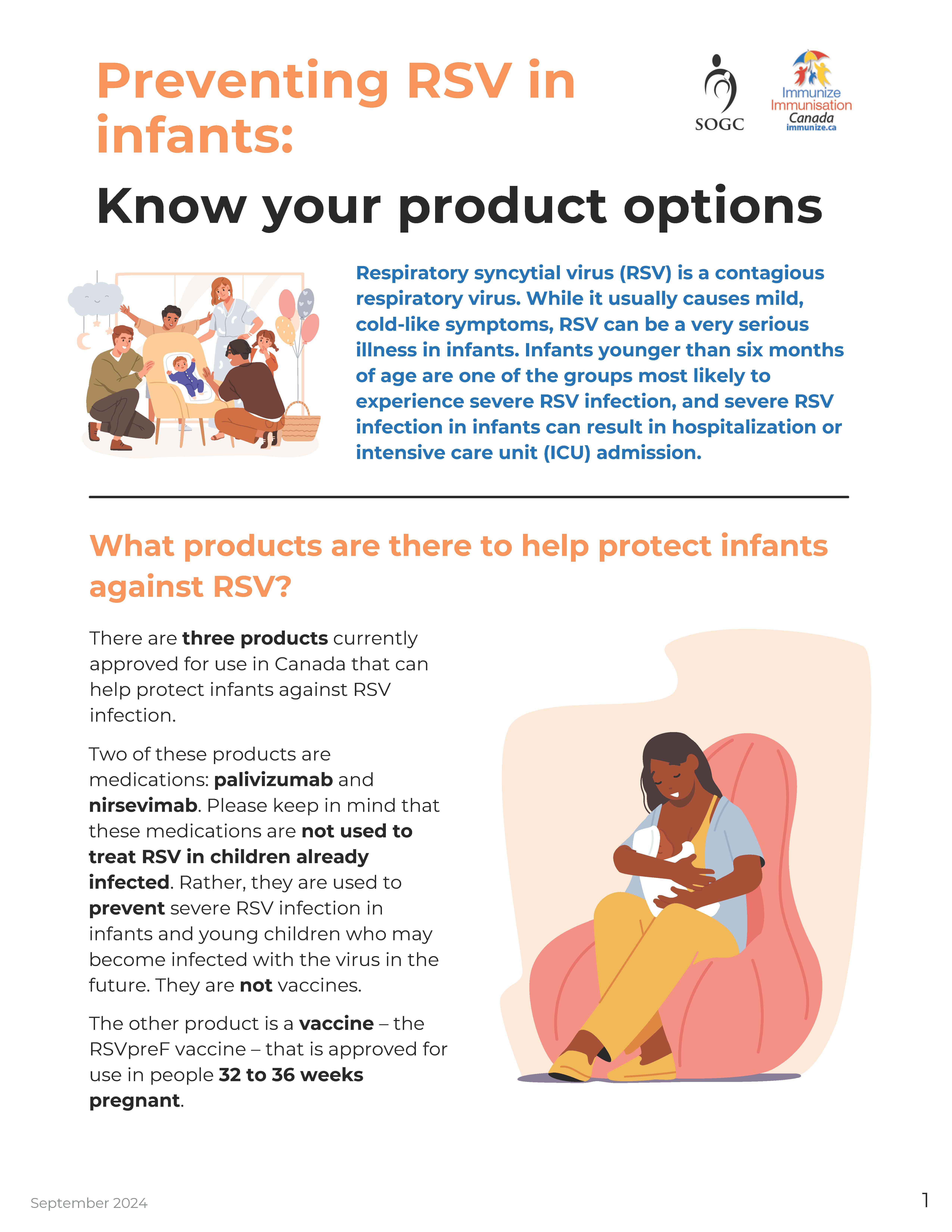
RSV prevention emphasizes exposure reduction and infection control. RSV spreads through respiratory droplets and contaminated surfaces. Hand hygiene, cleaning frequently touched objects, and minimizing close contact when someone is sick can reduce transmission.
For households with infants, careful attention to symptoms in visitors matters. If an adult has a cough or fever, delaying visits can make a difference. Daycare settings require additional vigilance because exposure can be constant and multi-directional.
In high-risk infants, clinicians may discuss specialized preventive options. Those decisions depend on medical history and local recommendations. Vitamin D isn’t a replacement for targeted RSV prevention strategies. It’s a parallel thread—healthy, but not the only thread.
When RSV Symptoms Need Urgent Attention
Even with prevention efforts, RSV can still arrive. Parents should watch for signs that breathing is more difficult than a typical cold. Fast breathing, visible chest retractions, nasal flaring, bluish lips, poor feeding, dehydration, or lethargy are reasons to seek prompt medical evaluation.
Long sentences can describe complicated physiology, but emergencies often demand fast interpretation. If the child seems to struggle to breathe, waiting can be risky. Early assessment helps clinicians determine severity and the appropriate level of respiratory support.
Conclusion: A Hopeful Connection, Not a Guaranteed Shield
Vitamin D and RSV in kids sits at a crossroads of biology and belief. The connection is captivating because winter simultaneously invites viral exposure and common vitamin D insufficiency. But RSV severity is shaped by age, airway characteristics, immune maturation, environmental exposure, and multiple inflammatory pathways.
Vitamin D may play a supportive immunological role. Yet the most responsible expectation is not “vitamin D prevents RSV,” but “maintaining adequate vitamin D supports overall health and immune function.” That stance respects complexity while still honoring the parent’s desire for actionable care.