Have you ever wondered why your body sometimes feels like it’s running on “low battery” even when your days are packed with effort and good intentions? Now imagine this: magnesium is your quiet backstage crew—coordinating muscle relaxation, nerve signaling, and energy metabolism—while vitamin D acts like the lighting designer, helping unlock absorption and supporting immune resilience. If they work together, why do so many people treat them like unrelated side quests? Here’s a playful challenge: for the next seven days, pick one magnesium-rich food each day—and pair it with a sensible source of vitamin D. Sounds whimsical, but it’s surprisingly strategic.
Below are seven magnesium-rich foods that pair naturally with vitamin D habits. Some are everyday staples; others are small upgrades with outsized returns. Consider it a culinary itinerary—one that supports both intracellular calm and broader wellbeing.
1) Pumpkin Seeds: the Crunch That Coordinates Calm
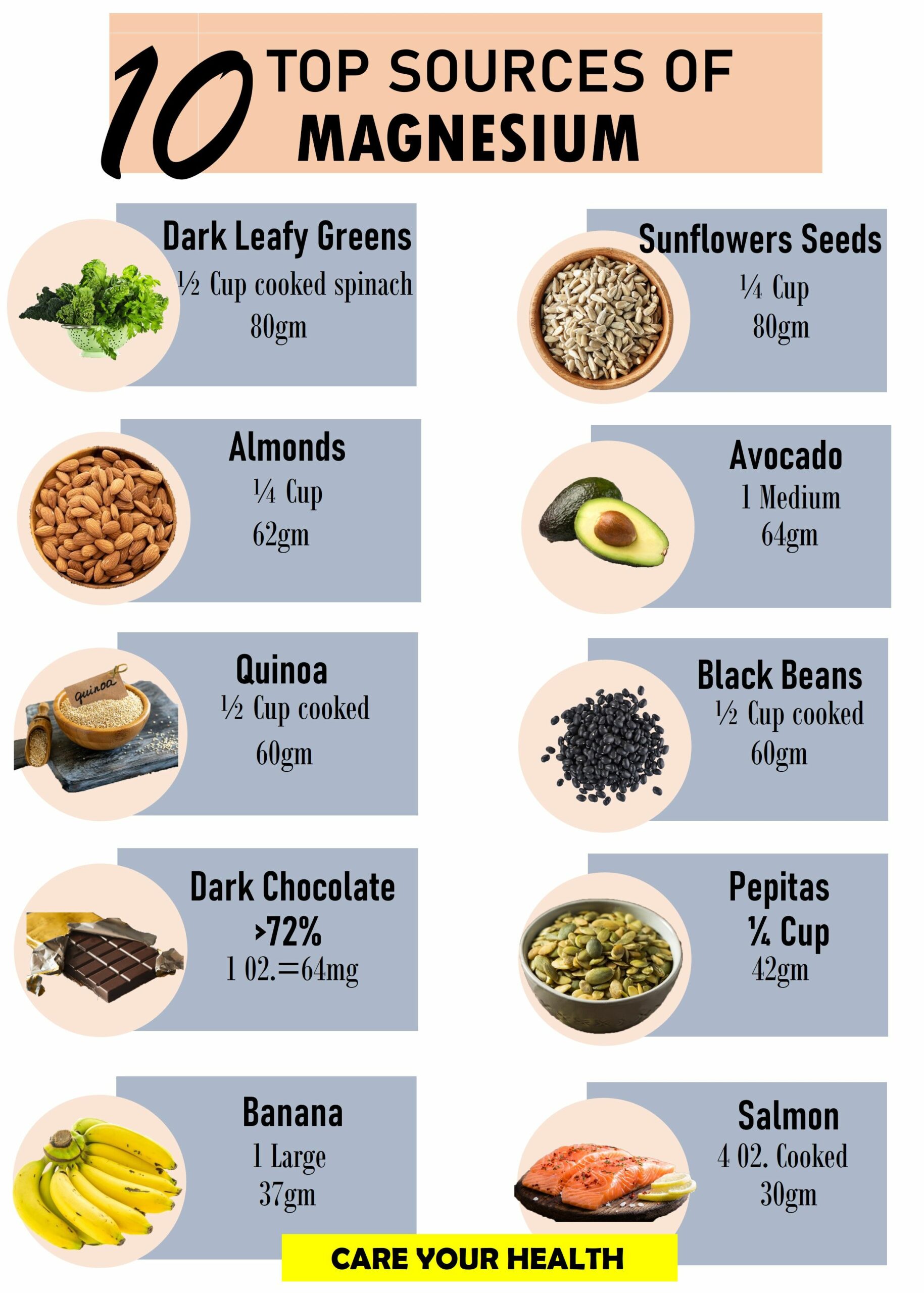
Pumpkin seeds are tiny, but they behave like a powerhouse ensemble. They’re particularly rich in magnesium, plus they bring zinc and healthy fats. Magnesium supports neuromuscular function, while zinc and fats help you maintain stable energy and satiety—two factors that influence how consistently you eat.
Pair pumpkin seeds with vitamin D in a practical way: sprinkle them over a bowl that includes a source of vitamin D, such as fatty fish (salmon or sardines) or an egg-based meal. If you’re sunlight-inclined, a short, safe window of sun exposure can complement dietary habits.
Try a challenge: make a “seed sprinkle” habit. Add one tablespoon to salads, yogurt, or roasted vegetables. One tablespoon doesn’t sound dramatic—until day seven arrives.

2) Black Beans: Comfort Food with Biochemical Grace
Black beans are a cornerstone of magnesium-rich eating. They offer not only magnesium but also fiber, which can assist with metabolic steadiness and digestive regularity. Magnesium has a friendly relationship with the body’s “control systems”—helping muscles unwind and supporting normal energy metabolism.
For vitamin D pairing, think beyond the idea that vitamin D only comes from one place. Combine black beans with meals that include vitamin D-rich ingredients—like a tuna salad, baked salmon, or a chicken dish with a fortified component (some dairy and plant milks may be fortified). If you prefer a vegetarian direction, consider adding fortified foods alongside beans, plus your chosen sun exposure strategy.
Long sentences have their place, but so do decisive ones: beans are an easy win. They’re also budget-friendly, which makes consistency more likely—an underrated nutrition tactic.
3) Spinach: The Leafy Choice for Smooth Muscle Function
Spinach is the kind of food that feels almost too easy—until you notice how it fits into almost every meal. Magnesium supports muscle relaxation and may help counterbalance the stress of tense days. Spinach also provides folate and vitamin K, both of which contribute to overall nutritional completeness.
To align with vitamin D, create a meal where spinach and vitamin D cohabitate. Roast salmon and serve it on a bed of sautéed spinach. Or blend spinach into an omelet with eggs. If you enjoy smoothies, pair spinach with a fortified yogurt or fortified plant milk.
Here’s a subtle challenge: avoid treating spinach like a garnish. Make it a substantial component—two cups in a salad, or a generous sautéed portion. Your body will notice the difference.

4) Swiss Chard: Slightly Bitter, Exceptionally Versatile
Swiss chard sits in that category of vegetables that people either underappreciate or accidentally learn to love. It offers magnesium, and its slightly earthy flavor pairs well with bold seasoning. Magnesium supports normal nerve function, and a nutrient-dense plate can also reduce the urge to snack on less nourishing options later.
Pair chard with vitamin D sources that fit your lifestyle. Roast mackerel, add sautéed chard to a grain bowl, or serve it alongside a fortified dairy-free alternative if you’re managing preferences. Sun exposure can be the “bonus” layer, but food is the dependable foundation.
If you want an uncommon culinary move, try chard stems chopped small, cooked tender, and folded into a warm salad. Short? Yes. But it transforms the texture and makes the meal feel intentionally crafted.
5) Almonds: Smart Snacking with Endurance Potential
Almonds deliver magnesium along with vitamin E and healthy fats. That combination can help you feel more grounded between meals. Magnesium’s role in energy metabolism is one reason nuts often feel supportive when your schedule gets demanding.
To pair with vitamin D, consider almonds as a companion to vitamin D-rich breakfasts or lunches. For example: have almonds alongside an egg-and-spinach plate, or mix chopped almonds into yogurt made with fortified ingredients. If you’re taking vitamin D through diet, align your almond snack with meals that naturally include vitamin D—don’t let it float in isolation.
Playful challenge: replace one “random snack” with a measured handful of almonds. If you normally snack without thinking, this tiny ritual turns impulsivity into intention.
6) Avocado: Magnesium’s Creamy Cousin
Avocado is beloved for its texture and for being remarkably easy to incorporate into meals. It provides magnesium and heart-friendly fats that can help keep you satisfied. When your appetite is steadier, it’s easier to maintain dietary consistency—which is where nutrition plans actually start to work.
Pair avocado with vitamin D by building a plate that includes a vitamin D-rich element. Add avocado to a salmon bowl, or create a tuna-and-avocado salad with olive oil and herbs. If you’re using eggs, avocado can be the creamy balance alongside a vitamin D-supportive breakfast.
Make it intentional: add avocado, don’t just “sprinkle.” A quarter to half an avocado can meaningfully upgrade the meal.
7) Edamame and Soybeans: The Protein Pathway to Better Balance
Edamame (young soybeans) can be a delightful magnesium-rich option, especially if you enjoy savory, quick meals. Soy-based foods also supply protein, which helps create a more substantial plate. Magnesium and protein together can make post-meal cravings calmer—useful on days when work runs long or sleep is compromised.
Pair edamame with vitamin D through complementary meal components. Try edamame with grilled salmon, or add it to a bowl that includes a fortified element or vitamin D-rich fish. Stir-fry edamame with garlic, sesame oil, and vegetables—then serve it beside a vitamin D-supported protein.
Challenge extension: choose one cooking method this week—stir-fry, roast, or steam—and use it for edamame or spinach. Repetition builds competence, and competence builds consistency.
Pairing Strategy: Make Vitamin D a Co-Star, Not an Afterthought
Magnesium-rich foods work best when vitamin D isn’t treated like a distant concept. You can pair them using a few practical methods. First, include vitamin D-rich foods in the meals where magnesium-rich foods naturally appear—fatty fish, eggs, or fortified products. Second, treat sunlight as an auxiliary tool rather than the only solution. Third, keep hydration and overall diet quality steady, because magnesium absorption and metabolic function depend on the broader nutritional environment.
Also, be mindful: magnesium needs vary by person, and vitamin D needs depend on baseline status, season, and lifestyle. If you have medical conditions or take supplements, it’s wise to check compatibility with professional guidance.
A Seven-Day “Magnesium + Vitamin D” Mini-Plan
If the thought of planning feels like homework, simplify it. Pick your vitamin D source first—an egg breakfast, a salmon dinner, or a fortified dairy/plant option. Then choose one magnesium-rich food from the list above and anchor it in that meal.
Day one: pumpkin seeds. Day two: black beans. Day three: spinach. Day four: Swiss chard. Day five: almonds. Day six: avocado. Day seven: edamame. Keep the meals flexible. Keep the intention firm.
When you complete the challenge, you’ll likely notice something beyond nutrients: steadier energy, smoother meals, and a sense that your kitchen is cooperating with your body. That’s the real magic—biochemistry you can taste.