The most effortless climate solution often hides in plain sight: sunlight. It arrives like an unbroken promise, free and relentless, spilling energy onto rooftops, fields, and leaves alike. Yet, in the age of “green” language and wellness marketing, a different question starts to echo beneath the glow—can sunlight be considered environmental balm while “green supplements” carry a carbon signature of their own? The environmental impact of sunlight feels airy and clean, but the supply chains behind packaged products can be surprisingly heavy. When these threads tangle, the story becomes less of a victory lap and more of a nuanced fable about what we choose to celebrate, and what we inadvertently manufacture.
Sunlight’s Gift: Energy Without a Tailpipe
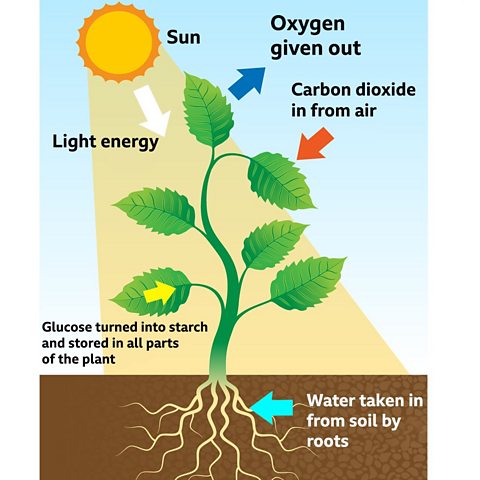
Sunlight is the archetype of clean power. It is a luminous courier delivering energy that plants convert into chemical wealth through photosynthesis. In the plant’s world, sunlight is not merely light—it is a creative force. It animates chlorophyll, ignites growth, and helps build the biomass that sustains entire ecosystems. There is no combustion. There is no exhaust. The process is elegantly direct.
And yet, this simplicity is easy to romanticize. We tend to imagine a straight line from sun to benefit. But the world is never a straight line. Even when a product is “green” in spirit, the pathway from harvest to shelf can involve processing, transport, packaging, and manufacturing energy. Those steps are the plot twists that determine whether sunlight remains a clean hero or becomes an inspirational wallpaper for a heavier reality.

Photosynthesis as a Metaphor: Turning Light Into Life
Photosynthesis is more than biology; it is a metaphor with roots in resilience. Plants take something abundant and convert it into something useful. Light becomes sugar. Carbon dioxide becomes structure. Energy becomes endurance. If sunlight is a fountain, photosynthesis is the artisan that fashions a usable form from what seems intangible.
However, “green” supplements often borrow the emotional vocabulary of plants without fully sharing the ecological bookkeeping. The allure is understandable. When customers buy leaf-adjacent products, they want the sensation of nature—quiet, healing, uncomplicated. But supplements are industrial objects: they may be extracted, refined, stabilized, bottled, shipped, and distributed. The carbon footprint is not always visible, yet it can be as material as the label itself.
The Hidden Carbon Thread: Why Packaging Matters
Carbon is not a rumor; it is a measurable presence. Even when the ingredients originate from sun-loving agriculture, the environmental impact can shift during the transformation from living matter into a shelf-stable capsule, powder, or syrup.
Packaging is a common culprit. Plastic components, glass manufacturing, metallic closures, labels, and shipping cartons each carry their own emissions. Then there are warehouse logistics, refrigeration needs (for certain formulations), and the energy demands of drying, milling, encapsulating, and sterilizing materials. None of these steps is inherently malicious. But together they form a chain reaction of emissions—like a series of dominoes set upright by convenience.
That’s why the question “Does sunlight have carbon?” is a trick question. Sunlight itself has no carbon. But our systems for turning sunlight-inspired wellness into products can.
Green Supplements and the Accounting Problem
Marketing often treats “green” as a vibe rather than a ledger. Terms like “eco-friendly,” “natural,” and “plant-based” can create a halo effect—an instinctive glow that suggests environmental innocence. Yet environmental truth usually depends on scope: how far did materials travel, how much energy did processing require, and what emissions were produced along the way?
For supplements, the carbon ledger may include:
• Cultivation impacts (fertilizer use, water intensity, soil management, and land-use changes).
• Extraction and processing (heat, solvents, filtration, and drying methods).
• Manufacturing energy (electricity sources and equipment efficiency).
• Transport and distribution (distance, modes of shipping, and packaging weight).
• Waste outcomes (scrap, expired inventory, and end-of-life disposal).
Even a product that uses renewable electricity for one step can still carry emissions elsewhere. The environmental impact is rarely singular. It is distributed like pollen—present everywhere, sometimes unnoticed until the full bloom of consequences arrives.
Solar Energy, Shared Atmosphere: Carbon Beyond the Leaf
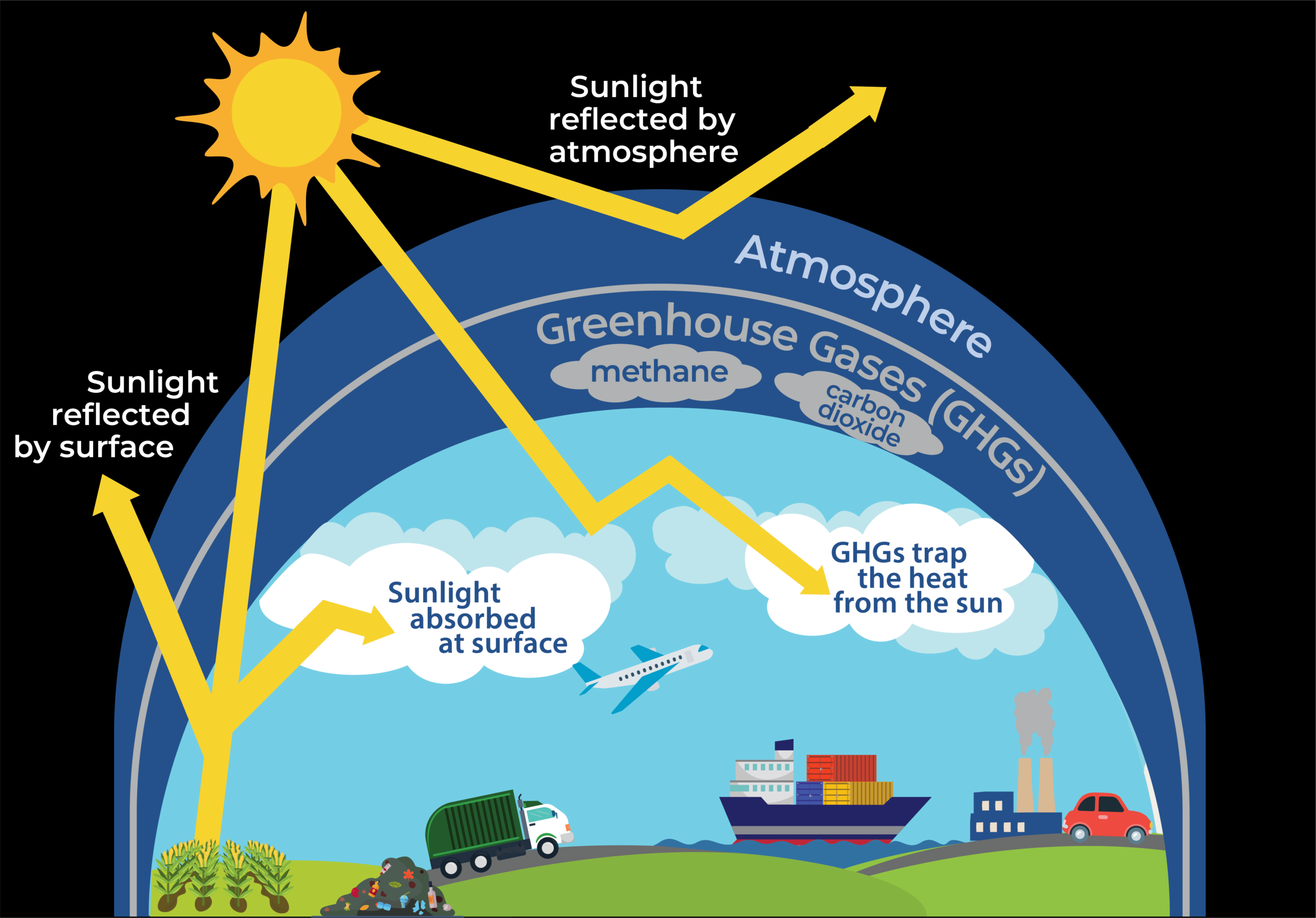
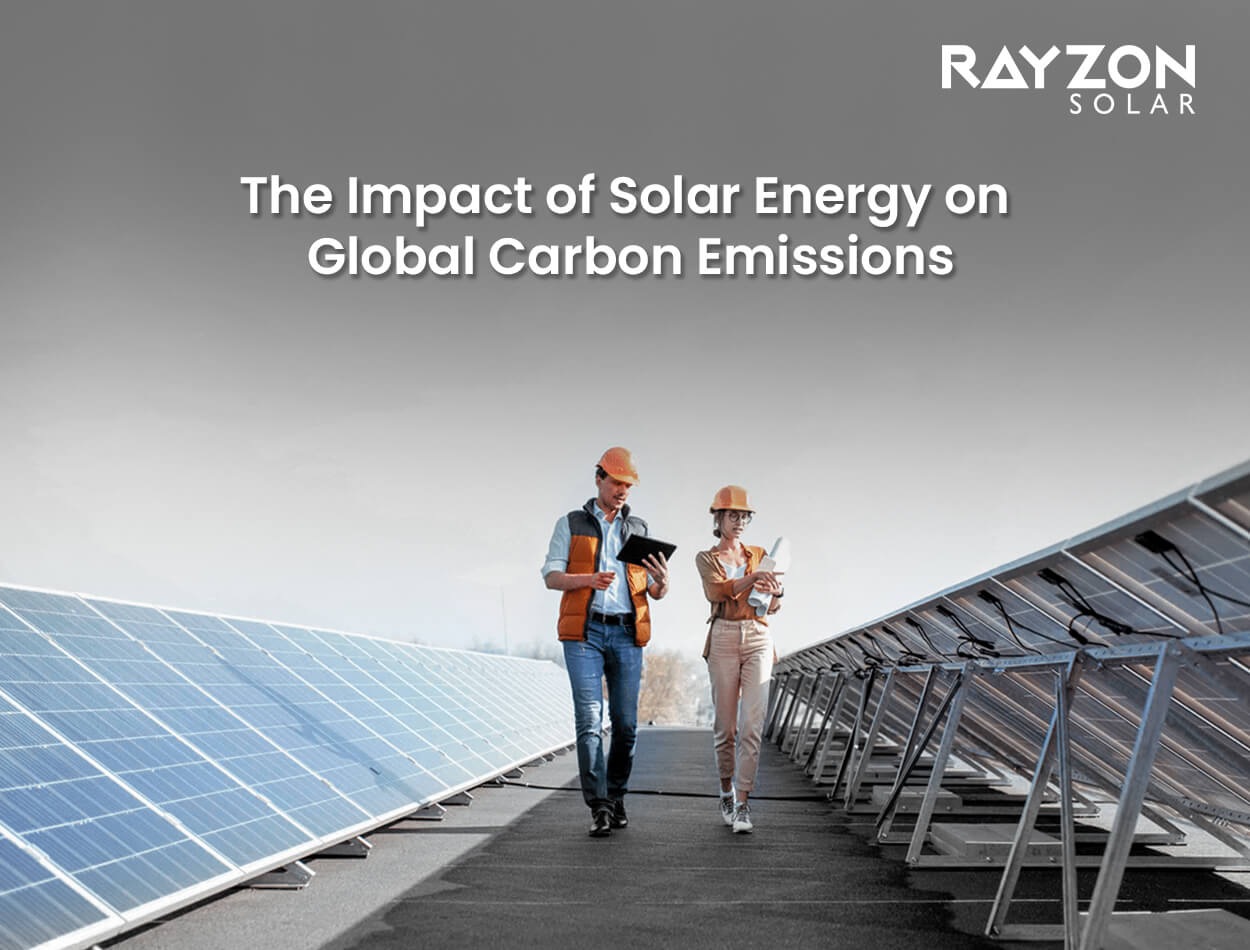
It’s tempting to interpret sunlight as a cure-all. If we generate power from the sun, we reason, the world becomes cleaner. And solar can indeed reduce emissions compared with fossil fuels. But carbon does not vanish because a product references sunlight. Carbon is part of the atmosphere’s memory: once emitted, it accumulates, and the timing matters.
Solar energy’s benefits depend on implementation—where it’s deployed, how quickly it replaces other power sources, and whether manufacturing itself is decarbonized. In the broader context, the climate effect is cumulative. A “green supplement” could be produced in a region where electricity is cleaner, while another batch might come from a grid still reliant on fossil fuels. The results differ.
So the real question becomes: is sunlight being used as a meaningful mechanism for reducing emissions, or is it being used as an aesthetic metaphor? The distinction can be the difference between genuine climate progress and symbolic environmental theater.
Intriguing Appeal: The Lure of Light-Based Hope
Why do “sunlight” and “green supplements” feel so compelling together? Because they speak to a primal desire: to live with less harm. Light suggests purity. Plants suggest renewal. Supplements suggest agency—an individual action that might help counteract a complicated world.
There is also a psychological rhythm at work. We are drawn to stories where nature does the heavy lifting. A leaf converts air into nourishment. Sun becomes structure. It’s a comforting narrative, and people want comfort that aligns with conscience.
The unique appeal isn’t wrong; it’s simply incomplete without transparency. When brands emphasize environmental integrity—such as documented supply chain practices, lower-impact materials, and verifiable reductions—they turn hope into something sturdier. They convert the metaphor into evidence.
How to Think Like a Climate Investigator
If you want sunlight-inspired choices to remain truly greener, approach them like an investigator, not a spectator. Look beyond the label and ask the questions that reveal hidden pathways:
• Are the ingredients sourced with land stewardship in mind?
• Is processing energy disclosed, or is it implied?
• Does the company quantify emissions or provide a credible life-cycle perspective?
• Are packaging materials optimized for weight and recyclability?
• Is there clarity about shipping routes and manufacturing locations?
Short sentences can sharpen clarity. “Show the method.” “Prove the improvement.” “Measure the footprint.” The environment rewards specificity.
Conclusion: A Sunlit Future Needs More Than Sunbeams
Sunlight is genuinely green in nature—an uncharged gift with no exhaust and no need for confession. Photosynthesis is one of the planet’s most elegant negotiations: carbon dioxide and water become living tissue through the choreography of light. But when sunlight-inspired products are packaged into supplements, the climate story must widen. Carbon doesn’t automatically disappear because a product is “green.” It follows the trail of energy, materials, and logistics.
The environmental impact is ultimately a collaboration between biology and industry. The goal is to let sunlight remain the hero, not the decoration. When brands treat carbon like a measurable ingredient—when they reduce emissions in cultivation, processing, packaging, and transport—then the metaphor becomes real. Only then does the glow feel honest.