Some people avoid the sun to protect their skin. Others avoid it because they simply forget—winter light fades early, routines compress, and “later” becomes a habit. Yet in the middle of all that caution and busyness, something quiet has been happening: vitamin D levels have been slipping. This is often called a “sunshine vitamin” crisis, but it’s more than a vitamin shortage. It’s a modern mismatch between how our bodies evolved and how our days are actually lived.
What Vitamin D Actually Does—Beyond Bones
Vitamin D is frequently reduced to one role: bone health. Certainly, it helps the body absorb calcium and supports skeletal strength. But that’s only the visible tip of the biochemical iceberg.
Vitamin D participates in immune regulation, influencing how the body calibrates its responses. It also plays a part in muscle function, helping the neuromuscular system operate with smoother coordination. In many tissues, vitamin D behaves like a molecular “messenger,” affecting cellular processes that extend far beyond the skeleton.
Because of this broad influence, low vitamin D doesn’t always arrive with dramatic symptoms. It can feel like a slow malfunction—fatigue that never fully lifts, aches that become familiar, and a vague sense of being run down. The danger of that vagueness is that it delays recognition. People try to “power through,” while their physiology quietly asks for a different kind of support.
The Sun-Avoidance Paradox: Protection That Backfires
Sun avoidance is often motivated by real concerns. Dermatologic guidance emphasizes reducing UV exposure to lower the risk of skin damage and malignancy. That message has been lifesaving for many.
However, a paradox has emerged: avoidance strategies sometimes become totalizing. People wear protective clothing, choose shade, and limit outdoor time—then compensate with diets that may not provide enough vitamin D naturally. The result can be a physiological deficit that accumulates over months.
Even when sunscreen is used correctly, vitamin D synthesis is less efficient than many people assume. Sunscreen blocks UVB, the band of sunlight that triggers vitamin D production in the skin. A person can be extremely responsible and still end up with insufficient vitamin D.
In other words, the modern habit isn’t simply “avoiding sun.” It’s often avoiding ultraviolet exposure while also minimizing sunlit time overall—through indoor lifestyles, winter schedules, and screen-centered routines.
Why Modern Life Makes Deficiency Feel Inevitable
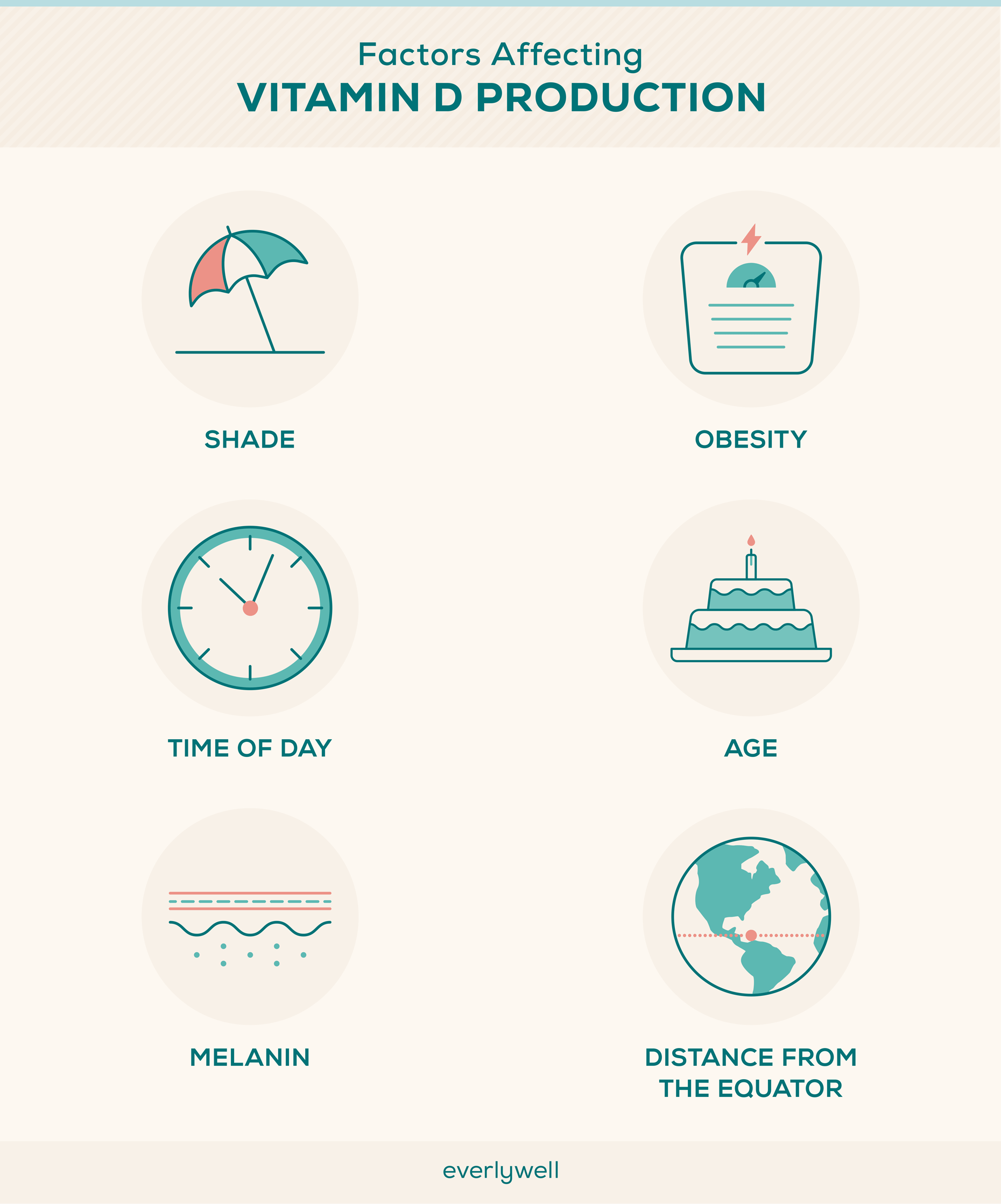
Daily environments have changed faster than biology. Office buildings, long commutes, and climate-controlled interiors shrink the amount of skin-exposure time. Sunglasses, hats, and UPF clothing further reduce direct sunlight. Then there’s the seasonal reality: in many regions, winter days are short and sunlight is weak for vitamin D synthesis.
Skin pigmentation also changes how effectively vitamin D can be produced. Darker skin contains more melanin, which can reduce UVB-driven vitamin D production. That does not mean people with darker skin cannot build vitamin D from sunlight—rather, it often requires more time in UVB-appropriate conditions.
Age matters, too. Older adults generally produce vitamin D less efficiently, and their bodies may be less adept at converting forms of the vitamin into usable forms. Add limited dietary sources and the odds shift further toward deficiency.
How the Body Gets Vitamin D: Sunlight, Food, and Supplements
Vitamin D is unusual among nutrients because sunlight contributes significantly to its formation. When UVB photons strike the skin, a precursor molecule is transformed into vitamin D, which the liver and kidneys then convert into active forms.
Diet can contribute, but it’s uneven. Naturally vitamin D-rich foods include fatty fish, certain fortified products, and egg yolks. Many people eat few of these consistently. That’s why food alone often cannot offset reduced sunlight.
Supplements bridge the gap for many individuals. They can be especially helpful for those who are housebound, live in high latitudes, wear extensive sun protection, or have conditions affecting absorption. The key is personalization—because the “right” dose depends on baseline levels, health status, and sometimes concurrent medications.
Spotting Deficiency: Signs, Subtlety, and Misdiagnosis
Low vitamin D can masquerade as ordinary wear-and-tear. People might notice muscle weakness, joint discomfort, or a tendency toward low energy. In some cases, it contributes to balance issues, particularly in older adults, increasing fall risk.
There’s also a common diagnostic delay. Symptoms can overlap with stress, thyroid issues, anemia, or chronic inflammation. Without lab testing, vitamin D deficiency can become the invisible accomplice rather than the main suspect.
Testing typically involves measuring 25-hydroxyvitamin D. It provides a snapshot of vitamin D stores in the body. When deficiency is confirmed, clinicians can discuss targeted approaches rather than leaving the issue to chance.
Safety and Sensible Sun Exposure: Finding a Middle Path
The goal isn’t reckless tanning. It’s strategic, minimal-risk exposure that supports vitamin D without inviting skin harm. The middle path is nuanced: short periods of sun, appropriate for skin type, at times when UVB is sufficient, while still respecting individual risk factors.
Some people use sun exposure days rather than daily habits. Others take advantage of midday light during the warmer months. Clothing choices matter. Completely covering the body eliminates the skin-based synthesis pathway, so it helps to consider partial coverage based on safety guidance.
Long sentences can hide long-term problems. Likewise, “a little sun sometimes” may not be enough. The answer is consistency within boundaries—an approach that respects both dermatologic protection and vitamin D physiology.
Fortified Foods and Dietary Strategy: Building Vitamin D Into Meals
Dietary solutions can be practical and even enjoyable when treated like culinary logistics rather than nutrition homework. Fortified milk alternatives, fortified yogurts, and some breakfast cereals can contribute meaningful amounts—especially when paired with foods that support overall absorption.
Fat helps vitamin D travel through the digestive system efficiently. That means pairing vitamin D-containing foods with meal structure—like a balanced plate with healthy fats—can improve utilization.
Meal planning doesn’t need to be rigid. It can be creative: salmon dinners, sardine bowls, or fortified smoothies that become a routine. Over time, a steady dietary baseline can reduce dependence on sunlight and supplements, though it rarely replaces them completely for most people.
Supplements: When They Help and How to Choose Responsibly
Supplementation is not an admission of failure; it’s often a rational response to environmental mismatch. But dosing should be approached thoughtfully. Vitamin D is fat-soluble, meaning excess can accumulate in the body. That’s why blindly “mega-dosing” is not a wise strategy.
Different formulations exist, including vitamin D3 (cholecalciferol) and vitamin D2 (ergocalciferol). Many healthcare professionals prefer D3 for raising blood levels, but individual circumstances matter. The safest route is usually to confirm deficiency, understand target ranges, and then follow a plan with follow-up testing.
Some people require higher doses temporarily to correct a deficit, then transition into maintenance. Others benefit from steady low-to-moderate dosing. The structure matters because it mirrors the slow tempo of vitamin D repletion.
Who Is Most at Risk—and What “Prevention” Should Look Like
Certain groups have higher probability of deficiency: people who rarely spend time outdoors, those who cover most skin for cultural or personal reasons, individuals with malabsorption syndromes, and those with obesity, which can alter vitamin D bioavailability.
Breastfed infants may also need vitamin D supplementation depending on local guidance and sun exposure levels. Older adults, as noted, often produce less vitamin D, making prevention a daily, not occasional, concern.
Prevention should be systematic. It can include routine lab checks for high-risk individuals, meal strategies with fortified options, and thoughtful sun exposure where safe. The best plans are boring—in the best way—because they are repeatable.
Common Myths: “More Sun Is Always Better” and Other Errors
Myth one: more sun automatically means better vitamin D. In reality, after a point, additional UV exposure doesn’t translate linearly into vitamin D gains and it increases the risk of skin damage. The body is a regulator, not a limitless converter.
Myth two: sunscreen eliminates vitamin D concerns. Sunscreen reduces UVB-driven synthesis, yes—but it doesn’t mean vitamin D is impossible. It means people must adjust expectations and use a balanced strategy.
Myth three: supplements are either unnecessary or always sufficient. Deficiency correction may require more than a single bottle. Absorption, baseline levels, and adherence all influence outcomes. A plan that includes follow-up testing often outperforms a guess-based approach.
The Content You’ll Find When You’re Ready to Learn
Readers who explore this topic often encounter a mix of formats, each designed to answer a different kind of question. Visual infographics may clarify the basic mechanism—how sunlight supports vitamin D formation—and they often distill “why it matters” into quick, memorable steps. Educational articles typically go deeper into risk factors, timing, and safe exposure principles. Some resources focus on practical behavior changes: sunlight schedules, dietary pairing ideas, and supplement selection considerations.
You may also see explanatory images that compare sun sensitivity and exposure strategies. Those visuals can reduce confusion for beginners, especially when they connect skin type to how the body responds to UV. Longer narrative guides, like this one, are built for context—helping you connect habits, seasons, and physiology into one coherent story.
Below are examples of the kinds of visual content readers often look for when trying to understand vitamin D and safe sun practices.


Moving Forward: A Plan That Doesn’t Ignore Skin or Science
The vitamin D epidemic isn’t caused by one villain. It’s the compound effect of indoor schedules, seasonal light, protective behaviors, and uneven dietary patterns. The solution is equally composite: smart sun exposure when safe, fortified dietary support, and supplements when appropriate—ideally guided by testing.
Think of vitamin D as a quiet tenant in your body’s infrastructure. When the rent isn’t paid consistently—through sunlight, food, or supplementation—services slow down. By paying attention early, you can protect skin and support immunity, muscle function, and overall vitality.
The future doesn’t require extreme sun habits. It requires informed decisions, steady routines, and a willingness to treat vitamin D not as a trivia fact, but as an ongoing maintenance task for the human system.