Calcium supplements have a habit of arriving in conversation like an overconfident stranger—confidently helpful, loudly debated, and strangely entangled with the topic of heart risk. One day the message is reassuring; the next, it feels ominous. Meanwhile, vitamin D sits in the background like a quiet conductor, coordinating absorption, cellular signaling, and bone metabolism. The fascination isn’t random. It’s the feeling that a simple pill could steer complex cardiovascular outcomes. But the truth is more nuanced, and the nuance matters.
Why “Calcium = Heart Risk” Became Such a Magnetic Idea
It starts with a premise that sounds elegant: if calcium is essential, then controlling calcium intake might influence the cardiovascular system. Then come the headlines—sometimes based on observational patterns, sometimes on pooled analyses, and sometimes on experimental fragments that are interpreted with great certainty. Humans are pattern-seeking creatures. We like the clean narrative: calcium supplement leads to heart events. Short sentences encourage certainty. Long-term biology rarely offers such neat choreography.
But the heart does not run on one mineral alone. Cardiovascular risk is a composite portrait painted with age, kidney function, diet quality, inflammation, and medication use. Calcium supplements can appear “responsible” simply because they are taken by people who already have higher baseline risk. That is the first deeper reason for fascination: causality is often disguised as correlation.
The Bone–Blood Paradox: Calcium’s Journey Through the Body
Calcium is not a villain or a hero. It is a messenger. In bone, it supports structural integrity. In blood, it must stay within a narrow concentration range. The body maintains that range with remarkable discipline—through parathyroid hormone (PTH), vitamin D metabolites, and renal excretion. When calcium availability changes, the system adapts.
Supplements introduce a new tempo. Instead of gradual absorption shaped by meals and varying nutrients, calcium tablets can create sharper, transient increases in serum calcium. For some researchers, that timing feels suspicious. For others, it seems irrelevant because the body rapidly normalizes calcium levels. The paradox is that the cardiovascular system is sensitive to many ionic signals, yet the body’s homeostatic machinery is equally sensitive.
So the real question isn’t “Does calcium exist?” It’s “How does supplemental calcium alter bioavailability, timing, and downstream signaling in a body with specific physiology?”
What the Evidence Actually Suggests (Without Turning It Into Myth)
When people weigh their risk, they often want a single verdict. Reality tends to provide probabilistic language instead: risk may be altered for certain subgroups, may be neutral overall, and depends strongly on dose and context. Some analyses have reported increased cardiovascular events among people taking calcium supplements, particularly at higher doses. Other research has found no meaningful harm and emphasizes that calcium obtained from food does not show the same pattern.
This isn’t simply because food is “better.” Food carries accompanying nutrients—magnesium, potassium, protein, and dietary fiber—that influence vascular function and insulin dynamics. Also, calcium from food is generally absorbed more gradually. That smooth absorption is a quiet advantage, like traffic flowing through an intersection rather than funneling through a single gate.
In short: the evidence does not justify blanket fear, and it also does not justify blind disregard. It points toward conditional truths—dose, form, baseline diet, and individual risk profiles matter.
Vitamin D’s Role: The Conductor, Not the Side Character
Vitamin D is frequently treated as a background nutrient, but it is more like a transcription regulator for calcium economy. Adequate vitamin D supports intestinal calcium absorption, which helps the body maintain calcium balance without excessive stress on bone stores. When vitamin D is insufficient, calcium absorption drops. The body may then increase reliance on bone resorption, mediated by PTH.
That matters for the cardiovascular system because bone remodeling is not an isolated event. Bone and vasculature share molecular conversations. Calcium-handling, phosphate balance, and inflammatory mediators can all intersect with vascular calcification pathways. Even if serum calcium appears controlled, other mineral dynamics may shift.
So vitamin D can indirectly change cardiovascular risk not by “protecting the heart” in a simplistic manner, but by preventing the system from overcompensating. It reduces the likelihood of running calcium acquisition on hard mode—especially in people prone to deficiency.
Absorption Timing and the Form of Calcium: Small Variables, Big Effects
Calcium carbonate and calcium citrate differ in absorption behavior and dosing flexibility. Calcium carbonate typically requires stomach acid for optimal absorption, while calcium citrate is often more reliably absorbed across a broader range of gastric conditions. These biochemical details affect how smoothly calcium reaches circulation.
Then comes dose. High supplemental doses taken infrequently may create higher transient calcium excursions. Lower doses split across meals often mimic physiological patterns more closely. The heart is not necessarily harmed by calcium in general; it may be affected by the pattern of mineral exposure combined with underlying risk.
This is why the fascination persists: people want a rule that fits everyone. But calcium’s impact depends on how the body digests, absorbs, compensates, and metabolizes.
Food vs Supplements: The “Package Deal” Effect
Calcium is rarely encountered alone in natural diets. Milk, yogurt, leafy greens, and fortified foods come with nutrients that can influence lipid profiles, endothelial function, and gut microbiota. Calcium from foods also tends to be less “spiky” in absorption. Supplements remove the surrounding context—convenience becomes a trade.
It is not that food automatically guarantees safety; rather, it offers an ecosystem of co-factors. A heart cares about the entire environment of metabolism. That environment includes magnesium, which helps modulate vascular tone, and vitamin K, involved in proteins that regulate calcium deposition. When supplements are taken without considering the broader nutrient landscape, the body may not receive the full set of balancing signals.
Consider the supplements as a lever. Food is the whole machinery system—less dramatic, more integrated.
Who Should Be Careful: Subgroups and Hidden Drivers
Some people are inherently more vulnerable to disturbances in mineral handling. Individuals with chronic kidney disease require careful coordination because the kidneys govern calcium and phosphate equilibrium. People with low baseline dietary calcium, low vitamin D, or high PTH activity may respond differently than those whose diet already covers needs.
Additionally, comorbidities—diabetes, hypertension, and pre-existing cardiovascular disease—raise the baseline probability of events, making it easier for correlations to masquerade as causation. Medications also matter. For instance, vitamin D analogs, thiazide diuretics, and certain calcium-channel pathways can influence calcium physiology.
The deeper reason for the controversy is that the “average person” hides the individual story. Biology is not a spreadsheet; it’s a personalized symphony with occasional instrument failures.
How to Use Calcium Supplements More Responsibly
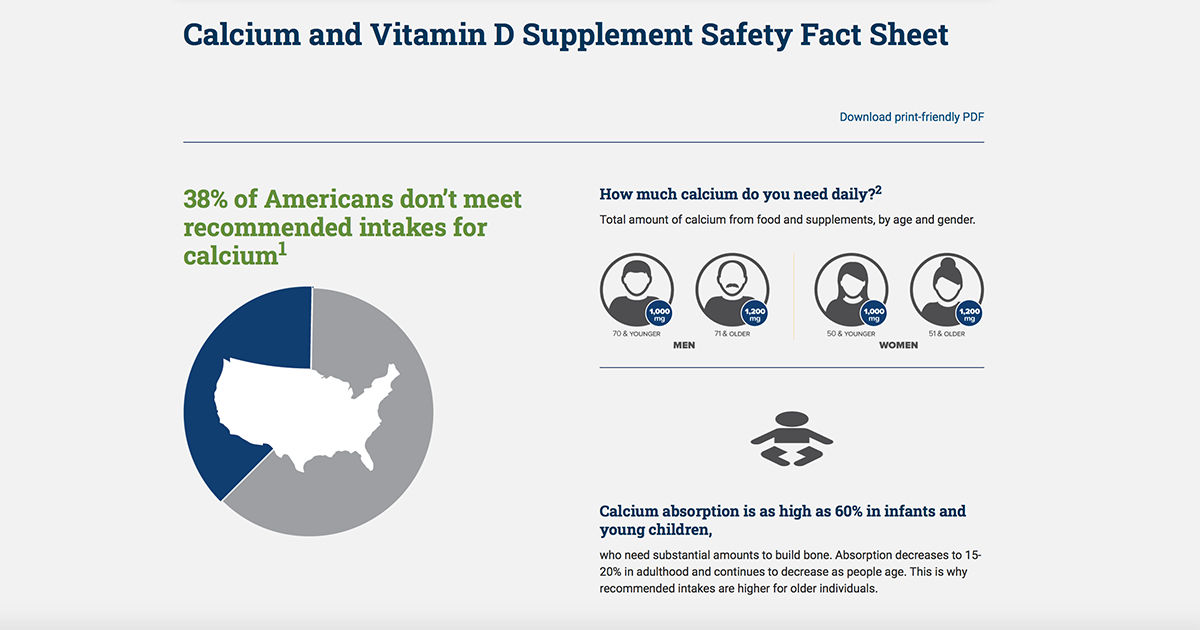
A practical approach starts with establishing dietary intake and supplement necessity. Many guidelines aim to meet calcium needs primarily through food, using supplements as a gap-filler. If supplements are used, lower total doses divided across the day often align better with physiological absorption. Pairing them with meals can reduce abrupt absorption peaks.
Vitamin D assessment is equally important. If vitamin D status is low, supplementing vitamin D may improve calcium absorption and reduce compensatory bone turnover. This does not automatically eliminate cardiovascular concerns, but it restores metabolic balance—an underrated form of risk reduction.
Hydration matters too. Adequate fluid intake supports renal clearance. And if phosphate intake is high or kidney function is reduced, mineral strategy should be individualized with professional guidance.
Myth vs Reality: A Balanced Closing Thought
The heart does not demand calcium avoidance; it demands intelligent context. Calcium supplements can be helpful for bone health, and their effects on heart risk appear to be conditional—shaped by dose, form, timing, baseline nutrient status, and existing cardiovascular risk. Vitamin D’s role is not ornamental. It is regulatory, helping the body manage calcium absorption and reducing the likelihood of harmful compensation.
The most useful truth, then, is neither panic nor complacency. It is attentiveness: to diet quality, to vitamin D status, to dosing habits, and to personal risk factors. The fascination began with a seductive simplicity. The reality ends with an elegant complexity—one that, when respected, can lead to safer, more purposeful decisions.