What if the first step toward better vitamin D status isn’t a supplement at all, but the quiet, overlooked ecosystem inside your gut? The gut is not merely a passageway—it’s a negotiation space where digestion, immune signaling, and nutrient uptake either harmonize or fracture. When that harmony breaks, vitamin D absorption can become a silent casualty. And for people navigating “leaky gut” narratives, celiac disease, or both, the story feels personal: the body may be trying to heal, yet the terrain remains hostile.
Vitamin D: More Than a Sunshine Story
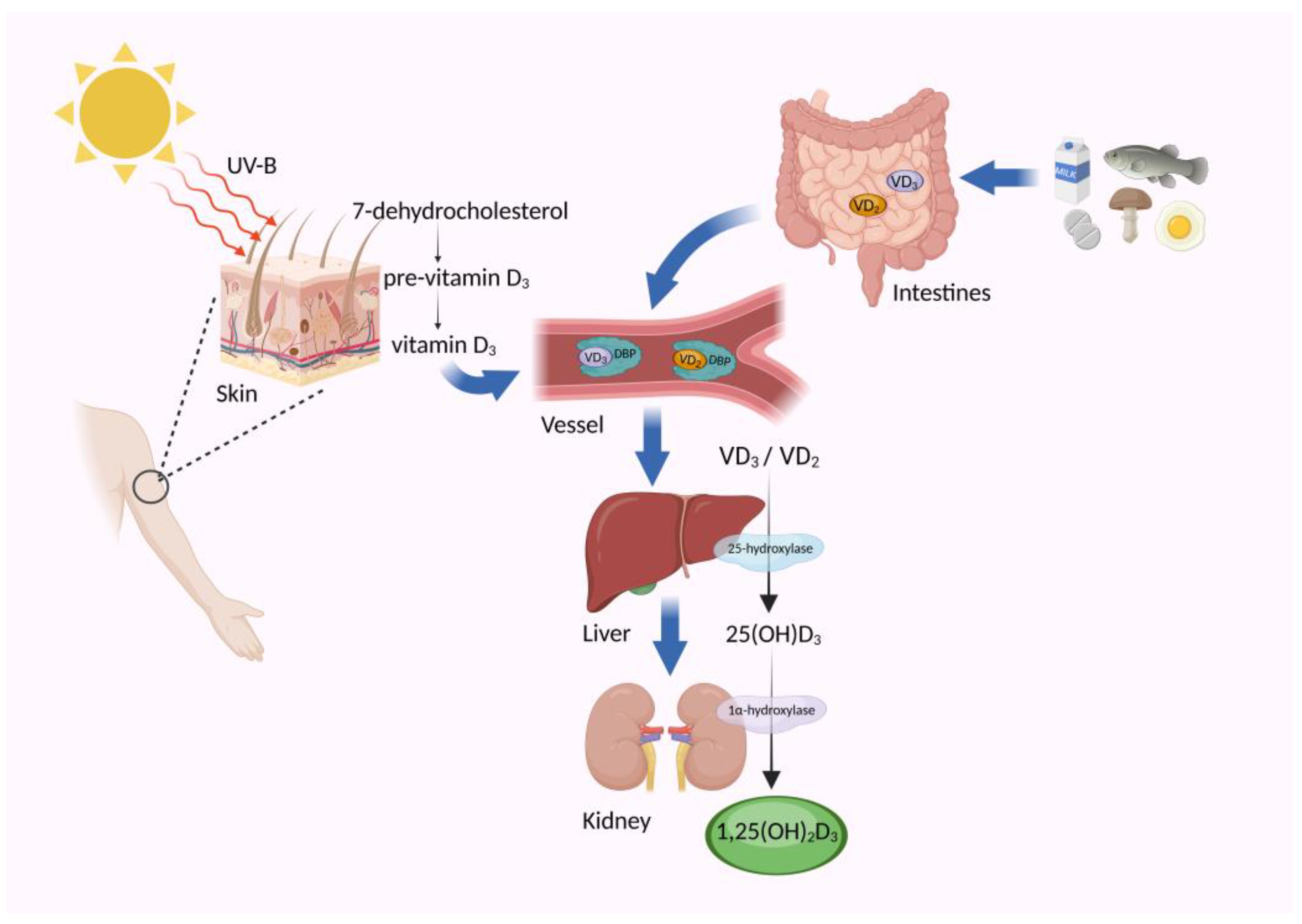
Vitamin D is often treated like a straightforward matter of sunlight and dosing. Yet absorption and bioavailability are biological gatekeepers, not passive outcomes. Vitamin D is fat-soluble, meaning the body’s ability to emulsify fats, maintain bile flow, and transport lipids all matters. But there’s another layer: the gut environment influences how nutrients are processed, how inflammation behaves, and how efficiently the intestinal lining performs its work.
Think of vitamin D as a message that must travel through several stations before it reaches its destination. At each station—digestion, absorption, immune modulation—signals can either amplify the message or distort it. Gut health is one of the most influential distorters, especially when intestinal permeability rises or villi are compromised.
Leaky Gut and the Permeability Paradox
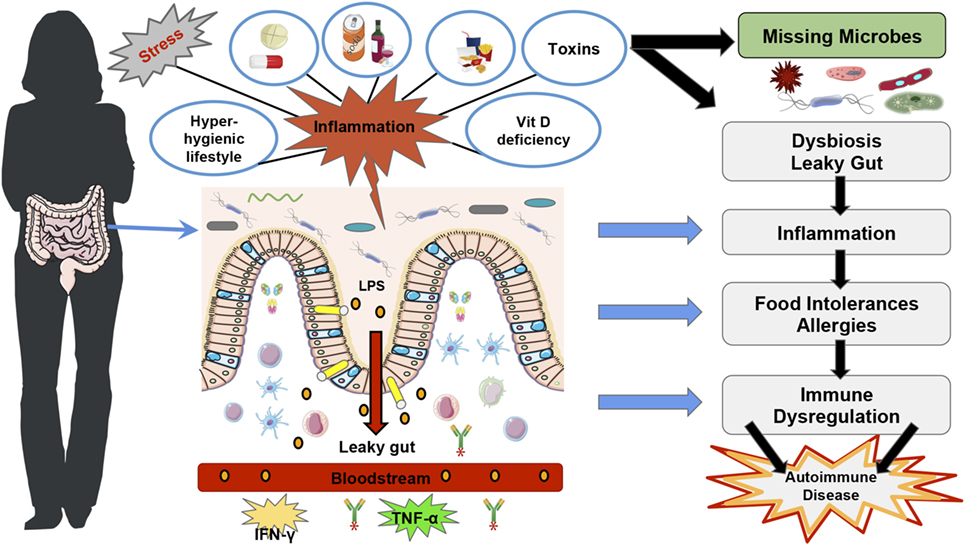
“Leaky gut” describes a condition where the intestinal barrier becomes more permeable than it should be. The consequences aren’t just local discomfort; they can include systemic inflammation and altered immune responses. When tight junctions between intestinal cells weaken, larger molecular fragments may slip across the barrier. The immune system notices, reacts, and the inflammatory tone rises.
Inflammation, in turn, can disrupt nutrient handling. Some people imagine inflammation as a distant storm; in reality, it can be a constant drizzle that changes how the gut lining behaves. Enzymatic activity becomes less efficient. Microvilli—tiny absorptive structures—may function suboptimally. Transport mechanisms may be affected indirectly through altered signaling pathways.
The result can be a perplexing pattern: someone dutifully takes vitamin D, yet serum levels don’t budge much. It’s not that vitamin D is “useless.” It’s that the journey from meal to bloodstream is being sabotaged by an environment that has lost its architectural integrity.
Celiac Disease: When the Gut Refuses the Guest
Celiac disease is not merely “gluten sensitivity.” It’s an autoimmune disorder in which gluten triggers immune-mediated damage to the small intestinal mucosa. This damage can flatten villi and reduce the surface area available for absorption. If the absorptive landscape is diminished, fat-soluble vitamins—including vitamin D—can become harder to absorb reliably.
In celiac disease, vitamin D deficiency often travels alongside other nutrient deficiencies. The gut becomes a battlefield where the immune system targets the lining, and the lining—over time—loses its capacity. Even if a person isn’t feeling dramatic gastrointestinal symptoms, the silent anatomical changes can still impede nutrient uptake.
Here the perspective shift is crucial: vitamin D isn’t only about intake. It’s about whether the intestinal “infrastructure” can perform its job. In celiac disease, that infrastructure is compromised by design—until gluten exposure stops.
The Intestinal Barrier: Tight Junctions, Immune Whispers, and Uptake
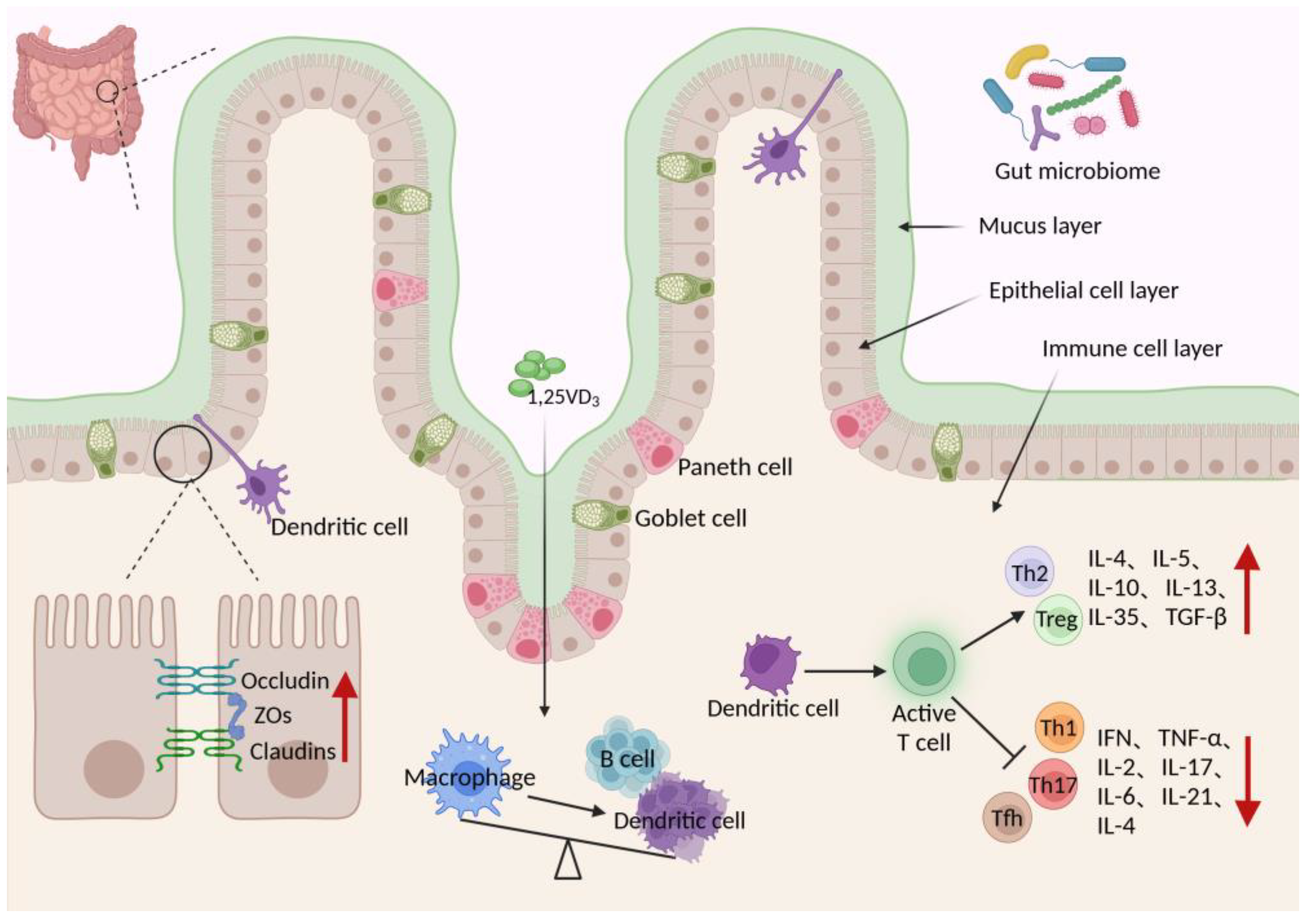
The gut barrier is a multitier system: mucus layers, epithelial cells, tight junction proteins, immune surveillance, and the resident microbiota all contribute to its stability. When barrier function deteriorates, immune signaling can tilt toward chronic reactivity. That chronicity changes absorption conditions in subtle ways.
Vitamin D absorption is influenced by how fats are emulsified and transported, but it’s also influenced by general gut functionality. Barrier dysfunction can impair bile acid recycling, alter fat handling, and shift the microbial ecosystem in ways that affect digestion efficiency. The gut microbiome can produce metabolites that influence inflammation and epithelial health—so microbial imbalance can become a secondary driver of impaired nutrient status.
In other words, “leaky gut” isn’t only a symptom. It can be a mechanism—one that turns vitamin D absorption into a downstream effect of barrier instability.
Microbiome Mediation: The Unseen Conductor
Your microbiome is often described as a community. But communities have leaders, rhythms, and feedback loops. Certain microbes help maintain the integrity of the gut lining, contribute to short-chain fatty acids, and regulate immune tone. When the microbiome shifts toward dysbiosis, the gut lining can become inflamed, less resilient, and less adept at nutrient processing.
Vitamin D also interacts with immune regulation. This creates a bidirectional relationship: gut health influences vitamin D absorption and status, while vitamin D influences immune behavior that affects gut inflammation. The cycle can become a loop—sometimes constructive, sometimes corrosive.
Curiously, the gut microbiome may also affect bile acid metabolism. Since vitamin D is fat-soluble, anything that alters bile availability or bile acid composition can influence absorption. In that sense, the microbiome isn’t just “background.” It’s an operational component of vitamin D’s journey.
Inflammation’s Interruptions: When the Body Downregulates Absorption
Chronic low-grade inflammation can affect the expression of proteins involved in nutrient uptake. Even without dramatic symptoms, inflammatory mediators can alter how the gut lining responds. Imagine a workplace where the lighting is dimmed and the wiring is inconsistent—everyone still tries to work, but performance becomes unreliable.
For vitamin D, this means that absorption efficiency may fluctuate. Additionally, inflammation can influence digestive enzymes and motility patterns. That can affect how long nutrients remain in contact with the absorptive surface, and how consistently fat digestion occurs.
So when someone experiences persistently low vitamin D, gut-driven inflammation should be on the list—not as a diagnosis, but as a plausible contributor that changes the question from “How much vitamin D should I take?” to “What conditions are preventing uptake?”
Signs That Point Toward a Gut-Limited Vitamin D Story
It can be tempting to assume vitamin D deficiency is only a matter of lifestyle. Yet certain patterns hint at an absorption problem. Frequent bloating, chronic gastrointestinal discomfort, unexplained fatigue, or a history suggestive of celiac disease can make the gut component more relevant.
Autoimmune associations may also appear in clusters. Families with autoimmune tendencies often notice that immune disorders share common terrain. If vitamin D levels remain stubbornly low despite supplementation, the gut’s absorptive capacity and inflammatory status deserve closer attention.
This is where a shift in perspective becomes empowering. The goal is not to blame the gut. The goal is to understand the constraints shaping nutrient status, then address them deliberately.
What a Healing Approach Can Look Like
A gut-centered approach often begins with identifying barriers: ongoing gluten exposure in celiac disease, persistent permeability challenges, or inflammatory triggers. For celiac disease, strict dietary gluten avoidance is foundational. The timeline for mucosal recovery varies, but the direction matters. As the lining heals, nutrient absorption can gradually improve.
For “leaky gut” concerns, the strategy typically emphasizes barrier restoration and inflammatory de-escalation: addressing dietary irritants, improving fiber diversity for microbial resilience, and prioritizing gut-soothing foods. Some people also explore lifestyle measures—sleep consistency and stress moderation—because the gut and nervous system are intimately linked.
Supplementation may still play a role, especially if deficiency is already present. Yet the most meaningful change often happens when supplementation meets an environment that allows it to be absorbed and utilized.
How to Bridge the Gap: Timing, Form, and Practical Considerations
If absorption is uncertain, practical decisions become important. Because vitamin D is fat-soluble, pairing supplementation with meals that contain healthy dietary fats may improve consistency. Some people also discuss different vitamin D forms with clinicians, particularly when malabsorption is suspected.
Monitoring matters. Rechecking levels after an appropriate interval helps determine whether the issue is intake, absorption, or both. If vitamin D remains low despite reasonable dosing, that is not a reason to increase blindly; it’s a prompt to re-evaluate intestinal factors.
The bridge between deficiency and restoration is often not a single step—it’s a sequence of adjustments that aligns digestion, barrier health, and immune equilibrium.
Curiosity Turned Into Clarity
Gut health and vitamin D absorption share a hidden architecture. When the barrier weakens, when villi are compromised, or when inflammation keeps the lining in a near-constant state of defensiveness, vitamin D uptake can become unreliable. The most clarifying question isn’t only “How much vitamin D do I need?” It’s “What is my gut doing to the message vitamin D carries?”
Once that question is asked, new possibilities appear. Healing stops being vague. It becomes targeted—less about chasing a number and more about restoring the conditions under which the body can actually use what it receives.

From Deficiency to Dialogue: A New Way to Think
Vitamin D deficiency can feel like a static problem: low numbers, a supplement plan, then wait. But gut-driven absorption issues introduce motion. They suggest the deficiency is dynamic—shaped by permeability, immune signaling, and digestive capacity. In celiac disease, the gut’s landscape changes with gluten exposure; in leaky gut patterns, barrier stability and inflammatory tone influence nutrient handling.
That turns treatment into dialogue rather than decree. The body tells you what it can’t tolerate, what it can absorb, and what needs stabilization first. Vitamin D becomes a participant in that dialogue, not just a target.
A Final Invitation to Rethink the Path
When you connect gut health, leaky gut narratives, and celiac realities, an unexpected promise emerges: the next improvement may not come from simply taking more—it may come from helping the gut stop undermining absorption. That’s the perspective shift worth keeping. It’s a move from correction to cultivation, from guessing to understanding, from isolated supplementation to system-level healing.
And once curiosity takes the steering wheel, the story becomes less discouraging. It becomes solvable.
-200x112.jpg "天気による1日の気温の変化(問題)")