People often notice a curious pattern: when they raise vitamin D intake, something still feels “off”—energy wavers, muscle aches linger, or lab results refuse to budge as expected. Then comes the next, even more intriguing question. Why does magnesium seem to hover beside vitamin D like a silent co-pilot? The relationship isn’t a mythic coincidence. It’s closer to a biochemical choreography, where magnesium functions as an enabling factor for vitamin D’s journey through the body. And once you see the ratio as a system—rather than two supplements battling for attention—it becomes easier to understand why so many researchers and clinicians keep returning to magnesium.
Why the “Vitamin D Problem” Rarely Travels Alone
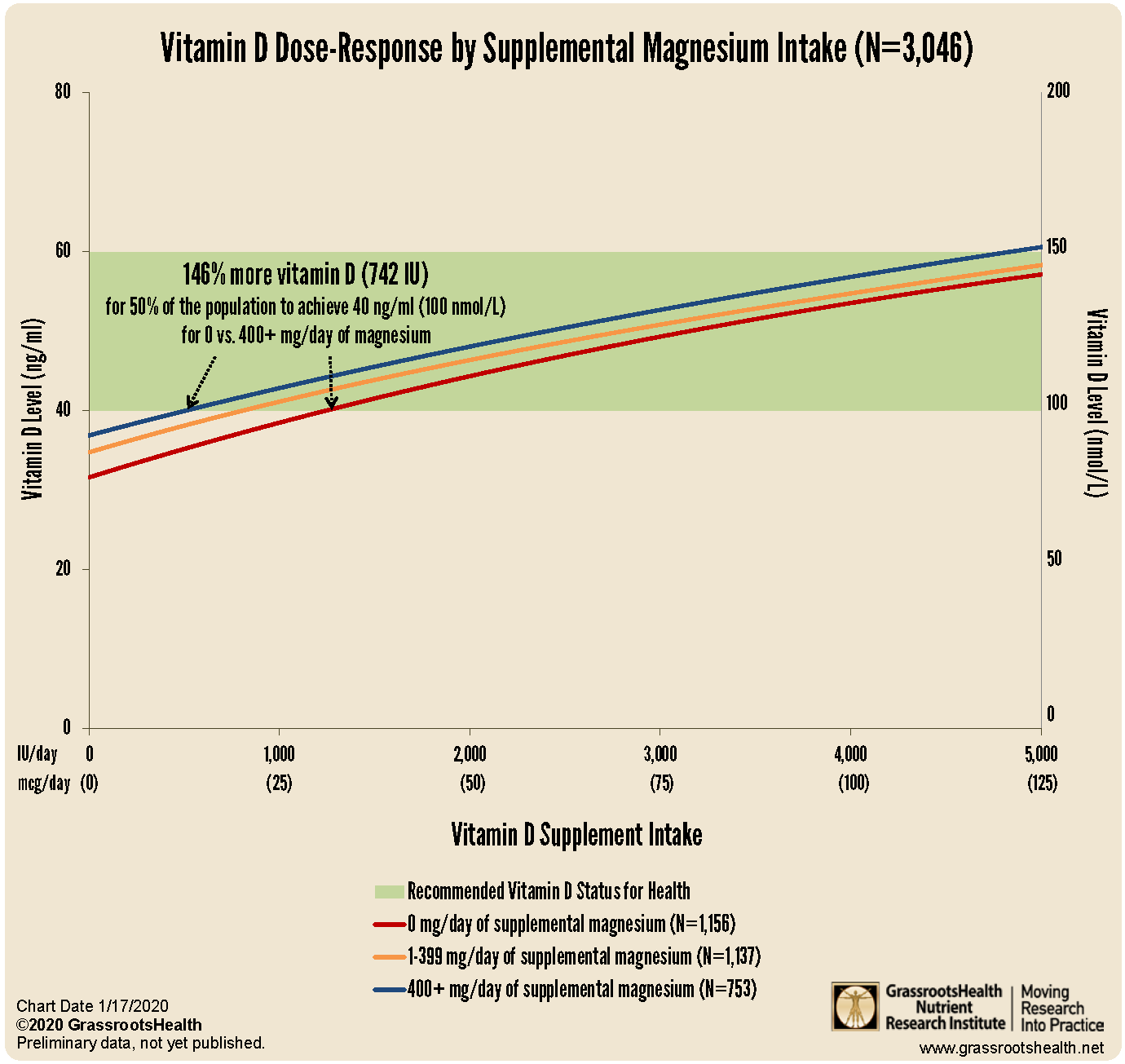
A common observation is deceptively simple: a person increases vitamin D, waits weeks, checks results, and finds that the response is muted. Sometimes vitamin D levels rise only partially. Sometimes they rise, but symptoms remain. Sometimes the labs shift, yet calcium regulation looks unsteady. It can feel like vitamin D is “stuck,” as though it’s missing a key ingredient for activation.
That feeling is not imaginary. Vitamin D is not a single switch; it’s a multi-step pathway. After vitamin D enters the body, it must be converted into active forms, and then it must bind to receptors that regulate gene expression. Each of these transitions is molecularly demanding. Magnesium—an ion that the body uses constantly—turns out to be required in multiple places along the route.
So when people say “magnesium helps vitamin D work,” they are pointing at something deeper than comfort. They are pointing at mechanism. And mechanism, in biology, has consequences you can measure.
Magnesium as the Enzymatic Handrail for Vitamin D
Magnesium is often described as “essential,” but that word can feel generic. In reality, magnesium is the stabilizing handrail for enzymes and nucleic acid processes. Without adequate magnesium, the biochemical machinery that performs vitamin D conversions can run less efficiently.
Vitamin D undergoes activation through enzymatic steps, first becoming 25-hydroxyvitamin D and then converting into its hormonally active form, often referenced as calcitriol. These reactions depend on proper cofactor availability. Magnesium supports the function of enzymes involved in this transformation—and may also influence how vitamin D is transported and utilized.
Think of vitamin D as a message written in a code that requires the right “formatting tools.” Magnesium supplies part of that formatting toolkit. When magnesium is scarce, the message may remain partially untranslated.
The Regulation Triangle: Vitamin D, Calcium, and Magnesium
Vitamin D is famously linked with calcium absorption. But calcium doesn’t operate in isolation. It interacts with magnesium in ways that can affect muscles, nerves, and heart rhythm—systems that are famously intolerant of imbalance.
Magnesium helps modulate calcium’s effects, acting as a functional counterweight. If vitamin D increases calcium absorption without adequate magnesium, the body may experience a kind of tug-of-war at the cellular level. This can show up as muscular tightness, abnormal sensations, or even lab patterns that suggest calcium handling is not optimally balanced.
The magnesium–vitamin D ratio, then, is not merely about raising numbers. It’s about aligning physiological signals so that one nutrient doesn’t “overshoot” while the other can’t keep up.
Where the “Ratio” Idea Comes From—And Why It’s So Compelling
The fascination with a magnesium–vitamin D ratio makes intuitive sense. Humans love paired explanations: if vitamin D matters, magnesium must matter too. But the deeper reason is more elegant. Ratios describe systems. They reflect interdependence.
When a pathway requires multiple inputs, supplementation can feel like steering a boat through a channel. Add only one ingredient and you still drift. Add the right combination and the boat moves where it’s supposed to go. In that sense, the ratio isn’t a superstition—it’s a shorthand for biological balance.
Modern life often stacks the deck against this balance. Diet patterns can be magnesium-poor, stress can increase magnesium losses, and certain medications may affect magnesium status. Meanwhile, vitamin D status may be inconsistent due to limited sun exposure. The “ratio” becomes a lens for recognizing that deficiency is frequently contextual, not standalone.
Signs That Magnesium Might Be the Missing Link
Vitamin D is sometimes marketed as a universal fix, but the body rarely behaves like a vending machine. Clues can suggest that magnesium reserves are not keeping pace.
Possible signals include frequent muscle cramps, restless legs, unusual fatigue, or a sense that “supplement energy” doesn’t arrive as expected. Some people also report that sleep quality changes when magnesium intake increases—even if vitamin D dose stays the same.
None of these symptoms are specific enough to diagnose. Yet patterns are meaningful. If a person experiences partial vitamin D improvement but continues to feel physiologically “under-tuned,” magnesium may help restore cohesion.
What Science Typically Recommends: Targeting Adequacy, Not Extremes
Guidance in nutrient science usually favors adequacy: enough of a nutrient to support normal function, not so much that the body must spend energy coping with oversupply. With magnesium, that principle is especially relevant because magnesium status affects multiple systems.
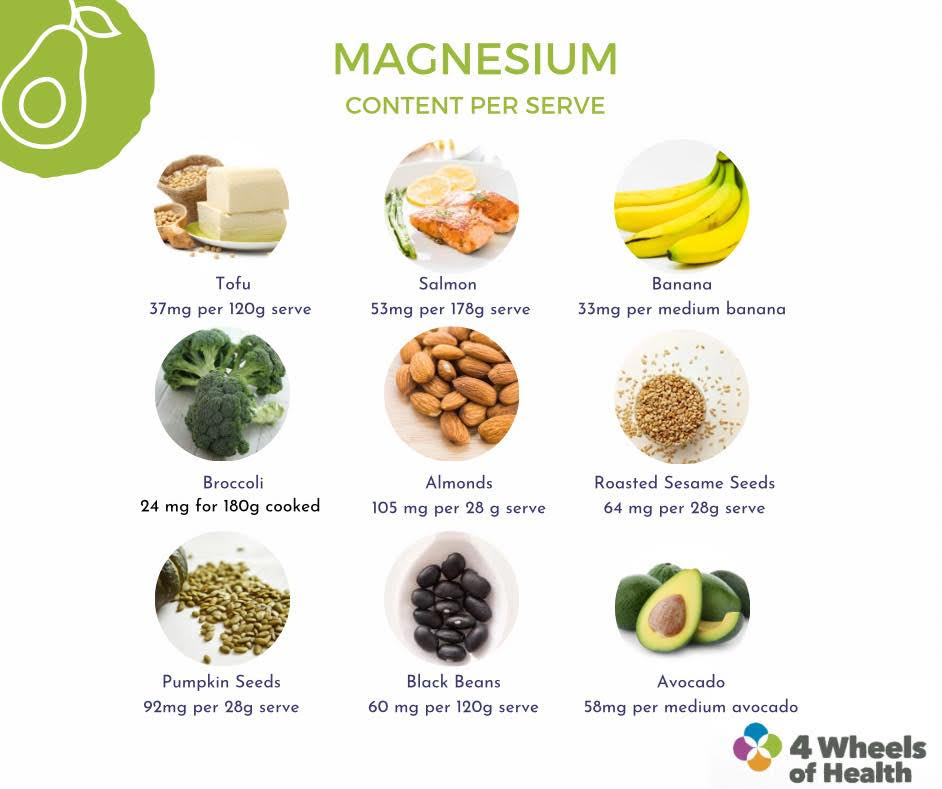
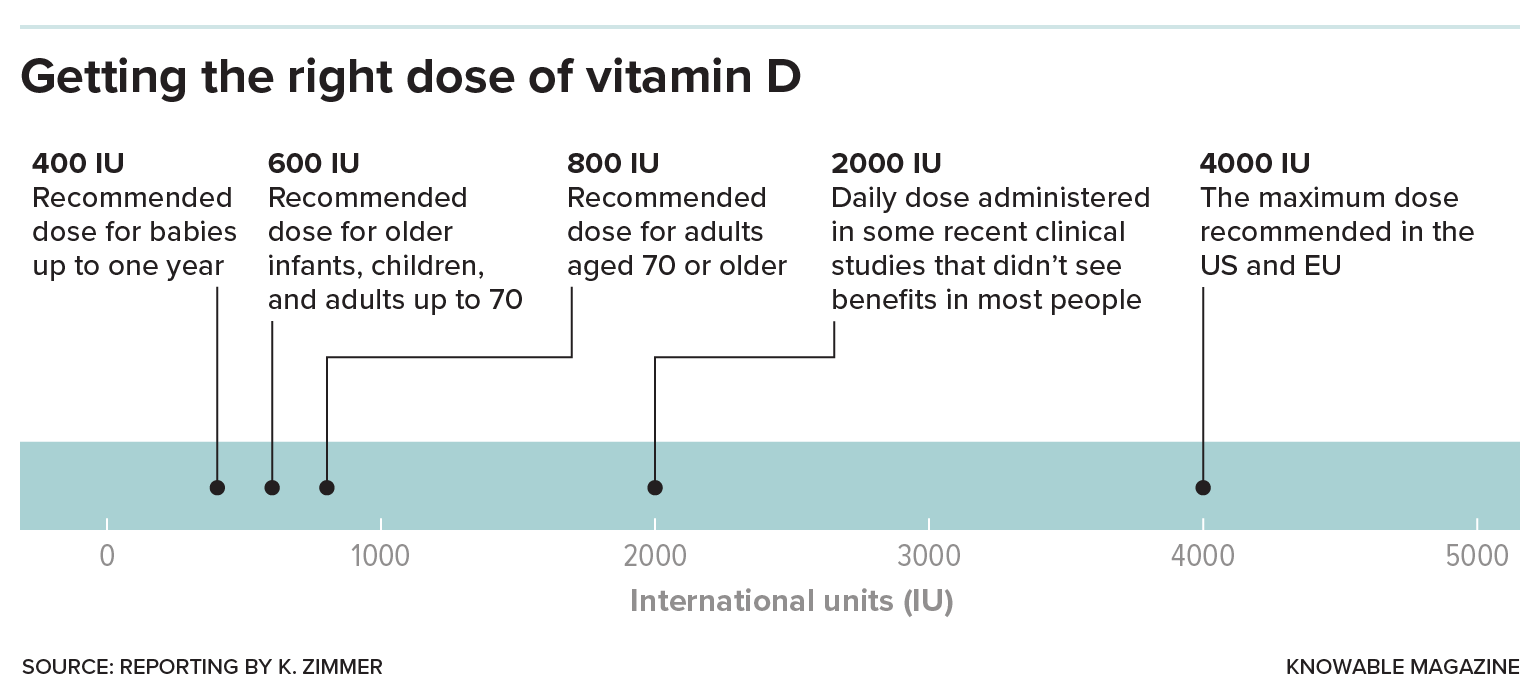
Recommendations often emphasize daily magnesium intake through diet first—leafy greens, nuts, seeds, legumes, and whole grains—then supplementation when dietary intake is insufficient or when labs suggest deficiency. For vitamin D, similar caution applies: vitamin D dosing often depends on baseline level, body weight, and time of year.
When people ask about a magnesium–vitamin D ratio, the most practical interpretation is this: ensure magnesium intake is adequate when using vitamin D strategically. Rather than chasing a single “magic number,” the better strategy is to support the pathway with enough magnesium to allow conversion, receptor function, and downstream regulation to proceed smoothly.
Supplement Strategy: Timing, Forms, and Absorption Reality
Even when two nutrients are compatible, timing and form can alter the outcome. Magnesium comes in multiple formulations, each with different absorption profiles and tolerability. Some forms are associated with greater gastrointestinal comfort than others, while certain types may be preferred when constipation is a factor.
How should vitamin D and magnesium be handled in practice? Many people benefit from taking vitamin D with meals containing fat, since vitamin D is fat-soluble. Magnesium can be taken later in the day or split across doses to reduce digestive side effects for sensitive individuals.
Short sentences often help here: consistency matters. Labs matter. Symptoms matter. The best results usually come from a plan that respects physiology rather than rushing toward maximal dosing.
Monitoring and Safety: The Importance of Lab-Informed Decisions
“More” is not always better. Vitamin D metabolism intersects with calcium balance, and magnesium status interacts with neuromuscular function. For these reasons, monitoring is a rational safeguard.
Clinicians often look at vitamin D status through serum 25-hydroxyvitamin D and may consider markers that reflect calcium homeostasis if there are concerns. For magnesium, blood levels do not always tell the whole story, but they can still provide useful information when interpreted alongside clinical context.
If someone has kidney disease or takes medications affecting mineral balance, professional guidance becomes essential. The body’s ability to handle minerals is not uniform. Safety is not an afterthought; it’s part of the science.
Learning to Think in Pathways: The Deeper Fascination
The magnesium–vitamin D ratio captivates people because it breaks the illusion of isolated nutrients. It reminds us that metabolism is a network, not a chain of independent parts. Magnesium isn’t merely “helpful” in the casual sense. It’s embedded in enzymatic steps and regulation loops.
Once that perspective takes hold, supplementation becomes less like guesswork and more like deliberate systems engineering. You’re not stacking pills; you’re supporting a cascade. You’re reducing friction between components. You’re trying to let the body’s own architecture do its work.
And that’s the quiet beauty of this topic: science reveals not only what to take, but why the body resists simplistic fixes. Magnesium and vitamin D aren’t competing plotlines. They’re co-authors of the same biological story.

A Practical Takeaway: Build the Ratio by Supporting the Pathway
If you remember one idea, make it this: vitamin D works best when the enabling environment is present. Magnesium is frequently one of the most overlooked contributors to that environment. Rather than searching for a rigid ratio etched into stone, aim for magnesium adequacy while pursuing vitamin D in a lab-informed, symptoms-aware way.
When both nutrients are supported, the body can convert, regulate, and respond with less friction. That is how a “common observation” becomes a coherent explanation—and why the magnesium–vitamin D relationship continues to feel so compelling.