Vitamin D is often discussed as if it were merely a “bone vitamin,” yet its real role is more orchestral: it tunes the body’s calcium symphony. When vitamin D levels fall out of an optimal range, calcium absorption can become sluggish, signaling the parathyroid glands to work overtime. Over time, this can influence bone mineral density, muscle performance, and even broader metabolic steadiness. The question, then, is not simply whether vitamin D is present, but what “ideal” blood level supports efficient calcium utilization—measured with laboratory precision and interpreted with clinical context.
Why Blood Levels Matter for Calcium Utilization
Your blood level of vitamin D—most commonly quantified as 25-hydroxyvitamin D (25(OH)D)—functions like a reservoir indicator. Unlike 1,25-dihydroxyvitamin D, which fluctuates rapidly, 25(OH)D reflects the vitamin D status that underwrites calcium handling. Calcium absorption in the intestine depends on vitamin D–induced synthesis of calcium-binding proteins. If the bloodstream holds too little 25(OH)D, those intestinal mechanisms may not achieve full efficiency.
Calcium utilization also involves endocrine feedback loops. Low vitamin D can reduce calcium absorption, nudging parathyroid hormone (PTH) upward. Elevated PTH encourages calcium to be reclaimed from bone, a process that may help in the short term but is suboptimal long term. An ideal blood level of vitamin D is therefore the one that helps keep PTH in a healthier, less compensatory range—supporting bone integrity and metabolic calm.
Defining the “Ideal” Range: A Practical Interpretation
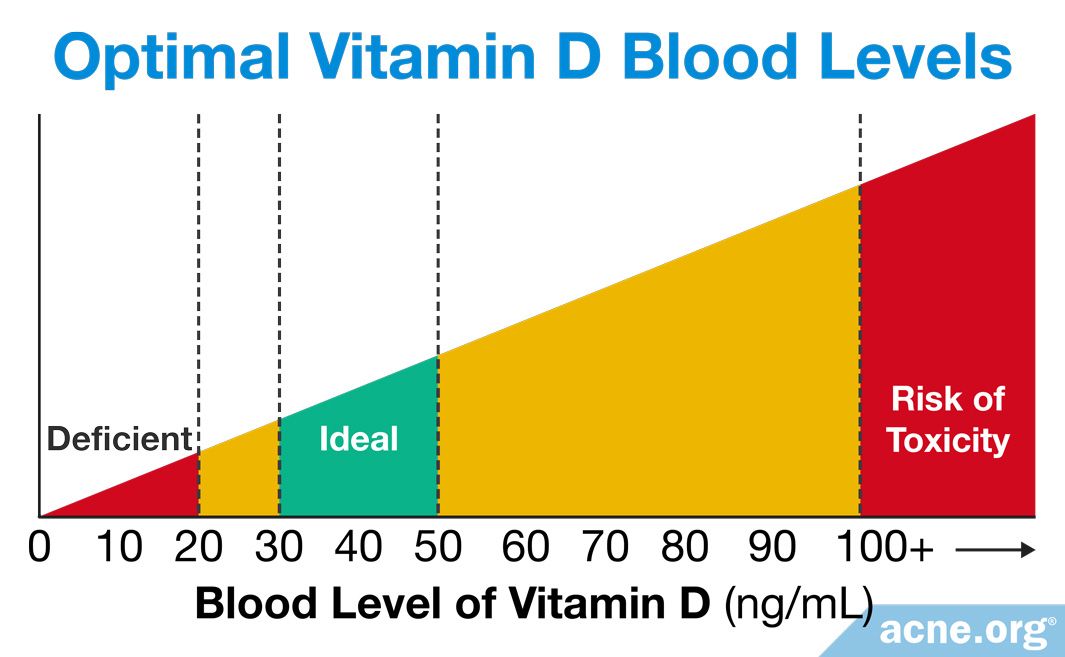
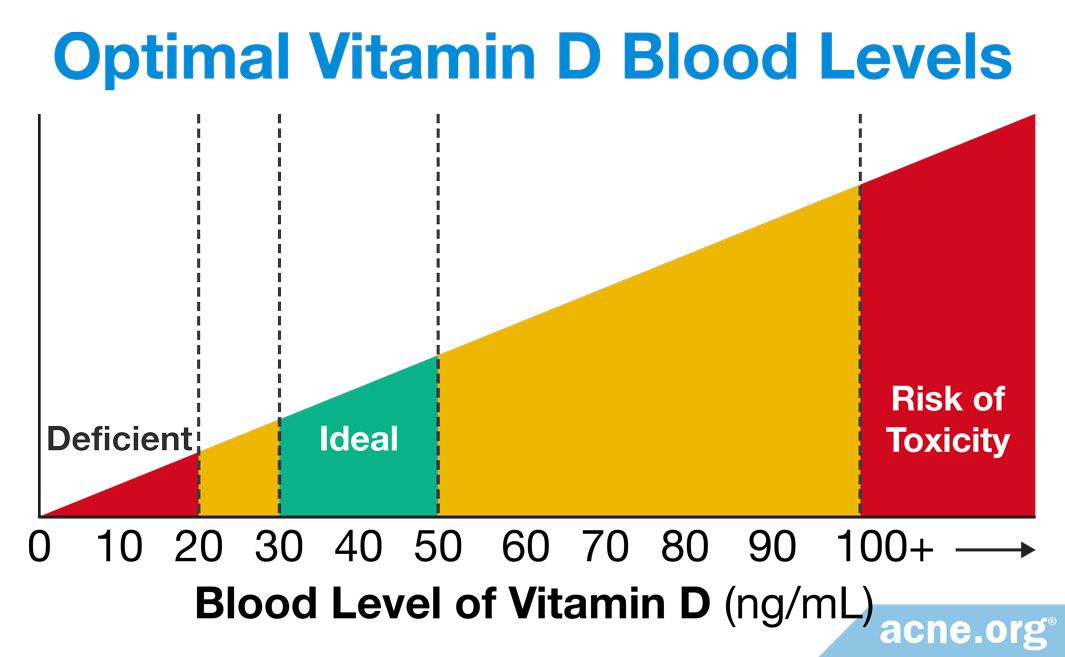
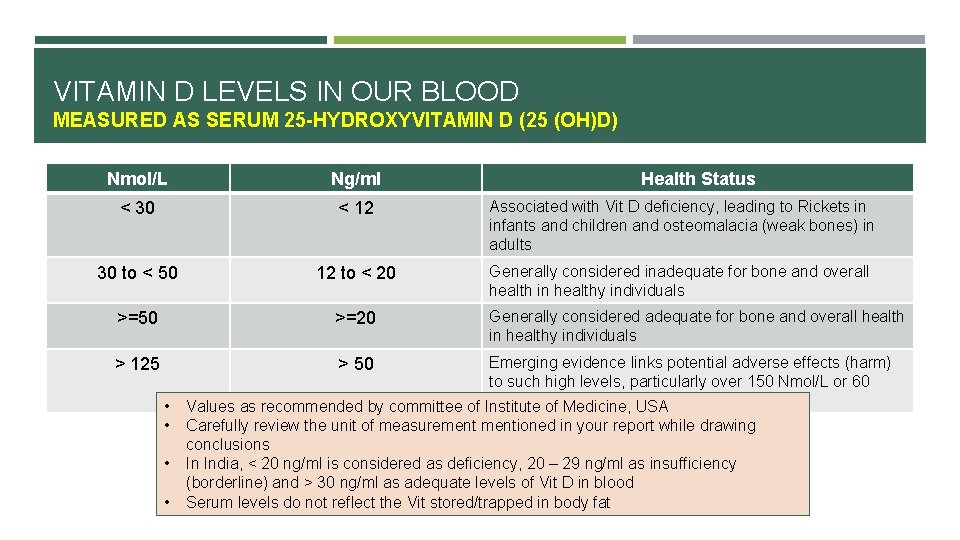
There is no single universal number that fits every individual perfectly. Still, clinicians often aim for blood 25(OH)D levels that are sufficiently high to saturate calcium absorption pathways without drifting into an unnecessary plateau. Many evidence-informed approaches consider an “adequate” zone starting around 20 ng/mL (50 nmol/L), while an “optimal” target frequently falls in the vicinity of 30 ng/mL (75 nmol/L) and above.
However, “optimal” should be treated like a tailored suit, not a generic template. Factors such as age, skin pigmentation, latitude, dietary calcium intake, body mass index, kidney function, medication use, and sun exposure can all shift what feels optimal for your physiology. Some people maintain excellent calcium utilization at modest levels; others require higher targets due to absorption differences or altered metabolism.
Interpreting Units and Lab Results Without Getting Lost
Most confusion comes from units. In the United States, vitamin D levels are often reported in ng/mL. Elsewhere, labs may use nmol/L. The conversion is straightforward: ng/mL × 2.5 = nmol/L. So a level of 30 ng/mL corresponds to about 75 nmol/L. Understanding the units helps you interpret a result accurately and compare it with clinical targets.
Also consider the lab’s reference intervals. Reference ranges can be conservative, designed to identify deficiency rather than to optimize calcium handling. Your personal “ideal” is best assessed alongside symptoms, calcium intake, kidney health markers, and PTH if available. Short sentences work here because clarity matters: a number is a starting point, not a conclusion.
Bone Health: The Calcium Utilization Outcome You Can Feel
When vitamin D status supports efficient calcium absorption, bones receive a steadier mineral supply. This contributes to better bone mineral density outcomes and may reduce fracture risk in vulnerable groups. The body uses bone as a structural storage system for minerals; vitamin D helps ensure that the “delivery” of calcium is consistent enough to support ongoing remodeling.
Some readers notice that vitamin D optimization is often accompanied by improved muscle comfort and less cramping. While vitamin D is not a muscle nutrient in the same way as magnesium or potassium, its influence on calcium signaling in muscle cells can affect neuromuscular function. The result can be subtle: more resilience, less ache, and better movement confidence.
Immune and Metabolic Effects: Why “Optimal” Can Extend Beyond Bones
Vitamin D receptors appear in many tissues, not only in the skeleton or gut. This matters because calcium utilization is part of a larger cellular choreography. Calcium is a universal messenger molecule involved in muscle contraction, nerve signaling, hormone release, and immune regulation. When vitamin D status improves calcium balance, downstream processes may stabilize.
That said, it’s wise to avoid the trap of expecting one nutrient to solve every problem. Vitamin D is more like a key that unlocks a door—useful, influential, but not a replacement for sleep, protein adequacy, stress management, and a calcium-containing diet. Readers looking for a wider perspective will appreciate that “ideal blood level” is a cornerstone for multiple systems, but not a magic lever.
How Much Vitamin D Do You Need to Reach It?
Targeting an ideal blood level usually begins with dosing strategy. Vitamin D supplements vary in form—most commonly D3 (cholecalciferol) or D2 (ergocalciferol). D3 is often preferred in practice due to consistent results across many populations. Dosing may be adjusted based on baseline 25(OH)D levels, body weight, sun exposure, and comorbidities.
Some people use daily micro-dosing. Others prefer weekly or monthly regimens. The optimal schedule is the one you can maintain reliably, because adherence is a physiological factor. A long sentence can be a warning label here: missing doses can lead to level drift, and drift can reintroduce compensatory PTH elevation.
After supplementation begins, rechecking a blood level after an appropriate interval helps confirm the response. That interval is not identical for everyone, but the concept remains consistent: measure, adjust, stabilize.
Dietary Calcium: The Co-Star of Vitamin D
Vitamin D alone cannot manufacture calcium; it can only improve absorption and regulation of available calcium. Therefore, the ideal blood level of vitamin D depends partly on dietary calcium adequacy. If calcium intake is very low, even robust vitamin D may not fully compensate. Conversely, adequate calcium intake can allow vitamin D to express its full efficiency.
Readers may benefit from practical pairing concepts: vitamin D supports the intestinal transfer; calcium provides the raw material. Think of it as plumbing and water supply. If you optimize only one, the system still limps.
Risks of Too Low and Too High: Finding the Middle Ground
Low vitamin D can lead to impaired calcium absorption, higher PTH, and greater risk for bone demineralization over time. Symptoms are not always dramatic, which is why lab testing is valuable—deficiency can be “quiet” while the body compensates.
On the other hand, excessively high vitamin D levels can raise calcium levels in some individuals, increasing the risk of hypercalcemia and related complications. This is why an ideal range is not synonymous with “the highest number possible.” The goal is a stable, functional level that supports calcium utilization without tipping into overreach.
Who May Need a Higher Target?
Certain populations often require more aggressive correction or slightly higher targets. Higher body weight can sequester vitamin D in adipose tissue, reducing bioavailability. Limited sun exposure—due to skin coverage, indoor lifestyles, or high latitudes—can also increase the demand for supplementation. People with malabsorption conditions may absorb vitamin D less efficiently, requiring longer or higher dosing to achieve the same blood level.
Kidney health can also alter vitamin D metabolism, complicating the relationship between intake and measurable levels. In such cases, clinicians may incorporate additional markers beyond 25(OH)D. The “ideal blood level” then becomes a coordinated target rather than a solitary number.
What Readers Can Expect: Content Types That Help You Act
Some readers want quick certainty: “What should I aim for on my lab?” Others want a narrative understanding: “Why does this number matter to my bones and muscles?” Both are legitimate. A cohesive article should offer multiple lanes of learning, not one-size-fits-all instruction.
Expect practical elements such as:
- Guideline-style targets expressed in both ng/mL and nmol/L for fast interpretation.
- Decision frameworks that connect vitamin D levels with PTH, calcium intake, and risk factors.
- Supplement strategy narratives explaining why dosing schedules differ and why re-testing matters.
- Safety-focused chapters that explain why “more” can be inappropriate.
Short practical takeaways paired with longer mechanistic explanations create confidence. You should leave with both a number to aim for and a system to understand.
Visual Snapshot: Vitamin D Levels and Calcium Guidance
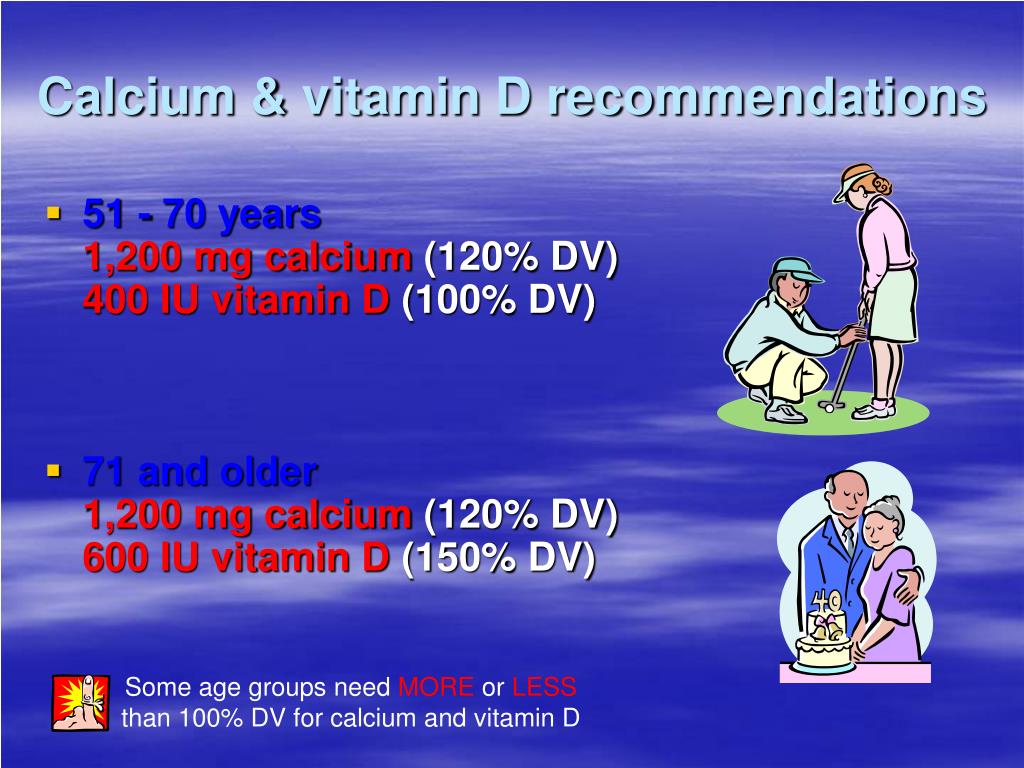
A helpful way to internalize targets is by using visual scales that translate lab numbers into practical interpretation. While charts can simplify complex physiology, they work best when paired with clinical judgment.
A Clear Conclusion: The Ideal Level as a Function of Utilization
The ideal blood level of vitamin D for calcium utilization is best understood as a functional threshold: enough 25(OH)D to support intestinal calcium absorption and reduce unnecessary endocrine compensation. Many people aim for around 30 ng/mL (75 nmol/L), while adequacy often begins at 20 ng/mL (50 nmol/L). Yet the true “ideal” depends on the surrounding context—calcium intake, PTH behavior, kidney function, body composition, and absorption efficiency.
In the end, the healthiest approach is measured and adaptive: test thoughtfully, interpret holistically, and adjust to reach a stable range that supports bones, muscles, and the quiet biochemical work of calcium utilization.