For years, many conversations about Vitamin D have sounded like a debate with two rigid camps: “more” versus “not necessary.” Yet the more closely researchers look, the less the story resembles a simple either-or. It begins to feel—almost paradoxically—like a Goldilocks situation. Not too little to leave bones and immunity undernourished, not so much that the body becomes burdened. In that shifting landscape, one number keeps reappearing in clinical and consumer guidance: 2000 IU daily. The evidence isn’t a single dramatic reveal; it’s a tapestry of biochemical logic, population patterns, and practical supplementation outcomes. And if you pause long enough, the recommendations start to read less like prescriptions and more like a carefully reasoned invitation to recalibrate your baseline.
Why “2000 IU” Became a Common Reference Point
Vitamin D is unusual among nutrients. It can be synthesized by the skin after sun exposure, stored in fat, and then released gradually. That means the body’s Vitamin D status isn’t just about what you eat; it’s also about geography, seasonality, clothing habits, time outdoors, and even latitude. Many people live in environments where sunlight is insufficient for consistent production, especially in winter months.
In that context, 2000 IU acts like a pragmatic “thermostat.” It’s not a heroic megadose, but it’s also not a token amount. It’s frequently large enough to nudge blood levels upward in many typical situations, without leaning into the riskier territory where monitoring becomes more crucial. Think of it as an adjustment dial rather than a sledgehammer. When you hear experts mention 2000 IU, it’s often because this range repeatedly shows up as a workable middle ground for raising and maintaining serum 25(OH)D—your key circulating marker.
The Role of Serum 25(OH)D: The Body’s Scorecard
Vitamin D status is usually evaluated through serum 25-hydroxyvitamin D, often written as 25(OH)D. This is the scorecard that reflects what your body has available for use. The point is not to chase a vanity number; it’s to understand whether your internal “inventory” is sufficiently stocked for calcium absorption, bone remodeling, muscle function, and a range of immune-related processes.
Many people start with low or borderline levels without realizing it. They may feel perfectly fine, yet the biochemical scaffolding is quietly strained. A daily dose of 2000 IU can help replenish that inventory in a way that’s steady and predictable. Short-term spikes aren’t the goal; gradual accrual often aligns better with how Vitamin D is metabolized and stored.
Bone Health: The Classic Outcome That Refuses to Fade
Most people first encounter Vitamin D through bone health—because that’s where the physiology is unmistakable. Vitamin D supports intestinal absorption of calcium and phosphorus, which are essential for maintaining bone mineral density. When Vitamin D is insufficient, the body compensates. It can maintain blood calcium levels temporarily, but it does so by borrowing from bone, a trade that may leave long-term consequences.
In studies and clinical practice, Vitamin D supplementation—often around 800–2000 IU daily depending on baseline status—has been linked with improvements in markers related to bone metabolism. The narrative often changes from “preventing a deficiency” to “optimizing remodeling.” Bone tissue is living; it’s constantly renewing, and Vitamin D is one of the signals that helps ensure that renewal is balanced rather than depleted.
Here’s the shift in perspective: the question isn’t solely whether Vitamin D prevents a dramatic illness. The question is whether it helps keep the underlying machinery running smoothly enough that problems don’t accumulate silently over years.
Muscle Function and the Grip of Under-Supported Physiology
Bones aren’t the only tissues affected. Vitamin D receptors appear in muscle cells, and insufficient Vitamin D has been associated with impaired muscle performance. The subtle consequence can look like clumsiness, fatigue, reduced stability, or slower recovery after exertion. Sometimes it’s overlooked because aging alone can explain many changes.
What makes 2000 IU intriguing is its compatibility with real-world routine. It’s a dose that many people can actually sustain—without turning Vitamin D intake into a daily “project.” Over time, consistent supplementation may contribute to improved muscle strength and function in those who are low.
Short sentence, long implication: muscles feel the difference.
Immune Modulation: Beyond the Headlines
Immune function is a complex ballet—more like choreography than fire-and-ice battles. Vitamin D participates in immune regulation, influencing signaling pathways and the balance between inflammatory responses. When Vitamin D is low, this regulation may become less precise. The result isn’t automatically “frequent illness,” but there can be a heightened susceptibility or a less coordinated immune response.
The evidence here can feel tangled because immune outcomes are influenced by sleep, nutrition, stress, hygiene, baseline health, and pathogen exposure. Still, Vitamin D sufficiency is widely considered a foundational element. The logic is simple: if a nutrient acts as a regulator, under-supply tends to be unhelpful—even if it’s not the only determinant.
2000 IU daily is often positioned as a supportive baseline—an attempt to ensure the immune system has the regulatory substrate it needs, rather than treating Vitamin D as a stand-alone shield.
Population Patterns: A World With Too Little Sun
In many countries, sunlight exposure is inconsistent. Even those who go outdoors may not receive sufficient ultraviolet B (UVB) for Vitamin D synthesis, depending on season, skin pigmentation, sunscreen habits, time of day, and latitude. Urban lifestyles add another layer: indoor hours, shorter daylight in winter, and fewer opportunities for unfiltered sun.
What emerges from population studies is not a single universal deficiency level, but a recurring pattern—many individuals fall short. That’s why supplementation guidance frequently uses ranges rather than one-size-fits-all commandments.
A dose of 2000 IU sits comfortably within the “correction zone” for numerous people. It’s particularly relevant for those whose labs show insufficiency or whose routines limit sun exposure.
Safety and Practicality: When a Dose Becomes a Plan
A key question is always safety: Can 2000 IU be taken daily without inviting toxicity? For most healthy adults, 2000 IU is generally considered within a reasonable supplemental range, especially when not paired with high-dose medical regimens. Vitamin D is fat-soluble, so excessive amounts can theoretically accumulate—but typical daily use of 2000 IU is not the same as chronic high-dose overreach.
Still, evidence supports common-sense monitoring for certain groups. If someone has conditions affecting calcium metabolism, uses specific medications, has a history of kidney issues, or is pregnant, professional guidance becomes particularly valuable. Monitoring 25(OH)D (and sometimes calcium) turns supplementation from guesswork into craftsmanship.
The deeper promise: 2000 IU can function as a stable, long-term strategy rather than a short-lived experiment—provided it’s aligned with individual physiology.
How Results Usually Look: Gradual, Not Instant
Vitamin D status doesn’t change in a blink. It rises as stores replenish and as metabolism reaches equilibrium. Many people notice lab improvements over several weeks, though exact timelines vary with baseline levels, body mass, absorption factors, and adherence. This matters because it changes expectations. The goal is not to “feel” Vitamin D within days; it’s to correct an internal deficit that has likely been accumulating for months or years.
A steady dose like 2000 IU daily respects the body’s tempo. It’s a slow rebalancing of biochemical pathways. That slowness can be frustrating for the impatient—but it’s also evidence of thoughtful design: replenishment without chaos.
Choosing a Supplement: Consistency Over Perfection
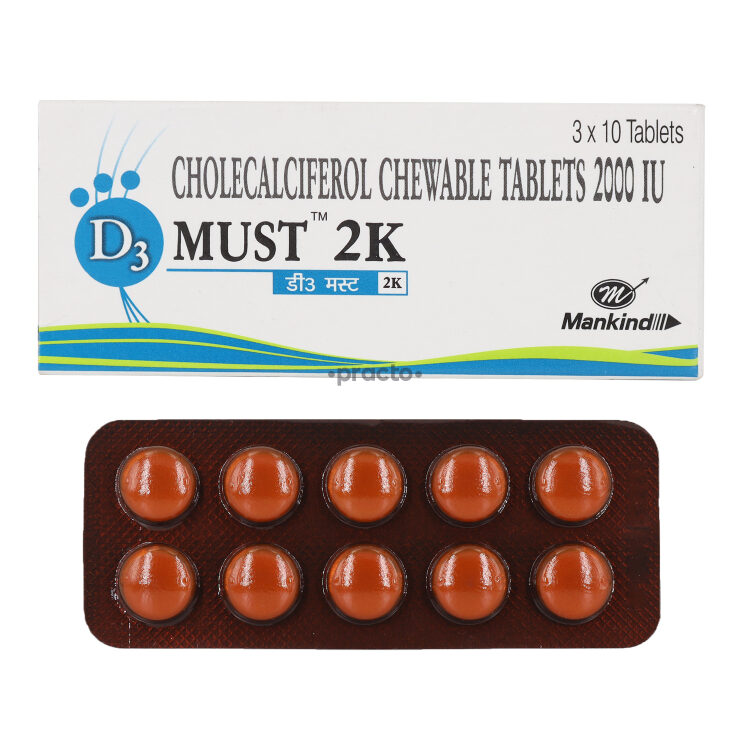
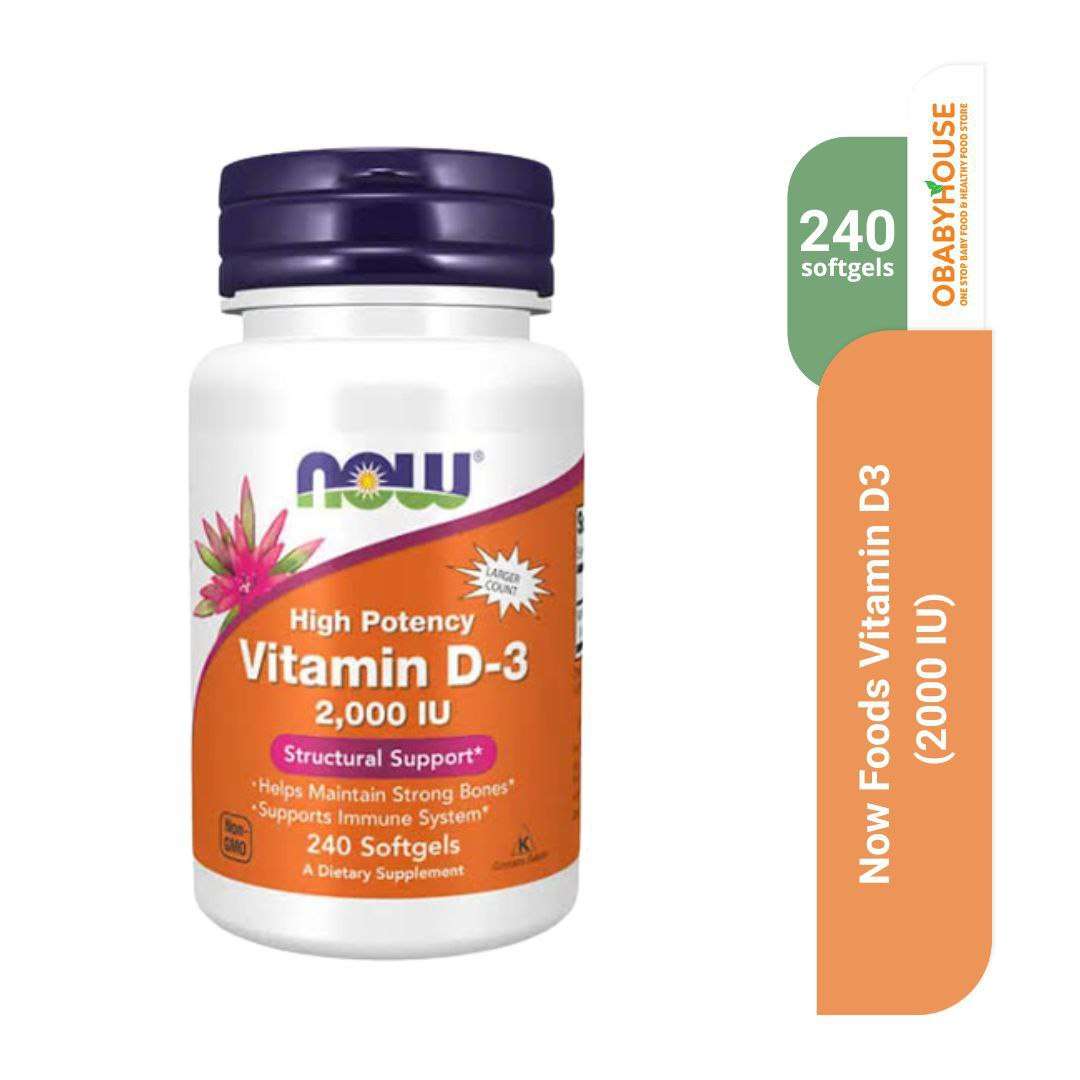
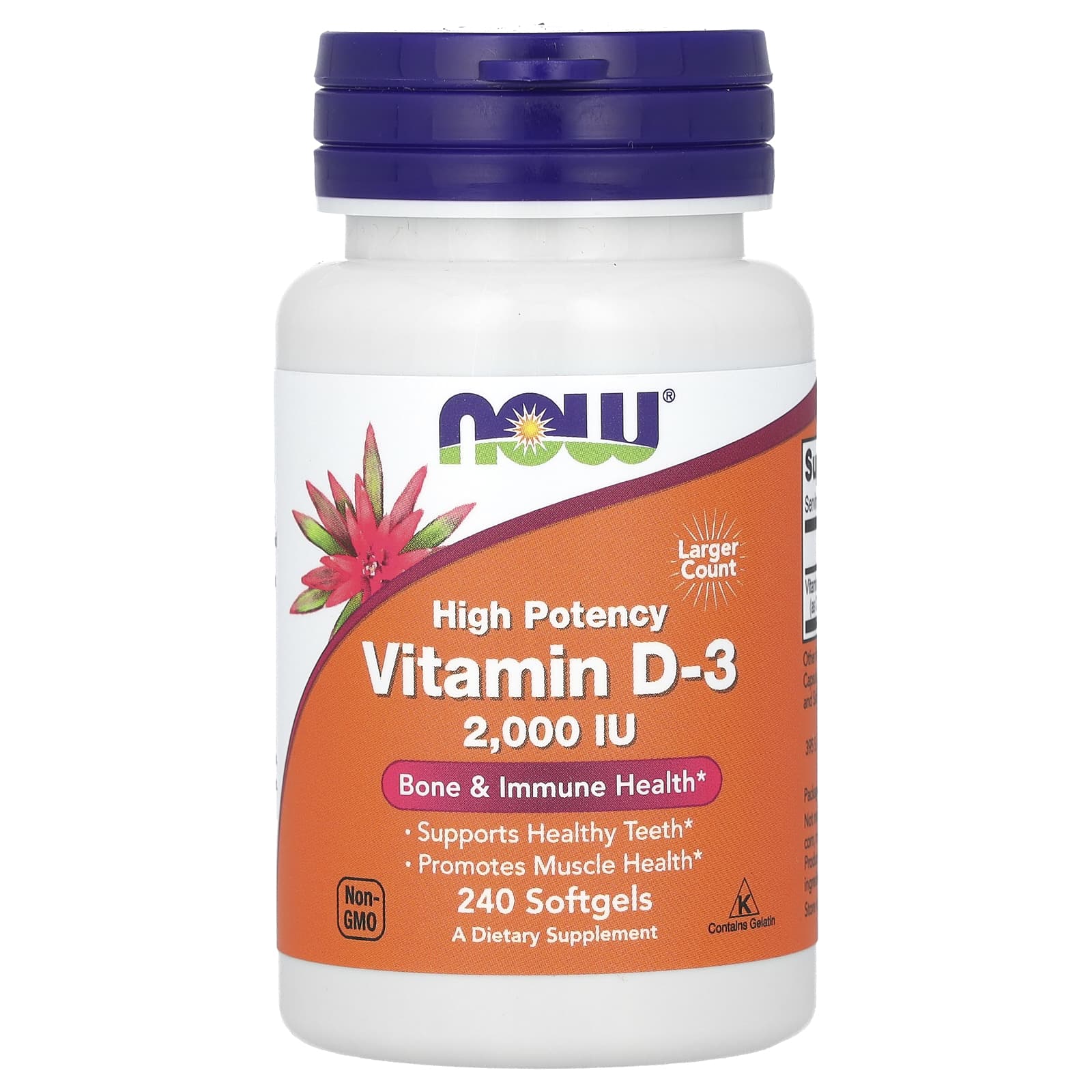
Not all Vitamin D supplements are identical in formulation, but the core ingredient—Vitamin D3 (cholecalciferol)—is often favored because of its role in raising and maintaining serum 25(OH)D. The best supplement is the one you’ll take consistently, with adequate absorption. Taking it with a meal that contains fat can enhance bioavailability for many people.
Consistency is the hidden variable most people underestimate. If the dose is 2000 IU but it’s taken sporadically, the benefits can flatten out. The most persuasive strategy is often boring: choose a reputable product, take it regularly, and align the plan with personal lab results when feasible.

A Shift in Perspective: From “Is It Worth It?” to “What Would It Improve?”
Instead of asking whether 2000 IU is universally perfect, a more illuminating question is: What would better Vitamin D sufficiency enable in your specific life? Better bone resilience as you age. Potential improvements in muscle function and stability. More reliable immune regulation. And—perhaps most importantly—peace of mind rooted in measurable physiology.
2000 IU daily is not a magical number. It’s a frequently recommended starting point that balances biological plausibility with real-world tolerability. It’s the kind of recommendation that becomes convincing not because it promises everything, but because it aims at a foundational deficiency that many people unknowingly carry.
And once you adopt that lens, the recommendation starts to feel less like a trend and more like a quietly strategic choice—one that lets your body do what it was built to do: maintain balance, renew tissues, and keep its systems appropriately calibrated.