Depression can feel like a dim room that never quite fills with light. Vitamin D—often nicknamed the “sunshine vitamin”—has long been studied for its potential role in mood, neurochemistry, and resilience. When people ask, “Which vitamin D is better for depression: D3 or D2?” they’re really asking a deeper question: which form is more likely to support the biochemical pathways that help the brain function with steadier neurotransmitters and calmer inflammatory signaling?
Vitamin D’s Mood Footprint: Why the Form May Matter
Vitamin D is not merely a nutrient. It behaves more like a hormone precursor, traveling through the body and influencing gene transcription. In the brain and immune system, vitamin D receptors can modulate processes related to inflammation, oxidative stress, and synaptic plasticity. Depression is multifactorial—genetics, sleep dysregulation, stress physiology, and inflammatory load can all intertwine.
Because vitamin D participates in several of those threads, the form (D2 vs. D3) may matter in two ways: (1) how efficiently the body raises circulating vitamin D levels, and (2) how those levels persist long enough to support ongoing signaling. Still, “better” is not an absolute. The best choice depends on baseline status, absorption, adherence, and any clinical factors that affect metabolism.
D2 vs. D3: A Practical Distinction
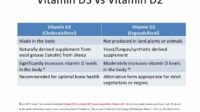
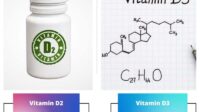
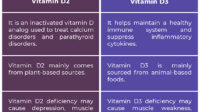
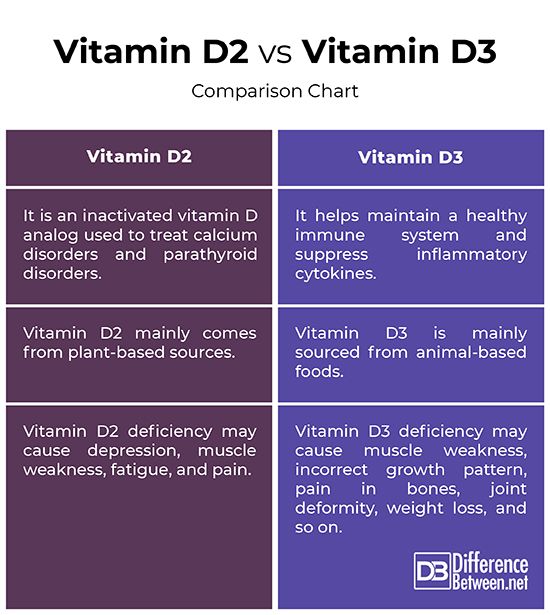
Vitamin D comes in two common supplements. Vitamin D3 (cholecalciferol) is typically derived from animal sources or produced via lanolin/lichen-based processes. Vitamin D2 (ergocalciferol) is often derived from plant or fungal sources.
Despite both being forms of vitamin D, their behavior in the bloodstream differs. D3 tends to show stronger potency in raising and maintaining serum 25-hydroxyvitamin D, the main circulating marker doctors monitor. D2 can still improve levels, but the biochemical “trajectory” may be less robust for many people.

Depression and Inflammation: Where Vitamin D May Intervene
One reason vitamin D is discussed in depression research is its relationship with inflammatory cytokines. Chronic low-grade inflammation can influence neurotransmitter metabolism and contribute to “sickness behavior” that overlaps with depressive symptoms. Vitamin D can help regulate immune signaling, potentially easing inflammatory overdrive.
If a person’s vitamin D status is low, either form could help correct deficiency. Yet the mood-relevant benefit may track more closely with how consistently serum levels are sustained. A stable vitamin D status might offer steadier receptor activation, rather than a short-lived spike followed by a drift downward.
In other words, when depression symptoms are sensitive to biological background conditions, consistent biochemical support becomes more than a detail—it becomes a plausible lever.
Bioavailability and Potency: Which One Raises Levels More Reliably?
Bioavailability is the bridge between taking a supplement and receiving the biological signal. Vitamin D3 is commonly favored because it often increases 25-hydroxyvitamin D more efficiently and maintains concentrations for longer periods. That matters because mood-related pathways may require sustained activation rather than fleeting dosing.
D2 can still be effective, particularly when monitored and dosed appropriately. However, if someone is aiming for the most efficient path to adequate status—especially when starting with low baseline levels—D3 is frequently the more “straight-line” option.
Still, the word “better” must be tempered: individual response varies. Absorption issues, body composition, medication interactions, and genetic differences can all influence outcomes.
Dosage Decisions: How to Think Beyond the Label
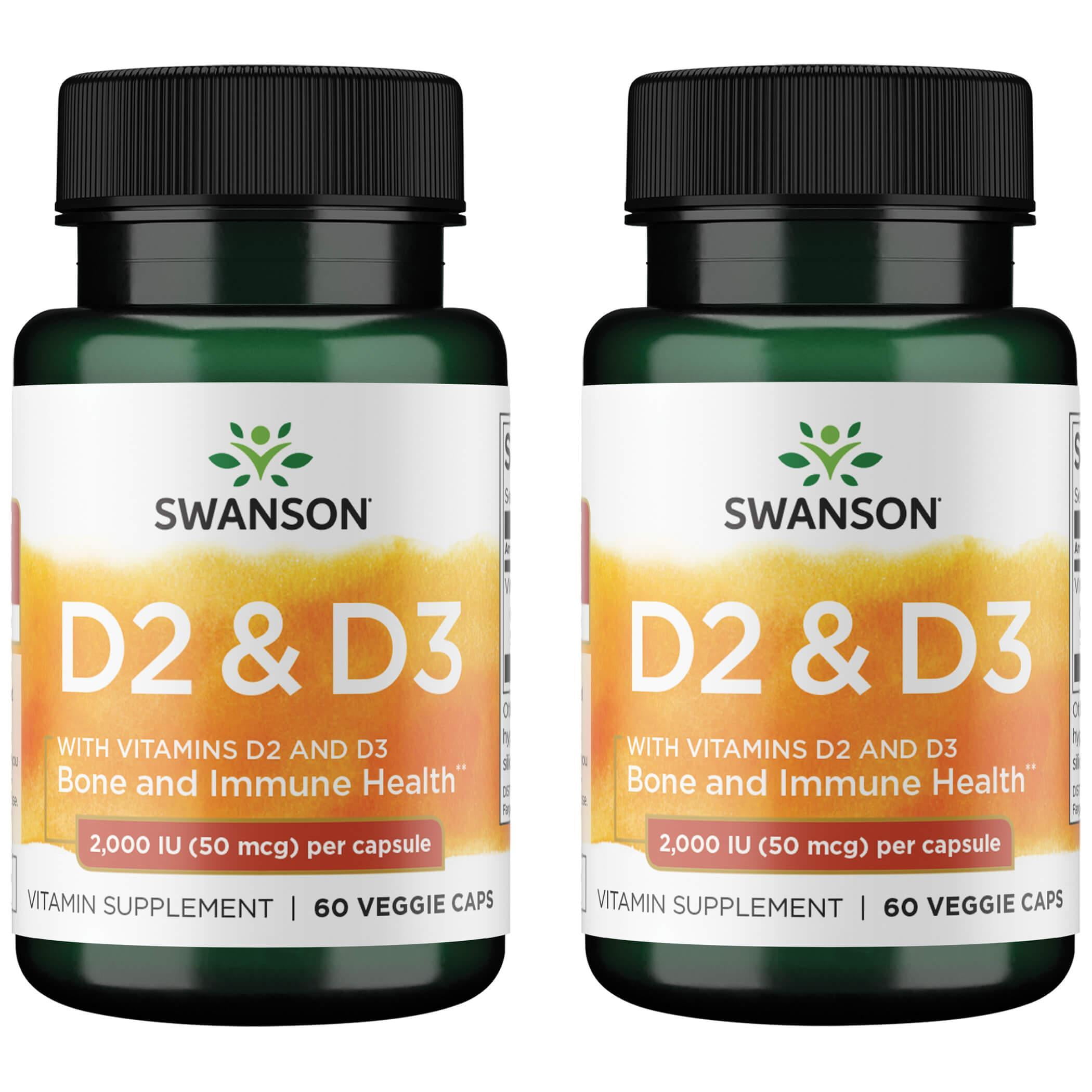
The bottle may show micrograms or international units (IU), but the clinically useful question is whether the dose achieves and maintains adequate serum 25-hydroxyvitamin D. Depression support is rarely about chasing a trendy number; it’s about establishing a biochemical environment where mood-regulating systems can operate without vitamin D-related interference.
Many regimens start with a loading phase for deficiency, then transition to maintenance. D2 dosing often requires careful planning because the potency and persistence may differ. D3 dosing frequently offers smoother maintenance with fewer adjustments, but the “right” schedule depends on how your levels respond.
Consider dosing with your lifestyle in mind: fat-containing meals can improve absorption, and consistent daily or weekly adherence may outperform sporadic “catch-up” behavior.
Time Course and Expectations: When Mood Changes Are Likely
Depression is not a switch that flips instantly. Vitamin D’s impact—if it occurs—may show gradually. Correcting deficiency can take weeks, sometimes longer, especially if baseline stores are significantly depleted. Mood changes, sleep quality, and energy may not arrive on the same timetable as lab improvements, but they can follow the overall biological stabilization.
Short-term supplementation without addressing deficiency status may lead to disappointment. A better expectation is iterative progress: check levels, adjust, and then allow time for neuroimmune and metabolic systems to recalibrate.
Short sentences help here: it takes time. Don’t rush the process. Don’t abandon support prematurely.
Research Lens vs. Real-World Life: What Readers Can Expect
Readers usually encounter two types of content when exploring this topic. The first is laboratory-focused writing—receptor biology, vitamin D metabolism, and inflammatory signaling. The second is lived-experience content—symptom timelines, personal compliance strategies, and practical advice about supplement selection.
A reliable decision comes from combining both. Science explains plausibility. Real life explains whether a plan is sustainable. For depression, sustainability matters because consistent behavior—sleep rhythms, gentle movement, adequate nutrition, and stress reduction—often determines whether improvements last.
So when evaluating D2 vs. D3, look for content that addresses the whole pathway: deficiency assessment, dosing logic, and follow-up measurement. Avoid content that offers certainty without mentioning baseline levels or monitoring.
Plant-Based Preferences and Ethical Constraints
Some people choose D3 or D2 based on dietary preferences. D2 is often perceived as more compatible with vegan or plant-based patterns. D3 is also available in plant-derived forms, such as lichen-based cholecalciferol, which can align with ethical requirements.
If ethical alignment is essential, choose the most appropriate form that matches both values and effectiveness for the individual. Then confirm results with blood tests. Values can guide the selection; biology can guide the adjustment.
In practice, a “best” option is the one that you can take reliably and that actually brings your vitamin D status into an adequate range.
Safety, Interactions, and the “Too Much” Trap
Vitamin D is fat-soluble, meaning it can accumulate. Excess intake can raise calcium levels and create problems ranging from nausea to kidney complications in severe cases. Because depression supplements are sometimes taken alongside other wellness products—magnesium, calcium, multivitamins, and herbal extracts—it’s vital to consider total vitamin D intake across everything.
D2 and D3 are both capable of causing excess if misused. Safety is not exclusive to one form. The difference is how quickly and predictably levels rise for many people. That makes monitoring particularly important when high-dose therapy is used.
If you take thyroid medications, certain anticonvulsants, glucocorticoids, or weight-loss drugs, absorption and metabolism can change. A clinician can help map those interactions into a coherent plan.
Putting It Together: A Balanced Bottom Line for Depression
If the goal is supporting depression through vitamin D-related biology, D3 is often the preferable starting point because it more consistently increases and sustains serum vitamin D levels in many users. Yet D2 remains a legitimate option, especially when D2 aligns with dietary preferences, availability, or affordability—and when dosing is calibrated to measured results.
The most defensible approach is not brand loyalty. It’s lab-guided nutrition: test 25-hydroxyvitamin D, select the form that fits your life, dose appropriately, and recheck after a reasonable interval.
Depression care works best when it’s layered. Vitamin D can be one strand, not the entire tapestry. When supplementation is paired with evidence-based mental health support—therapy, lifestyle structure, sleep optimization, and, when needed, medication—progress becomes more durable.
Action Checklist: Content Readers Can Use Immediately
When deciding between D3 and D2 for depression support, look for content that offers a stepwise plan:
1) Ask whether you’re deficient or near-deficient via a blood test.
2) Choose D3 if you want a commonly stronger, steadier route to adequate levels, unless ethics or other factors dictate otherwise.
3) Take the supplement with a meal containing fat to support absorption.
4) Follow a sensible dosing schedule and avoid stacking multiple products that duplicate vitamin D.
5) Recheck serum levels and adjust thoughtfully, allowing time for mood-related changes.
In the end, depression is not solved by one nutrient. But correcting vitamin D status can be a meaningful background upgrade—one that helps the brain and immune system maintain a more stable, less inflammatory equilibrium.