Timing a vitamin D blood test is more than a scheduling nicety—it’s a subtle way to improve interpretability. Vitamin D does not behave like a simple “morning vs. evening” hormone. Instead, it rides the rhythms of sunlight exposure, hepatic conversion, and peripheral metabolism. When you test at the wrong time, the result can feel like a snapshot taken mid-conversation. When you test at a thoughtful time, the number becomes more like a meaningful paragraph. The best time of day for a vitamin D blood test (circadian) depends on your goals: screening, diagnosis, monitoring supplementation, or investigating unusual symptoms.
Understanding the Circadian Footprint of Vitamin D
Vitamin D is best understood as a chain of events rather than a single instant. Sunlight exposure triggers production of vitamin D precursors in the skin. Those precursors travel to the liver for conversion, then continue to the bloodstream for the formation of 25-hydroxyvitamin D (often reported as 25(OH)D). Because the conversion steps occur over hours and days, the circadian “micro-swing” you might expect from classic day-night hormones tends to be muted for 25(OH)D.
That said, people are not blank slates. Daily behaviors—morning outdoor time, lunchtime light, evening indoor routines—can influence vitamin D status over time. Additionally, factors like meal timing, sleep quality, and inflammatory activity may nudge vitamin D metabolism indirectly. So while the circadian effect on the lab number may be subtle, the practical circadian effect on your personal vitamin D story can be substantial.
The Practical Best Time: Consistency Beats the Clock
For most individuals, the most valuable strategy is not chasing the “perfect” hour, but choosing a consistent collection time. Consistency reduces variability that stems from your routine, absorption patterns, and recent exposure to sunlight. Many clinicians recommend drawing blood in the morning, especially when comparing results across visits.
Morning sampling offers two pragmatic advantages. First, it standardizes fasting status for those who require it. Second, it reduces the likelihood that the test coincides with major schedule changes—late-day outdoor activity, heavy meals, or missed supplement doses. Short sentences matter here: a predictable routine produces cleaner comparisons.
Morning Testing: Why It’s Often the Default Choice
Morning tends to be the default because it aligns with typical clinic workflows and prepares the body for standardized assessment. If you take vitamin D supplements, your timing relative to the blood draw can influence measured levels, particularly when supplements are taken with meals that include dietary fat.
Blood drawn in the morning—before a midday supplement dose or before a substantial meal—often provides a “baseline” reading closer to your day-to-day steady state. This can be especially helpful for people who are monitoring whether a new regimen is working. In narrative terms, morning testing helps you read the chapter before the plot twist.

Afternoon and Evening Testing: When It Can Still Be Reasonable
Testing later in the day is not automatically inferior. The circadian influence on 25(OH)D may be modest, and many people live with real constraints—work schedules, travel, or caregiving duties. If an afternoon or evening test is the only feasible option, it can still be clinically useful.
The key is interpretive integrity. If you take vitamin D with a meal, the timing of that meal relative to the blood draw becomes relevant. A test taken soon after a fat-containing meal can reflect short-term absorption dynamics. This does not necessarily “invalidate” the result, but it can shift the context.
Use a thoughtful rule: if you must test in the afternoon or evening, keep that pattern stable across follow-ups whenever possible. Long sentences can drift; your routine should not.
Supplement Timing: The Hidden Variable in Circadian Testing
For many patients, the most influential timing factor is supplement timing, not time of day. Vitamin D supplements may be taken daily, weekly, or with intermittent dosing. If you take them immediately before the blood draw, the result may better capture “recent dosing impact” rather than longer-term status.
When monitoring, the cleanest comparisons often come from drawing blood at the same interval after your most recent dose. For example, if you take a weekly dose every Sunday morning, drawing blood consistently on the same weekday and relative timeframe (e.g., 4–5 days later) can reduce interpretive noise.
Short and sharp: coordinate the lab draw with the dosing calendar, not just the sun’s position.
Fasting vs. Non-Fasting: What Matters (and What Doesn’t)
Unlike glucose, vitamin D does not require fasting to be “valid” in most settings. Still, the composition of your last meal may influence absorption if you are supplementing. Dietary fat supports the solubilization and uptake of fat-soluble nutrients, including vitamin D.
If you want a result that reflects your baseline status more than meal-related variation, consider drawing blood after an overnight fast or at least before a meal and supplement dose. If your clinician did not request fasting, avoid unnecessary self-imposed restrictions that could create stress. Stress can change behavior; behavior changes sampling conditions.
Why “After Sun” Isn’t the Same as “Before Labs”
People sometimes assume that taking a test soon after sun exposure will show the immediate effect. The biology is more patient. Vitamin D synthesis and subsequent conversion take time. Your bloodstream concentration of 25(OH)D changes gradually, shaped by cumulative exposure and metabolic processing.
So, if you spent the morning outdoors, testing that afternoon may not reveal a quick spike in the lab value you’re expecting. Instead, it contributes to the longer arc. Think of vitamin D as an accountant, not an instant messenger.
Interpreting Results by Timing Context
A number without context can feel like a misaddressed letter. Timing affects interpretation in subtle ways: recent sun habits, supplement adherence, meal patterns, and even sleep consistency. For clinicians, the goal is to integrate these into a coherent narrative that explains not only the level, but the likely reasons behind it.
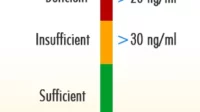
If your test is low, the time of day may matter less than your exposure history and dosing behavior over weeks. If your test is borderline, the timing relative to supplement intake becomes more relevant. If your test is part of ongoing monitoring, consistency across draws often outweighs the exact hour.
Who Should Be Especially Careful About Timing?
Certain groups benefit from deliberate timing choices. People with malabsorption concerns, such as inflammatory bowel disease or celiac disease, may have variable absorption that makes meal timing and supplement timing especially important. Individuals with liver conditions may also experience altered conversion kinetics, where interpretive context matters more than clock time.
Those taking high-dose regimens or participating in supervised repletion should coordinate draw timing with the dosing schedule. Pregnant individuals, older adults, and those with limited sun exposure frequently require serial monitoring, so consistency becomes both a convenience and a scientific advantage.
A Simple Scheduling Playbook for Most Readers
If you want a practical plan that respects real life, aim for a morning blood draw and keep it consistent. If you take vitamin D, note whether it’s taken with food. Try to schedule your test at the same point in relation to your dose and your last meal across follow-ups.
Record the essentials: the date, the approximate time, whether you took your supplement that morning (or the day before), and how your routine looked that week. Those details can transform a single lab result into a meaningful trend. Long sentences are useful for nuance; your lab notes should be crisp.
When to Ask for Guidance (and What to Mention)
If you’re testing due to symptoms, risk factors, or complex medical conditions, it’s worth discussing timing with your clinician. Mention your supplement regimen (daily vs. weekly), whether you take it with meals, and how consistently you’ve been following it. Also mention recent sun exposure patterns—especially if they changed dramatically due to travel or seasonal shifts.
In many cases, the best time of day is the time that improves comparability and reduces guesswork. The number matters, but the storyline matters too.