Sometimes two people receive the same vitamin D advice—yet their laboratory results tell markedly different stories. The discrepancy can feel like an error in measurement, a contradiction in biology, or even a moral of “trust your gut” rather than your bloodwork. But there is a quieter protagonist moving behind the curtain: vitamin D binding protein, often abbreviated as VDBP. When you shift your perspective from “vitamin D as a single molecule” to “vitamin D as a dynamic population of linked states,” the apparent contradictions begin to look less like chaos and more like choreography.
Vitamin D in Circulation: It’s Not One Thing, It’s a Partnership
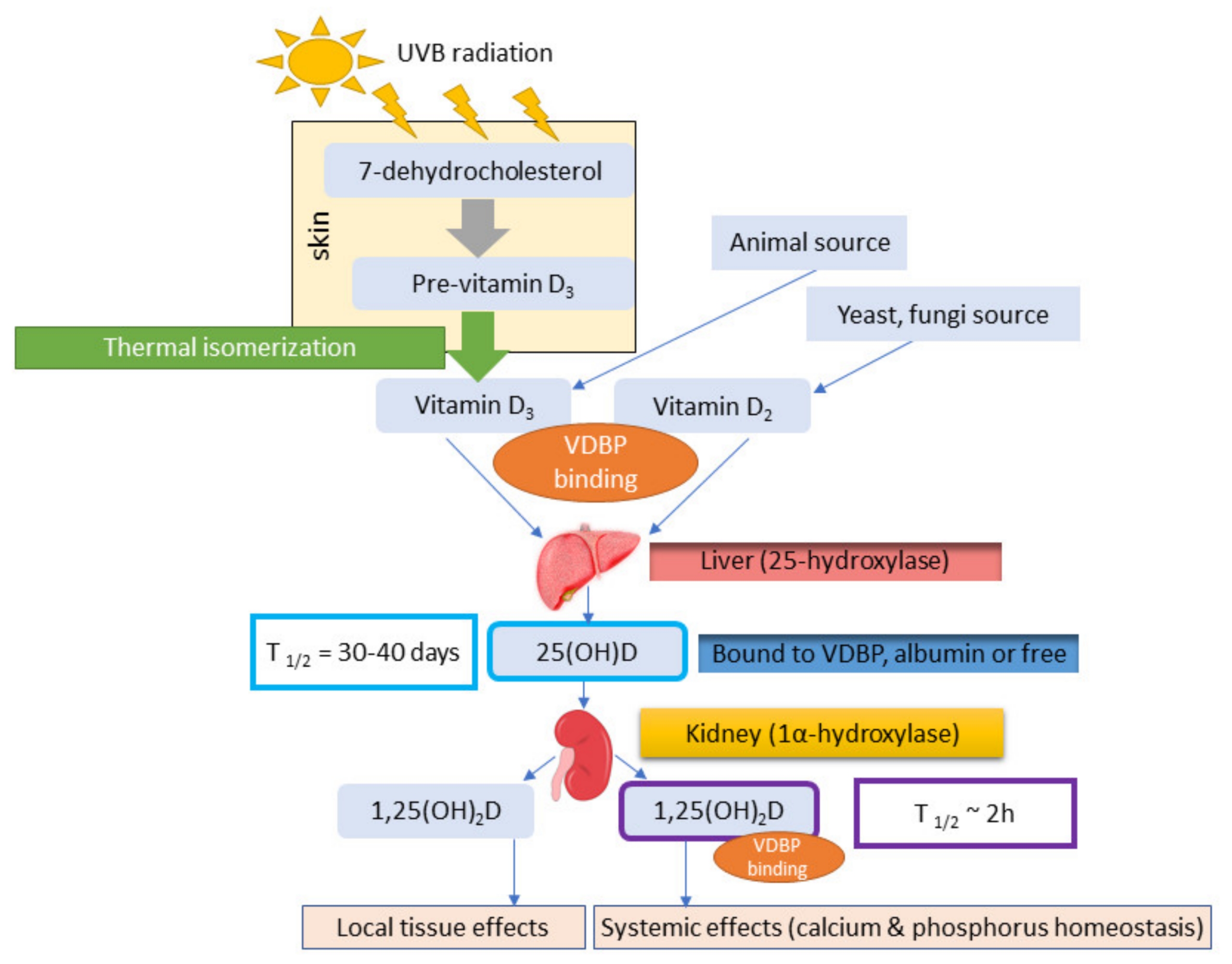
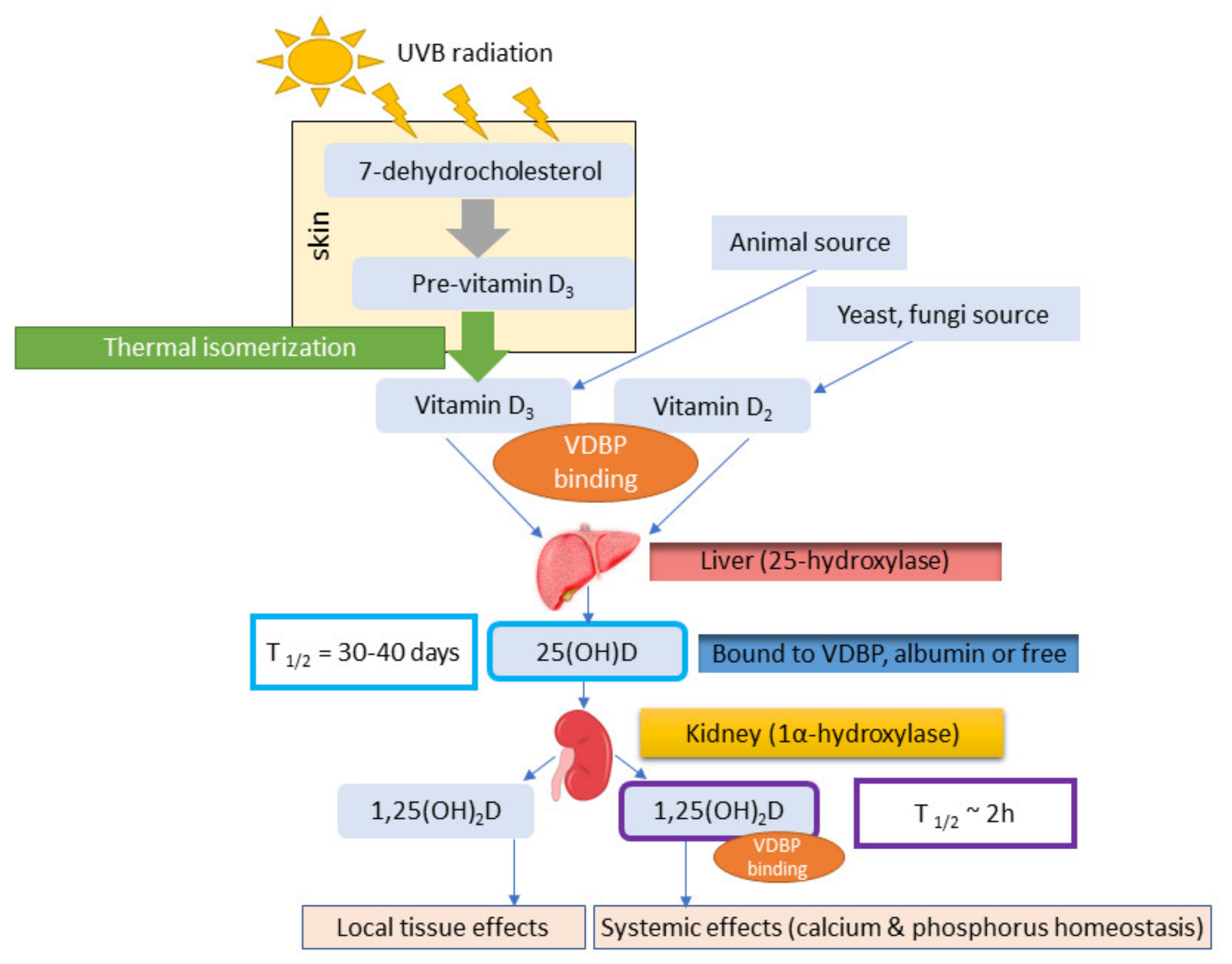
Most discussions of vitamin D focus on circulating 25-hydroxyvitamin D (25(OH)D). Yet in the bloodstream, that metabolite rarely travels alone. A substantial fraction is ferried by VDBP, another portion is bound more loosely to albumin, and a smaller slice remains “free.” Each fraction has distinct biochemical behaviors—some readily available to receptors, others acting as storage or transit.
Now consider the phrase “blood level.” Which blood level is being measured? Laboratories often report total 25(OH)D (the sum of bound and free fractions). But when VDBP expression and binding capacity change, total levels can remain deceptively stable while the functional availability of vitamin D fluctuates. That is how a single test can look clinically “wrong” while the underlying physiology remains consistent.
This shift in viewpoint is the first promise: discrepancies may not be contradictions. They may be different shadows cast by the same molecule.
What VDBP Actually Does: A Molecular Freight Company
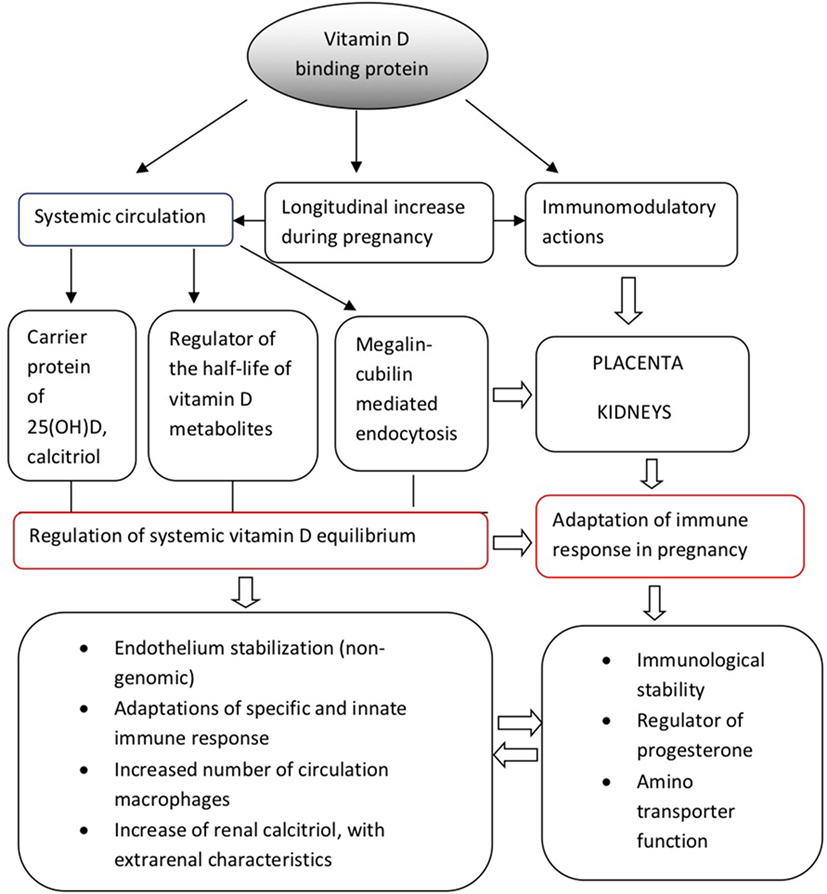
VDBP is more than a passive binder. It is a highly specific transport protein that governs vitamin D metabolite distribution, determines half-life kinetics, and influences how vitamin D reaches tissues. The protein binds vitamin D metabolites with varying affinity depending on genetic variants and the physiological context.
In plain terms: VDBP decides who gets to hold vitamin D and how long they can keep it. When VDBP levels rise or fall—or when its binding properties shift—the “population” of vitamin D states changes. A clinician may see a low total 25(OH)D and treat aggressively, while free vitamin D availability may not be as diminished as the total number suggests. Conversely, a “normal” total value could coexist with lower bioavailable vitamin D in specific conditions.
Short and long sentences can both be true here: total vitamin D may look fine, but the functional fraction may quietly drift.
Why Blood Level Discrepancies Happen: Binding Capacity vs. Laboratory Totals
Discrepancies often emerge when the measured marker (total 25(OH)D) does not perfectly track the clinically relevant driver (bioavailable vitamin D). VDBP concentration, binding affinity, and competition from other proteins all shape how much vitamin D is effectively at hand.
Imagine two patients with the same total 25(OH)D. If one has high VDBP and another has low VDBP, the distribution between VDBP-bound, albumin-bound, and free fractions can differ. The result is that one person’s vitamin D may be “locked in transit,” while the other may have a more accessible pool.
This is where curiosity should deepen: the body doesn’t live by our preferred metrics. It uses binding dynamics, receptor availability, and tissue uptake. VDBP is the variable that can scramble correlations—especially across illness, pregnancy, liver changes, kidney changes, and inflammatory states.
Genetic Variants of VDBP: The Hidden Hand in Affinity and Interpretation
VDBP is polymorphic—its variants can alter binding affinity to vitamin D metabolites. That means two individuals might have similar VDBP concentrations yet different binding performance. Even more intriguing, the same measured total 25(OH)D might correspond to different free (or bioavailable) fractions depending on the underlying VDBP variant pattern.
Here’s the narrative turning point: a blood number is not merely a measurement; it is an emergent property of both vitamin D chemistry and VDBP genetics. When genetic backgrounds differ, “equivalent totals” can be biologically non-equivalent.
That subtle mismatch can help explain why supplementation sometimes appears uneven in its outcomes—particularly in people who respond poorly to standard dosing despite “reasonable” baseline totals.
Physiological States That Rewire VDBP: Pregnancy, Inflammation, and the Liver
The liver synthesizes VDBP. Therefore, any condition that changes hepatic protein production can shift VDBP levels. Pregnancy is a well-known example: VDBP tends to increase, and total 25(OH)D may rise even when the functional relevance is not proportionally improved.
Inflammation also adds texture. In inflammatory conditions, protein binding landscapes can shift. Cytokines influence protein concentrations and hepatic output; oxidative stress can change binding characteristics; and albumin levels may fluctuate. When VDBP participates in these systemic shifts, the total lab value can become a less reliable proxy for functional availability.
Short sentence, long implication: the “same” supplement doesn’t necessarily land the same way in a different binding milieu.
Kidney Function and VDBP: The Cycle of Loss, Rebinding, and Fragmented Clearance
Kidney health affects vitamin D metabolism, and it can also influence VDBP handling. VDBP is filtered and reabsorbed in the renal tubules under normal circumstances; kidney injury can disrupt this process. If reabsorption declines, VDBP (and its bound cargo) may be lost in urine, decreasing circulating levels.
This creates a paradoxical scenario. Someone might have a drop in VDBP and thereby alter bioavailable vitamin D even when total 25(OH)D is variably affected. Depending on the measurement timing and the dominant fraction in circulation, the lab may understate or overstate the clinically meaningful deficit.
VDBP becomes a key interpretive lens: kidney disease is not just a vitamin D metabolism problem—it can also be a transport-protein logistics problem.
Binding vs. “Free” Vitamin D: Why Bioavailability Often Matters More
Free vitamin D is a small fraction, but it often aligns more closely with biological access to receptors and tissue uptake. When VDBP levels are altered, the free fraction may change dramatically even if total 25(OH)D shifts only modestly.
Some assays estimate bioavailable vitamin D using calculations based on VDBP concentration and binding affinity. Others attempt direct measurement. In either case, the central idea remains: VDBP is a steering wheel, not just an accessory.
When clinicians rely strictly on total 25(OH)D, they may miss a mismatch between transport state and functional availability. This is not a minor statistical nuance; it can become a clinical turning point in dosing strategy, risk prediction, and response assessment.
Implications for Treatment: Supplementation Without Blind Spots
Vitamin D supplementation can correct deficiencies, but its apparent effectiveness may vary across individuals. If VDBP dynamics differ, a “standard” dosing plan can yield different bioavailability outcomes. Some people might need higher total replacement to achieve a similar free fraction, while others might require less—or may require timing and monitoring that target functional biomarkers rather than total numbers alone.
A helpful reframe emerges: instead of asking only “What is the total 25(OH)D?” consider asking “What is the vitamin D transport context?” VDBP levels, VDBP genotype, and binding affinity can transform interpretation from static to kinetic.
And yes, curiosity belongs here: the more you understand transport proteins, the less you expect a single number to tell the whole story.
Visualizing the Concept: Fractions in Motion
To make the idea tangible, picture vitamin D metabolites traveling in different compartments—each with different mobility and access. VDBP is the dominant carrier, and changes in VDBP shift how much vitamin D is truly available for action.
Measuring and Interpreting: Toward a More Nuanced Clinical Compass
Laboratory assays are useful, but interpretation becomes more precise when transport dynamics are considered. Discussing VDBP and bioavailable vitamin D can be especially relevant when results conflict with symptoms, when inflammation or liver or kidney disease is present, or when response to supplementation is unexpectedly limited.
It’s not about discarding total 25(OH)D. It’s about treating it as a partially informative map. VDBP adds the terrain details—binding capacity, genetic affinity effects, and context-dependent shifts.
That is the final promise in this narrative: blood level discrepancies may not mean a wrong test. They may mean the test is measuring one chapter of a multi-chapter story—and VDBP is the character that quietly writes the plot twist.
Where the Curiosity Leads Next
The next frontier is not merely “more testing,” but better alignment between measurement and biology. As research expands on VDBP variants, binding affinity changes, and the clinical meaning of bioavailable vitamin D, interpretation can become more individualized. The result could be fewer mismatched assumptions, more precise treatment, and a clearer understanding of why two similar totals can correspond to different realities inside the body.
In the meantime, one principle stands like a lantern: when vitamin D numbers don’t agree with each other—or with how someone feels—VDBP should enter the conversation. Not as a footnote. As a plausible mechanism, a mediator, and a bridge between lab data and lived physiology.