What if your body has been gently (and repeatedly) waving a flag—yet you keep walking right past it? Vitamin D doesn’t just belong to “sunlight vibes.” It’s a quiet biochemical co-pilot that influences bones, muscles, immunity, mood, and even inflammation. In 2026, more people than ever are realizing that deficiency can be sneaky: it rarely announces itself with a single dramatic symptom. Instead, it drifts in like fog, and you adapt without noticing.
Here’s a playful challenge: for the next few minutes, read these symptoms like they’re captions under your own life. Then ask yourself—have you been ignoring any of them for months? If the answer is “maybe,” don’t panic. Just get curious, because recognition is the first lever you can pull.
1) Fatigue That Feels “Habitual,” Not Temporary
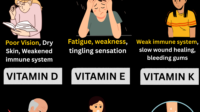
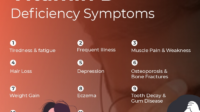
Do you wake up tired, even after enough hours to feel reasonable? Vitamin D deficiency can masquerade as plain exhaustion. The fatigue may be diffuse—like your energy is being siphoned through a hairline crack. Some people describe it as “sluggish,” others as “wired-but-drained.” It’s not always dramatic, but it’s persistent.
Consider this: if your sleep quality is decent and your routine hasn’t changed, chronic fatigue becomes more suspicious. Your body might be struggling with cellular processes that vitamin D helps regulate.
2) Muscle Weakness and Achy, “Unexplained” Pain
Ever notice that stairs feel harder lately, or you feel sore after activities that used to be easy? Vitamin D plays a role in muscle function. When it’s low, muscles may not contract with their usual coordination, leading to weakness, tenderness, or generalized aches.
Some people mistake it for aging or overexertion. Others chalk it up to posture. But repeated muscle discomfort—especially if it clusters around your thighs, hips, or back—can be a clue.

3) Frequent Illnesses or Slower Recovery
If you’re catching colds more often than your social calendar suggests, your immune system might be under-supported. Vitamin D is intertwined with immune regulation—particularly the balance between effective defense and inflammatory overreaction.
You might not get a fever every time. Sometimes the pattern is subtler: longer-lasting sniffles, frequent respiratory irritation, or slow recovery after an infection. In 2026, with crowded commuting and constant contact surfaces, these patterns can be amplified—yet deficiency can tilt the odds.
4) Mood Dips, Low Motivation, or “Blues Without a Reason”
Have you ever felt off-season sadness when the calendar insists it’s fine? Vitamin D receptors exist throughout the brain and nervous system, and low levels have been associated with depressive symptoms in many studies. It’s not a universal cause—nothing biological is that straightforward—but deficiency can be part of the mood recipe.
Notice whether your emotional temperature changes alongside reduced sunlight. If your motivation drops, anxiety rises, or your inner soundtrack turns minor-key during darker months, vitamin D becomes worth checking.
5) Bone Pain or Increased Risk of Stress Fractures
When vitamin D is low, calcium absorption can weaken, and bone remodeling may not keep pace. You could feel bone-level discomfort—an ache that feels deeper than muscle soreness. Some people describe a vague tenderness in the ribs, pelvis, or lower back.
More concerning is the possibility of stress fractures. If you’re more injury-prone during training, sudden lifestyle changes, or repetitive impact activities, a deficiency can be an overlooked contributor.
6) Hair Shedding Beyond Your Typical Baseline
Hair changes are emotionally loud, even if they’re medically nuanced. Vitamin D deficiency has been linked with scalp health and certain hair growth cycles. That doesn’t mean it’s the only culprit—thyroid issues, iron deficiency, stress, and genetics can all play roles.
But if you’re seeing increased shedding combined with fatigue or muscle aches, it’s reasonable to consider vitamin D as one of the detectives at the scene.
7) Slow Wound Healing or Persistent Skin Issues
Your skin is more than a protective shell—it’s an active organ. Vitamin D participates in processes that influence inflammation and immune responses in skin tissue. Low levels may be associated with stubborn skin problems for some people, including flare-ups that don’t behave like typical seasonal irritation.
Wound healing that feels slower than expected—cuts that linger, irritations that refuse to settle—can also point toward systemic factors, including nutritional gaps.
8) Cramping, Twitching, or “Strange” Neuromuscular Sensations
Have you experienced cramps or twitchiness that comes out of nowhere? Vitamin D interacts with calcium and phosphate homeostasis, which can affect nerve and muscle signaling. Some people report tingling, spasms, or cramps that worsen in winter or when outdoor exposure drops.
Important nuance: tingling and cramping can also arise from magnesium deficiency, dehydration, or electrolyte imbalance. Still, vitamin D is a plausible piece of the puzzle—especially when multiple symptoms cluster together.
9) Low Back or Pelvic Discomfort That Keeps Returning
Not all pain is dramatic. Some pain is repetitive. A recurring ache in the lower back, hips, or pelvic region can reflect altered biomechanics—sometimes influenced by muscle weakness and bone metabolism changes linked to vitamin D status.
If your discomfort returns despite consistent stretching and decent sleep, it’s worth investigating internal factors. Your body may be working harder than you realize.
10) Sweating More Than Usual, Especially With Minimal Exertion
This one surprises many people. Vitamin D deficiency has been associated with changes in autonomic function and inflammatory signaling in some contexts, which can show up as “off” sweating patterns for certain individuals. If you find yourself perspiring more easily, or experiencing heat intolerance, it may not be the first thing on your list—but it can join the symptom chorus.
Don’t use this as a standalone diagnostic clue. Use it as a conversation starter with your clinician, especially if paired with fatigue, aches, or frequent illness.
The “Do I Need a Test?” Mini-Decision Tree
So, what should you do in 2026 when symptoms feel scattered? Start by checking the patterns: do symptoms worsen during low-sun months? Are you mostly indoors? Do you have darker skin pigmentation, wear extensive sun protection, or live in a climate with limited UVB exposure? Those factors increase risk.
The most practical next step is a blood test for 25-hydroxyvitamin D. It provides a clearer picture than guesswork. If results are low, clinicians may recommend supplementation and lifestyle adjustments. That could include modest sun exposure, dietary sources (fatty fish, fortified dairy alternatives), and targeted vitamin D dosing.
Also, remember that over-supplementation can be harmful. Vitamin D isn’t a limitless resource. Treat dosing like a precision instrument, not a casual habit.
When to Take Symptoms Seriously
If you experience severe muscle weakness, significant bone pain, frequent falls, or symptoms that escalate quickly, seek medical guidance promptly. Even mild symptoms deserve attention when they accumulate over time. Your body is not being dramatic—it’s being persistent.
Now, return to that playful challenge. Which symptom felt uncomfortably familiar? You don’t have to fix everything at once. But you can stop ignoring the pattern that keeps repeating.
Quick takeaway: Vitamin D deficiency often hides behind “ordinary” complaints—fatigue, aches, mood shifts, and frequent illness. In 2026, noticing the subtle pattern is your best superpower.