Vitamin D deficiency can feel like an invisible weather system: one day the sky is bright, the next, your energy dims, your bones feel less certain, and your body seems to lose a subtle kind of coordination. When physicians talk about treatment, two popular routes emerge—sunlight and supplements. Yet the real story isn’t merely “which is better.” It’s a comparison of two distinct delivery mechanisms: one atmospheric, one pharmaceutical; one poetic, one precise. Think of them as two keys that fit the same lock, though they never turn in exactly the same way.
Vitamin D, the “Sun-Signal” Your Body Reads
Vitamin D is often described as a vitamin, but it behaves more like a hormone-like messenger. When ultraviolet B (UVB) rays strike the skin, a precursor molecule transforms into vitamin D, which then travels through the body’s chemical relay race—first to the liver, then to the kidneys—before becoming the active form that helps regulate calcium absorption, bone integrity, and broader immune signaling.
This is why deficiency can feel both physical and systemic. Bones may ache with a dull persistence. Muscles can feel underpowered. Mood and fatigue may drift into the foreground. The body, in essence, is waiting for a signal it expects to receive—often from sunlight, occasionally from dietary or supplemental sources.
Sunlight Therapy: Nature’s Broad-Spectrum Workshop
Sunlight is the archetype of “whole-spectrum living.” Beyond vitamin D synthesis, outdoor light exposure often comes with a cascade of ancillary benefits: circadian rhythm support, psychological uplift, and lifestyle changes that can indirectly improve nutrition and movement. Even the act of stepping outside can alter behavior—more walking, more hydration, more routine. In a narrative sense, sunlight is not just delivering a nutrient; it’s reshaping the day.
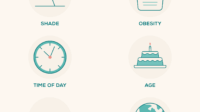
However, sunlight is a messenger with a complicated delivery schedule. UVB intensity depends on latitude, season, time of day, cloud cover, air pollution, skin pigmentation, age, and even sunscreen use. A person may stand in “sun” yet receive minimal UVB. The same hour can be radiantly effective in one city and nearly inert in another.
Moreover, there is risk. Sunlight that overdelivers invites photodamage—wrinkles, hyperpigmentation, and a higher long-term risk of skin cancer. The goal is not to chase warmth; it’s to harvest the specific signal with restraint.

Supplements: Precision Tools in a World of Variable Light
Supplements represent the surgeon’s scalpel in contrast to sunlight’s improvisational melody. They are designed to deliver predictable doses of vitamin D—commonly vitamin D3 (cholecalciferol) for raising vitamin D levels, because of its effectiveness and reliability.
Where sunlight can be inconsistent, supplementation is calibrated. It doesn’t care whether it’s cloudy, wintery, or remote from the equator. It also sidesteps barriers like busy work schedules, limited outdoor time, cultural clothing practices, or mobility constraints. For many individuals, supplements are the practical bridge between measured needs and real-world limitations.
There is an additional subtle advantage: supplements allow clinicians to use laboratory values to guide dosing. If your blood test shows deficiency, a regimen can be tailored—sometimes with a short course of higher dose followed by maintenance. This turns deficiency treatment from a guessing game into a measured plan.
Metaphor Check: Sunlight as Weather vs Supplements as Engineering
Imagine sunlight as weather. You can plan a picnic, but the clouds decide the outcome. Vitamin D synthesis is similar: you can “be in the sun,” yet the actual UVB content may be insufficient. Supplements, on the other hand, are engineering. A measured amount reaches its destination regardless of the outside mood.
Both approaches can work. The difference is control. Sunlight offers a living, rhythmic relationship with your environment, while supplements offer stable throughput. Some people thrive with the weather model—especially if they live in sunnier regions and can safely spend time outdoors. Others benefit from the engineering model—especially when sunlight exposure is limited or inconsistent.
Safety: Finding Balance Without Overreaching
Sunlight safety often centers on moderation and protection. The skin is both the site of vitamin D production and the target of UV injury. This is why “more sun” isn’t automatically “better.” Protective behavior—such as not burning, using appropriate sunscreen, and choosing times of day that reduce risk—matters.
With supplements, the risk is different: excessive dosing can lead to high calcium levels and associated symptoms such as nausea, weakness, or kidney-related concerns in severe cases. The uncommon twist here is that supplements are generally safe when dosed appropriately, but “appropriate” should be anchored to testing, clinical guidance, and sometimes baseline dietary intake.
In other words, supplements are safer than sunlight when sunlight is overused—but they still require respect for dosage. The safest approach is a plan, not a guess.
Who Should Consider Sunlight First?
Sunlight may be especially appealing for people who can reliably access outdoor time, have a lifestyle that naturally includes daytime exposure, and are able to do so without burning. Younger individuals with lighter skin may convert UVB more efficiently. People with mild insufficiency sometimes respond well to carefully managed sun exposure combined with nutrition.
There’s also a psychological component. Sunlight can act like a gentle metronome for well-being. It helps some individuals feel less tethered to indoor confinement. That matters because adherence—the ability to keep doing the plan—often determines success more than theory.
Who Should Lean Toward Supplements?
Supplements often become the rational default for those with limited UVB access or higher deficiency risk: individuals with darker skin tones (who may require more UVB to produce equivalent vitamin D), older adults, people living at high latitudes, those in winter seasons with limited UVB, and anyone with malabsorption disorders.
Also, supplements are frequently favored when rapid correction is needed based on laboratory results. If a blood test shows significant deficiency, the body may need a reliable input now rather than a seasonal wait-and-see.
Combining Both: A Synergistic Strategy
A hybrid approach can be surprisingly elegant. Think of it as using sunlight for atmosphere and supplements for fidelity. Outdoor time can support circadian rhythms and general wellness, while a supplement can “fill the gaps” when UVB conversion is likely inadequate.
This combo can also improve adherence. Many people find it easier to maintain a routine when it includes both a tangible ritual (daylight exposure) and a quantified tool (a daily dose). The key is to coordinate the strategy with lab results and professional guidance, avoiding double-dosing that leads to unnecessarily high levels.
Beyond Vitamin D: Diet and Lifestyle as Supporting Characters
Vitamin D doesn’t act alone. Calcium, magnesium, protein intake, and overall energy balance influence bone health and how effectively vitamin D can contribute to physiology. Some foods—fatty fish, fortified dairy or plant alternatives, egg yolk—provide additional support, though diet alone often struggles to correct marked deficiency.
Lifestyle matters, too. Weight-bearing exercise sends mechanical messages that help bones adapt. Even posture and strength training can complement vitamin D’s biochemical roles. In this broader plot, vitamin D is the conductor, but muscles and nutrition are the orchestra.
Measuring Progress: The Role of Testing
Because deficiency is defined by blood levels, follow-up testing is the clearest compass. It confirms whether treatment is working and whether dosing needs recalibration. It also helps distinguish between true deficiency, borderline insufficiency, and other causes of symptoms.
The narrative becomes clearer with numbers. A plan should not end at “take something.” It should evolve toward “levels normalized, symptoms improved, maintenance established.” That’s how a temporary intervention becomes a durable health strategy.
Choosing Your Path: An Individualized Decision
Ultimately, the question “sunlight or supplements?” isn’t a duel; it’s a selection based on access, safety, and biology. Sunlight can be a vibrant companion—imperfect, variable, and deeply human. Supplements can be a steadfast ally—precise, consistent, and medically manageable.
For many, the winning approach is not absolute. It’s calibrated—sunlight where safe and feasible, supplements where measurement and opportunity demand certainty. When the body finally receives its missing signal, the transformation can feel like sunrise behind the ribs: gradual at first, then unmistakably present.