Semaglutide enters the body like a discreet conductor, nudging metabolism toward a more disciplined rhythm. Yet weight loss isn’t a single instrument—it’s an orchestra of hunger hormones, energy expenditure, sleep quality, gut signaling, and nutrient adequacy. In that orchestra, vitamin D is a familiar soloist: sometimes loud, sometimes overlooked, always worth examining. Can taking vitamin D sharpen semaglutide’s momentum? The question feels deceptively simple, like asking whether a single beam of light can brighten an entire stage. But in biology, illumination often works indirectly—through immune signaling, muscle function, and metabolic “weather patterns” that change how fat stores behave.
Semaglutide and the “thermostat” model of weight loss
Semaglutide—often described through its appetite-modulating effects—can be understood as a metabolic thermostat. When it dampens hunger signals and slows gastric emptying, you tend to eat less without relying on sheer willpower. Still, the body adapts. Over time, weight loss can plateau because the body seeks equilibrium. This is where nutrient status becomes more than background noise. If vitamin D insufficiency is present, you may be missing a crucial cofactor for downstream processes that influence energy handling and physical capacity.
Imagine your metabolic rate as a fireplace. Semaglutide reduces the amount of fuel entering the room (calories). Vitamin D, if lacking, is like dry kindling that never catches—so even when the room is supplied with less fuel, the flames don’t reach their brightest, most efficient intensity. The question is not whether vitamin D “replaces” semaglutide. It’s whether vitamin D helps the system operate closer to its designed efficiency.
Vitamin D’s metabolic backstage: why it could matter
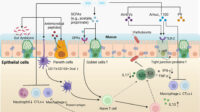
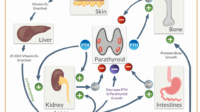
Vitamin D is often framed as a bone nutrient, but it also behaves like a hormone-like regulator. It influences gene transcription, immune modulation, and cellular signaling pathways—some of which intersect with insulin sensitivity and inflammation. When vitamin D status is low, the body may experience a subtle shift toward metabolic friction: more inflammatory signaling, less smooth glucose handling, and reduced capacity for muscle maintenance.
Weight loss isn’t only about calories; it’s also about what your tissues are doing with those calories. A person with vitamin D insufficiency might find that workouts feel harder, fatigue creeps in faster, and recovery is slower. Those factors can indirectly reduce the physical activity that supports semaglutide’s appetite effects.
In this metaphor, semaglutide changes the “volume knob” on intake. Vitamin D may influence the “quality of the sound”—how effectively the body converts movement into metabolic benefit and how resilient it remains during the weight-loss process.
Body composition: the muscle-luxury argument
One of the more intriguing aspects of weight loss is how often it can “spend” muscle along with fat. Preserving lean mass improves long-term outcomes because muscle helps maintain resting energy expenditure and supports functional strength. Vitamin D is associated with muscle physiology, including muscle fiber performance and neuromuscular coordination.
Think of muscle as the engine room of your metabolism. Semaglutide helps you drive less fuel into the system. Vitamin D may help the engine run with fewer misfires. When vitamin D levels are adequate, people may experience better movement quality—walking feels steadier, strength work becomes more tolerable, and balance improves. Those outcomes can make adherence to an exercise plan more realistic, not just theoretical.

Inflammation, immune signaling, and the “quiet storm” effect
Low vitamin D can correlate with a heightened inflammatory environment. Inflammation doesn’t always announce itself with obvious symptoms; sometimes it’s a “quiet storm” that changes insulin dynamics and tissue sensitivity. Semaglutide can help reduce metabolic stress by improving appetite regulation and possibly influencing glucose control. If inflammation remains elevated due to insufficient vitamin D, the system might not fully exploit semaglutide’s benefits.
This doesn’t mean vitamin D is an anti-inflammatory drug in the conventional sense. Rather, it may act as a regulatory thermostat for immune behavior—helping the body avoid chronic low-grade turbulence that blunts metabolic flexibility.
When the storm calms, the body can respond more efficiently to movement and dietary changes. In that scenario, semaglutide’s appetite reduction and glucose improvement could be complemented by better tissue responsiveness.
Insulin sensitivity and the “fuel-road” connection
Semaglutide is often associated with improved glycemic control. Vitamin D may play a supportive role in insulin sensitivity. Picture the body as a city with two systems: the “fuel-road” network (how glucose travels and is used) and the “intake gates” (how much food enters). Semaglutide adjusts the intake gates. Vitamin D may help repair or optimize parts of the fuel-road network, allowing glucose to be managed with less chaos.
When glucose is handled more smoothly, energy fluctuations can decrease. That can influence hunger perception, cravings, and energy for physical activity. Short sentence: less metabolic turbulence. Long sentence: fewer ups-and-downs in blood sugar may make it easier to sustain behavioral patterns while semaglutide is guiding appetite.
Timing and dosing: a precision approach, not a guess
If vitamin D is already adequate, adding extra may not noticeably accelerate weight loss. If vitamin D is low, addressing it could remove a bottleneck. The most professional approach is to use testing—ideally measuring 25-hydroxyvitamin D—then choosing supplementation based on results and clinical context.
Dosing strategies vary by baseline level, sun exposure, body weight, and absorption factors. Some people require more aggressive repletion, then a maintenance dose. Others simply need a modest adjustment. Short rule: avoid both extremes—under-supplementation that changes nothing, and over-supplementation that invites toxicity risk.

Side effects and practical compatibility with semaglutide
Semaglutide’s common side effects—such as nausea, constipation, or reduced appetite—shape daily routines. Vitamin D is generally well-tolerated, but it can cause issues at excessive doses (notably hypercalcemia risk). That’s why pairing supplementation with thoughtful dose selection matters.
If semaglutide is causing reduced appetite, vitamin D absorption might still be adequate, but total dietary intake may be lower. This is another reason why lab values and individualized plans are helpful. Long sentence: when eating becomes smaller and more selective, micronutrient adequacy can drift unless supplementation is aligned with needs.
Who might benefit most: clues from common patterns
People more likely to have low vitamin D include those with limited sun exposure, darker skin, older age, malabsorption conditions, or those living in higher latitudes. Individuals with obesity also have a higher prevalence of lower measured vitamin D, often due to sequestration in adipose tissue. If that describes you, vitamin D supplementation might become a more meaningful component of the overall strategy.
Yet biology refuses one-size-fits-all. Some individuals will improve quickly on semaglutide without any vitamin D changes; others may feel stalled or fatigued. In those cases, vitamin D sufficiency could be a hidden lever—small, but capable of shifting the whole mechanism.
Real-world expectations: supplementation as synergy, not a shortcut
The unique appeal of combining vitamin D with semaglutide lies in synergy. Semaglutide can reduce intake and influence metabolic signaling. Vitamin D can support the internal environment where those signals land. Together, they may help a person maintain energy, preserve lean mass, and sustain activity—factors that often determine whether weight loss continues past the early phase.
However, vitamin D is not a magical catalyst that overrides diet quality, protein intake, sleep, and consistent movement. Think of it as a lantern, not a locomotive. The lantern helps you see the path; it doesn’t carry the load for you.
A cohesive plan: testing, nutrition, movement, and monitoring
A thoughtful approach pairs supplementation with lifestyle scaffolding. Start with assessment—vitamin D testing and overall nutritional review, especially if appetite is altered on semaglutide. Ensure adequate protein to protect lean mass. Include resistance training and regular walking to translate metabolic changes into preserved function. Keep hydration steady. Short sentence: small daily consistency wins.
Then, monitor progress not only on the scale. Watch strength, stamina, mood, and recovery. If vitamin D was low, correcting it may improve how your body feels during weight loss—making adherence less exhausting. That, ultimately, can amplify semaglutide’s effectiveness more than any single pill could.
The bottom line: can vitamin D improve weight loss on semaglutide?
Vitamin D has a plausible, supportive role in weight loss during semaglutide therapy—especially for people with low baseline vitamin D. It may help optimize muscle function, reduce inflammation-related metabolic friction, and support insulin sensitivity. These effects are indirect, but they matter because weight loss success depends on more than appetite suppression.
If vitamin D is deficient, supplementation can act like restoring a missing puzzle piece. If vitamin D is already sufficient, the effect may be modest or negligible. The most compelling strategy is individualized: test, supplement appropriately, maintain muscle-friendly nutrition, and pair medication with sustainable movement.