Imagine your body as a well-tuned city at dusk—streetlights flicker on, engines hum, and distant power lines begin to glow. Ozempic nudges the metabolic grid toward steadier throughput, while vitamin D and B12 act like highly specialized workers: one calibrates the rhythm of calcium and immune signaling, the other keeps the nerve-and-energy circuitry from stalling. This is the spirit of an “Energy Stack”—not hype, not shortcuts, but a deliberately orchestrated partnership between medications and nutrition. When done thoughtfully, the combination can feel less like adding supplements and more like restoring coherence to the whole system.
Start With the Core Idea: Energy Isn’t One Switch
People often describe fatigue as if it were a single switch. In reality, energy behaves more like a relay race. One runner is oxygen delivery; another is mitochondrial output; another is neurotransmitter timing; and still another is inflammation balance. Ozempic can help shift appetite signals and metabolic patterns, which may indirectly support energy consistency. Meanwhile, vitamin D and B12 fill specific “infrastructure gaps.”
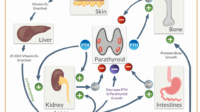
Vitamin D is frequently discussed for bones, yet its influence is broader—think of it as a regulatory conductor for immune tempo and cellular signaling pathways. B12, by contrast, resembles a nerve’s insulation and a cellular logistics manager, essential for red blood cell formation and myelin maintenance. Together, they support the tissues that translate biochemical fuel into usable, lived energy.
The unique appeal of this trio lies in its complementarity: one piece often relates to hormonal and immune modulation (vitamin D), the other to neurological efficiency and blood oxygen handling (B12). On Ozempic, where metabolic changes can sometimes alter dietary intake or absorption patterns, that complementarity can become especially meaningful.
Vitamin D: The “Sunlight Signal” Your Cells Can Read
Vitamin D acts like an interpreter between environmental cues and physiological responses. When levels are low, the body may struggle with immune regulation, musculoskeletal comfort, and general metabolic steadiness. Some people notice a creeping heaviness—less “oomph” on stairs, slower recovery, a muted sense of readiness. It’s not always dramatic. Often it’s subtle, like fog settling into the joints.
If you’re using Ozempic, the question becomes not whether vitamin D matters, but whether your current vitamin D status is aligned with your goals. Many clinicians prefer verifying levels through a blood test (commonly 25-hydroxyvitamin D) before committing to long-term dosing. That approach helps avoid the common pitfall of “guess dosing,” where the supplement becomes a blindfold rather than a compass.

B12: The “Electrical Wiring” Behind Your Feel-Good Output
Vitamin B12 is where energy can become surprisingly tangible. It supports red blood cell production and helps maintain myelin, the protective insulation around nerves. When B12 is insufficient, the consequences can include fatigue, brain fog, and sometimes tingling or numbness. It’s like trying to power a device with frayed cables: the system may still run, but efficiency drops and errors multiply.
With Ozempic, dietary patterns may change, and absorption can be influenced by age, gut factors, and individual medical history. That’s why B12 deserves a more intentional stance than a casual multivitamin. Some people benefit from periodic monitoring of B12 and related markers (such as methylmalonic acid or homocysteine, depending on clinical practice). Others rely on symptom awareness. Ideally, you combine both—data and lived experience.
The unique appeal here is the “neurological clarity” angle. Many people don’t merely want to feel energetic; they want the energy to feel usable—clean, focused, and steady rather than jittery or fragile.
Ozempic and the Energy Stack: How the Pieces Interlock
Ozempic works primarily by influencing appetite and glucose regulation, which can indirectly change your daily intake and metabolic demands. If you reduce calories, your body still needs essential micronutrients at the right levels. Think of it like narrowing a river while expecting the same irrigation channels to run dry-free. That’s where targeted supplementation can matter.
Vitamin D and B12 can help ensure the “downstream machinery” keeps functioning as your metabolic flow changes. Vitamin D supports cellular signaling and musculoskeletal comfort, while B12 supports oxygen transport and nerve function. When both systems cooperate, people often describe a more cohesive energy—less “random crash,” more “arrive and proceed.”
Still, the Energy Stack should not become an autopilot. The body’s response is individual. Some people feel better quickly; others need time for lab values to normalize and for tissues to rebuild efficiency.
Choose Forms and Dosing Like a Tailor, Not a Tourist
Vitamin D comes in forms such as D2 and D3, with D3 often favored for its effectiveness in raising blood levels. B12 commonly appears as cyanocobalamin or methylcobalamin. The “best” form depends on personal tolerance, absorption, and lab trends.
Dosing is not only about numbers—it’s about timing, consistency, and safety. Because vitamin D is fat-soluble, many people take it with a meal containing some dietary fat to improve absorption. B12 is typically taken daily or several times per week depending on the strategy, and some individuals prefer morning dosing for perceived alertness.
If your goal is energy stability, consider how dosing patterns align with your day. Do you need a gentle steadiness for afternoon work? Or do you want to prevent morning sluggishness? Those preferences can guide timing. But dose decisions should ideally reflect blood test results and clinician guidance.

Safety First: When to Be Cautious and When to Adjust
Every stack has edge cases. Vitamin D in particular can become problematic if taken in excessively high amounts over time, leading to unwanted calcium-related issues. B12 is generally well-tolerated, but certain medical conditions and medication interactions can complicate the picture.
Additional caution is wise if you have kidney disease, a history of high calcium, certain endocrine disorders, or autoimmune conditions that involve immune signaling pathways. If you experience persistent nausea, unusual thirst, frequent urination, muscle weakness, or neurological symptoms that worsen rather than improve, pause and seek medical input.
With Ozempic, it’s also important to stay attentive to gastrointestinal changes. If your intake is unstable, your micronutrient needs may shift. Fatigue can be multifactorial, not purely vitamin-driven.
Build a Monitoring Rhythm: Labs, Symptoms, and “Signal Quality”
Energy is a sensation, but vitamin sufficiency is a measurable state. A strong Energy Stack uses both. Labs provide signal quality. Symptoms provide real-world translation.
For vitamin D, repeated monitoring after starting supplementation helps confirm that levels are moving toward a healthy range. For B12, monitoring can identify whether supplementation is correcting a deficiency or preventing one from returning—especially if diet changes continue.
Symptom tracking can be surprisingly revealing. Note not only fatigue, but also concentration, recovery after activity, muscle comfort, and mood steadiness. Long sentences aren’t always necessary—sometimes the body speaks in short, clear clues.
Timing and Lifestyle: The Metabolic “Background Music”
Supplements work best when the rest of life isn’t playing a conflicting soundtrack. Hydration supports circulation and how you feel during the day. Protein intake supports muscle maintenance—important when body weight changes occur. Light movement and resistance training help maintain musculoskeletal resilience, which pairs naturally with vitamin D’s role.
Sleep is the quiet supervisor of energy. A stack can’t outshine chronic sleep debt. If you aim for steadier energy on Ozempic, align your routine: consistent bedtime, daily daylight exposure, and regular meals where micronutrients can be absorbed without chaos.
Metaphorically, you’re not just adding nutrients—you’re orchestrating a climate. Vitamin D is the sunlight interpreter, B12 is the electrical wiring, and sleep is the insulation that prevents the system from leaking performance.
Putting It Together: A Practical “Energy Stack” Mindset
The best way to combine vitamin D with B12 on Ozempic is to treat the approach as an evolving plan, not a one-time purchase. Start by assessing risk factors for deficiency—diet, sun exposure, age, gut health, and medication history. Then consider labs to establish baseline vitamin D and B12 status. Choose forms and dosing strategies that fit absorption patterns, and use timing to support the rhythm of your day.
As your metabolic routine changes on Ozempic, re-check how you feel and whether lab values are improving. If energy becomes more stable, that’s the point—not “maximum stimulation,” but reliable output. When the stack works, fatigue doesn’t vanish overnight. It loosens its grip gradually, like dawn pulling shadows from the edges of the room.
In the end, an Energy Stack is less about stacking pills and more about stacking coherence: sunlight signaling, electrical wiring, metabolic modulation, and lifestyle support moving in the same direction.