Vitamin D is often described as a “sunshine vitamin,” yet that label never fully captures its character. It behaves more like a quiet conductor in the body’s immune orchestra—subtle, precise, and strangely essential. When winter light thins or indoor routines dominate, the immune system may feel like a theater without a spotlight. The result can be a faint loss of readiness. So the real question isn’t only whether you need vitamin D—it’s how much, and how to choose a dosage that fits your body’s rhythm.
Why Immune Support Depends on Vitamin D
Your immune system is not a single instrument; it’s an ensemble—innate defenses acting like sentinels at the gates, and adaptive responses functioning as trained strategists. Vitamin D contributes to both. It influences the way immune cells communicate, reshaping the “language” of signaling so that responses are appropriately calibrated rather than overconfident or sluggish.
Think of vitamin D as a kind of immunological ballast. Too little can leave your internal “ship” less stable in rough conditions. Too much, however, can also create imbalance. That’s why dosage matters: it is the difference between steady navigation and needless strain.
The Daily Dosage: How Much Vitamin D Typically Helps
For most people, vitamin D dosing for immune support follows a practical range rather than a one-size-fits-all rule. Common guidance centers around 600–800 IU (15–20 mcg) per day for adults as a baseline maintenance amount, especially when sun exposure is limited.
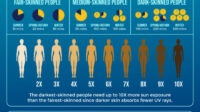
If you have minimal sun exposure, live in higher latitudes, have darker skin pigmentation, or spend most of your time indoors, your body may require more to reach adequate blood levels. In those cases, a clinician may suggest 1,000–2,000 IU (25–50 mcg) daily as a typical supplemental range—still conservative, but more aligned with real-world conditions.
Short sentences, here: the aim is not megadoses. The aim is steadiness. Like a hearth that keeps its coals glowing, consistent intake supports readiness.
Understanding the Target: 25(OH)D Levels and Why They Matter
Dosage decisions become clearer when you understand the biomarker often used to track vitamin D status: 25-hydroxyvitamin D (25[OH]D). This is the storage form circulating in the blood and is generally the best indicator of vitamin D sufficiency.
When levels are low, immune modulation may not run with full accuracy. When levels land in an adequate range, the immune system can behave with more measured responsiveness. Yet levels aren’t obtained by guesswork forever. Lab testing converts uncertainty into an actionable map.
Who Might Need More: Risk Factors for Low Vitamin D
Some bodies are more likely to run low on vitamin D. Consider these risk factors as “climate variables” that shift your needs:
Limited sun exposure: indoor lifestyles, heavy cloud cover, winter months.
Skin considerations: increased melanin can reduce vitamin D synthesis from sunlight.
Higher body weight: vitamin D can become sequestered in adipose tissue, lowering bioavailability.
Dietary patterns: low intake of fatty fish, fortified foods, or vitamin D-containing supplements.
Digestive or absorption issues: certain gastrointestinal disorders can impair uptake.
In these scenarios, “more” isn’t a threat—it’s often a calibration. Still, dosing should be personalized and monitored.
Dosage by Age: Adults, Seniors, and Special Considerations
Age changes the vitamin D story. As you grow older, your skin’s ability to synthesize vitamin D can decline. This means seniors often benefit from a higher baseline supplement dose than younger adults with similar sunlight exposure.
Many plans use 800–2,000 IU per day for older adults, but the best range depends on baseline blood levels and overall health. If immune support is the goal, the dosage strategy should be consistent, not episodic.
For children, dosing should be discussed carefully with a pediatric clinician. The same number rarely fits all ages safely. Children are not miniature adults; their requirements and safety ceilings differ.
How to Take Vitamin D: Timing, Form, and Absorption
Vitamin D is fat-soluble, which means absorption improves when it is taken with a meal containing dietary fat. A short walk to the refrigerator may sound trivial, but it can be a meaningful part of dosing effectiveness.
Many people prefer taking vitamin D in the morning or with lunch to anchor the habit. Others take it with dinner for consistency. The timing is less important than taking it regularly and with appropriate nutrition.
Regarding form, common options include vitamin D3 (cholecalciferol), often favored for raising and maintaining vitamin D levels. If you’re using a combined product, check the label to avoid unintentional double-dosing from multi-vitamins.
Safety Limits: The Line Between Support and Excess
Vitamin D support is powerful, but not infinite. Excess can lead to hypercalcemia—an excess of calcium in the blood—causing symptoms such as nausea, constipation, weakness, confusion, or kidney complications.
That is why it’s wise to treat high-dose supplementation as a clinical decision. Many regulatory guidelines place an upper tolerable intake level for adults at 4,000 IU (100 mcg) per day unless a healthcare professional prescribes otherwise.
In practical terms: immune support is best pursued with measured intent, not with the fireworks of megadoses.
When to Test: Lab Monitoring for Smarter Dosage
If you want precision, testing is the compass. Consider measuring 25(OH)D if you:
start supplementing with the intention of immune support and want a baseline,
have risk factors for low vitamin D,
are using higher doses than typical maintenance amounts, or
have medical conditions that affect absorption or calcium metabolism.
Testing also helps confirm whether your dosage is adequate or excessive. Like adjusting a telescope, the goal is clarity, not guesswork.
Vitamin D Alone or in a Partnership: Calcium, Magnesium, and Lifestyle
Vitamin D doesn’t work in isolation. It collaborates with other nutrients that support calcium handling and immune signaling. Calcium is relevant for bone health, but immune support is not simply “more calcium.”
Magnesium plays a quieter role—supporting processes involved in vitamin D metabolism. If magnesium intake is chronically low, vitamin D utilization may be less efficient.
Lifestyle also provides the background score. Sleep, stress moderation, and regular movement influence immune performance. Vitamin D is one conductor; it cannot be the entire orchestra.
Metaphor for Dosage: The Immune System as a Castle with Lamps
Imagine your immune system as a castle at night. The sentries can stand guard, but they need lamp fuel to remain alert. Vitamin D functions like controlled lamp maintenance—keeping the light steady so the guards can respond quickly when trouble arrives.
Too little means flickering lanterns. Too much means the oil could flood the corridors. The correct dosage is therefore not merely numeric; it’s architectural. It preserves order, supports vigilance, and helps the castle respond with calm authority.
Practical Dosage Plan: A Thoughtful Starting Point
If you want a reasonable, immune-support-oriented starting approach, consider a baseline of 600–800 IU daily, especially with limited sun. If your risk factors are stronger or you’ve been consistently indoors, 1,000–2,000 IU daily is a common supplemental range to discuss with a clinician.
Then iterate with data. If testing reveals deficiency, clinicians may recommend a different short-term repletion strategy. If levels are adequate, maintenance dosing is usually appropriate.
Finally, remember the quiet promise of consistency: vitamin D works best when it is not treated like a seasonal guess. Your immune system prefers reliability over improvisation.
Conclusion: Finding the Right Amount for Steady Immune Readiness
How much vitamin D for immune support? The answer is best approached as calibration: baseline maintenance for many, cautious adjustment for those with risk factors, and lab-guided refinement for true precision. With the right dose, vitamin D becomes less about speculation and more about orchestration—helping immune defenses operate with steadier timing.
In a world that dims sunlight and accelerates schedules, vitamin D can be your dependable lantern. Choose the amount that keeps the flame controlled, not frantic—then let your body’s immune ensemble perform with confidence.