Why do some people seem to glide through cold seasons while others are perpetually nursing a sore throat or chasing one lingering symptom after another? The answer is rarely one single factor. It’s more often a mosaic—sleep quality, stress physiology, diet diversity, gut integrity, and immune signaling. Yet there’s one nutrient that repeatedly rises to the surface in conversations about resilience: vitamin D. Not because it acts like a magic shield, but because it helps orchestrate a calmer, more competent immune response. When vitamin D levels wobble too low, the body’s defense system may still work—but it may do so with less precision, more inflammation, and slower recovery.
Vitamin D as an Immune Orchestrator, Not a Vitamin “Crutch”
Vitamin D is sometimes mischaracterized as a simple nutrient you either “have” or “don’t have.” In reality, it behaves more like a hormone that communicates with immune cells. Receptors for vitamin D exist on many players in the immune system, including cells involved in both innate defense (your first-line response) and adaptive immunity (the targeted response that learns and remembers). This signaling can influence how strongly inflammatory pathways turn on, as well as how efficiently the body clears threats.
In practical terms, adequate vitamin D supports a more balanced immune tempo. That can mean fewer exaggerated inflammatory surges and a smoother transition back to baseline after an illness. People often notice the difference not as a miraculous cure, but as fewer episodes that escalate quickly—and recovery that feels less like an uphill battle.
Low Vitamin D and the “Inflammation Amplifier” Effect
When vitamin D levels are insufficient, the immune system may compensate in ways that aren’t ideal for long-term health. The result can be a tilt toward heightened inflammatory signaling. Inflammation isn’t inherently bad—short bursts can be protective. But chronic or excessive inflammation can make the body feel perpetually “under attack,” even when it’s not. That environment can increase susceptibility to infections and can also prolong symptoms once illness begins.
Think of it like an overzealous conductor. The orchestra might still play, but it may sound sharper, harsher, and less coordinated than intended. Over time, that “sharpness” can translate into more frequent sickness or a lingering sense of fatigue following routine viral exposures.
Who Is More Likely to Have Low Vitamin D?
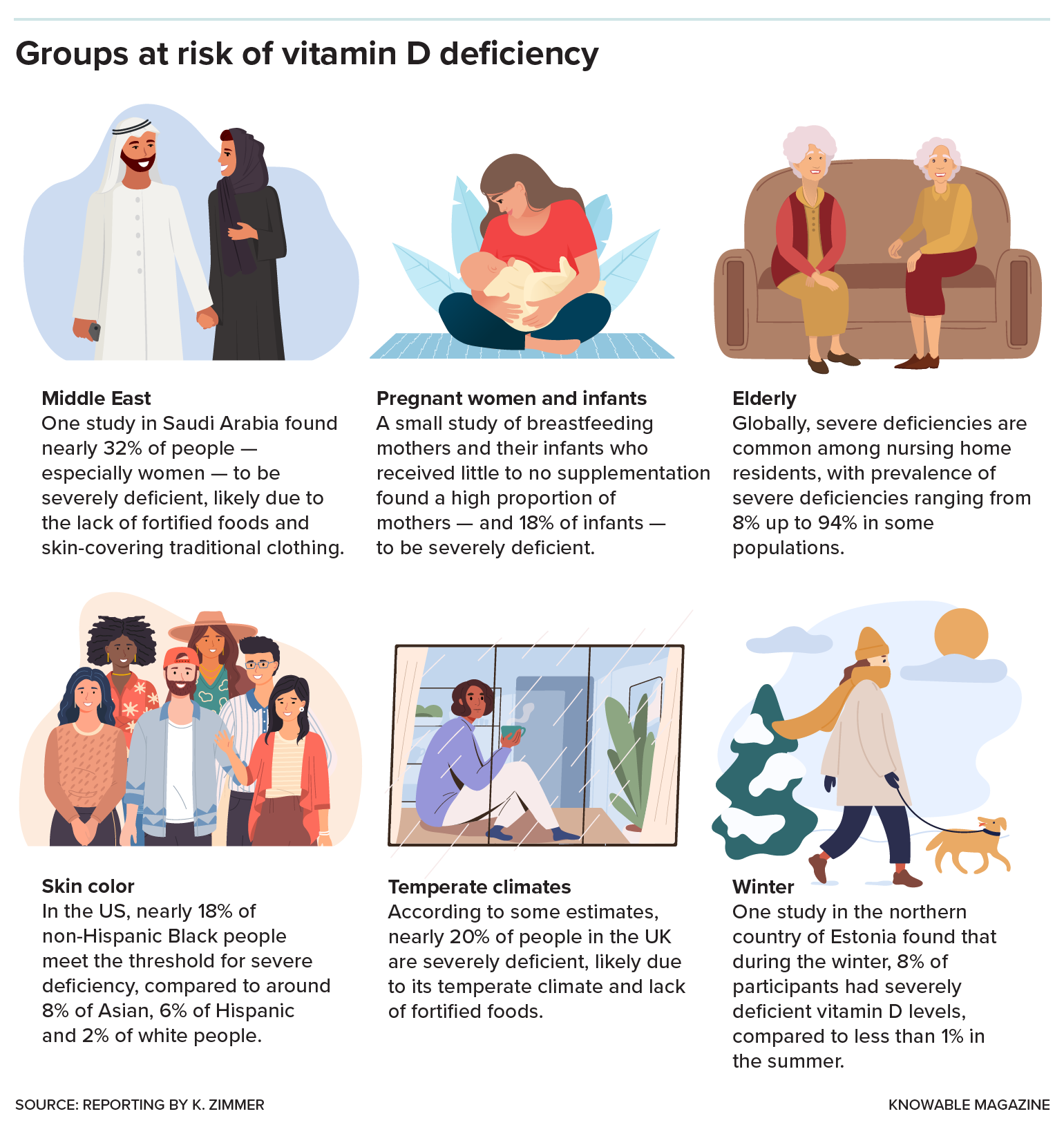
Vitamin D status depends heavily on sunlight exposure, skin synthesis, geographic factors, seasonal variation, and lifestyle. People who spend minimal time outdoors—especially during months when sunlight is weaker—often have lower baseline levels. Darker skin pigmentation can reduce the skin’s ability to produce vitamin D with the same exposure as lighter skin. Clothing coverage, indoor work schedules, and urban living can further limit UVB contact.
There are also biological and behavioral contributors. Some individuals have malabsorption syndromes that prevent adequate absorption of fat-soluble vitamins. Others may struggle with obesity, which can sequester vitamin D in adipose tissue, leaving less available to circulate. Older adults also often produce less vitamin D efficiently in the skin and may have reduced dietary intake.
Even if someone eats well, vitamin D can become a quietly missing component—like a spare key that’s always expected but seldom accounted for.
How Vitamin D Levels Show Up in Real Life: Symptoms and Patterns
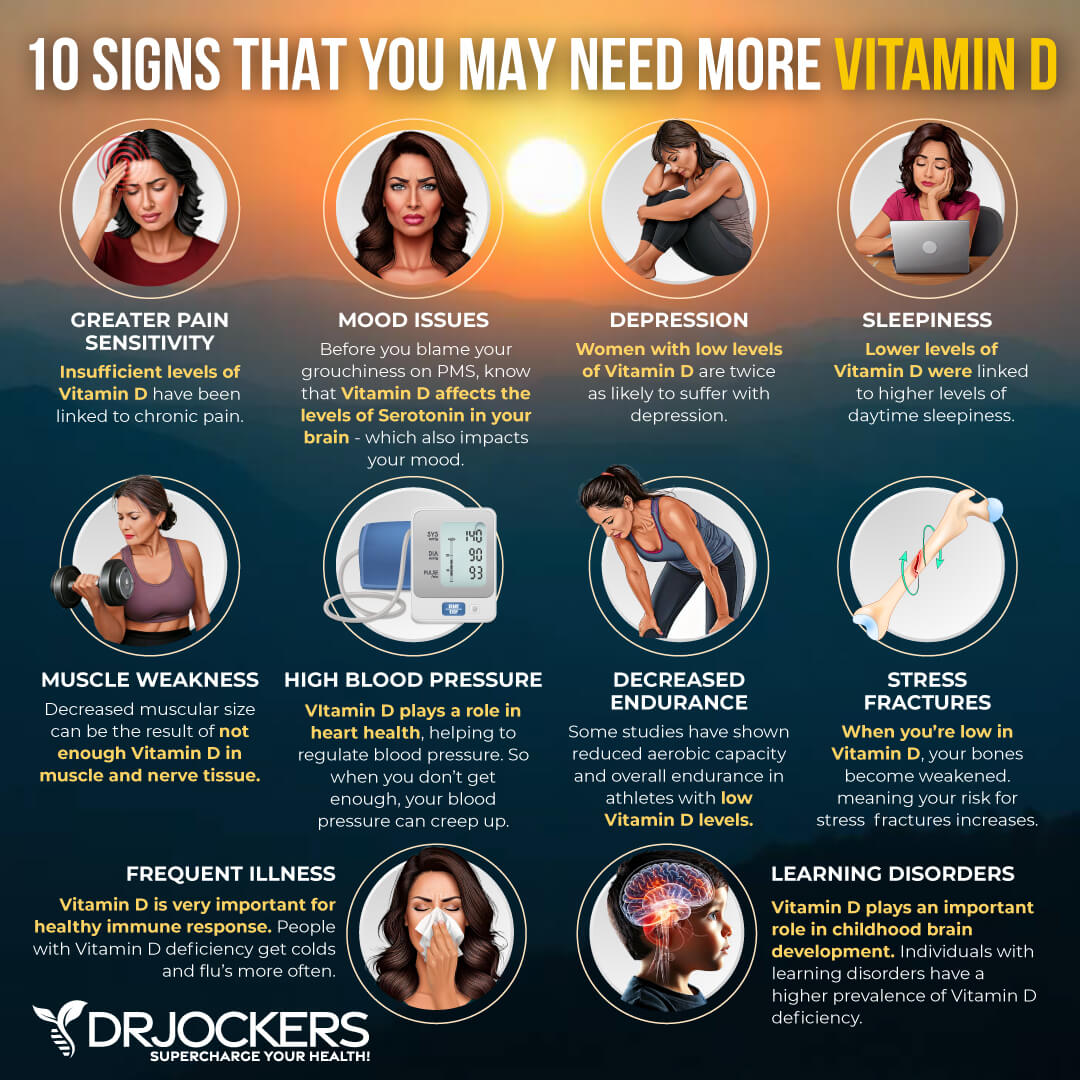
Vitamin D deficiency can be subtle. Some people feel “off” long before they realize the cause. Common clues include frequent respiratory infections, slower recovery from common illnesses, and a tendency toward muscle aches or weakness. Mood can also be affected—some report low energy, reduced motivation, or a general sense of sluggishness.
Another pattern is the “seasonal churn.” Individuals with marginal vitamin D levels may notice a stronger clustering of sickness during winter or during periods of limited sun exposure. The timing itself can act like a diagnostic hint: when the days shorten and outdoor activity drops, vulnerability rises.
Still, it’s important to avoid blanket assumptions. Vitamin D deficiency can overlap with other conditions such as sleep disorders, anemia, thyroid imbalance, or chronic stress. The most reliable approach is to measure levels when symptoms and risk factors converge.
The Role of Testing: Turning Guesswork Into Precision
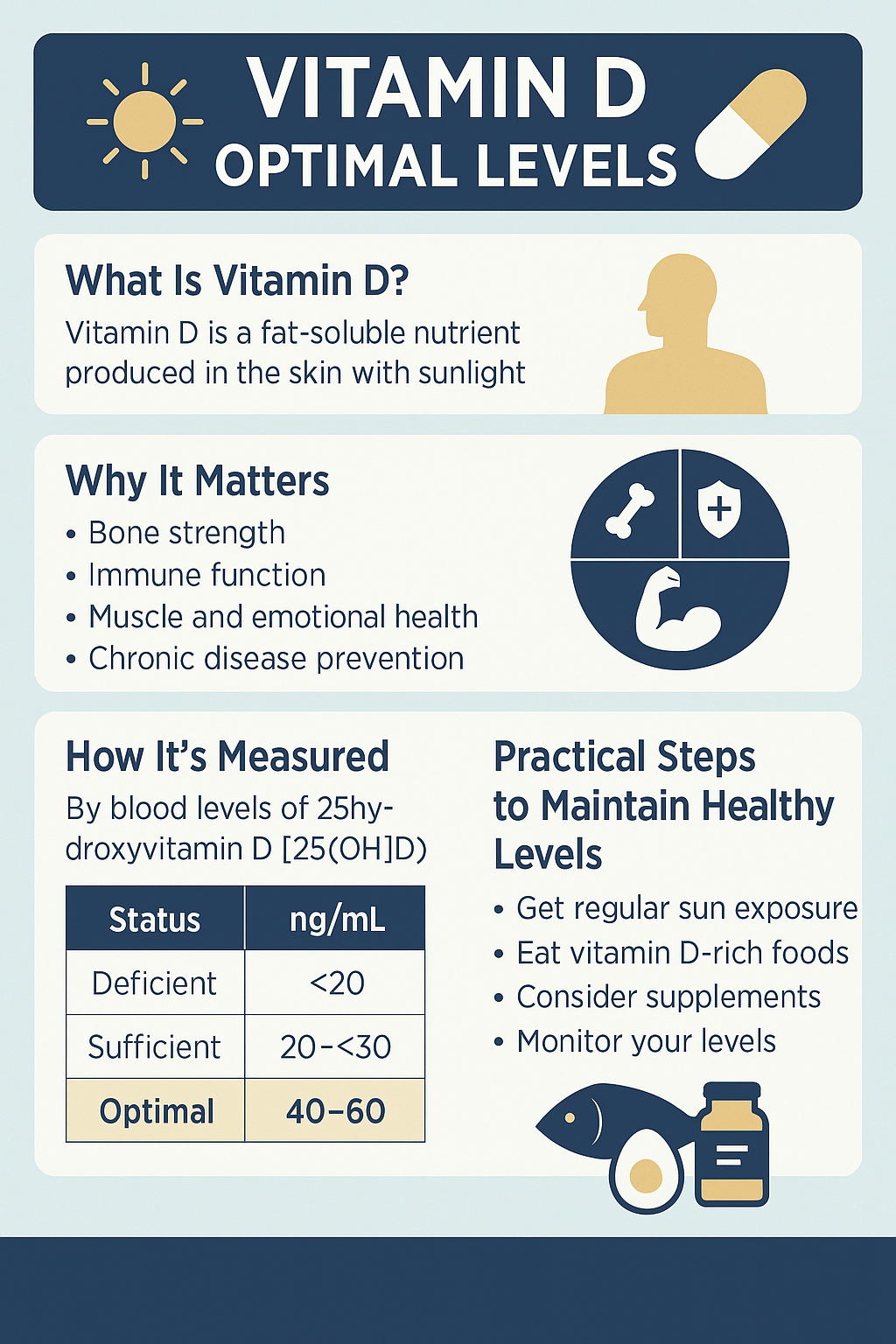
Rather than relying on intuition, many people benefit from lab testing to evaluate circulating 25-hydroxyvitamin D—widely used as the marker for vitamin D status. Testing provides context: whether the issue is a consistent low baseline, a seasonal dip, or a deficiency driven by malabsorption, limited sun, or other factors.
Once results are known, the next step becomes individualized. Some individuals need maintenance strategies, while others may require short-term replenishment before transitioning to ongoing support. Testing can also help avoid the opposite problem: excessive supplementation without monitoring. While vitamin D is helpful, too much can be harmful, so precision matters.
In an era of personalized wellness, testing acts like a map. It doesn’t replace discipline, but it prevents wandering in circles.
Supplementation: How People Usually Approach It
Vitamin D supplements come in different forms, most commonly D3 (cholecalciferol) and D2 (ergocalciferol). Many people use D3 for its consistent use in supplementation routines. Doses vary widely depending on baseline levels, body weight, sun exposure, and clinical goals. The key isn’t the headline dose you hear online; it’s the plan that fits your physiology.
Absorption is also part of the story. Because vitamin D is fat-soluble, taking it with a meal that includes dietary fat can improve uptake. Consistency matters too. Sporadic use can be less effective than a steady routine aligned with your needs.
Some individuals also pair vitamin D with magnesium or vitamin K2, aiming to support related metabolic pathways. However, the best strategy depends on diet quality, lab results, and medical context.
Food Sources: The Foundations That Still Matter
Supplementation can be practical, but food can still provide a baseline of support. Fatty fish like salmon, sardines, and mackerel contain vitamin D. Egg yolks and fortified dairy or plant-based milks can contribute as well, depending on fortification practices. These sources aren’t always sufficient for people with minimal sun exposure, but they help build a nutritional scaffold.
Diet also affects immunity through more than vitamin D alone. Adequate protein supports antibody production. Micronutrients such as zinc and vitamin C contribute to immune function. Fiber nurtures gut bacteria, which indirectly shapes immune behavior. In other words, vitamin D is influential, but it doesn’t act in isolation.
When meals are nutrient-dense, vitamin D becomes part of a broader immune ecology rather than a standalone intervention.
Lifestyle Synergy: Sleep, Stress, Movement, and Sunlight
Vitamin D may help regulate immune signaling, but your immune system also responds to your daily rhythm. Poor sleep can blunt immune readiness. Chronic stress can alter cytokine patterns and impair recovery. Sedentary behavior can influence metabolic health in ways that indirectly affect inflammation.
Movement supports circulation and can improve overall resilience. Even modest outdoor time can support vitamin D synthesis, provided UV exposure is appropriate for skin type and safety. The goal isn’t reckless sunbathing—it’s consistent, sensible exposure paired with protective habits.
For many people, the “less often sick” experience is really the convergence of several supportive changes, with vitamin D acting as an anchor that steadies immune performance.
When to Seek Medical Guidance
If frequent infections are accompanied by concerning symptoms—unintentional weight loss, persistent fevers, severe fatigue, or unusual infections—professional evaluation is warranted. Vitamin D deficiency can contribute to vulnerability, but it should not obscure other potential issues.
People with conditions that affect absorption (such as celiac disease or inflammatory bowel disease), chronic kidney or liver disorders, or those on certain medications may need tailored guidance. Medical oversight helps ensure supplementation is safe and effective.
What Readers Can Expect Next: A Roadmap, Not a Promise
Articles and guides on vitamin D usually fall into a few broad categories. First, they explain the immune connection—how vitamin D interfaces with immune cells and inflammation patterns. Second, they discuss risk factors and who may need screening. Third, they provide practical dosing frameworks and tips for absorption. Finally, they emphasize testing and safety, especially when deficiency is suspected.
The most helpful content also avoids one-size-fits-all thinking. It encourages readers to connect dots: their lifestyle, their seasonal patterns, their diet, and their lab results. In that context, vitamin D becomes actionable. It turns a vague sense of “my immunity isn’t great” into a specific, measurable strategy.
When vitamin D levels improve and the immune system gains a steadier signaling environment, many people find that sickness becomes less frequent and recovery feels less punishing. Not perfect. Not instantaneous. But noticeably more manageable—like a recalibrated instrument playing in tune.