Have you ever wondered why one sunny afternoon makes you feel invigorated, while another seems to slide right off your mood like a raindrop on a waxed windshield? Now add a twist: what if the real answer to vitamin D isn’t simply “more sunshine,” but the right sunshine—delivered at the right latitude, in the right season, at the right angle? Let’s walk through a playful but serious challenge: you’ll likely be tempted to chase the sun indiscriminately, yet your body’s vitamin D “factory” may have a different agenda depending on where you live.
Vitamin D: Why Sunlight Matters (and Why Timing Isn’t Optional)
Vitamin D is unusual among nutrients because your skin can manufacture it when ultraviolet B (UVB) rays strike exposed areas. This process converts a precursor in your skin into vitamin D3, which then travels through your bloodstream for further conversion in the liver and kidneys. The punchline is simple: sun exposure can help, but it’s constrained by physics, biology, and seasonality.
Here’s the potential challenge in plain language: you can bask for hours and still produce little vitamin D if UVB intensity is weak. People often confuse “sunny weather” with “vitamin D–effective UVB.” A bright sky doesn’t guarantee the right UVB dose. Clouds, smog, glass, sunscreen type and amount, skin pigmentation, and the solar elevation angle all influence results.
Latitude 101: The Invisible Line That Changes UVB Intensity
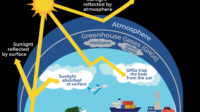
Latitude measures how far you are from the equator. As you move away from the equator toward higher latitudes, the sun’s rays strike with a lower angle for much of the year. Lower angle means UVB is more likely to be scattered or absorbed by the atmosphere. In other words, the same “minutes in the sun” can yield very different outcomes depending on where you live.
Near the equator, UVB is more consistently available throughout the year. Farther north or south, winter months can become a vitamin D drought. This is why some people feel as though their body goes quiet in winter—less UVB reachability often translates into lower vitamin D synthesis.
What “Enough Sun Exposure” Really Means (Spoiler: It’s Not an Exact Number for Everyone)
Because vitamin D production varies dramatically among individuals, “enough” is best thought of as a range. Key factors include:
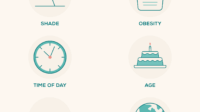
Skin type: Fair skin generally produces vitamin D faster; darker skin often requires more UVB exposure to reach similar production levels.
Time of day: UVB is typically stronger around solar noon.
Season: UVB availability shifts throughout the year.
Body surface area: Exposing more skin (sensibly) can increase production, though clothing culture differs by region and climate.
Age and health: Changes in skin composition and physiology can affect synthesis efficiency.
So instead of chasing a single universal timer, think in terms of safe, practical windows—then adjust based on what latitude and season are doing to the UVB menu.
By Latitude: How Sun Exposure Needs Change Across the Map
Latitude offers a useful “big-picture” framework. While exact UVB levels can vary by altitude, cloud cover, and local conditions, these broad patterns help you anticipate seasonal swings.
Near the Equator (roughly 0–15°): UVB can be relatively strong year-round. Many people may need only brief exposures on fair-weather days, but sunscreen use and skin sensitivity still matter.
Subtropics (roughly 15–30°): Vitamin D–effective UVB is often available for much of the year. Summer exposure can be efficient; winter may require more time and more strategic timing.
Temperate zones (roughly 30–45°): Spring and summer often provide the strongest vitamin D opportunities. Autumn begins to taper, and winter can sharply reduce UVB availability.
Higher latitudes (roughly 45–60°): Winter UVB is commonly insufficient for vitamin D production. Summer can be productive, but the effective window may be short.
Far north/south (roughly 60°+): UVB levels may be too low for vitamin D synthesis for extended portions of the year. Many residents rely more on dietary intake and supplements during darker months.
Curiously, latitude isn’t just geography—it’s a biological timetable. Your skin’s vitamin D response is reacting to the sun’s “angle of incidence,” and latitude controls that angle’s behavior across seasons.
Seasonal Reality Check: Why Summer “Feels Enough” But Winter Might Not
Let’s address the emotional math people often do: “I got sun in summer, so I’ll be fine.” Sometimes that’s true—stores of vitamin D can persist for weeks to months. But vitamin D levels don’t always rebound perfectly for everyone, especially if summer exposure is limited, clothing coverage is high, or sunscreen is used consistently.
In winter at higher latitudes, UVB scarcity can become the controlling factor. Even spending time outdoors might not stimulate vitamin D synthesis when the sun’s angle is too low. This is where a strategic approach helps: monitor symptoms, consider routine lab checks when appropriate, and avoid assuming that “being outdoors” equals “building vitamin D.”

Skin Type and Clothing: The Two Variables People Underestimate
Skin pigmentation acts like a natural filter. Melanin can reduce the formation of vitamin D from UVB. This doesn’t mean sunlight is “bad,” but it does mean exposure needs may differ, and the safe balance becomes more nuanced.
Clothing is another variable that’s easy to overlook. In cultures where outdoor time includes long sleeves, trousers, and head coverings, the body surface area available for UVB exposure is smaller. That can lower vitamin D production even when UVB is technically present in the environment.
There’s also a practical nuance: sun exposure for vitamin D should be pursued without reckless intent. Burning the skin is a poor strategy; it increases risk while providing no reliable guarantee of vitamin D sufficiency.
How to Approach Sun Exposure Safely (Without Turning It Into a Risky Experiment)
Safety isn’t a buzzword here—it’s the backbone of a sensible plan. The most prudent method is to use short exposures at times when UVB is present, then stop before redness occurs. Gradually increasing exposure when appropriate may help some people find their personal “sweet spot.”
However, sunscreen complicates the equation. Sunscreen can reduce UVB penetration significantly. That doesn’t automatically mean you should avoid it, especially for skin cancer risk. Instead, think of a balanced routine: sensible exposure, then protective measures as UV intensity climbs.
If you have a history of skin cancer, use medical guidance for sun exposure targets. For others, a practical compromise is to prioritize midday sun when UVB is strongest for brief windows, then shift to shade, clothing, and sunscreen.
When Sunlight Isn’t Enough: Dietary Intake and Supplements
In higher latitudes during winter, relying solely on sun exposure can be unrealistic. In that scenario, dietary sources and supplements become increasingly relevant. Fatty fish, fortified dairy or plant alternatives, and egg yolk can contribute, though amounts vary widely.
Supplements can help fill the gap, especially when testing indicates low levels or when sun exposure is constrained by lifestyle or seasonal factors. The right dose is individual; it’s best guided by clinical context rather than internet arithmetic.
If you’re feeling fatigued, getting sick more often, or noticing bone or muscle aches, those symptoms are not exclusive to vitamin D deficiency. Still, they can justify a conversation with a healthcare professional and, if appropriate, blood testing.
Practical Checklist: Use Latitude to Plan, Not Panic
Here’s your navigation-style checklist:
Know your latitude band: Treat it as a seasonal forecast for UVB effectiveness.
Choose timing: Seek midday when the sun is highest.
Expose sensibly: More skin can help, but avoid burning.
Account for skin tone and clothing: Adjust expectations based on melanin and coverage.
Don’t assume summer immunity: Stores fade; winter gaps can emerge.
Use food and supplements when needed: Especially in low-UVB months at higher latitudes.
So, the playful question becomes a practical strategy: if you’re not getting your vitamin D the same way across the year, don’t blame your willpower. Blame the sun’s angle—and then plan accordingly.