Some winters feel less like a season and more like a slow dimming of the mind. The days shorten, the air sharpens, and mood can quietly slip. For many people, that shift isn’t simply “the cold weather blues.” It may resemble Seasonal Affective Disorder (SAD)—a pattern of depressive symptoms that emerges at a particular time of year, often in the fall or winter. At the center of the conversation is a familiar molecule with an unusual job: vitamin D. Commonly called the “sunshine vitamin,” it acts as more than a bone-building nutrient; it also participates in brain signaling, immune regulation, and the orchestration of seasonal biology. Understanding the sunlight link can help readers connect the dots between light exposure, vitamin D status, and emotional well-being.
Seasonal Affective Disorder: More Than a “Bad Season”
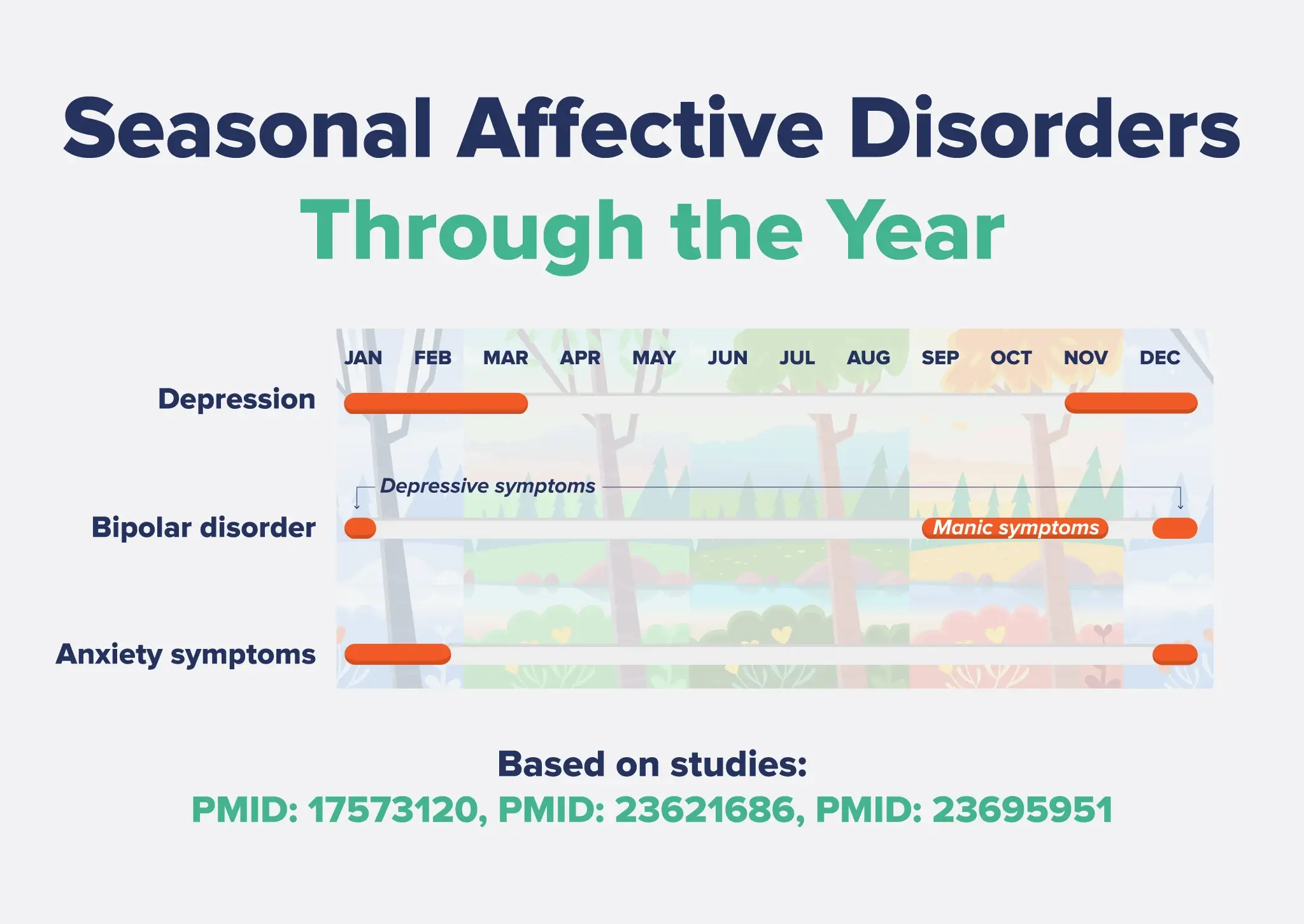
SAD is characterized by a recurring seasonal pattern. Symptoms can include persistent low mood, reduced interest in usual activities, changes in sleep, low energy, irritability, and difficulty concentrating. The mind may feel muted—like a radio turning down its volume—while the body moves through the day with a heavier gait. Importantly, SAD is not merely a matter of motivation or willpower. It tends to follow the same arc year after year, with episodes typically starting in late fall or early winter and improving in spring.
Readers often wonder how SAD differs from general depression. One distinguishing feature is its seasonality. Another is that circadian rhythms—the internal clocks governing sleep-wake timing—can become misaligned when daytime light diminishes. When daylight becomes scarce, the nervous system receives fewer signals that normally help calibrate mood and alertness.
Because symptom patterns can vary, content readers can expect to see practical discussions of what SAD can look like, how clinicians commonly assess it, and why “winter blues” doesn’t always equal SAD. The theme threading through these explanations is that both light and biology are involved.
Vitamin D: The Sunshine Vitamin With Brain-Relevant Roles
Vitamin D is produced when skin is exposed to ultraviolet B (UVB) radiation from sunlight. Afterward, it undergoes biochemical transformations in the liver and kidneys, becoming an active hormone-like compound. While its role in calcium absorption and bone health is widely known, its influence reaches further.
In the brain and in immune pathways, vitamin D can modulate cellular signaling. Think of it as a molecular “co-regulator,” influencing processes that relate to mood stability. Vitamin D receptors are found in various tissues, including brain regions implicated in depression. This means vitamin D isn’t just a passive nutrient; it can act more like a coordinator at the cellular level.
Content readers can expect to learn why vitamin D insufficiency becomes more common during winter. Shorter days, indoor living, cloud cover, darker skin pigmentation, higher latitudes, and clothing coverage all reduce UVB exposure. The result can be lower circulating vitamin D levels, which may leave biological pathways less buffered against seasonal stressors.
The Sunlight Link: How Light and Vitamin D Interact
Sunlight affects the body in two overlapping ways: through direct light perception by the eyes (which influences circadian timing) and through vitamin D synthesis in the skin. The circadian pathway is often discussed first—light entering the eyes helps regulate melatonin and supports a stable sleep-wake cycle. But vitamin D synthesis provides an additional layer, affecting hormonal signaling and potentially brain chemistry.
These two routes can be complementary. Imagine the system as an orchestra: the eyes provide tempo and timing, while vitamin D influences how instruments resonate. When winter reduces both light exposure and vitamin D synthesis, the “orchestra” may play less harmoniously.
Readers may encounter nuanced content here: not every person with low vitamin D develops SAD, and not every person with SAD is vitamin D deficient. Still, a plausible interaction exists—seasonal light reduction can contribute to both circadian disruption and lowered vitamin D status, potentially amplifying vulnerability.
Symptoms, Timing, and Seasonal Patterns
SAD episodes often begin gradually. Some people experience early signs such as increased sleep duration, cravings for carbohydrates, difficulty getting started in the morning, or a pervasive sense of heaviness. As winter deepens, symptoms can intensify. In spring, many people notice improvement—energy returns, mood brightens, and sleep patterns normalize.
That rhythmic timing is clinically meaningful. It suggests the disorder is responsive to environmental change, particularly changes in daylight. Readers can expect content that maps seasonal symptom timelines and discusses why earlier intervention—before the full winter spiral—might matter.
This is also where personal storytelling and symptom checklists often appear in educational materials. Such content helps readers recognize patterns rather than isolating symptoms as random or personal failures.
Biology Under the Hood: Mood Pathways, Neurotransmitters, and Immune Signaling
Depression has multiple molecular “fronts.” Vitamin D is thought to influence neurotransmission and inflammatory processes. Inflammation is a complex biological state, and many researchers suspect it can interact with mood regulation. Vitamin D can be involved in immune modulation, potentially affecting cytokine signaling—chemical messengers that can influence brain function.
Additionally, vitamin D may relate to pathways influencing serotonin, a neurotransmitter frequently linked with mood. While the details are still being refined, the central theme remains: vitamin D participates in systems that may tilt the balance between emotional resilience and susceptibility.
For readers who like depth, content here often includes diagrams of biochemical routes and explanations of receptors, signaling cascades, and downstream effects. For readers who prefer clarity, simplified analogies may also appear—always aiming to connect biology to lived experience.
Risk Factors: Who Is More Likely to Experience SAD?
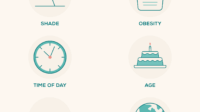
Several factors can increase susceptibility to SAD. Geographic latitude matters: farther from the equator, winter daylight can be dramatically reduced. Indoor lifestyles also decrease exposure to natural light. Certain work schedules, limited outdoor time, or heavy reliance on artificial lighting can further blunt seasonal light signals.
Skin pigmentation influences vitamin D synthesis, since darker skin can reduce UVB conversion efficiency. Age can also play a role; circadian rhythms and sleep architecture may change over time. Genetics and family history appear in many discussions of depression generally, and they may influence SAD risk as well.
Readers can expect content that outlines these factors without blaming personal habits. Instead of framing SAD as a character flaw, the narrative typically shifts toward environmental fit: the same daylight reductions that are trivial for some people can trigger major biological consequences for others.
Assessment and Support: When to Seek Professional Help
Educational articles often emphasize that SAD is treatable, but it isn’t something to ignore. If symptoms are persistent, impairing, or accompanied by thoughts of self-harm, seeking professional evaluation is essential. Clinicians may assess the seasonal pattern, symptom severity, sleep changes, and overall functioning.
Readers may encounter discussion of screening approaches and how SAD is differentiated from other depressive disorders. This content often stresses confidentiality, the value of tracking mood changes through the year, and the usefulness of describing symptom onset and resolution.
Support can involve psychotherapy, lifestyle adjustments, and—depending on the case—medical treatments. The key is not to treat SAD as an inevitable winter sentence.
Treatment Spectrum: Light Therapy, Behavioral Strategies, and Vitamin D Considerations
Light therapy is a common first-line option for SAD. By using a bright light source at specific times, it can help recalibrate circadian rhythms and improve mood. Many readers appreciate content that explains the practical aspects: timing, duration, and safety considerations.
Behavioral strategies complement light therapy. These often include structured morning routines, scheduled outdoor time, regular exercise, and sleep hygiene. Some people find that consistent wake times and intentional exposure to daylight reduce the intensity or duration of symptoms.
Where does vitamin D fit? Content addressing vitamin D usually discusses the logic of correcting deficiency, which may support overall health and potentially mood-related pathways. Readers may see guidance on testing vitamin D levels through blood work and discussing supplementation with a clinician. While supplements are not a substitute for light-based or clinical treatment, they can be part of a comprehensive plan when deficiency is present.
What Readers Can Expect in Practical Guidance
High-quality resources typically blend scientific reasoning with actionable steps. Readers might expect sections on how to increase safe daylight exposure, how to structure daily routines during darker months, and how to monitor symptoms over time. Some articles include “winter preparedness” checklists—simple things like planning outdoor breaks, adjusting indoor lighting, and prioritizing sleep schedules.
Other content may offer nutrition context: a discussion of dietary sources of vitamin D (such as fatty fish and fortified foods) and the limits of food alone in meeting needs during winter. This helps set realistic expectations. Vitamin D synthesis from sunlight is often the primary driver, and dietary intake, while helpful, may not fully offset reduced UVB exposure.
Because anxiety about supplements can arise, responsible materials usually emphasize evidence-based caution. Readers can expect clear language about discussing dosing with healthcare professionals and recognizing that individual needs vary.
Prevention and Season-Ready Habits
Prevention often works best when started before the full onset of winter. Habit-building content may encourage gradual increases in outdoor time, bright-light strategies indoors, and consistent sleep timing. Small adjustments can accumulate. A brief morning walk can become a reliable signal to the body’s internal clocks. Regular movement can support energy and emotional regulation.
For vitamin D, prevention can include planning for testing and addressing insufficiency early. While the sunlight link is central, the goal isn’t to chase perpetual sunshine. The goal is to create seasonal stability—supporting the body’s rhythms, nutritional status, and coping capacity.
Closing Thoughts: Aligning Body Signals With the Seasons
Vitamin D and Seasonal Affective Disorder are connected through the broader sunlight narrative—one that includes light perception, circadian calibration, immune modulation, and mood-regulating pathways. Not every winter mood shift is SAD, and not every person with SAD has the same biological profile. Yet the pattern is compelling: when daylight wanes, multiple systems can be nudged toward imbalance.
The most hopeful angle is that this imbalance can often be addressed. With light-based interventions, supportive routines, timely professional care, and appropriate vitamin D considerations when needed, readers can move from resignation to readiness. Winter may be unavoidable, but suffering doesn’t have to be inevitable.