Weight loss has a way of turning science into curiosity. And lately, few names spark fascination quite like Ozempic—along with other weight-loss drugs that act on hormonal pathways. A common observation often surfaces in conversations: “Could these medications be nudging my vitamin levels, especially vitamin D?” It’s a practical question, because vitamin D is tied to bone health, immune function, and even mood. Yet the story is rarely one-dimensional. The relationship between weight loss drugs and vitamin D levels can be indirect, biological, and sometimes surprisingly delayed.
Why Vitamin D Feels Like the Missing Piece During Weight Loss
Vitamin D doesn’t merely support bones. It helps regulate calcium absorption, influences muscle performance, and plays a silent role in the immune system. When people begin losing weight—intentionally and rapidly—they may also change their diet, activity level, and sunlight exposure. Even without touching vitamin supplements, these lifestyle shifts can affect vitamin D status.
That’s why the observation about Ozempic-like drugs feels intuitive. People associate medication with bodily change, so vitamin D becomes a natural “checklist” concern. But the deeper reality is that weight-loss therapy is often a trigger for multiple downstream events: reduced appetite, modified food intake, altered gut function, and gradual changes in body composition.

How Ozempic Works: The Indirect Web Behind Vitamin D Changes
Ozempic (semaglutide) belongs to a class of medications that mimic the GLP-1 hormone’s effects. In plain terms, it helps regulate appetite and can improve aspects of metabolic health. But vitamin D levels are not controlled by GLP-1 alone. Instead, vitamin D is shaped by how the body ingests it, processes it in the liver and kidneys, stores it in fat tissue, and converts it into its active forms.
When weight loss begins, several dominoes may fall. First, caloric intake may drop. Less food sometimes means fewer micronutrients—unless dietary planning keeps pace. Second, the body’s energy demands and hormone signaling shift. Third, weight loss can change how much vitamin D is “available” versus “stored.” Each domino can influence blood test results, sometimes in ways that look like a medication effect but are actually a cascade triggered by sustained weight reduction.
Adipose Storage: A Key Reason Vitamin D Levels Can Appear to Move
Vitamin D is fat-soluble. That means it tends to partition into adipose tissue. In higher-body-fat states, vitamin D can be sequestered—less circulating in blood, more stored in fat compartments. When someone loses weight, the fat compartment shrinks. The intuitive expectation might be “vitamin D goes up in the blood,” and in some people, it does.
Yet the timeline matters. Early weight loss can release stored vitamin D, while dietary intake and supplement use may not immediately compensate. Over weeks to months, the pattern may stabilize or change direction depending on sun exposure, supplementation, and nutritional consistency.
This explains why different individuals report different outcomes. Some see improved vitamin D markers; others notice lower values. The medication may not be the sole driver—weight loss physiology is.
Reduced Appetite and Nutrient Intake: When “Less Eating” Becomes “Less Vitamin”
Many weight loss drugs reduce appetite and slow gastric emptying. This is helpful for weight reduction, but it also changes the quality and quantity of food consumed. If meals become smaller or more selective—especially if they drift toward calorie reduction without micronutrient planning—vitamin D intake may decrease.
Vitamin D sources are relatively specific: fatty fish, fortified dairy or plant alternatives, egg yolk, and supplements. If someone reduces consumption of these foods without replacing them, blood levels could decline, even if the body’s fat stores are changing.
It’s also worth noting that people may experience nausea or gastrointestinal discomfort early on. Food choices during that window can become constrained. A temporary diet shift can create a measurable change on labs later.
Sunlight Exposure: The Quiet Variable People Forget
Vitamin D status is heavily influenced by ultraviolet exposure. When weight loss improves mobility, people sometimes spend more time outdoors. Conversely, some may become less active during early treatment due to side effects or fatigue, reducing sun exposure. Seasonal changes amplify these effects.
Ozempic does not directly block sunlight-driven vitamin D synthesis. However, the overall lifestyle changes prompted by weight loss—routine, activity patterns, travel, seasonal behavior—can substantially influence vitamin D levels. The strongest pattern often emerges when researchers or clinicians account for lifestyle factors rather than attributing changes solely to the medication.
Kidney and Liver Pathways: Metabolism Isn’t an Afterthought
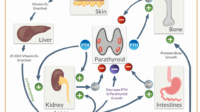
Vitamin D undergoes a transformation process. It’s hydroxylated in the liver and further processed in the kidneys. Metabolic improvements associated with weight loss can affect these systems indirectly. For instance, improved insulin sensitivity and reduced inflammation may influence endocrine signaling and how the body manages minerals.
Still, caution is crucial. If kidney function is compromised, vitamin D metabolism and supplementation strategy may need adjustment. In certain clinical scenarios, low vitamin D could be a marker of broader metabolic or renal issues rather than a direct medication consequence.
What Do Blood Tests Actually Measure?
Vitamin D status is typically assessed via 25-hydroxyvitamin D (25(OH)D). This marker reflects total vitamin D from diet, supplements, and skin synthesis—stored and circulating contributions included. Because vitamin D is fat-soluble, changes in body composition can alter what 25(OH)D looks like in blood.
Two people can both “lose weight” yet show different lab trends. Their baseline levels, supplement use, dietary patterns, and sun exposure can all differ. So a lab number is not a complete narrative. It’s a snapshot of intersecting pathways.
Hormonal and Inflammatory Shifts: The Biological “Afterglow” of Weight Loss
Weight loss is not just a change in scale. It can reduce inflammatory signaling and improve metabolic parameters such as glucose regulation. These changes can affect vitamin D-related pathways, because vitamin D is entangled with immune modulation.
Some people experience changes in cytokine activity and immune cell behavior as weight decreases. These shifts may correlate with vitamin D levels, or they may alter how the body uses vitamin D even if the lab number remains similar. In other words, fascination arises because the story feels like cause-and-effect, but the physiology may be multi-actor.
Do People Taking Ozempic Always Have Lower Vitamin D? The Evidence Isn’t Uniform
The most important nuance is that results are variable. Some patients show stable vitamin D levels, others improve, and some decline. That variability is not a contradiction; it’s a reflection of the many moving parts—diet quality, supplement behavior, sun exposure, baseline obesity-related vitamin D sequestration, and individual metabolism.
Clinicians often interpret vitamin D trends in the context of the whole plan. If someone is already taking vitamin D supplements and maintains a consistent diet, levels may remain steady. If supplementation isn’t present and sun exposure drops, vitamin D may decline. When weight loss is rapid, the redistribution of vitamin D from fat storage can further complicate interpretation.
Practical Guidance: How to Think About Vitamin D While Using Weight-Loss Medications
If you’re using Ozempic or a similar GLP-1–based medication, the practical approach is not panic—it’s measurement and planning. A clinician may consider baseline testing and periodic rechecks, especially if there are risk factors: limited sun exposure, darker skin pigmentation, malabsorption conditions, older age, or a history of vitamin D deficiency.
Diet matters. Aim to include reliable vitamin D sources when possible, and consider fortified foods if dietary patterns don’t naturally include fatty fish or eggs. Supplements are often used, but the dose should be individualized based on lab results, kidney function, and overall calcium intake.
Also remember that vitamin D interacts with calcium and magnesium. Over-supplementing without coordination can lead to imbalance. The safest path is structured supplementation under professional guidance, paired with lifestyle consistency.
The Bigger Reason People Keep Asking: Medication as a “Metabolic Master Switch”
Weight-loss drugs feel like they’re flipping a central switch in the body. Appetite reduces, metabolism reorganizes, routines change. Naturally, people wonder what else the switch might touch—vitamin D included. This fascination is understandable because the human brain searches for a single explanation. But biology rarely behaves that way.
In the case of vitamin D, the “deeper reasons” are the indirect pathways: changes in fat storage, altered nutritional intake, shifting sunlight exposure, and evolving metabolic and endocrine conditions. Ozempic may influence the environment in which vitamin D levels are negotiated, but it doesn’t act like a direct vitamin D inhibitor.
So the best mindset is holistic. Track trends, pay attention to lifestyle variables, and treat lab results as part of a larger health tapestry—not as a standalone verdict.