Vitamin D has an almost mythic reputation—part nutrient, part hormone-like regulator, and part “sunshine chemistry” you can feel working on your body. Yet the practical question many people ask in the United States is simple: can you get enough vitamin D from sunlight alone? The answer is nuanced. Geography, skin tone, seasonality, lifestyle, and even sunscreen habits can swing your outcome from “often sufficient” to “quietly deficient.” Let’s explore what sunlight can do, what it can’t, and how different readers can realistically plan for healthy vitamin D status.
Why Vitamin D Is So Dependent on Sunlight
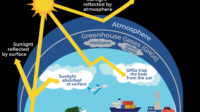
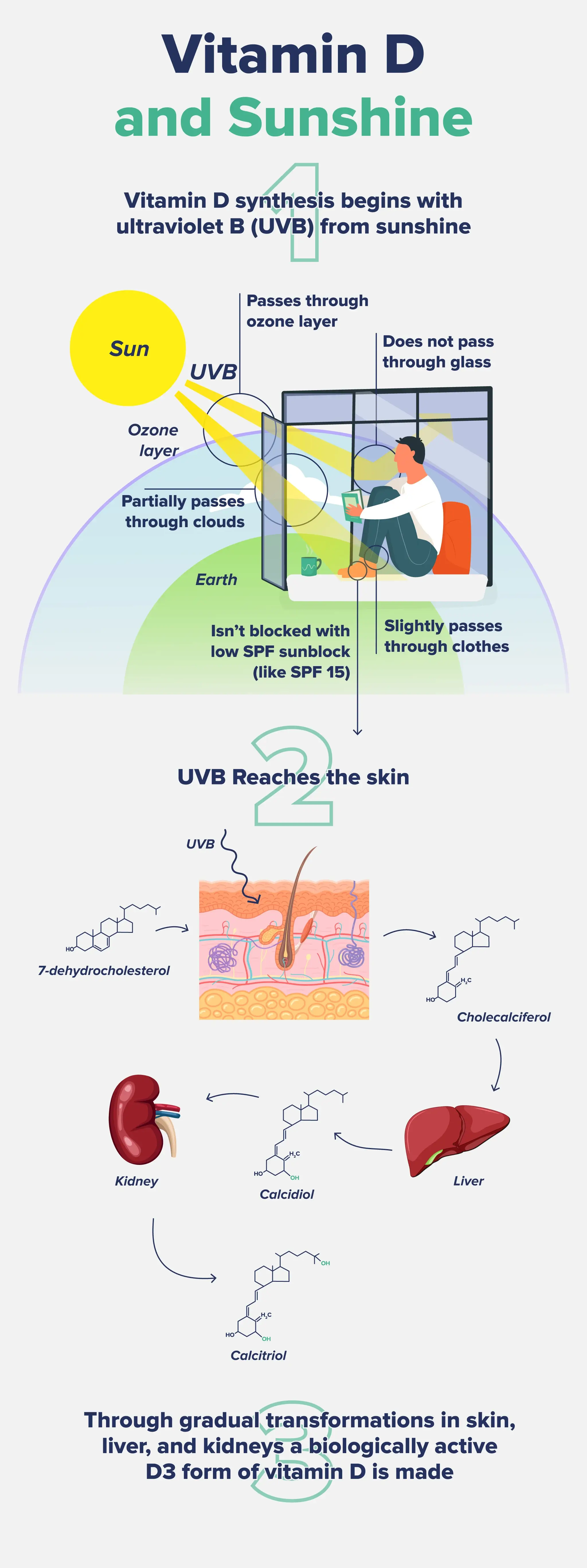
Your skin contains a precursor that sunlight—specifically ultraviolet B (UVB) rays—helps convert into vitamin D3. From there, your body performs a second transformation in the liver and a final activation in the kidneys. This multi-step process matters because the strength of UVB exposure is not constant. It fluctuates across the year, changes with latitude, and varies with cloud cover, pollution, and the angle of the sun.
In broad terms, sunlight can be a powerful input. However, “powerful” doesn’t mean “reliable.” In the US, many people spend most of their day indoors, drive with the windows up, and cover up with clothing that blocks UVB. Short exposure may help some individuals, but it won’t always provide a dependable vitamin D reserve.
Geography and Seasons: The US Is Not One Climate
In the United States, latitude makes vitamin D acquisition from sunlight an entirely different experience depending on where you live. If you reside in northern states, UVB availability is often lower in winter. Even when the sun feels bright, the UVB component may be insufficient to stimulate meaningful vitamin D synthesis.
Season is a major determinant. During summer months, many people can produce vitamin D more efficiently with relatively brief outdoor exposure. In winter, the same habits can yield far less. This is why two neighbors with similar skin tones can have different vitamin D outcomes simply because one lives farther north or spends more time outdoors during peak months.
For readers planning around seasonality, the strategy is not “chase sunshine every day,” but rather “align exposure with the months when UVB is most productive,” while acknowledging that winter may require supplementation or dietary support.
Skin Tone, Melanin, and the Reality of “Same Exposure, Different Result”
Melanin is protective. It helps guard against UV damage, but it also reduces how much UVB penetrates the skin to drive vitamin D formation. This is why individuals with darker skin tones typically need longer sun exposure to produce the same vitamin D levels as individuals with lighter skin tones—assuming the same location, season, and clothing patterns.
It’s easy to interpret vitamin D advice as a universal recipe. The body does not operate on a universal recipe. It operates on biology. Factors such as skin thickness, baseline melanin content, and personal sensitivity to sunlight influence your “effective dose.”
Important nuance: longer exposure to compensate can raise skin cancer risk if not managed carefully. That means the goal is not reckless sunbathing. It is strategic, moderate exposure paired with risk-aware behavior.
Time of Day, Weather, and Real-World Barriers
The UVB spectrum varies during the day. Midday sun generally provides more UVB than morning or late afternoon. Cloud cover can reduce UVB intensity, and air pollution may further dilute the signal your skin needs. Even window glass blocks UVB, so “sitting in the sun indoors” is often less helpful than people expect.
Then there are behavioral barriers. Many Americans use sunscreen consistently, which is sensible and protective for skin health. But sunscreen can reduce UVB-driven vitamin D production. This does not mean sunscreen is “bad.” It means the body may need other routes—such as diet, supplements, or targeted exposure—to reach adequate levels.
Consider the reader who drives a lot. They might get sunlight exposure to their eyes and circadian rhythm, but not the UVB conversion that vitamin D requires. Sunlight becomes visible culture, not biochemical instruction.
Clothing, Body Surface Area, and Exposure Patterns
Vitamin D production depends on the surface area of skin exposed. Clothing that covers most of the body—including long sleeves, pants, and hijabs or other garments—greatly reduces UVB contact. People who live in climates where clothing is heavier year-round may generate less vitamin D from sunlight.
However, “more exposed skin” isn’t automatically a win. Dermatologic safety matters. The most pragmatic approach is to balance limited exposure with skin-protective habits: seeking times of day when UVB is adequate, limiting session length, and avoiding peak intensities that burn skin.
For readers planning outdoor routines—walking, gardening, or commuting on foot—small changes can accumulate. Even short, repeated outdoor exposures may help more than one long session, though the optimal plan still depends on your skin tone, latitude, and seasonal UVB availability.
How Much Is Enough? Interpreting Vitamin D Targets
Most clinical guidance revolves around blood levels of 25-hydroxyvitamin D. The “enough” range is not purely academic—it influences bone metabolism, muscle function, immune signaling, and overall health risk profiles. Yet targets can vary by guideline and by individual needs such as pregnancy, age, and existing deficiencies.
The uncomfortable truth is that sunlight is not an exact measuring instrument. Two people may spend the same amount of time outdoors and still end up with different lab results. That’s why testing becomes a practical tool, especially for those at higher risk of deficiency.
If you’re a reader who wants clarity rather than guesswork, ask your clinician about testing and interpretation. A blood test can reveal whether your current lifestyle produces sufficient vitamin D, particularly during winter months or if you rarely expose skin.
Who Is Most Likely to Fall Short?
Certain groups are more vulnerable to inadequate vitamin D from sunlight alone. These include older adults (who often have reduced skin production efficiency), people who have limited outdoor activity, those with darker skin tones, individuals who wear clothing that covers most skin, and anyone living far from the equator with long winter seasons.
Also consider medical and physiologic factors. Malabsorption disorders, certain medications, obesity, and chronic kidney or liver issues can all influence vitamin D status. In these cases, sunlight may be a partial contributor, but not a dependable solution.
If you recognize yourself in multiple categories—limited sun exposure plus skin coverage plus winter latitude—sunlight alone may be insufficient. The most responsible plan is to combine approaches rather than rely on a single lever.
Supplementation and Dietary Options: When Sun Isn’t Enough
When sunlight is inconsistent, supplementation often becomes the missing piece. Vitamin D3 supplements can help raise and maintain levels, especially during seasons when UVB exposure is low. The right dose depends on your baseline status, body size, and clinical targets. Short answer: there is no universal dose for everyone.
Diet can also contribute, though it is typically harder to reach adequate levels through food alone. Fatty fish, fortified dairy or plant milks, fortified cereals, and certain egg products can support intake. Think of diet as a steady background stream, while sunlight is the intermittent catalyst.
For readers who want a cohesive lifestyle strategy, the best pattern is often: mindful summer exposure (within safe boundaries), fortified foods for consistency, and targeted supplementation in winter or when labs indicate low levels.
Safety First: Getting Vitamin D Without Getting Burned
One of the most common misconceptions is that vitamin D pursuit justifies aggressive exposure. Burns damage skin and increase long-term risk. The body’s vitamin D mechanism does not require you to flirt with redness.
Instead, aim for a skin-sparing approach: brief exposures, sensible clothing choices, and sunscreen use once you’ve had enough. The goal is “enough UVB stimulation,” not “maximum sun.” If you have a history of skin cancer, have multiple risk factors, or are using photosensitizing medications, discuss a vitamin D plan with your healthcare team.
Different Content Paths: How Readers Can Act on This
Not every reader wants the same kind of information. Some people prefer a quick checklist; others want a deeper “how it works” explanation. A well-rounded content plan can meet these preferences:
Quick-read guidance: short summaries of when sunlight is more productive (late spring through summer), who is at higher risk, and when to test. These work for readers who want action today.
Data-informed explainers: discussions of UVB variability, latitude effects, and skin tone differences. These satisfy readers who want to understand the mechanism rather than memorize recommendations.
Personalization tools: prompts for reflective assessment (your typical outdoor time, clothing habits, season, skin tone, and dietary intake). These help readers map their life to likelihood of sufficiency.
Clinical next steps: advice on when to ask about labs, how to interpret results, and how to talk about supplementation with a clinician. These serve readers who want a medically grounded plan.
Across all styles, the principle remains steady: sunlight can meaningfully contribute, but for many Americans it is not guaranteed as a standalone source.
The Bottom Line for the US: Sunlight Can Help, but “Alone” Often Isn’t Enough
Can you get enough vitamin D from sunlight alone in the US? Sometimes—especially during summer, with adequate outdoor time, and when skin exposure patterns align with UVB availability. But for many people, particularly during winter or with risk factors such as darker skin, northern latitude, extensive skin coverage, indoor-heavy routines, or certain health conditions, sunlight alone often falls short.
Think of vitamin D as a household budget. Sunlight is one income stream, but it may fluctuate. Diet and supplementation are stable accounts that can cover seasonal shortfalls. When the goal is long-term health, the smartest approach is usually a layered one: safe exposure when UVB is available, fortified nutrition for consistency, and testing or supplementation when needed.