There’s a peculiar moment just before sleep fully arrives—the mind quiets, the body loosens, and something deeper than “tired” begins to happen. Slow wave sleep (the kind your brain leans into when it’s truly repairing itself) isn’t only about dark rooms and calming routines. Increasing attention on one quiet nutrient—vitamin D—has started to feel like a missing puzzle piece. Not because vitamin D is a sedative. It’s because vitamin D participates in the choreography that helps sleep become profound, not merely prolonged.
So what, exactly, is the optimal vitamin D level for deep sleep? The answer isn’t a single magic number that fits every life. Yet patterns emerge when you look at vitamin D through a sleep lens: the goal is adequacy, stability, and a serum range that supports neural regulation and circadian coherence. Let curiosity lead the way—because once you start thinking this way, sleep stops being purely behavioral. It becomes biochemical, rhythmic, and strangely intimate.
Why Slow Wave Sleep Feels Different (and Why It Matters)
Slow wave sleep, often called N3, is the stage where the brain’s electrical landscape shifts into rhythmic, low-frequency dominance. It’s the nighttime equivalent of deep tissue work: synaptic downscaling, metabolic recalibration, and memory processing. When slow wave sleep is robust, people tend to wake with a steadier mind and fewer “foggy edges.”
When slow wave sleep is shallow, sleep can still last eight hours yet feel unsatisfying—like the body stayed in bed but never fully entered maintenance mode. That distinction is important. Vitamin D enters the story because it influences pathways tied to inflammation signaling, calcium dynamics, and neural function—elements that indirectly shape how easily the brain transitions into N3.
Vitamin D as a Sleep Signal, Not Just a Vitamin
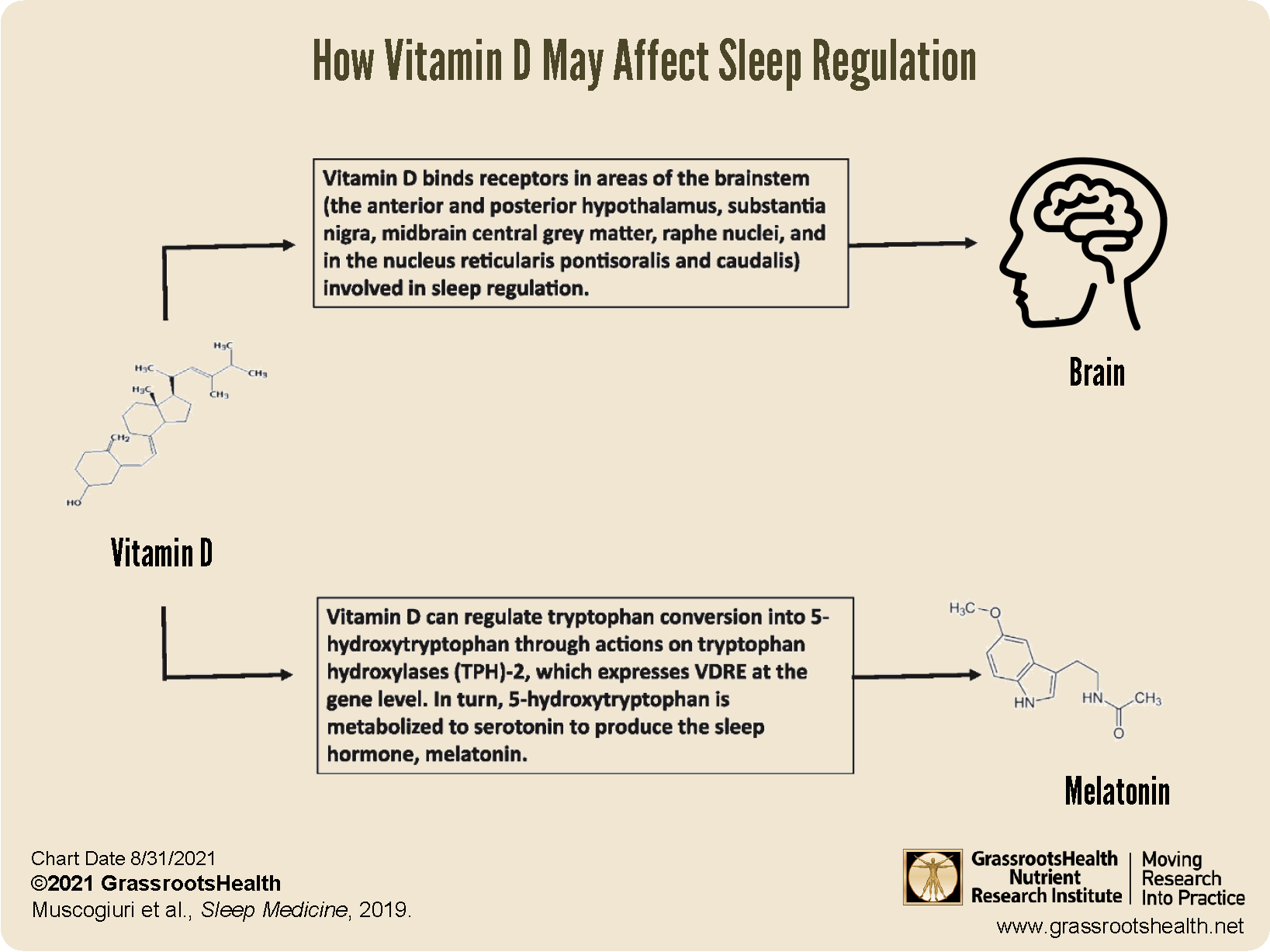
Vitamin D is often discussed as if it were only about bones. But its biological behavior is more nuanced. Many cells express the vitamin D receptor, allowing vitamin D to act like a molecular “tone-setter.” Think of it as an influence over gene expression rather than a simple supplement effect.
Sleep regulation involves multiple systems: circadian timing, stress physiology, neurotransmitter balance, and inflammatory tone. Vitamin D touches several of these. It can modulate immune signaling, and it supports neuromuscular and neural processes that help the nervous system shift out of alertness. That shift—less hypervigilance, more physiological permission—is the doorway to deeper sleep.
The Serum Range That Promotes Possibility (Without Overpromising)
When people ask for the “optimal” vitamin D level, they’re often hoping for certainty. But the most responsible goal is a range associated with functional adequacy. Too little vitamin D can correlate with poorer sleep quality and higher inflammatory markers. Excess can also be problematic, particularly if it leads to hypercalcemia or sustained high 25(OH)D levels.
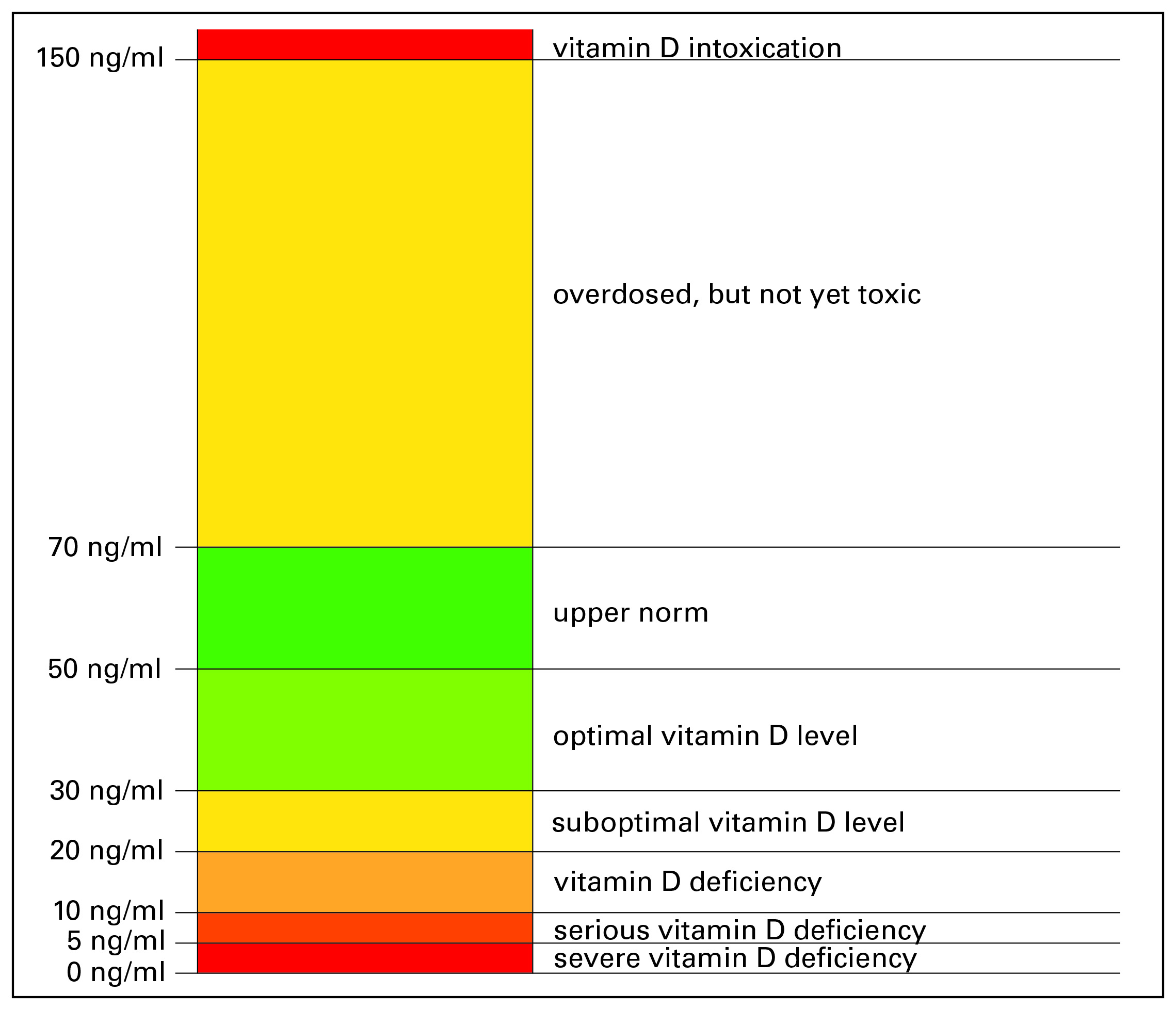
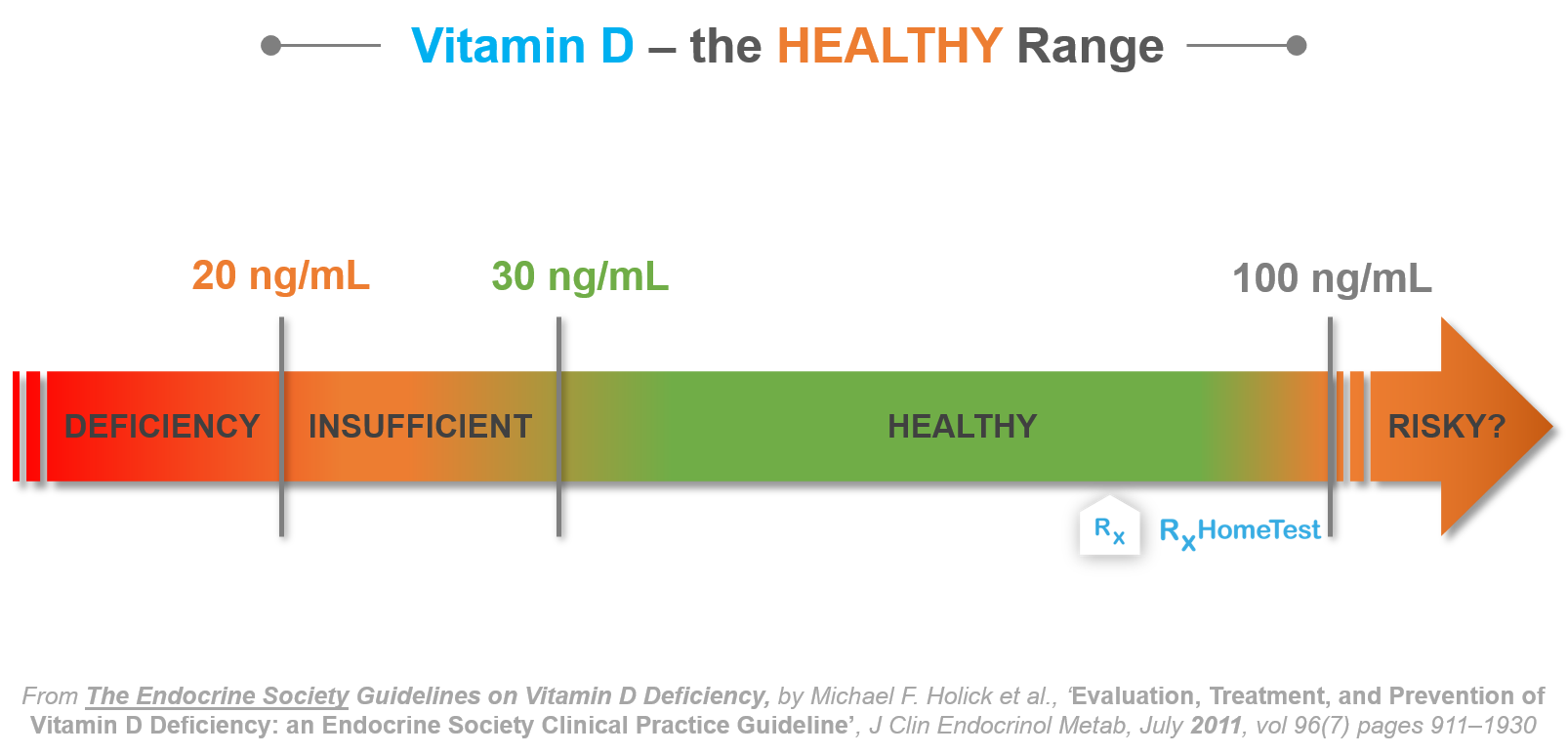
A commonly targeted window for many adults is roughly 30–50 ng/mL (about 75–125 nmol/L) for overall health. For sleep-focused optimization, the narrative is less “chase the highest number” and more “reach a stable, sufficient plateau.” In other words: the best level is the one that prevents deficiency-related friction while avoiding overstimulation of calcium-related processes.
Curiosity should include an uncomfortable truth: individual variability is real. Sun exposure habits, skin melanin, body composition, diet, medication interactions, and baseline deficiency history all change how vitamin D behaves in the bloodstream. Still, moving from insufficient toward adequate is often the meaningful pivot.
How Vitamin D Might Support Slow Wave Sleep Pathways
Imagine slow wave sleep as a controlled descent. The brain must reduce “noise” and allow synchronized activity to settle. Vitamin D may help by nudging several upstream forces:
Inflammatory modulation: Chronic low-grade inflammation can blunt restorative sleep depth. Vitamin D influences immune signaling, which may reduce the inflammatory burden that interrupts N3.
Calcium and neural signaling: Calcium is a neurotransmission cofactor. Vitamin D supports calcium homeostasis, which can affect neuronal excitability and muscle relaxation—both relevant to how the body settles into the deeper stages of sleep.
Stress physiology and autonomic balance: When the body is stuck in “fight-or-flight” readiness, it becomes harder to drop into deep sleep. Vitamin D’s regulatory roles may help the stress system stop acting like it’s on duty all night.
None of these links guarantee an immediate bedtime transformation. Yet the cumulative effect—especially when starting from low levels—can resemble a quiet re-tuning of the nervous system.
Signs Your Vitamin D Status Could Be Interfering With Sleep
Not everyone with suboptimal vitamin D notices it directly. But if sleep depth has become elusive, it’s worth scanning for clues that vitamin D might be part of the background story:
• You wake unrefreshed despite consistent schedules.
• You experience more restless nights during winter or in low-sun seasons.
• You feel generally “under-recovered,” as if your body never quite completes its nightly repair cycle.
• You have risk factors such as limited sun exposure, darker skin, older age, malabsorption conditions, or higher body fat percentage.
These aren’t diagnoses. They’re invitations to investigate. If you suspect deficiency, the most elegant move is measurement—because guessing turns supplementation into roulette.
The Practical Way to Find Your Optimal Level
To target deep sleep improvement responsibly, the strategy is simple in concept but precise in execution:
1) Test your baseline: Measure serum 25(OH)D. This is the most commonly used marker.
2) Choose an approach: Many people use a daily or weekly vitamin D regimen, sometimes combined with attention to magnesium status, diet quality, and sunlight exposure.
3) Recheck after a reasonable interval: Vitamin D levels change gradually. Retesting helps confirm you’ve reached a stable, adequate plateau rather than overshot or stalled.
Here’s the perspective shift: deep sleep optimization is rarely one dramatic fix. It’s often an orchestration of small biochemical improvements that make the brain more willing to enter N3.
Supplementing Without Losing the Plot
Supplement vitamin D wisely. Avoid the temptation to treat it like a “more is better” lever. Too much can be harmful, and the body prefers balance.
Also consider cofactors that influence how vitamin D functions. Magnesium plays a role in vitamin D metabolism. If magnesium intake is low, vitamin D status might not translate into the desired physiological effects. Likewise, sufficient calcium and a diet with adequate nutrient density can support the overall system.
Sleep is the endpoint. Vitamin D is one ingredient in the recipe. But the recipe includes timing, consistency, and the broader nutrient ecosystem.
Timing: Does Vitamin D Taken at Night Help Deep Sleep?
This question triggers hopeful curiosity. The truth is less cinematic: vitamin D’s primary impact is systemic and genomic rather than immediate sedation. However, the way vitamin D fits your routine matters.
Some people prefer taking vitamin D with dinner or earlier in the day to align with digestion and adherence. Others take it in the morning. The deeper principle is consistency: your body needs a stable supply, not an erratic roller coaster.
If taking vitamin D at night makes adherence easier, it can be worthwhile. Yet the most compelling evidence-based approach remains: test, adjust, stabilize.
Nighttime Rituals That Pair Well With Optimal Vitamin D
Once vitamin D status supports better baseline physiology, sleep habits can “catch” that improvement. Consider rituals that help the brain enter slow wave sleep more readily:
• Dim light in the evening to reduce circadian overstimulation.
• Keep the room cool and comfortable, encouraging heat loss.
• Maintain a consistent wake time, even on weekends.
• Reduce late caffeine.
• Use a calming wind-down that signals safety.
Vitamin D may lower internal friction. Your environment and routines help the brain interpret that friction as permission to descend.
Visualizing Targets and Outcomes
It can be helpful to visualize vitamin D adequacy as a spectrum rather than a cliff. When levels sit in the insufficient zone, the body may struggle with regulatory “background tasks” that indirectly touch sleep depth.
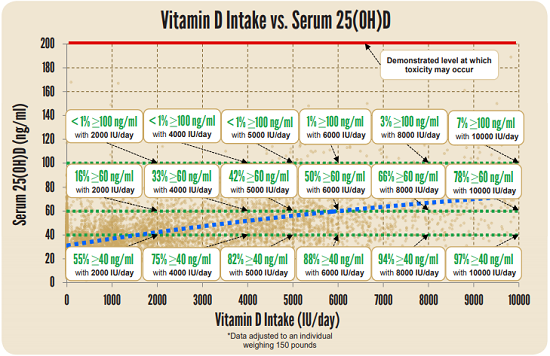
Meanwhile, a stable adequate range supports a smoother internal environment. The sleep you want—deep, restorative, slow wave-rich—often depends on that steadiness more than on any single nightly action.
When to Be Cautious and Seek Guidance
Vitamin D optimization should never ignore safety. Extra caution is wise if you have kidney disease, a history of calcium disorders, sarcoidosis or other granulomatous conditions, hyperparathyroidism, or you take medications affecting calcium metabolism.
If you’re pregnant, have malabsorption issues, or already take high-dose vitamin D, professional guidance becomes even more valuable. Deep sleep is worth pursuing, but it’s worth doing intelligently.
A Shift Worth Keeping: From “Sleep Fixes” to “Sleep Foundations”
Here’s the most energizing reframe. Many people search for sleep like it’s a single switch: one tea, one supplement, one trick. But slow wave sleep is a foundation, and foundations are built from the inside out.
When vitamin D status moves from insufficient toward an adequate, stable range, the body may gain more capacity to regulate inflammation, modulate neural excitability, and settle into restorative rhythms. The result can be subtle at first. Then, gradually, it becomes noticeable: fewer fragmented awakenings, a heavier sleep onset, and a morning that feels less negotiated.
Deep sleep isn’t just something that happens to you. It’s something your biology learns to deliver—again and again—once the right signals, including vitamin D, are in harmony.