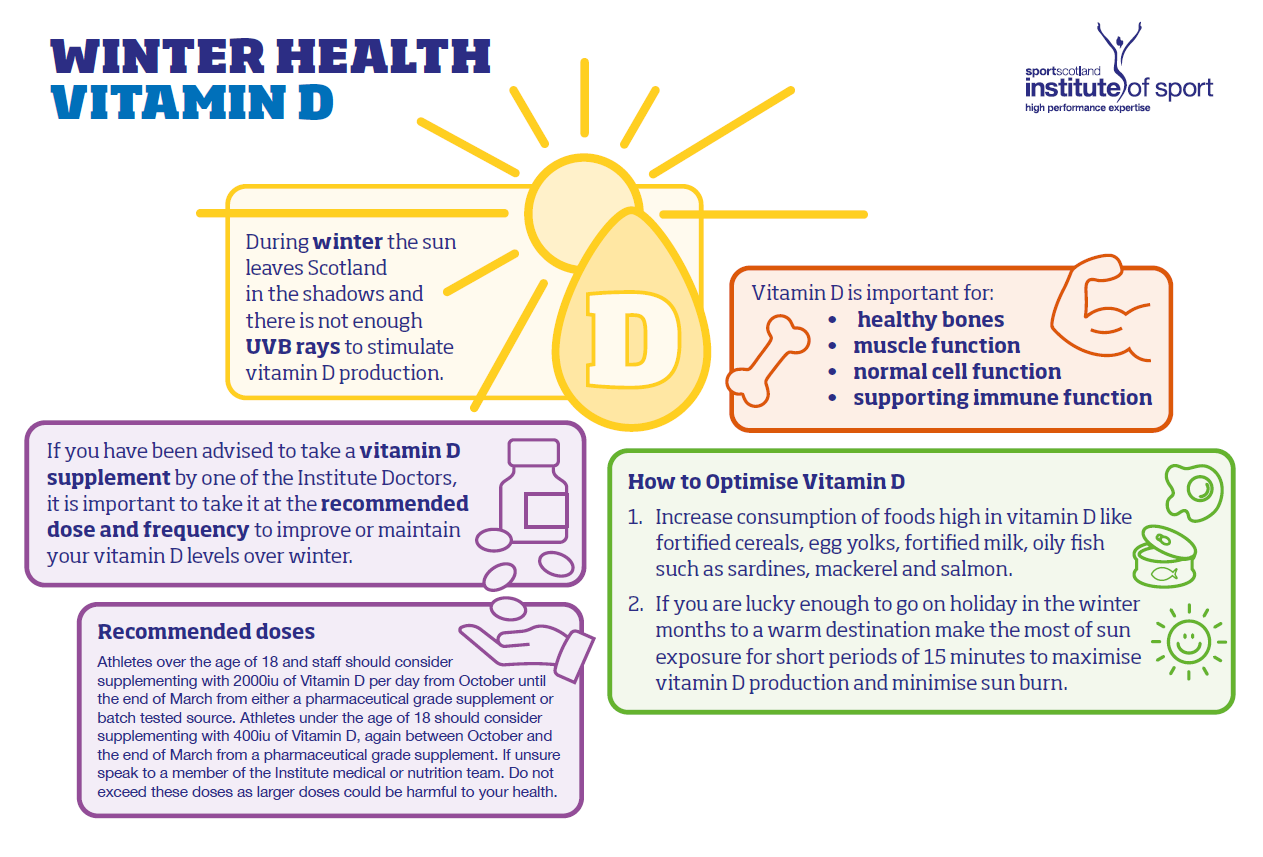
Winter has a peculiar way of turning daylight into a memory. The sky stays muted, the sun feels farther away, and your routine contracts indoors. Many people notice the same unsettling pattern: energy dips, mood softens, and aches seem to linger a little longer. It’s tempting to blame “seasonal fatigue” alone, yet vitamin D often plays a quieter, deeper role. When sunlight dwindles, the body has less opportunity to manufacture this nutrient in the skin—so maintaining healthy vitamin D levels becomes less about desire and more about design.
Why “No Sun” Doesn’t Mean “No Vitamin D”
A common observation is simple: “If there’s no sunlight, vitamin D can’t be made.” That’s partly true, but it misses the full story. Your vitamin D status is shaped by several inputs—dietary intake, body stores, metabolism, and how consistently you replenish what winter withdraws.
Think of vitamin D as a seasonal reservoir. During sunnier months, the body builds stores, and winter draws from those reserves. The fascination lies in the nutrient’s choreography: it doesn’t merely sit in the bloodstream—it participates in signaling pathways that influence immune function, musculoskeletal maintenance, and even cell differentiation. When winter reduces sunlight, you’re not starting from zero; you’re managing a gradual withdrawal.
So the goal isn’t “forcing sunlight.” It’s sustaining the delicate equilibrium that your body previously assembled. Some winters feel harsher than others because temperature, cloud cover, and time spent outdoors can vary dramatically—turning the same calendar month into a different biochemical reality.
Dietary Vitamin D: The Slow-Acting Safety Net
When the sun is scarce, food becomes your most reliable ally. Vitamin D is uncommon in many everyday meals, so the trick is selecting ingredients that are naturally vitamin D-rich or fortified. Long sentences help here because diet is not a single decision—it’s a weekly pattern.
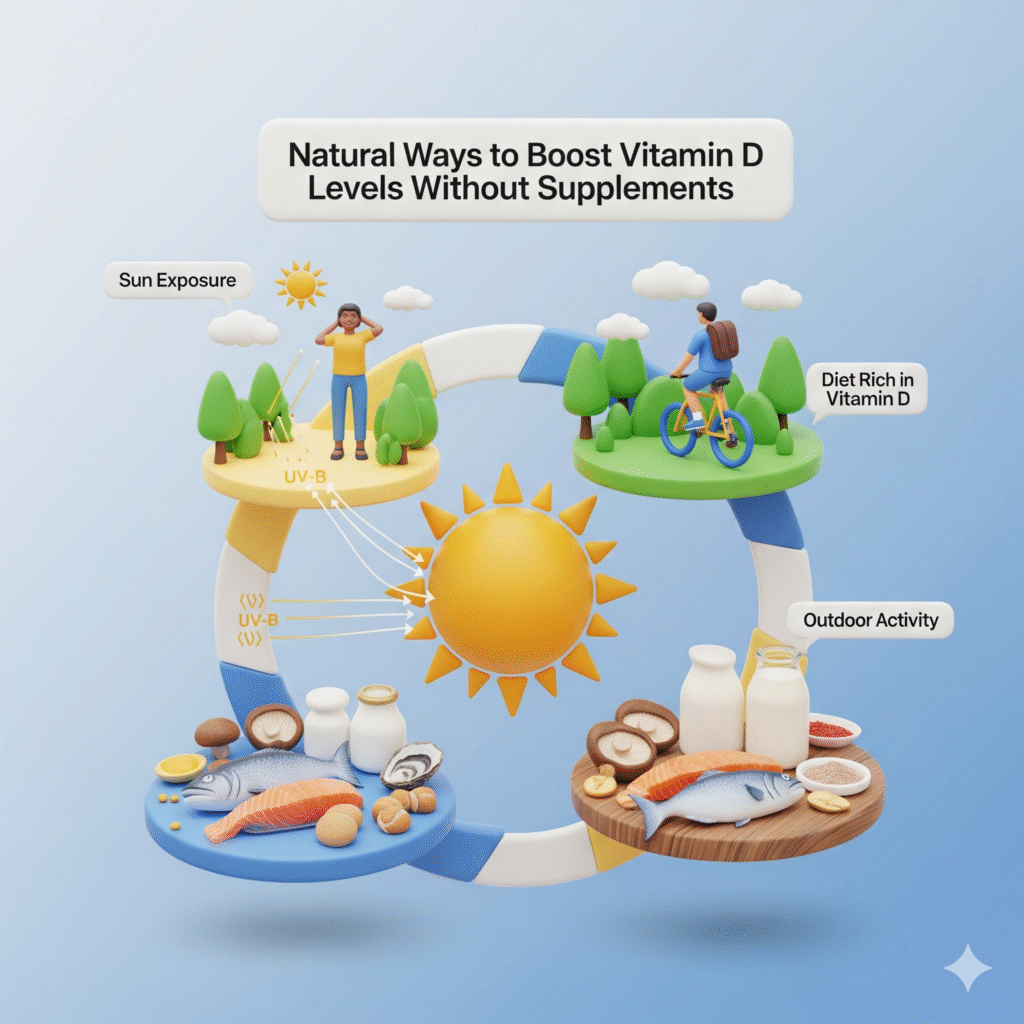
Among the most effective options are fatty fish (salmon, sardines, mackerel), fish liver oils, egg yolks, and fortified dairy or plant-based beverages. Some cereals are also fortified, and certain yogurts may contain vitamin D depending on the brand and region. If you’re building a winter plate, include at least one vitamin D-forward component most days, and two to three times per week if your intake is lower.
Pairing matters. Even when vitamin D itself is present, absorption can be improved when meals contain healthy fats. A lunch of grilled salmon with olive oil, or fortified milk alongside eggs, isn’t just satisfying—it supports the nutrient’s fat-soluble journey through digestion.
Fortified Foods: Micro-Adjustments That Add Up
Fortification is the modern winter workaround: a strategic enhancement of staples so your daily intake doesn’t depend on the weather. The subtle advantage is consistency. Instead of hunting for special “vitamin D days,” you can incorporate small servings across a week.
Look for fortified items such as milk, yogurt, kefir, certain cheese types, and fortified soy, almond, or oat alternatives. Check labels carefully—fortification levels vary widely, and some products are only lightly fortified. For a pragmatic approach, track how many servings you consume and compare it to the recommended daily intake guidance for your age and health profile.
Consistency is where the real magic occurs. Winter nutrition often fails not because choices are bad, but because they are sporadic.
Smart Supplement Use: When Food Isn’t Enough
Supplements can bridge a gap when winter sunlight and diet are insufficient. However, “best” doesn’t mean “blind.” The deeper reason vitamin D supplementation deserves respect is that vitamin D is fat-soluble—excess can accumulate. That’s why a targeted approach is safer than guessing.
If you’re considering supplements, it’s wise to discuss dosing with a clinician, especially if you have kidney disease, a history of high calcium, malabsorption conditions, or are taking medications that influence vitamin D metabolism. For many people, a moderate dose taken reliably through winter is more effective than sporadic, high-dose attempts.
Timing can also be refined. Taking vitamin D with a meal containing fat may support absorption. Think of supplementation as scaffolding: it supports your nutrition plan while daylight remains limited.
Testing and Tracking: The Clarity Advantage
Winter can create fog—not only in the sky, but in the mind. Many symptoms overlap with stress, sleep changes, iron status, or thyroid shifts. That’s why testing offers a clearer map. A blood test for 25-hydroxyvitamin D is the common marker used to understand your status.
With results, you can make informed adjustments: increase diet fortification, modify supplement dosing, or evaluate other contributors like low dietary fat or limited overall intake. Tracking across seasons can be especially revealing. Some people feel “fine” yet maintain low levels, while others experience symptoms even with borderline results.
Testing isn’t only about correcting deficiency—it’s about preventing the slow, silent slide that can occur when winter habits become habitual.
Boost Absorption with the Right Winter Habits
Absorption is a system, not a switch. Vitamin D requires a functional digestive environment and adequate dietary fat. If you’re eating low-fat meals consistently, relying solely on fortification may not be enough. Similarly, certain gastrointestinal conditions can reduce nutrient uptake, complicating winter maintenance.
Physical activity also deserves a mention, even though it doesn’t directly “create” vitamin D like sunlight does. Weight-bearing and resistance exercises help support bone health—the downstream partner of vitamin D. When your body is mechanically active, it uses nutrients more effectively to maintain structure.
Sleep and stress matter, too. Short sentences, then long ones: your hormones influence how your body regulates inflammation, and inflammation affects perceived aches and recovery. Winter management is therefore multi-factorial, and vitamin D is one crucial thread.
Consider Skin Strategy: Indoor Light vs. Meaningful Sunlight
Some people try to solve “no sun” with indoor light, near windows, or brief exposure routines. Unfortunately, window glass often filters wavelengths needed for vitamin D synthesis. Indoor light can improve mood and circadian rhythm, but it usually won’t replicate the nutrient-making process of direct outdoor UVB exposure.
That doesn’t mean indoor light is useless. It may help you stay consistent with your routine—steering you toward movement, hydration, and better sleep. Those habits indirectly support overall wellness and the body’s ability to handle winter stressors.
If you live in a region where UVB is available during winter, short outdoor breaks—layered appropriately—can contribute. Yet conditions vary, and cloud cover, latitude, skin pigmentation, and sunscreen use all change outcomes.
Creating a Winter Vitamin D Plan You’ll Actually Follow
The best winter strategy is one you can sustain during busy weeks. Start with a simple inventory: How often do you eat vitamin D-rich foods? How frequently do you consume fortified products? Do you use supplements, and at what dose? Then choose two interventions rather than ten. For example, add fortified milk to breakfast and include fatty fish twice weekly. If you already do both, then consider testing or a supplement adjustment.
Make it narrative, not punitive. Winter is not a season you “survive” by willpower alone. It’s a season you design. Small repeatable actions are more powerful than occasional intensity.
Food Ideas for Cold Days (With Vitamin D in Mind)
Vitamin D-friendly winter meals can be comforting, not clinical. A salmon bowl with roasted vegetables and olive oil can be both hearty and nutrient-supportive. Sardines on toast offer quick protein plus vitamin D. Fortified yogurt with nuts and fruit becomes an easy snack that fits into real life. If you’re vegetarian, fortified foods are especially important—pair them with vitamin D-aware planning so you’re not relying on chance.
Use this approach: warm foods first, then make them nutrient-dense. A creamy soup prepared with fortified dairy, or a skillet meal finished with a drizzle of healthy fat, can support better absorption while keeping winter cravings satisfied.
Common Misconceptions That Keep People Stuck
Misconception one: “Only supplements matter.” In reality, diet and fortification can cover many needs, especially when applied consistently. Misconception two: “If I feel okay, my vitamin D must be fine.” Symptoms can lag behind biochemical changes, and fatigue can have many causes. Misconception three: “Vitamin D is only for bones.” Vitamin D influences immune responses and cellular processes that extend beyond skeletal health.
Another quiet misconception is the idea that winter is a static problem. But it isn’t. Your clothing choices affect how much skin is exposed during outdoor time. Your schedule affects how often you go outside. Your meal structure affects absorption. These are controllable variables.
The Takeaway: Consistency Over Drama
Maintaining vitamin D levels in winter—when sunlight is limited—requires a calm, methodical approach. Use food and fortified staples as your daily foundation. Consider supplements thoughtfully if testing or intake suggests a gap. Support absorption with dietary fat, and protect bone health with movement. The deeper fascination of vitamin D is that it connects seasons, habits, and physiology in a way that feels almost architectural.
If you build your plan around repetition—rather than desperation—you’ll turn winter from a depletion cycle into a maintenance season. And that shift, quietly, is where better energy and steadier resilience tend to appear.