Vitamin D is often called the “sunshine vitamin,” but its role in the body is far more sophisticated than most people realize. When sunlight exposure is inadequate, the body can’t synthesize enough vitamin D, and a cascade of subtle—then not-so-subtle—symptoms can emerge. The reassuring part? Many vitamin D deficiency issues can be improved with sensible sunlight habits, especially when symptoms are recognized early and paired with supportive lifestyle choices.
1) Persistent Fatigue and Low Drive
One of the most common vitamin D deficiency symptoms is a lingering sense of exhaustion. It may feel like your energy never quite fully recharges, even after sleep. Some people describe it as a “gray fog” over daily tasks—mentally sluggish, physically drained, and unusually unmotivated.
Vitamin D participates in muscle function and may influence how energy is regulated at a cellular level. When levels are low, the body can struggle to maintain smooth neuromuscular performance, which can translate into fatigue. The good news is that consistent, safe sunlight exposure can help nudge levels upward. Start modestly and observe how your routine responds over days and weeks.
2) Muscle Weakness, Achiness, and Body “Heaviness”
Another telltale sign is diffuse muscle discomfort: sore legs, dull shoulder aches, or a generalized heaviness after ordinary activities. Some people mistakenly chalk it up to aging or stress. Yet vitamin D deficiency can contribute to muscle weakness and impaired strength.
When vitamin D is sufficient, the body can better support muscle contraction and skeletal health. With insufficiency, muscles may feel fragile, slow to recover, or oddly uncoordinated—especially during stairs, workouts, or longer walks.

3) Bone Pain and Increased Susceptibility to Fractures
Vitamin D is closely tied to calcium absorption, and calcium is the building block of bone. Low vitamin D can therefore manifest as bone pain—sometimes felt in the back, hips, or legs. In more severe cases, the risk of fractures may rise due to reduced bone mineral density.
Bone pain can be tricky because it overlaps with many conditions. Still, the pattern matters: persistent discomfort without a clear injury, coupled with other symptoms such as muscle weakness, may point toward vitamin D insufficiency.
Sunlight can be a practical starting point, but if bone pain is significant or progressive, a clinician should assess the situation. Safety first—especially for anyone with osteoporosis risk, chronic kidney disease, or malabsorption disorders.
4) Frequent Colds, Respiratory Infections, and a “Low-Resilience” Immune System
People with vitamin D deficiency sometimes report that they catch infections more easily. The immune system relies on vitamin D for balanced inflammatory responses and effective defense. When levels are low, the body may respond sluggishly, making recurring colds and respiratory issues more frequent.
This doesn’t mean sunlight is a cure-all. It means vitamin D may help the immune system operate with better regulation—neither overreacting nor underperforming. Think of it as improving immune “tuning,” rather than flipping a single switch.
5) Mood Changes: Feeling Down, Irritable, or Emotionally Flattened
Vitamin D deficiency has been associated with mood disturbances in many individuals. Some experience low mood, irritability, or an emotionally muted feeling—like motivation has been turned down in the background. While mood symptoms have multiple causes, vitamin D insufficiency can be a contributing factor.
Sunlight also has a psychological effect. Daylight exposure influences circadian rhythm and can improve alertness, which may indirectly support mood. Together, the physical and behavioral components can help explain why some people feel noticeably better after improving safe sun exposure.
6) Hair Shedding and Scalp Changes
Hair shedding can be alarming. Though genetics and hormonal factors are major players, vitamin D deficiency may contribute to hair follicle cycling problems in certain people. You might notice increased shedding, thinner patches, or scalp changes accompanied by fatigue or generalized aches.
Because hair growth depends on a complex interplay of nutrients and hormones, sunlight isn’t a standalone solution. Still, addressing vitamin D insufficiency can be a rational step, especially when symptoms cluster across energy, muscles, and skin.
7) Slow Healing and Frequent Skin Issues
When vitamin D levels are low, some people report slower recovery from minor wounds and recurring skin complaints. Vitamin D plays a role in skin health and inflammatory modulation. That can affect how the skin responds to irritation, dryness, or inflammatory conditions.
Sunlight can help support vitamin D status, but skin should be protected. Use a balanced approach: short, regular exposure and sunscreen when appropriate—particularly if you have fair skin, a history of sunburn, or high UV sensitivity.

8) Thinning Muscles, Reduced Endurance, and “Why Can’t I Bounce Back?”
Some deficiency signs are functional rather than dramatic. You might notice reduced endurance, weaker performance during exercise, or longer recovery times after physical exertion. The body can feel like it’s operating with less reserve.
This symptom is particularly common when people live indoors, avoid direct sunlight, wear full coverage clothing, or live in high-latitude regions with limited sunlight. Even in sunny climates, sunscreen habits and consistent shade can reduce vitamin D synthesis.
The pathway to improvement often involves reintroducing sunlight gradually, then monitoring response. Over time, better vitamin D status can support strength, recovery, and overall vitality.
9) Vitamin D Deficiency Risk Factors You Should Not Ignore
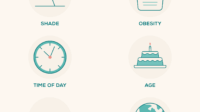
Recognizing symptoms matters, but identifying risk factors can prevent deficiency from becoming entrenched. Higher risk tends to occur with limited sun exposure, darker skin pigmentation (which reduces vitamin D synthesis efficiency), older age, obesity (vitamin D can be sequestered in body fat), and conditions that impair absorption—such as celiac disease or inflammatory bowel disease.
Certain lifestyles also raise risk: working night shifts, wearing clothing that covers most skin, regularly using high-SPF sunscreen, and living far from the equator. If multiple risk factors apply, symptoms may show sooner or be harder to overlook.
In these situations, sunlight can be helpful, but blood testing provides clarity. A clinician can confirm levels and guide a tailored plan to avoid both deficiency and excess.
How to Use Sunlight Effectively (Without Overdoing It)
To “fix” vitamin D deficiency symptoms with sunlight, the goal is consistent, safe exposure—not sunburn. Many people do best with short, regular sessions of daylight to skin that is typically covered. Timing matters too. Late morning through mid-afternoon often delivers stronger UVB exposure in many regions.
Start gently, especially if you’re fair-skinned or prone to burning. Then increase exposure gradually based on how your skin responds. Pair sunlight with vitamin D–supportive habits: balanced nutrition, physical activity, and adequate sleep. If you live in winter months with low UVB, sunlight alone may not be sufficient, and professional guidance becomes even more important.
Important note: If you have a history of skin cancer, are immunocompromised, or have persistent symptoms, consult a healthcare professional before making changes. Safe exposure is always the priority.
When Symptoms Suggest You Should Get Tested
Some symptoms overlap with other medical conditions—thyroid disorders, anemia, autoimmune diseases, and depression can mimic vitamin D deficiency. If fatigue, bone pain, or mood changes persist, testing can bring precision. A blood test for 25-hydroxy vitamin D is commonly used to evaluate status.
Testing is especially valuable if symptoms are severe, if you have risk factors for malabsorption, or if sunlight exposure isn’t practical. With results, you can adjust your plan thoughtfully and confidently.
The Takeaway: Sunlight as a Gentle, Practical Tool
Vitamin D deficiency can feel like a slow decline—quiet symptoms that gradually accumulate until life feels harder than it should. Yet many people can improve their trajectory with safe sunlight exposure and smart routines that respect skin health. When you connect symptoms like fatigue, muscle weakness, mood changes, and bone discomfort to vitamin D insufficiency, the path forward becomes clearer.
Sunlight won’t replace medical care when it’s needed, but it can be a powerful, accessible first step. The body responds best to consistency. Give it that steady, well-timed daylight—then watch how you feel.