Chronic urticaria—often dismissed as “mysterious itch” and sometimes treated like an endless annoyance—can feel like weather that refuses to change. Day after day, welts bloom, fade, and return, as if the skin is conducting an erratic symphony. In that unsettled landscape, high-dose vitamin D has emerged as a compelling hypothesis. Not a miracle wand, not a universal key, but a rhythm that may resonate for certain bodies—especially those where vitamin D deficiency is present.
The Rationale: Why Vitamin D Could Calm a Nervous-Skin Storm
Vitamin D is more than a bone ally. It behaves like a molecular diplomat, influencing immune regulation, inflammatory signaling, and cellular communication. Chronic urticaria is increasingly understood as a disorder of immune dysregulation—sometimes driven by autoimmunity, sometimes by mast-cell activation, and sometimes by a more tangled interaction between innate and adaptive immunity.
Vitamin D enters the story through the immune system’s “steering wheel.” It may encourage a balanced immune tone, nudging the body away from excessive reactivity. Think of vitamin D as a dimmer switch for inflammation: when the setting is wrong—too bright—signals can over-amplify, and histamine-rich cascades may follow. When levels are adequate, the dimmer may restore a more stable glow.
What “High-Dose” Means in Practice (and Why It Matters)
When people hear “high-dose,” they often picture extremes. In medical discussions, “high-dose” generally refers to dosing strategies that aim to rapidly correct deficiency or reach higher, sustained serum concentrations. The precise regimen varies across studies and clinical protocols, and the approach depends on baseline vitamin D status, absorption, body weight, comorbidities, and safety monitoring.
It’s crucial to recognize the difference between supplementing a deficiency and megadosing without context. Evidence is most persuasive when the intervention meaningfully changes vitamin D status. If someone already has ample vitamin D, the incremental benefit may be small—or nonexistent.

Clinical Evidence: What Studies Suggest About Vitamin D and Hives
The evidence base is not a single, unbroken chain—more like a constellation. Multiple clinical investigations have explored vitamin D supplementation in chronic urticaria, often highlighting two recurring themes: improvement is more likely in participants with lower vitamin D levels at baseline, and benefits—when they occur—tend to appear over weeks rather than hours.
Some trials report reductions in itch intensity and wheal frequency, while others show more modest changes. Variability can stem from differences in study design, dosing schedules, patient selection, and how outcomes are measured (for example, symptom scoring systems). Yet the pattern remains intriguing: vitamin D deficiency appears to be a key that unlocks the possibility of response.
In narrative terms, the evidence reads like this: vitamin D does not always extinguish the fire, but it can supply the missing element that helps the immune thermostat work again.
Mechanisms Under the Hood: Histamine, Mast Cells, and Immune Modulation
Chronic urticaria often involves mast cells—cells that release mediators such as histamine, driving the swelling and itch sensation that define hives. Vitamin D may influence how mast cells behave, potentially lowering the likelihood of exaggerated mediator release. It can also affect cytokines—chemical messengers that coordinate immune activity.
One pathway conceptually resembles traffic control. Without proper vitamin D signaling, immune “drivers” may follow aggressive routes, leading to flare-ups. With improved vitamin D status, the traffic system may become less chaotic: fewer inappropriate signals, fewer runaway inflammatory waves.
Additionally, vitamin D may interact with autoimmunity-related dynamics. In subsets of chronic urticaria where autoimmune features are present, vitamin D’s immunoregulatory behavior could be particularly relevant.
How Supplementation Might Translate Into Real-World Relief
While research focuses on endpoints, patients experience the story differently: waking without fresh welts, needing fewer rescue antihistamines, sleeping through the night without the dread of another flare. If vitamin D helps, it typically supports broader disease control rather than acting as an isolated instant cure.
For clinicians and patients, this means expectations should be tuned appropriately. A measured, structured approach is often more useful than hoping for dramatic day-one transformation. Vitamin D correction may function as an “ongoing stabilizer,” gradually improving the internal conditions that allow hives to keep returning.
Who May Benefit Most: The Case for Baseline Deficiency
Deficiency is the spotlight in many analyses. People with low serum 25-hydroxyvitamin D levels may be more likely to see improvement after supplementation. In contrast, individuals with sufficient or high-normal vitamin D might not experience the same effect—because the immune system’s steering wheel may already be aligned.
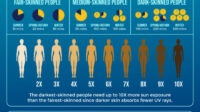
Risk factors for low vitamin D are common: limited sun exposure, darker skin pigmentation, higher body weight affecting distribution, certain dietary patterns, and some health conditions that impair absorption. Chronic urticaria doesn’t discriminate, but vitamin D status often does.
So the most compelling therapeutic logic is personalized: measure, interpret, and supplement with intent.
Safety and Monitoring: The Unseen Boundary of “More”
High-dose vitamin D is not a free pass. The body can accumulate vitamin D, and excess vitamin D may raise calcium levels, potentially causing complications such as hypercalcemia and kidney stress in susceptible individuals. This is why responsible vitamin D strategies include monitoring.
Typical safety-minded practice involves checking baseline vitamin D levels and repeating labs after a defined period. Depending on the dosing plan, calcium (and sometimes related markers) may also be assessed. The overarching principle is straightforward: correct deficiency while respecting physiological ceilings.
Short sentence, important meaning: the goal is balance, not excess.
Interaction With Standard Therapy: Complement, Not Replacement
Chronic urticaria care often includes antihistamines as first-line management. Some patients need stepwise adjustments—higher antihistamine doses, add-on therapies, or advanced options when symptoms persist. In that context, vitamin D supplementation is best viewed as an adjunct—an attempt to address an upstream modifiable factor that may influence overall immune reactivity.
It should not be treated as a replacement for evidence-based anti-urticarial regimens. Instead, the practical question becomes: can vitamin D improve the terrain in which standard treatments work? If the immune system is less volatile, the entire treatment plan may feel more effective, and flare-ups may become less frequent.
Limitations of the Evidence: Why Results Aren’t Uniform
Not every study shows a clear benefit, and that matters. Some investigations include small sample sizes, variable dosing schedules, and heterogeneous patient populations. Chronic urticaria itself is not a single disease entity but a clinical phenotype produced by multiple mechanisms.
Outcome measurement also varies. A trial may report improvement in symptom scoring, while another may see partial or non-significant changes. The timeline of assessment can differ too—some improvements may be missed if follow-up is too short.
Even so, the signal is not easily dismissed. Rather than a definitive guarantee, the evidence suggests a probability shift—especially for those with low vitamin D.
Intriguing Appeal: Vitamin D as a “Quiet Conductor” for Itch
Chronic urticaria can make the skin feel like a stage that won’t stop lighting up. Vitamin D offers an appealing metaphor: the “quiet conductor” behind the scenes, adjusting the immune orchestra’s tempo. The goal isn’t to silence music forever. It’s to prevent the chaotic bursts—those sudden, unnecessary surges—that turn everyday life into a negotiation with the next flare.
The unique appeal lies in plausibility and patient-centered logic: correcting a measurable deficiency, supporting immune regulation, and potentially enhancing control alongside standard therapy. When approached with proper testing and monitoring, vitamin D becomes less of a gamble and more of a thoughtfully calibrated instrument.
Practical Next Steps: Questions to Bring to Care
If considering high-dose vitamin D for chronic urticaria, a prudent pathway often begins with laboratory assessment of 25-hydroxyvitamin D. From there, dosing can be tailored to deficiency severity and risk profile. Ask about safety monitoring plans, target ranges, and how supplement timing fits with existing treatments.
Also discuss symptom tracking. Chronic urticaria responds in patterns, not in single moments. Recording wheal frequency, itch severity, sleep disruption, and medication use can help clarify whether vitamin D is contributing to improvement.
In the end, the evidence encourages neither blind optimism nor abrupt skepticism. It suggests possibility—with conditions. And for patients living under the constant weather of hives, even a modest shift toward stability can feel like relief.