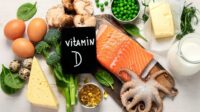
Vitamin D is often treated like a fragile pearl—something that must be protected from light, air, and time. Then cooking enters the conversation, bringing a very different energy: heat. The central question—does cooking fat with vitamin D destroy it?—doesn’t have a single yes-or-no answer. It depends on the form of vitamin D, the temperature profile, the cooking medium, and how long the heat lingers. In other words, the answer is less “it’s ruined” and more “it depends how you handle the flame.”
Understanding Vitamin D’s Chemical Temperament
Vitamin D isn’t one compound. It’s a family, and the main dietary players are vitamin D3 (cholecalciferol) and vitamin D2 (ergocalciferol). Both are fat-soluble secosteroids—molecules with a structured, ring-like backbone that can be vulnerable to certain conditions. Heat can accelerate degradation, but degradation is not purely a heat question; it’s also a chemistry-and-kinetics question.
In fats, vitamin D typically “rides along” in the lipid phase. That can be protective in some ways, yet it can also become a delivery system for heat exposure. If the vitamin is dissolved or dispersed in oil, it will experience the same thermal environment as the surrounding fat. So the fate of vitamin D is tied to the fat’s thermal stability and to how oxygen, moisture, and oxidation products interact in the pan.
Short version: vitamin D can degrade under heat, but the amount of loss varies, and realistic cooking practices may not cause catastrophic destruction.
Does Heating Fat Always Destroy Vitamin D? The Heat-Threshold Reality
“Heat destroys vitamin D” is an overly blunt statement. Degradation usually follows a rate-based pattern: the hotter and longer the exposure, the greater the loss. Mild to moderate warming tends to be far less harmful than deep-frying or prolonged simmering at high temperatures.
Think of vitamin D like a clockwork mechanism. Gentle warmth can slow the wear; intense heat can speed up corrosion—chemically speaking. With vitamin D in oil, the key risk is not just temperature alone but the combination of temperature with oxidation. Oils that oxidize heavily can create reactive species that may also nudge vitamin D toward breakdown.
Practical takeaway: if you’re heating infused fats, frying briefly is different from keeping an infused oil at smoking heat for long stretches.
Vitamin D in Oil vs. Vitamin D in Food Matrices
Where vitamin D lives matters. When vitamin D is blended into a cooking fat, it’s exposed directly to the heat and any oxidative stress of the oil. But when vitamin D is in a broader food matrix—say, suspended within batter or emulsified in sauce—the environment can alter how quickly heat and oxygen reach the vitamin molecules.
Emulsions can be protective because they distribute heat and slow diffusion. Meanwhile, dense matrices can reduce oxygen availability at the vitamin site. However, these effects are not magic shields; they are just modifiers.
In short: vitamin D in pure oil is like leaving a delicate instrument in the open; vitamin D distributed through a food system can be somewhat better insulated, depending on the recipe and technique.
Different Cooking Methods: A Practical Comparison
Not all cooking is created equal. Here’s how common methods influence vitamin D stability:
Low to moderate sautéing: Typically involves shorter contact time and lower thermal peaks. Loss, if any, is often limited.
Baking and roasting: Uses sustained heat. Depending on temperature and duration, degradation can be more noticeable.
Simmering sauces: Prolonged exposure is common, but simmering temperatures are generally lower than frying. The longer timeline can still matter.
Stir-frying: Short bursts at high heat can be less damaging than long, steady heat, yet it can be harsh if the oil repeatedly approaches the smoke point.
Deep-frying: Often the most concerning. High temperatures plus frequent oil turnover can accelerate breakdown of fat-soluble nutrients.
Consider the cooking method as a “heat curve.” The curve’s height (temperature), its width (time), and its oxygen exposure (oxidation conditions) collectively determine the outcome.
How Oil Type Changes the Outcome (Smoke Point, Oxidation, and Fatty Acids)
The fat you choose can meaningfully affect vitamin D retention. Oils with different fatty acid profiles behave differently under heat. Highly unsaturated oils may oxidize more readily, producing byproducts that can contribute to nutrient degradation. Saturated fats tend to be more thermally steady, while polyunsaturated fats are more susceptible to oxidative stress.
Smoke point is often used as a practical marker. When oil approaches its smoke point, oxidation tends to rise sharply. If vitamin D is dissolved in that oil, it sits in the same oxidative climate.
Image readers can visualize the heat-threshold concept below.

Pragmatic advice: if you’re using vitamin D–fortified or vitamin D-infused fat, choose a method that avoids prolonged high-heat stress, and avoid letting the oil repeatedly run near smoking temperatures.
Oxygen, Light, and Time: The Hidden Co-Conspirators
Heat rarely acts alone. Oxygen accelerates oxidation reactions, and oxidative byproducts can interact with fat-soluble compounds. Even if you don’t “cook” the vitamin directly, storage conditions matter. Light exposure can also encourage degradation of sensitive nutrients over time.
So, a skillet on high heat is only one piece of the puzzle. A bottle of vitamin-infused oil stored in a bright kitchen window for weeks is another. Time is the silent variable: longer exposure, even at lower temperatures, can reduce stability.
Short sentence with emphasis: heat plus oxygen is a harsher duet than heat alone.
What About “Cooking Fat” in Supplement Contexts?
Many people don’t think of vitamin D as something they cook into food; they think of it as something they swallow. Yet some products and home routines involve heating oils or combining vitamin D preparations with warm fats.
If vitamin D is added to cooking oil intentionally, treat it like a “finishing ingredient,” not a “stewing ingredient.” The later it’s introduced in the cooking process, the more likely it avoids peak thermal stress. Finishing also reduces the probability that the vitamin will travel through multiple thermal cycles.
In narrative terms, imagine vitamin D as a passenger on a road trip. A brief ride through a mountain pass is manageable; parking it in the middle of the desert during a heat wave isn’t.
Signs of Loss: How Would You Know If Heat Reduced It?
There’s no kitchen-grade indicator for vitamin D degradation. Vitamin D doesn’t reliably change color or smell in a way that signals nutrient loss. Oil might look the same, yet chemical composition can shift subtly.
This is why stability advice is probabilistic rather than visual. The best approach is to assume that higher heat and longer time increase risk—even when the oil appears unchanged.
Best Practices to Preserve Vitamin D in Warm Foods
If you want the vitamin D to survive cooking as much as possible, a few strategies help:
Choose gentler methods: Use lower temperatures and shorter exposure when possible.
Add late: Stir in vitamin D–containing oil near the end of cooking.
Minimize smoke-point behavior: Avoid intense overheating and repeated high-heat cycles.
Reduce oxygen exposure: Keep lids on during storage and avoid leaving infused oils open for long periods.
Store properly: Cool, dark storage preserves many nutrients and slows oxidative drift.
These steps don’t guarantee zero loss, but they aim for a sensible compromise between cooking pleasure and nutrient stewardship.
The Bottom Line: Heat Can Reduce Vitamin D, but “Destroy” Depends on Conditions
Does cooking fat with vitamin D destroy it? Heat can degrade vitamin D, particularly under high temperatures, prolonged cooking, and oxidative conditions. Yet everyday cooking—handled thoughtfully—may not fully annihilate vitamin D. The more intense the heat curve and the longer the oil stays hot, the more likely meaningful loss becomes.
Ultimately, treat vitamin D as a heat-sensitive ally. Keep it away from the harshest thermal extremes, introduce it later in the cooking process, and prioritize fats and methods that respect oxidative stability. That approach turns a worrying question into an actionable culinary plan.