Vitamin D is often framed as the body’s quiet custodian—helping bones mineralize, muscles contract with steadier grace, and the immune system respond with more orchestration than chaos. Yet the internet has its own tempo: one viral claim, one skeptical counterclaim, and suddenly everyone wonders whether this nutrient can tip into danger. Can you overdose on vitamin D? The short answer is yes—though the path to toxicity is narrower and more methodical than most headlines suggest. Let’s recalibrate your expectations, step by step, and uncover what “too much” truly means.
Vitamin D: Essential, Not Indestructible
Vitamin D is not a simple “more is better” substance. It’s a fat-soluble secosteroid, meaning it behaves differently from water-soluble vitamins that wash out more readily. When fat-soluble compounds are accumulated, they don’t immediately leave your body the way a passing drink disappears from the bloodstream. Instead, vitamin D can be stored in adipose tissue and released gradually. That storage feature is part of why vitamin D can be helpful—but also why it can become problematic when supplementation overshoots the mark.
Inside the body, vitamin D has a sequence of transformations. First it’s processed in the liver, then again in the kidneys (or related tissues) into its biologically active form. The result is a hormone-like compound that influences calcium absorption, muscle function, and broader cellular signaling. Because vitamin D regulates calcium so directly, toxicity is less about “vitamin D symptoms” alone and more about the domino effect of elevated calcium.
So the truth begins here: you’re not overdosing on a vitamin in the abstract. You’re disturbing the biochemical rhythm—especially the calcium axis.
What Does “Overdose” Actually Mean for Vitamin D?
People imagine overdose as an abrupt, dramatic event—like swallowing too many pills at once. But vitamin D toxicity is more often the consequence of chronic excess: repeated high-dose supplementation over weeks or months. The body may not sound an alarm immediately, because the nutrient is stored and converted slowly. That delayed signal can lull someone into thinking, “Nothing bad is happening,” until labs reveal hypercalcemia (elevated calcium) and symptoms begin to surface.
Importantly, overdose doesn’t always happen from normal daily use. It typically emerges from unusually high intakes—often far above typical maintenance supplementation—especially when taken without medical monitoring. Certain people are at higher risk, including those with conditions that increase sensitivity to vitamin D or calcium, as well as individuals taking medications that interact with calcium metabolism.
In other words: overdose is not impossible, but it is usually a measurable deviation from typical dosing patterns.
The Real Culprit: Hypercalcemia and Its Uncomfortable Consequences
When vitamin D levels become excessive, calcium absorption from the gut can surge. The body may respond by raising calcium in the bloodstream—hypercalcemia—which can affect nearly every organ system. This is why vitamin D toxicity can feel like a multi-system mystery, not a single symptom story.
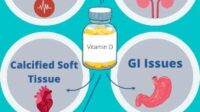
Common manifestations include nausea, constipation, fatigue, and a reduced appetite. Your kidneys may struggle, potentially leading to increased urination (polyuria), excessive thirst (polydipsia), and dehydration. Over time, calcium can deposit in tissues, which is where the situation becomes more severe and harder to reverse quickly.
Neurologically, high calcium can cause confusion, lethargy, or in extreme cases, cardiac rhythm disturbances. It’s unsettling, and it’s also instructive: vitamin D toxicity is often the calcium story in disguise.
Think of it like this: vitamin D “turns up the volume” on calcium absorption. If the sound system is already overloaded, the music becomes distortion.
How Much Is Too Much? The Threshold Isn’t a Myth—But It’s Not One-Size-Fits-All
There isn’t a single universal number that applies perfectly to every person. Tolerance varies with body weight, baseline vitamin D status, overall health, kidney function, and even genetic factors affecting vitamin D metabolism. Still, there are broad patterns in clinical practice.
Many people stay within safe ranges when using standard supplements as directed. Toxicity becomes a genuine concern when dosing is substantially higher than recommended, particularly if taken for extended periods. Additionally, some people accidentally overdo it because they take multiple products containing vitamin D—like a multivitamin plus a separate vitamin D capsule plus fortified foods—without realizing the cumulative amount.
One of the most overlooked mechanisms of “too much” is the stacking of sources. The body doesn’t care whether the extra comes from a single pill or five different labels.
Curiosity can be productive here. Ask your lab results, not your assumptions.
Symptoms That Should Trigger Immediate Concern
Because early toxicity can be subtle, it helps to know what warrants urgency. If someone is taking high-dose vitamin D and develops persistent nausea, vomiting, intense constipation, abnormal thirst, frequent urination, unusual weakness, or confusion, it’s time to stop guessing and get evaluated. These aren’t “wait and see” signals; they’re classic patterns that may correspond to elevated calcium and dehydration-related stress.
Kidney symptoms matter too. Vitamin D toxicity can contribute to kidney strain, and calcium can form deposits. That’s why unexplained flank discomfort or worsening hydration status should prompt clinical review—especially in someone who has been supplementing aggressively.
When symptoms align with high calcium risk, the safest approach is prompt measurement of blood calcium and vitamin D metabolites. Bloodwork doesn’t merely confirm worry; it clarifies the path forward.

Who Is More Likely to Experience Toxicity?
Some individuals are primed for a higher likelihood of toxicity. Kidney disease, for example, can impair calcium and vitamin D processing. People with certain granulomatous disorders—where the body forms inflammatory tissue clusters—may produce active vitamin D more efficiently than normal, raising calcium risk even without enormous supplementation.
Hyperparathyroidism is another relevant condition. When parathyroid hormone levels are elevated, calcium regulation is already disturbed, and additional vitamin D can push the system into instability. Certain medications can also contribute—like thiazide diuretics, which reduce calcium excretion, potentially intensifying hypercalcemia risk.
Even without chronic illness, people who take supplements without checking baseline levels or who follow unvetted online dosing strategies can inadvertently drift into excessive intake.
The theme is consistent: risk rises when your body’s calcium handling is already precarious—or when supplementation overshoots your individualized needs.
Lab Testing: The Most Truthful Lens
Vitamin D toxicity is best understood through measurements. Clinicians often evaluate serum 25-hydroxyvitamin D (the main circulating form) and check calcium levels to see whether the conversion and absorption effects have crossed into danger. Sometimes additional markers—such as kidney function and parathyroid hormone—enter the picture to interpret why calcium is behaving oddly.
Testing also helps correct course. A low vitamin D level doesn’t automatically mean a person needs a high-dose regimen indefinitely. Conversely, normal levels don’t justify random megadoses “for better immunity.” Measurements reduce the guesswork and prevent the slow creep from adequate to excessive.
Curiosity becomes a disciplined practice when you let data steer the narrative.
Can You Detox by Stopping? What Happens After Overconsumption?
Stopping vitamin D is usually the first step if toxicity is suspected, but “stop” is not the whole treatment story. Recovery depends on how high the calcium and vitamin D levels are, and whether symptoms are severe. In some cases, medical professionals may recommend reducing calcium intake temporarily and increasing hydration. Severe hypercalcemia may require more intensive interventions, depending on clinical findings.
The body’s stored vitamin D complicates the timeline. Because fat-soluble vitamin D can remain in tissues, levels may decline more gradually than with water-soluble vitamins. That means the resolution is often a process, not an instant reversal.
Still, the direction is reassuring: with appropriate medical guidance, vitamin D toxicity can be managed, and calcium levels can return toward normal. The key is timely response.
Rethinking the Promise: Vitamin D Without Fear, With Precision
There’s a temptation to swing between extremes—either treating vitamin D as a harmless miracle or treating it as a hidden villain. The truth is steadier than both stories. Vitamin D is useful, sometimes even necessary, particularly for people with limited sun exposure or specific medical needs. But “useful” doesn’t mean “indefinitely expandable.”
A wiser perspective is calibration: supplementing only when appropriate, using doses that fit your context, and verifying with lab results when risk or high dosing is involved. This approach transforms supplementation from a gamble into a strategy.
Curiosity doesn’t have to spiral into dread. It can evolve into a more nuanced question: How do you use vitamin D to support your body’s systems—without letting the calcium axis become the plot twist?
Practical Takeaways: A Safer Way to Approach Supplementation
Start with your baseline. If you’re considering vitamin D supplementation, especially at moderate-to-high doses, checking current vitamin D and calcium status can prevent silent overcorrections. Read labels carefully and add up all sources, including multivitamins and fortified products.
Use guidance, not bravado. Dose recommendations should align with your health status and, when possible, with professional advice. If you experience symptoms that could reflect hypercalcemia—nausea, constipation, excessive thirst, frequent urination, confusion—seek medical evaluation rather than trying to “push through.”
Finally, remember that vitamin D doesn’t work in isolation. Sleep, hydration, overall nutrition, and kidney health all contribute to the metabolic environment where vitamin D exerts its influence. When your approach is holistic, your risk shrinks—and your confidence grows.