Every so often, a single nutrient becomes the subject of whispers—then conversations—then cautious optimism. Vitamin D is one of those characters in modern health folklore. Yet the question isn’t whether it’s “good for you” in the abstract; it’s whether it can genuinely soften a symptom that hijacks daily life: hot flashes. In 2025, a meta-analytic lens invites a more disciplined kind of curiosity, one that tries to separate hope from effect size, intuition from physiology. Could Vitamin D, taken consistently, nudge hot flashes into a less dramatic rhythm?
Why Hot Flashes Feel So Unpredictable
Hot flashes aren’t merely uncomfortable. They are disruptive signals—sudden warmth, flushing, sweating, sometimes followed by chills or sleep fragmentation. What makes them especially vexing is their intermittency. One moment you’re fine; the next, your body seems to switch into emergency mode without an obvious trigger.
At the biological level, hot flashes are often linked to thermoregulatory instability in the brain. Estrogen withdrawal during menopause alters neurotransmitter balance and narrows the body’s “thermoneutral zone,” meaning you need less provocation before you overreact with heat. But the plot thickens: inflammation, oxidative stress, and metabolic factors may modulate susceptibility. That’s where micronutrients enter the scene—like quiet modifiers of a noisy system.
In other words: hot flashes are not a single-note problem. They are a layered orchestra. So when researchers ask about Vitamin D, they’re not asking a superficial question. They’re probing whether a nutrient with hormonal and immune influence might dampen the system’s volatility.
Vitamin D Beyond Bones: A Hormone-Like Imprint
Vitamin D is frequently discussed as a calcium partner. That framing is accurate, but incomplete. Vitamin D behaves more like a prohormone: it can be converted into an active form that influences gene transcription and immune regulation. Many tissues have vitamin D receptors, not only the skeleton.
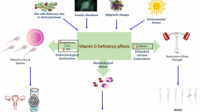
This matters because hot flashes may be affected by pathways that vitamin D can plausibly influence—such as inflammatory signaling, endothelial function, and neuronal modulation. Some people experience symptoms more intensely when systemic stressors are present. Vitamin D deficiency is common, particularly in individuals with limited sun exposure, higher skin melanin, darker climates, or dietary patterns that underprovide fortified foods.
So the narrative shifts. Instead of “Vitamin D helps menopause,” a more intriguing premise emerges: “Vitamin D might rebalance a dysregulated background, and that may translate into fewer or milder hot flashes for some individuals.” Not everyone, not magically—but selectively, depending on baseline status and response.
What a 2025 Meta-Analysis Tries to Clarify
Meta-analysis is a different kind of storyteller. It gathers multiple studies and asks, “Is there a consistent signal?” The objective is to reduce noise, smooth inconsistencies, and estimate a more stable effect across varying populations, dosages, and study designs.
When it comes to Vitamin D and hot flashes, the key issue is heterogeneity. Trials differ in vitamin D forms, dosing schedules, duration, participant characteristics, and how outcomes are measured. Hot flashes can be counted (frequency), rated (severity), or tracked through patient diaries and validated questionnaires. Each method captures a slightly different texture of the symptom.
A meta-analytic approach doesn’t just look for “any improvement.” It weighs evidence like a careful curator, comparing effect sizes and considering whether improvements are clinically meaningful or simply statistically visible. In 2025, the curiosity is sharpened by the idea that symptoms may improve in parallel with vitamin D repletion—especially among participants who began with low levels.
Does Vitamin D Reduce Hot Flashes? The Core Findings—With Nuance
The central question—does Vitamin D reduce hot flashes—often receives a cautiously optimistic answer, but not an absolute one. Meta-analytic synthesis in 2025 suggests that Vitamin D may be associated with reductions in hot flash frequency and/or severity, particularly when participants have insufficient vitamin D at baseline or when supplementation effectively raises serum 25(OH)D.
However, the magnitude of benefit is likely modest rather than earthshaking. Think of it as a soft dimmer switch, not a lights-out event. Hot flashes are multifactorial, and Vitamin D is only one thread in the tapestry.
Still, a consistent direction of effect—if supported across studies—invites a new way of thinking. Perhaps Vitamin D doesn’t “treat menopause” so much as “stabilize vulnerability.” That framing transforms the promise from a single-sentence claim into a mechanism-adjacent hypothesis: Vitamin D may influence neuroendocrine signaling and immune activity, thereby lowering symptom intensity.
Who Might Benefit Most: Deficiency, Sunlight, and Individual Biology
If Vitamin D acts partly by correcting deficiency, then it follows that the people most likely to see changes are those who start low. Baseline status can function like a starting line in a race. If you begin far behind, the same intervention may produce more noticeable gains.
Several practical factors shape baseline levels: geographic latitude, seasonal sun exposure, clothing coverage, skin pigmentation, body fat distribution, dietary intake, and absorption efficiency. Some participants may also have genetic or metabolic influences that affect vitamin D handling.
There’s also the timing question. Menopause transitions unfold across years. If supplementation occurs during a window when thermoregulatory instability is changing rapidly, symptom improvement might be more detectable. Conversely, later stages might show smaller differences.
In short: Vitamin D’s effect may be conditional. Not everyone, but some—especially those with inadequate vitamin D stores—may experience a clearer shift.
Dosage and Duration: The Difference Between a Trial and a Reality
Meta-analytic results often reflect the “dose-effect relationship” in a disguised form. If studies use low supplementation or too short a follow-up, the mechanism might not have time to translate into observable symptom change.
Vitamin D isn’t instantly active in the way a fast-acting analgesic is. It must be converted and integrated into physiological pathways. That suggests that sustained supplementation and adequate serum repletion could be more important than a one-time dose.
Also, adherence matters. A trial counts what participants actually take. In real life, consistent intake can be harder—yet the symptom burden is continuous. This tension is where expectations should be managed: Vitamin D is more likely to work as a gradual recalibration than a rapid rescue.
Beyond Hot Flashes: Sleep, Mood, and the Broader Comfort Ecosystem
Hot flashes don’t exist in isolation; they often vandalize sleep. When night sweats break continuity, fatigue and irritability accumulate. If Vitamin D reduces hot flash burden—even modestly—it may indirectly improve sleep quality, which can feel like an additional symptom benefit.
Some participants also describe downstream effects on mood and energy. While such outcomes can be influenced by many variables, they create an appealing question: is Vitamin D acting as a multi-symptom moderator?
The wise perspective is to keep causality cautious. But it’s reasonable to consider that reducing nocturnal thermoregulatory disturbances might restore restorative time. That alone can create a sense of “day-to-day relief” that numbers on a diary may not fully capture.
Safety and Common Missteps: What Not to Assume
Vitamin D is a fat-soluble nutrient, which means it can accumulate. A promise without prudence is a trap disguised as hope. Too much supplementation can lead to hypercalcemia and related complications, including kidney strain. The safer storyline includes monitoring—especially for individuals with kidney issues, those taking high-dose calcium, or those already receiving other vitamin D preparations.
Another misstep is assuming that “natural” automatically equals “universal.” Vitamin D needs individualized dosing. Baseline testing is helpful because deficiency varies widely. An unnecessary high dose is not only wasteful; it can be risky.
In professional practice, clinicians often consider serum 25(OH)D and sometimes calcium, then recommend a targeted regimen. This is how curiosity becomes responsible care.
A Shift in Perspective: Vitamin D as a Supportive Lever, Not a Lone Hero
Here is the more elegant reframing. Instead of asking Vitamin D to be a standalone cure, consider it a supportive lever within a broader menopause strategy. Lifestyle factors—cooling routines, layered clothing, hydration, stress management—can complement medical and nutritional approaches.
Additionally, if hot flashes are severe, persistent, or accompanied by other concerning symptoms, evaluation matters. Medication, hormone therapy, and nonhormonal options exist for a reason. Vitamin D may help, but it shouldn’t replace comprehensive care.
When you view supplementation as part of an integrated plan, the promise becomes credible. A modest reduction in hot flash intensity can still be meaningful. Comfort is cumulative. Fewer disruptions, better sleep, and steadier days can add up to a noticeable quality-of-life improvement.
Visualizing the Concept: From Sunlight to Signal

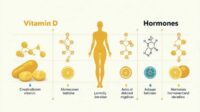
Picture Vitamin D as a messenger that travels from sunlight and diet into the body’s biochemical conversations. When those conversations are imbalanced—especially during menopause—symptoms may flare. Repletion may help the system respond with slightly more steadiness. That’s the heart of the 2025 meta-analytic curiosity: not that Vitamin D is magic, but that it may be a measurable stabilizer for certain individuals.
Bottom Line: A Reason to Test, Not a Reason to Overpromise
In 2025, the meta-analytic perspective supports the idea that Vitamin D supplementation may reduce hot flashes—most plausibly in people with low baseline vitamin D status and when supplementation effectively increases serum levels. The effect is likely moderate, not miraculous. Yet moderation can still be life-changing when symptoms are frequent and sleep is compromised.
If hot flashes are part of your daily reality, consider treating Vitamin D as a rational, evidence-informed component of a larger plan. Start with testing, discuss dosing with a clinician, and track outcomes in a diary if possible. Then watch for the subtle but powerful shift: fewer interruptions, less intensity, and the quiet return of control.