Imagine your stomach as a dimly lit theater. Ozempic enters like a stagehand—quiet, purposeful, and still capable of changing the entire lighting scheme. One moment digestion feels familiar; the next, nausea arrives with the insistence of an unexpected curtain call. In that moment, people look for a lantern—something steady, non-scary, and possibly helpful. Vitamin D often appears on the short list. But can it truly soothe Ozempic-related nausea, or is it simply hope in a bottle? Let’s follow the evidence trail with a careful, curious mind.
What Ozempic Nausea Really Means
Nausea from Ozempic is not usually a random storm; it’s commonly the downstream effect of delayed gastric emptying. Ozempic (semaglutide) slows how quickly food moves from the stomach to the intestines. The result can feel like a heavy coat worn indoors—uncomfortable, lingering, and more pronounced after meals.
Because the sensation is mechanical and neuro-hormonal, it raises an important question: where does vitamin D fit into that circuitry? Vitamin D is best known for roles in bone health and immune regulation, but its influence extends into broader physiology—sometimes in ways that intersect with inflammation and gut signaling. Still, “possible connection” is not the same as “proven remedy.”
Vitamin D: The Body’s Multi-Tool, Not a Single-Purpose Key
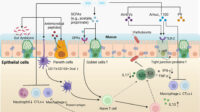
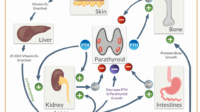
Vitamin D works less like a simple vitamin and more like a hormone-like conductor. It binds to receptors in many tissues, influencing gene expression. Beyond calcium absorption, it modulates immune responses and may affect inflammatory pathways that can alter how the body feels—both physically and neurologically.
This matters because nausea is a symptom with multiple “architects.” In some individuals, inflammatory signaling and immune activation can sensitize the gut-brain axis. If vitamin D reduces certain inflammatory signals, it could theoretically influence nausea—though that remains an indirect hypothesis rather than a direct, nausea-targeted therapy.
Direct Evidence: Does Vitamin D Specifically Treat Ozempic Nausea?
Here the evidence becomes a landscape with uneven terrain. Clinical studies demonstrating that vitamin D supplementation directly reduces nausea caused by Ozempic (or other GLP-1 receptor agonists) are limited. Nausea is a well-documented side effect of semaglutide, but vitamin D is not a standard, guideline-based intervention for that particular problem.
To be precise: without robust, Ozempic-focused trials showing consistent benefits, vitamin D can’t be confidently labeled as an established anti-nausea solution. That doesn’t make it useless—it simply means it isn’t proven to be the specific antidote people may hope for.
Indirect Evidence: Vitamin D, Inflammation, and the Gut-Brain Axis
While direct trials are scarce, there’s a plausible indirect storyline. Nausea can be shaped by the gut-brain axis, a bidirectional communication network involving the nervous system, endocrine signals, and immune mediators. Vitamin D has documented effects on immune modulation and inflammatory balance. When inflammation is toned down, certain gastrointestinal symptoms can improve in some contexts.
However, context is everything. Ozempic nausea is primarily driven by slowed gastric emptying and GLP-1–mediated signaling. Even if vitamin D helps reduce baseline inflammation, it may not meaningfully reverse the core mechanism of GLP-1-related nausea.
So, vitamin D may be more like a dimmer switch for background “static” rather than a full reset button for the system.
What Research Suggests About Vitamin D and Nausea in General
Studies exploring vitamin D and nausea have not produced a clear, universally consistent conclusion. Nausea appears in many conditions—migraines, pregnancy, gastrointestinal disorders, medication side effects—each with different drivers. Vitamin D might influence some pathways in certain populations, especially where deficiency is present.
When vitamin D levels are low, correcting that deficiency can improve general wellbeing and immune function. Some people report fewer nonspecific symptoms when deficiencies are corrected. Yet “general improvement” is not identical to “specific reduction of Ozempic nausea.” If the symptom is fueled by gastric motility changes, vitamin D’s role may remain peripheral.
Deficiency vs. Supplementation: The Most Important Distinction
Vitamin D’s potential benefit is often strongest when there is a deficiency to correct. If someone is vitamin D–deficient, supplementation can help restore normal physiological signaling. If someone already has sufficient levels, additional vitamin D may offer diminishing returns.
Think of vitamin D like regular lubrication in a machine. If the bearings are dry, the right oil can quiet the squeal. If the bearings are already well-lubricated, pouring in more oil doesn’t necessarily change how smoothly the machine moves.
Timing and Practicality: Could It Be Helpful Alongside Dose Adjustments?
Even if vitamin D is not a direct antidote, it may still play a supportive role in an overall nausea-management plan. Ozempic nausea is frequently improved with practical strategies: gradual dose escalation, eating smaller meals, avoiding high-fat foods, and staying hydrated. In that context, correcting a vitamin D deficiency could support baseline health, potentially improving tolerance indirectly.
That said, supplements should not be treated as a substitute for clinician-guided medication adjustments. The most effective approach usually combines symptom-aware behavior with appropriate dosing decisions.
Safety Considerations: When Vitamin D Helps—and When It Hurts
Vitamin D is generally well tolerated when dosed appropriately, but it is not risk-free. Excess vitamin D can contribute to hypercalcemia, which can cause nausea, constipation, confusion, and in severe cases, more dangerous complications. In other words: too much vitamin D can paradoxically create symptoms that resemble the very problem it was intended to solve.
Therefore, checking a baseline 25(OH)D level and discussing a supplementation plan is prudent. Some people take vitamin D blindly, but that is like treating a fever with guesses—sometimes the guess is right, sometimes it worsens the picture.
Unique Appeal: The “Nutrient-Quieting” Metaphor for Hopeful Precision
Vitamin D carries an intriguing appeal because it feels holistic. It doesn’t target nausea in one mechanical step; it nudges the environment where nausea-related pathways may flicker—immune tone, inflammation signaling, and general metabolic resilience. That makes it emotionally attractive to people who want something gentler than symptom-chasing.
Yet the unique charm of vitamin D is also its limitation. It can be a helpful background stabilizer, not a guaranteed front-line cure for GLP-1–driven nausea. The most compelling way to use it is with calibrated expectations: correct deficiency if present, support overall physiology, and let proven nausea strategies handle the immediate problem.

Bottom Line: What You Can Reasonably Conclude from Evidence
Vitamin D may help some people indirectly—especially those with deficiency—through its roles in immune modulation and inflammation regulation. But evidence that vitamin D specifically treats nausea caused by Ozempic remains limited. The current scientific footing is more “supportive possibility” than “proven anti-nausea therapy.”
If nausea is persistent, severe, or worsening, the next step is to collaborate with a healthcare professional on safe medication strategies. In parallel, consider checking vitamin D levels so supplementation is purposeful rather than speculative.
Nausea from Ozempic is a message from the body’s circuitry. Vitamin D may help tune certain background signals, but the clearest control often comes from adjusting how the medication and meals interact. Hope can be real—and evidence can still guide it toward precision.