Vitamin D is often described as the body’s “sunshine vitamin,” yet for some people it behaves more like a riddle than a remedy. They take it faithfully, expecting calmer muscles, steadier mood, and improved immunity—and instead feel queasy, wired, fatigued, or oddly unwell. The surprising twist is that many of these reactions are not purely about vitamin D itself. They frequently involve magnesium, absorption dynamics, dosing cadence, and individual physiology. When magnesium is insufficient—or when vitamin D is introduced in a way the body can’t metabolically harmonize—tolerance can crumble. This article explores why some people can’t tolerate vitamin D and how a magnesium-focused approach may restore balance.
The “Tolerance Problem” Isn’t Always Vitamin D
When someone says, “I can’t tolerate vitamin D,” the complaint is usually sensory: stomach discomfort, headaches, agitation, constipation, or a strange sense of internal pressure. But the root mechanism can be downstream rather than direct. Vitamin D is fat-soluble and influences calcium handling, cellular signaling, and parathyroid regulation. If the system lacks magnesium—an essential mineral for hundreds of enzymatic processes—the downstream effects can become disproportionate. Magnesium helps buffer calcium physiology and supports vitamin D activation pathways. Without it, the body may respond to vitamin D like a furnace that’s been fed fuel without adequate ventilation.
In other words: vitamin D may be the spark, but magnesium can be the safety system. If magnesium is low, the body’s response to increased vitamin D can feel volatile. That volatility is often the “intolerance” people report.
Magnesium: The Metabolic Choreographer Behind Vitamin D
Magnesium is not a passive nutrient. It actively choreographs vitamin D’s journey through the body. Vitamin D is processed in stages—first transformed in the liver, then activated in the kidneys. Magnesium supports key enzymes in these transformations, helping maintain biochemical fluency. When magnesium is insufficient, the conversion process can stall or become erratic.
Magnesium also modulates calcium. Vitamin D increases calcium absorption from the gut, which can be helpful at appropriate levels. But if magnesium is inadequate, calcium can dominate signals. The result can be a sense of “too much calcium energy”—tightness, irritability, or digestive changes. Some people interpret these as vitamin D side effects, even though the real imbalance may be magnesium-to-calcium coupling.

Common Symptoms People Mislabel as “Vitamin D Intolerance”
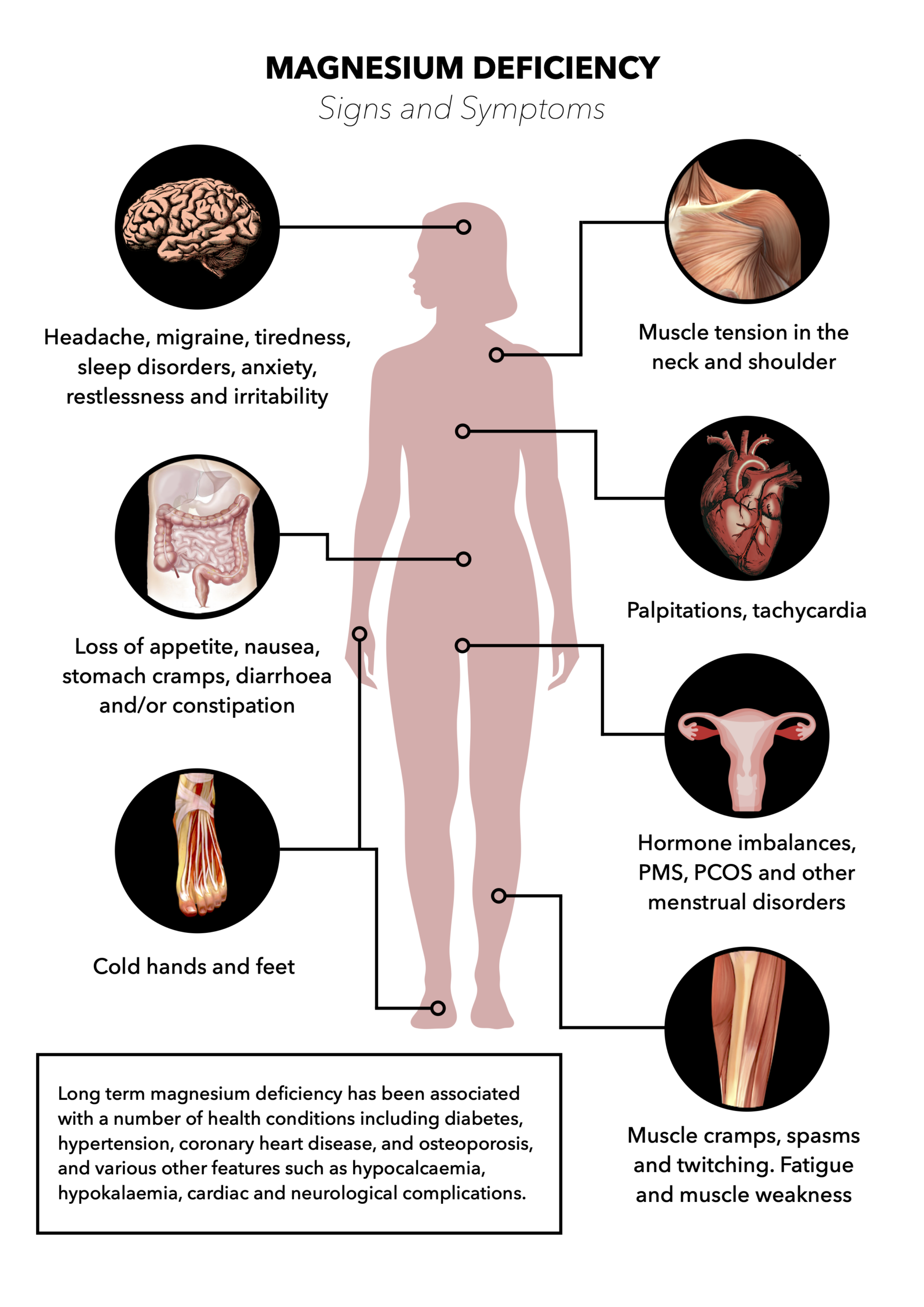
Different bodies translate stress into different languages. Some people report gastrointestinal disturbances—nausea, cramping, or constipation—especially with higher doses. Others experience neurocognitive effects: restless sleep, irritability, or headaches that feel like pressure rather than pain. A smaller group describes fatigue that doesn’t improve despite adequate rest, almost as if their endocrine system is stuck between modes.
These patterns can overlap with other issues too: thyroid imbalance, dehydration, or sensitivity to supplement binders. But if symptoms recur consistently after vitamin D dosing—and ease when dosing is reduced or magnesium is addressed—then magnesium insufficiency becomes a plausible culprit.
Importantly, not all “bad reactions” are intolerance. Some are clues. Your body may be signaling that the dose is outpacing your metabolic capacity.
Dose and Timing: The Hidden Variable in Supplement Reactions
Even a generally well-tolerated nutrient can become troublesome when timing and dose are misaligned with physiology. Vitamin D is often taken in large boluses. For many people, that’s fine. For others, it creates a rapid rise in active vitamin D activity, increasing calcium absorption quickly. If magnesium stores are thin, the body may not dampen the wave.
A gentler approach can look like microdosing—lower daily doses, rather than infrequent high-dose “catch-up” regimens. Timing matters as well. Taking vitamin D with meals that contain fat can improve absorption and reduce dose spikes. Yet fat-enhanced absorption also means the “entry volume” is higher. If magnesium is absent, the body may react to the increased uptake.
Consider a slower cadence as metabolic diplomacy: steady, predictable signals allow the system to adjust without a dramatic biochemical jolt.
Magnesium Status: Why Lab Tests Can Still Confuse
Low magnesium can be difficult to diagnose. Blood magnesium tests often don’t reflect total body magnesium because magnesium is stored primarily inside cells. A “normal” serum magnesium level can coexist with functional deficiency. People with higher requirements—athletes, those under chronic stress, individuals with gastrointestinal disorders, and certain medication users—may still be magnesium-depleted at the cellular level.
This doesn’t mean tests are useless. It means interpretation should be nuanced. Symptoms, dietary history, and patterns of response to supplementation can matter. If magnesium is consistently low in intake—few nuts, leafy greens, beans, or seeds—the body might be operating on a magnesium budget that can’t absorb extra calcium dynamics triggered by vitamin D.
Magnesium status is often the overlooked variable that determines whether vitamin D feels supportive or inflammatory.
Supplement Form Matters: Magnesium Types and Absorption Nuances
Not all magnesium forms behave the same. Some are better tolerated by the digestive system; others are more effective for certain physiological needs. Magnesium glycinate is often chosen for gentleness and neuromuscular support. Magnesium citrate is frequently used for constipation relief but can be laxative in sensitive individuals. Magnesium threonate is sometimes selected for cognitive support. Magnesium oxide, while common, is less absorbed and can be less satisfying for many people.
If vitamin D triggers discomfort, the goal is usually to choose a magnesium form that’s both absorbable and tolerable. Start low. Increase slowly. Watch for digestive side effects. The body may respond differently depending on whether magnesium is delivered in a calm, steady manner or too aggressively.
In this way, magnesium becomes a tool of precision rather than a blunt instrument.
Calcium-Crossfire: When Vitamin D Increases Calcium Too Fast
Vitamin D raises calcium absorption. In many people, this supports bone health and normal muscle function. But calcium is a double-edged blade. Too much free calcium signaling can provoke sensations of tension, cramps, or nervous system agitation. Magnesium helps moderate this “calcium-crossfire.”
If magnesium is low, calcium’s influence can feel amplified. This is why some people experience jitteriness or discomfort shortly after starting vitamin D. They may not connect the dots because the symptom timing feels like “vitamin D suddenly changed everything.” Yet the biochemical sequence often points to altered calcium-magnesium equilibrium.
The practical takeaway: tolerance can hinge on the ratio, not simply the individual dose.
Individual Genetics, Gut Microbes, and Lifestyle Interactions
Some intolerance is biological variability. Genetic differences can influence vitamin D metabolism enzymes, vitamin D receptor sensitivity, and magnesium transport. Another hidden factor is the gut microbiome. Vitamin D and minerals interact indirectly with gut ecology, affecting inflammation tone and nutrient absorption efficiency.
Lifestyle variables intensify the picture. Chronic stress increases magnesium demand. High caffeine or alcohol intake can worsen mineral loss. Sweating heavy workouts without mineral replenishment can drain magnesium. Dietary patterns that are low in magnesium-rich foods leave the body with less buffering capacity.
So vitamin D doesn’t act alone. It moves through an ecosystem: genetics, microbes, stress chemistry, and diet all shape the reaction.
What Readers Can Expect: Content Types That Clarify Their Situation
If you’re searching for answers, it helps to know what kind of content will actually guide you. Many vitamin D articles focus on generic advice: “take it with food” or “aim for a certain daily dose.” That’s a beginning, not a roadmap.
More useful content often includes:
1) Symptom-matching guidance that lists possible intolerance patterns (digestive, neurological, fatigue-related) and notes which ones suggest calcium-magnesium mismatch.
2) Dosing strategies that explain why smaller, more frequent doses can feel kinder than large weekly or monthly regimens.
3) Magnesium protocol storytelling that describes how people gradually introduced magnesium, adjusted timing, and monitored tolerability—often with short trial windows rather than sudden big changes.
4) Practical supplement selection that compares magnesium forms and discusses how tolerance differs between glycinate, citrate, and other types.
5) Cautionary sections that highlight when to stop and seek evaluation, especially if symptoms escalate or if there’s known hypercalcemia, kidney disease, or related medical history.
When content is thoughtful like this, it turns confusion into decision-making.
How to Approach a “Magnesium Fix” Without Guessing in the Dark
A magnesium-focused strategy should feel methodical rather than impulsive. Start by reviewing your current vitamin D dose, dosing frequency, and whether you take it with food. Then look at magnesium intake: foods and supplement use. If you decide to add magnesium, begin with a conservative amount and use a form that your digestive system tolerates well.
It’s wise to introduce changes one at a time, so you can identify which variable improves your experience. Many people notice tolerance shifting over days to weeks, not instantly. Keep a simple log: symptom intensity, sleep quality, digestion, and any unusual sensations. The body often provides consistent feedback if you track it patiently.
If you have persistent or severe symptoms, or if you have conditions affecting calcium regulation, kidney function, or endocrine balance, professional guidance is essential. “Fixing” intolerance should never come at the cost of safety.
When to Seek Medical Attention
Vitamin D problems can sometimes overlap with more serious conditions. Seek medical advice promptly if you experience severe vomiting, confusion, fainting, persistent palpitations, extreme weakness, or signs of dehydration. Also consult a clinician if you’re taking other supplements that affect calcium or if you’ve had prior episodes of high calcium, kidney stones, or chronic kidney issues.
Magnesium can be helpful, but it is not a substitute for evaluation when symptoms are intense. The goal is not to “push through.” The goal is to find the correct biochemical alignment for your body.
The Takeaway: Tolerance Is a Systems Question
Some people can’t tolerate vitamin D because vitamin D is not just a vitamin—it’s a regulatory signal that changes calcium dynamics and interacts with magnesium-driven enzymatic pathways. When magnesium stores are low, or when dosing creates rapid metabolic shifts, the body may respond with discomfort that feels like intolerance. A magnesium-minded approach—considering dose cadence, supplement form, and individual physiology—can transform the experience from erratic to stable.
In the end, tolerability isn’t luck. It’s chemistry, timing, and equilibrium. And once those pieces start cooperating, vitamin D can become the supportive nutrient it was intended to be.