Some foods feel like old wisdom in a new wrapper, and beef liver is often spoken about that way—especially when vitamin D enters the conversation. Yet there’s a familiar hesitation: vitamin D is usually associated with sun-drenched days and fortified milk, not with a slice of organ meat. So why does beef liver keep resurfacing in wellness circles? The answer isn’t only about nutrients. It’s also about how people interpret body signals, chase steadier energy, and become quietly fascinated by the idea that something “unusual” might be quietly functional.
Why vitamin D feels harder to get than it seems
Vitamin D behaves differently from many vitamins. It’s less about immediate dietary intake and more about a complex dance between sunlight, skin chemistry, seasonal timing, and individual biology. Many people spend most of the day indoors; others live in regions where winter light is thin. Even when sunlight is available, factors such as sunscreen use, skin pigmentation, age, and time outdoors can reduce production.
So the common observation is understandable: “If vitamin D is so important, why isn’t it everywhere?” The deeper truth is that vitamin D availability depends on both environment and physiology. That dependency can make people more attentive to dietary sources—especially those that feel “dense” and nutrient-rich.
Beef liver as a vitamin D contender: what people notice first
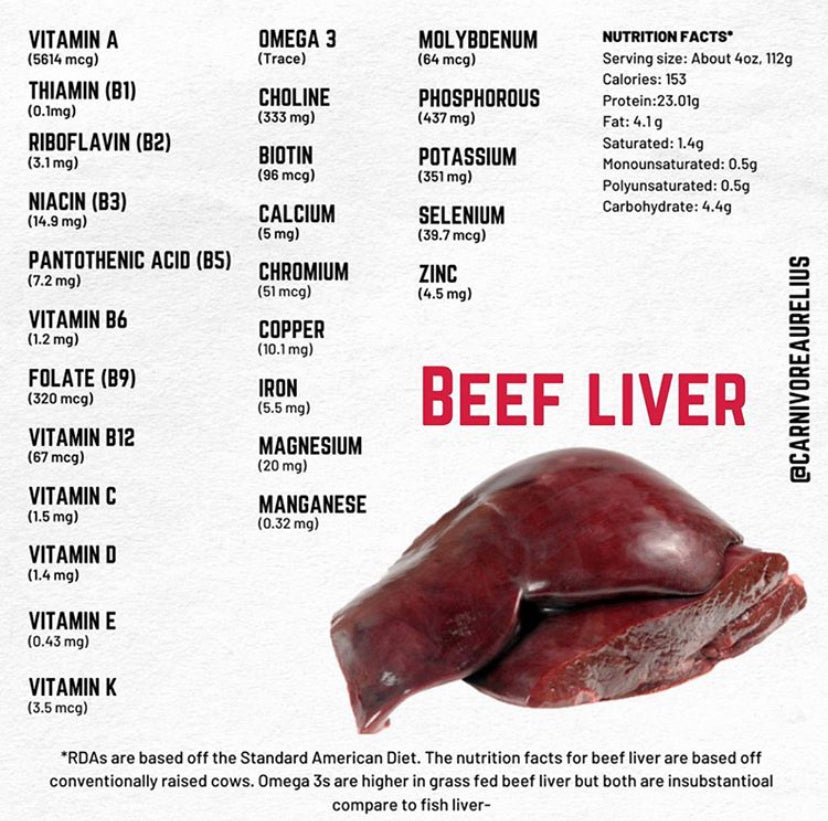
Beef liver is nutrient-packed in ways that are immediately legible to the health-minded. It’s often discussed for minerals, B vitamins, and fat-soluble compounds that tend to be scarce in typical diets. Vitamin D may not be the first nutrient you think of when you picture liver. But when people begin tracking labs or comparing dietary patterns, liver becomes a candidate for rounding out the picture.
Importantly, beef liver isn’t a replacement for sunlight or supplements in every situation. Think of it as one brushstroke in a larger mural. Still, the allure is real: liver is compact nutrition, delivering meaningful contributions without requiring elaborate food engineering.
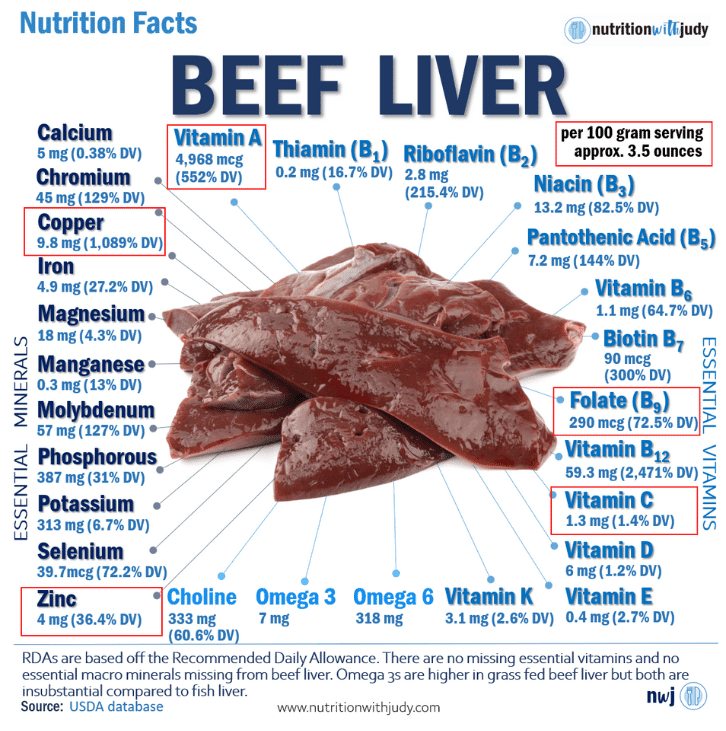
How vitamin D in liver fits into the body’s bigger system
Vitamin D isn’t merely a number on a blood test; it functions like a regulatory signal. It influences calcium balance, bone metabolism, immune modulation, and muscle function. When vitamin D status is low, the body tends to prioritize survival signals. That can subtly show up as low mood, reduced physical resilience, or frequent aches—signs that are easy to mislabel as stress or “just getting older.”
Liver-based nutrition enters the story as a practical dietary lever. The effect depends on overall intake, digestion, and how consistently vitamin D levels are supported over time. A single serving won’t rewrite biology overnight, but consistent patterns can matter—particularly for people who struggle with sun exposure.
Beyond vitamin D: why liver stays in the spotlight
One reason beef liver remains fascinating is that it doesn’t offer vitamin D alone. It tends to come bundled with a roster of biologically relevant nutrients. That “bundle effect” can make people feel that they’re supporting multiple systems at once: energy metabolism, red blood cell formation, and antioxidant defenses.
In narrative terms, liver is like a busy kitchen. Vitamin D might be the dish you came for, but other ingredients are quietly cooking in parallel. That’s why someone might start by searching for vitamin D and end up reading about iron, folate, and retinol dynamics—because human nutrition is rarely modular.

A common concern: “Isn’t liver too intense?”
Yes—liver can be intense. That’s not a scare tactic; it’s physiology. Organ meats often carry higher concentrations of certain fat-soluble nutrients and minerals than muscle meat. Vitamin A (retinol) is the most frequently cited example. Excessive intake of vitamin A over time can create problems, which is why many cautious eaters seek moderation rather than constant consumption.
So the responsible approach is not “avoid it entirely,” but “dose thoughtfully.” Think of liver as a seasonal spice rather than a daily staple. If you’re drawn to it for vitamin D, you still want to ensure you’re not unintentionally overreaching with other nutrients.
How often should you eat beef liver for vitamin D?
Frequency depends on your dietary baseline, lab results, and how your body responds. For many people, liver fits best as an occasional addition—enough to benefit from nutrient density, not enough to become a dietary monoculture. Some aim for a few times per month, while others use smaller portions more frequently.
If you’ve already had vitamin D deficiency identified by a clinician, supplementation may still be the most reliable path—especially if your levels are very low. Liver can complement, but it shouldn’t automatically replace medical guidance. Consider it an elegant partner rather than the lead actor.
Freshness, cooking, and nutrient preservation
Nutrition isn’t only about ingredients; it’s also about handling. Heat, exposure to air, and overcooking can degrade delicate nutrients. Liver is particularly notorious for becoming tough if cooked aggressively. Yet it’s also forgiving when treated with respect.
Many people prefer gentle cooking methods—quick sautéing or pan cooking at moderate heat—to avoid turning it into something chewy and disappointing. The best choice is the one that makes you actually want to eat it again. Consistency matters more than culinary heroics.

Beef liver vs. other sources of vitamin D
When vitamin D comes up, people often compare liver to fatty fish, egg yolks, fortified foods, and supplements. Fatty fish tends to be a more reliable dietary route for vitamin D. Egg yolks can contribute, though typically in smaller amounts. Fortified products can help bridge gaps, especially for those who avoid animal foods.
This is where the fascination grows: liver feels like a shortcut to nutritional richness, but it still sits within a broader ecosystem of strategies. If vitamin D is your main goal, you might combine liver with fish, sunlight when feasible, and a nutrition plan calibrated to your lifestyle.
Who should be extra careful?
Some people should treat liver consumption with extra caution: those who are pregnant, individuals with conditions involving vitamin A metabolism, anyone taking high-dose vitamin A or certain supplements, and people with liver-related health concerns. Medication interactions can also matter indirectly because nutrient absorption and overall metabolism vary widely.
If you’ve been supplementing vitamin D already, it’s worth thinking in systems. You don’t want an accidental overcorrection or an imbalanced nutrient profile. A targeted approach reduces uncertainty and turns cravings into a deliberate pattern.
So, should you eat vitamin D in beef liver?
The most honest answer is nuanced. Beef liver can contribute to your overall vitamin D intake, and its broader nutrient density makes it compelling for many people. If you’re sun-limited, prefer whole-food strategies, and want a nutrient-dense option that complements other vitamin D sources, liver can be a smart addition—especially in reasonable portions.
But if your vitamin D status is very low or you have specific medical considerations, liver shouldn’t be the only plan. Use it as a practical, satisfying element of a wider strategy: thoughtful dosing, good cooking practices, and periodic lab checks if you’re actively correcting deficiency.
In the end, the fascination with beef liver isn’t only about vitamin D. It’s about reclaiming a sense of nutritional agency—choosing a food that feels ancient, dense, and quietly capable of supporting modern bodies that spend too many hours under fluorescent light.
-200x112.jpg "天気による1日の気温の変化(問題)")