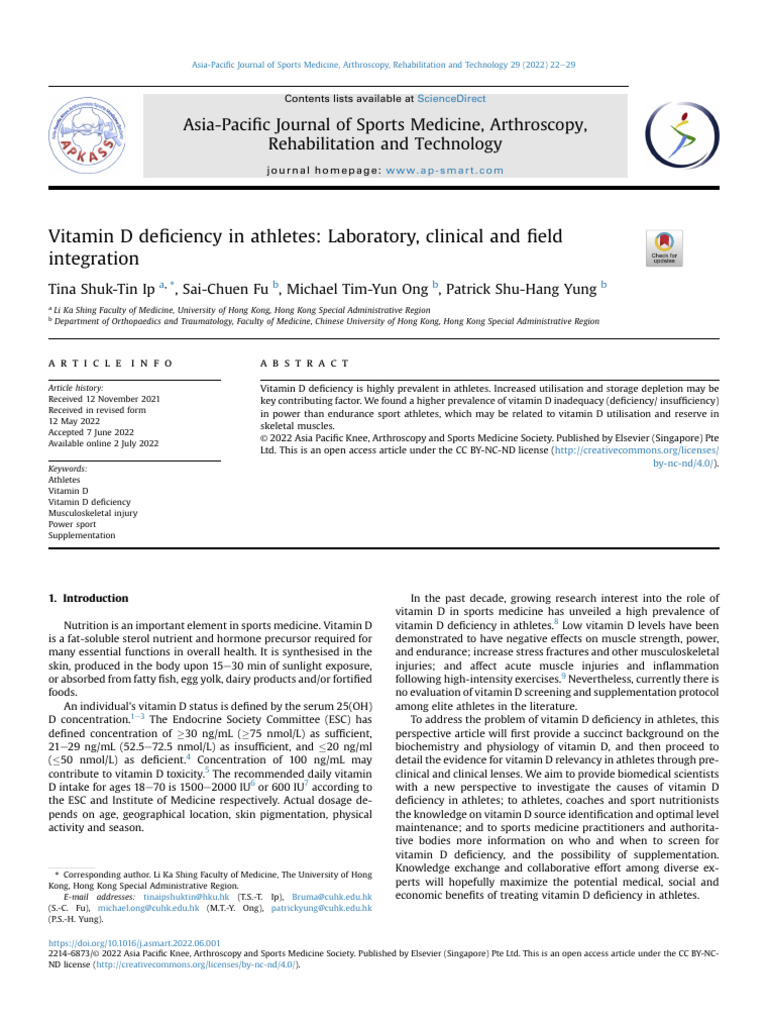
In the locker room, fatigue can feel like a universal language—shared, misread, and often treated as inevitable. Yet for athletes, persistent exhaustion carries two very different signatures. One is overtraining, an adaptation gone sideways. The other is vitamin D deficiency, a biochemical shortfall that quietly erodes recovery. Vitamin D isn’t merely a “sunshine vitamin.” It participates in neuromuscular function, immune regulation, and inflammatory pacing—meaning it can shape whether fatigue resolves or lingers. The challenge is that the symptoms can masquerade as each other. The goal is not to guess harder, but to differentiate more precisely.
Why Athlete Fatigue Becomes a Clue, Not a Coincidence
Fatigue in athletes is rarely random. It can arrive as a creeping drowsiness after training blocks, a sudden dip in performance, or a persistent sense of heavy limbs that doesn’t correlate neatly with workload. Sometimes fatigue improves with rest for a day or two, then returns. Other times it accelerates, as if the body is running on depleted reserves.
Both overtraining and deficiency can produce similar outward signals: reduced motivation, impaired endurance, altered sleep quality, increased soreness, and a “flat” mood. But the internal choreography differs. Overtraining typically reflects cumulative strain—too much stress, insufficient recovery, or a nervous system that hasn’t fully re-synced. Deficiency, by contrast, reflects a scarcity of a hormone-like nutrient that supports normal physiology. Understanding this distinction changes how you respond.
Vitamin D: The Hormone-Like Vitamin Behind Recovery Signals
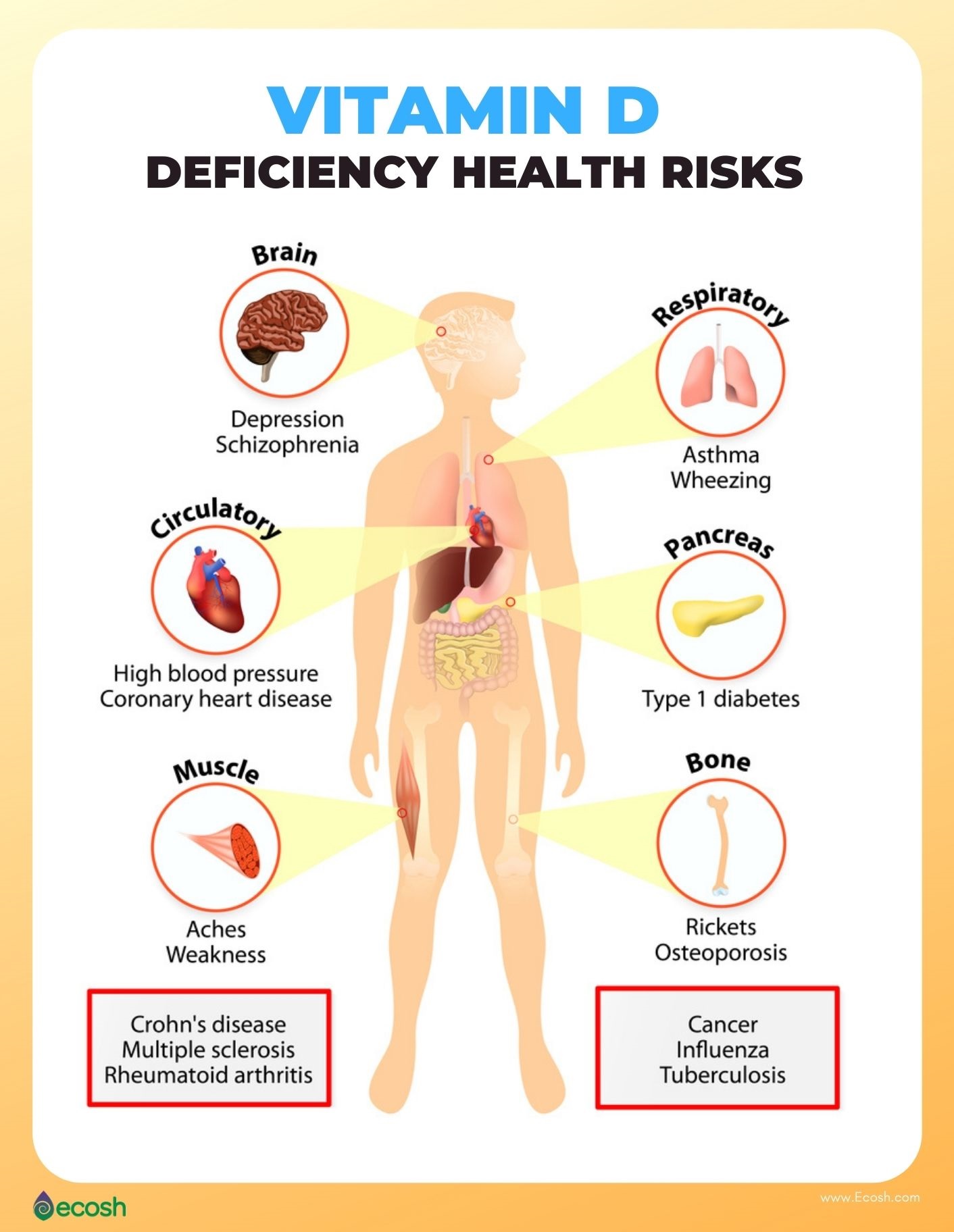
Vitamin D functions closer to a hormone than a vitamin. After conversion in the liver and kidneys, its active form influences gene expression, calcium absorption, and skeletal muscle performance. Adequate vitamin D supports muscle strength and coordination—two components that can determine whether training feels “crisp” or suddenly clumsy.
Vitamin D also interacts with immune behavior. During intense training periods, the immune system is taxed; some inflammation is useful, but chronic inflammatory drift can prolong recovery. When vitamin D is insufficient, that immune modulation may become less graceful, increasing the likelihood of prolonged soreness or susceptibility to illness.
For fatigue specifically, vitamin D can affect how muscles respond to exertion and how the body manages the aftermath of stress. In plain terms: when vitamin D status is healthy, the body is better positioned to rebound between sessions.
Overtraining: When Workload Outruns Adaptation
Overtraining is not simply “tired.” It’s a state where adaptive processes cannot keep pace with ongoing demands. Athletes may experience a cascade: elevated resting heart rate, persistent sleep disruption, mood volatility, reduced performance, and sometimes gastrointestinal disturbances. The nervous system may feel permanently “turned on,” like an alarm that never fully shuts off.
There are different flavors of overreaching. Short-term overreaching can be resolved with timely recovery and usually improves performance afterward. But nonfunctional overreaching can linger, and true overtraining syndrome—though less common—is defined by prolonged fatigue that doesn’t readily reverse with typical rest.
In this context, vitamin D might still matter, because low vitamin D can reduce resilience. Yet the primary driver remains imbalance between training stress and recovery capacity.
Vitamin D Deficiency: The Quiet Deficit That Mimics Maladaptation
Vitamin D deficiency can look like overtraining because it destabilizes recovery. An athlete with insufficient vitamin D may experience muscle weakness, generalized aches, reduced training responsiveness, and lingering fatigue. Sometimes the fatigue appears even when the training load is relatively controlled—creating confusion.
Risk factors often include limited sun exposure, darker skin pigmentation, extensive sunscreen use without adequate vitamin D supplementation, high latitude living, indoor training schedules, and certain dietary patterns. Some athletes also have increased needs or reduced absorption due to gastrointestinal factors.
Because deficiency can coexist with overtraining, the situation becomes layered. A workout plan that is slightly too aggressive may become intolerable when vitamin D stores are already low.
The Overlap Problem: Why the Symptoms Converge
Fatigue is multidimensional. It includes physical strain, hormonal stress responses, immune activity, and nervous system regulation. Overtraining amplifies all of those elements. Vitamin D deficiency also nudges several systems in the same direction—especially muscles and immune modulation—so the outward experience can converge.
This is why relying on symptoms alone can become an error-prone strategy. Two athletes can report “heavy legs” yet one needs recovery recalibration while the other needs improved vitamin D status. The body’s language is poetic but not specific.
How Athletes Can Differentiate: Patterns, Timing, and Context
One approach is pattern recognition. Overtraining fatigue often tracks with training intensity spikes, travel, disrupted sleep, and accumulated stress. If fatigue escalates in parallel with workload changes, the odds increase that training imbalance is the main culprit.
Deficiency-related fatigue can appear without obvious spikes in workload. It may also cluster with signs such as recurrent musculoskeletal discomfort, generalized weakness, and slower recovery even after standard rest periods. Seasonal trends can matter too—winter and low-sun periods often increase deficiency risk.
Consider the full context: training schedule, exposure to sunlight, diet consistency, recent illnesses, and recovery markers like sleep quality. These clues don’t replace testing, but they guide the most likely explanation.
Testing for Clarity: What to Measure and Why
When fatigue persists, testing offers precision. The most common measure is serum 25-hydroxyvitamin D, which reflects vitamin D stores. Beyond that, clinicians may consider relevant labs such as calcium, parathyroid hormone (PTH), and sometimes markers of inflammation or iron status, because fatigue is a multisource phenomenon.
If vitamin D is low, the goal is not simply “to normalize a number.” The goal is to restore physiological capacity so muscles can function efficiently and recovery can proceed smoothly.
Testing also prevents wasted effort. If vitamin D is adequate, the focus should shift toward periodization errors, recovery deficits, or other nutritional gaps.
Recovery Periodization: The Training Side of the Equation
Even with vitamin D optimization, training imbalance can still sabotage recovery. Overtraining concerns demand structural changes: deload weeks, reduced intensity, careful progression, and sleep rehabilitation. Athletes often underestimate sleep as an endocrine lever. Yet sleep regulates inflammatory behavior, appetite hormones, and nervous system recalibration.
Recovery is also psychological. Stress accumulation—pressure, performance anxiety, life stress—can magnify perceived exertion and slow rebound. A well-designed program treats fatigue as a signal and modifies the plan before performance collapses.
In practice, it can be useful to audit the calendar: Are there back-to-back hard sessions? Are travel disruptions being compensated for? Is the warm-up adequate for neuromuscular readiness? These questions help separate “too much training” from “something missing.”
Supplementation Strategies: Matching Dose to Need
When deficiency is confirmed, supplementation is typically tailored to the measured level and the athlete’s risk profile. Some athletes require higher short-term correction; others benefit from maintenance dosing. The timing can matter: consistent daily or appropriately spaced dosing often supports steady restoration.
Absorption can be improved when taken with meals containing dietary fat. Athletes should also recognize that vitamin D repletion is not instantaneous. It can take time for muscle function and recovery patterns to normalize.
Equally important: supplementation should not mask a training problem. Vitamin D can support recovery, but it can’t replace proper periodization, adequate protein intake, hydration, and sufficient sleep.

Performance Outcomes: What Improvement Can Look Like
When vitamin D deficiency is corrected and recovery is properly managed, athletes may notice multiple shifts. Muscle soreness can soften. Training sessions may feel more responsive. Recovery between workouts can compress—meaning less downtime is required to return to readiness. Even mood and motivation can improve, because energy regulation is affected by systemic physiology.
However, expectations should be calibrated. If fatigue originates primarily from overtraining, vitamin D supplementation alone may not reverse the course. If vitamin D is the main missing piece, athletes might see meaningful improvement after repletion and adequate training adjustments.
Think in terms of probability. Vitamin D helps the body’s recovery apparatus operate smoothly; training management prevents the apparatus from being overwhelmed.
Common Missteps: When Athletes Guess Instead of Strategize
A frequent error is treating fatigue with supplements while leaving training stress unchecked. Another is ignoring sunlight and dietary patterns, then assuming fatigue is purely motivational. Some athletes also increase volume to “push through,” which can deepen adaptive failure.
There’s also the trap of assuming vitamin D is the only deficiency worth considering. Iron status, carbohydrate availability, magnesium, and overall energy balance influence fatigue. Vitamin D may be necessary, but it may not be sufficient.
Finally, athletes should avoid abrupt, unsafe dosing without guidance. Vitamin D is fat-soluble, and overly aggressive supplementation can create complications. Precision beats guesswork.
Putting It All Together: A Practical Decision Path for Fatigue
Start with a timeline. When did fatigue begin, and did it correlate with workload spikes, travel, or sleep disruption? Next, assess context: sun exposure, diet consistency, and seasonal conditions. If fatigue is persistent, treat it as a measurable problem rather than a vague complaint.
Then test vitamin D, especially if risk factors are present. Use the results to guide supplementation and evaluate whether deficiency plausibly explains the symptoms. Simultaneously, audit training structure: deload where appropriate, improve sleep hygiene, and adjust intensity distribution.
With that combined approach, athletes can transform fatigue from a confusing antagonist into a diagnostic signal. Overtraining requires recalibration; deficiency requires restoration. Often, the most efficient recovery plan is the one that respects both.