
There’s a particular kind of nutritional déjà vu that many people experience: they do the right things—drink more water, eat a little better, take a supplement—but somehow, the results feel oddly muted. Energy doesn’t quite arrive. Muscles don’t quite recover. Mood remains a little… undecided. Then one day, a simple realization slips into place: Vitamin D and magnesium rarely travel alone. They form a quiet alliance in the body—subtle enough to be overlooked, powerful enough to change how you interpret “good nutrition.” What if the missing piece isn’t willpower, but coordination?
The Twin Ingredients Everyone Misreads
Vitamin D is often treated like a lone hero, a vitamin that should “just work” once it’s on board. Magnesium, meanwhile, is sometimes reduced to a vague “relaxation mineral.” But the body doesn’t operate on marketing language. It operates on chemistry.
Vitamin D exists in multiple forms, and it must be activated through a sequence of enzymatic steps. Magnesium is not merely helpful—it’s frequently necessary for the gears to turn. Without adequate magnesium, vitamin D can be present yet function suboptimally, like a key cut correctly that still can’t fully engage the lock. This is the first shift in perspective: instead of asking, “Did I take vitamin D?” you start asking, “Did my body have the mineral infrastructure to use it?”
And then curiosity grows. If two nutrients are interdependent, what else has been quietly misunderstood—fatigue, muscle tightness, stubborn deficiencies that won’t resolve?
How Vitamin D “Activates” and Why Magnesium Matters
Vitamin D’s journey resembles a relay race. It begins as vitamin D acquired from sunlight or diet, then travels through stages of conversion in the liver and kidneys. Each stage requires enzymatic activity. Magnesium acts like an essential cofactor in these biochemical transformations—supporting processes that shape vitamin D into its active form.
When magnesium is insufficient, the conversion process can become less efficient. The result may be a confusing clinical picture: lab values might not fully reflect the body’s ability to utilize vitamin D where it’s needed most. That’s why some people feel underwhelmed by vitamin D supplementation alone. It’s not always a matter of “not enough vitamin D.” Sometimes it’s that the body lacks the scaffolding to put vitamin D to work.
Think of it as a dimmer switch. Vitamin D may supply light, but magnesium helps set the circuit so the light can actually brighten. Without it, you can still have the bulb—just not the glow.
Bone Health: The Partnership Behind Strength
Vitamin D and magnesium both converge on the skeletal system. Vitamin D supports calcium absorption in the gut, improving the body’s ability to transport and use calcium. But magnesium influences bone mineralization too. It participates in structural processes and helps regulate calcium balance, contributing to a more harmonious mineral environment.
When either nutrient is lacking, the body may attempt to compensate—often at the cost of efficiency. Calcium absorption could be compromised, and mineral regulation becomes more erratic. Over time, this can matter for bone density and resilience, especially in people who spend less time in sunlight, those who age into reduced absorption, or individuals with dietary patterns that underdeliver on minerals.
The overlooked promise here is not just “stronger bones.” It’s more accurate expectation-setting: bone support is rarely a one-nutrient story. It’s a consortium.
Muscles, Cramps, and the Feeling of “Wired but Tired”
Muscle symptoms are often described in broad terms—cramps, spasms, twitchiness, stiffness. But the physiology underneath is nuanced. Magnesium plays a key role in nerve and muscle function, including relaxation signaling and maintaining normal electrical activity. Vitamin D, meanwhile, influences muscle performance and may help with muscle strength and coordination indirectly through its broader roles in inflammation and calcium handling.
When magnesium is low, muscles can become irritable. When vitamin D is insufficient—particularly when it remains functionally underused—muscle performance may falter. Together, these nutrients can shape a more stable neuromuscular baseline.
One shift in perspective that’s worth lingering on: don’t interpret muscle tightness as purely mechanical or merely stress-related. Nutrition can be the quieter conductor. You might stretch more and sleep better—and still feel stuck—until the mineral timing is corrected.
Immune Balance and Inflammation: The Subtle Frontline
Vitamin D is frequently associated with immune modulation. It helps regulate how immune responses behave—encouraging balance rather than overreaction. Magnesium also intersects with inflammation pathways, influencing oxidative stress and cellular resilience.
Here, the curiosity deepens. Over-inflammation is not always dramatic; sometimes it’s a chronic low-grade hum that manifests as frequent sniffles, prolonged recovery, or an unexplained sense of “offness.” The immune system is exquisitely sensitive to nutritional context, not just to the presence of one nutrient.
Pairing vitamin D with magnesium reframes the immune story: rather than treating immune support as a vitamin-only strategy, you recognize the more systemic nature of resilience—where micronutrients behave like multilingual translators within metabolism.
Mood and Energy: Beyond the Obvious Fatigue
Fatigue has many passports: sleep quality, hydration, stress load, calorie intake, thyroid function. Yet nutritional gaps can mimic emotional weather. Vitamin D deficiency has been linked in many contexts to low mood and reduced vitality. Magnesium is involved in pathways that interact with neurotransmission and the body’s stress response.
When magnesium is scarce, the body can become more reactive—less capable of smoothing fluctuations. When vitamin D is insufficient or poorly utilized, circadian rhythm signals and cellular regulation can feel less synchronized. The combined effect may be a kind of internal discord: energy that doesn’t sustain, motivation that fades early, mood that stays slightly flattened.
It’s not about “instant happiness.” It’s about optimizing the physiological conditions under which mood and energy become stable.
What “Sufficient” Really Means: Labs, Context, and Common Confusions
Many people check vitamin D levels and stop there. The typical marker is 25-hydroxyvitamin D, a snapshot of vitamin D status. But status isn’t the same as usability. If magnesium is low, the body may not activate or employ vitamin D efficiently.
For magnesium, the situation can feel trickier because standard blood tests often don’t capture total body stores with perfect accuracy. Still, clinical patterns, dietary intake, and related labs can provide useful direction when interpreted with care.
So the shift in perspective is clear: consider a holistic nutrient lens. Instead of assuming supplementation is a solo act, evaluate the environmental conditions inside the body—diet, absorption, metabolic load, and mineral sufficiency.
Dietary Sources: Where This Pair Can Be Found Naturally
You can build magnesium and vitamin D through food, though the balance varies by lifestyle and geography. Magnesium-rich options include leafy greens, nuts, seeds, legumes, and whole grains. Vitamin D is harder to obtain from diet alone for many people, but it can be found in fatty fish, fortified dairy or plant alternatives, and egg yolks. Sun exposure can also contribute significantly.
The most interesting culinary idea is to stop thinking of vitamin D as a standalone “supplement nutrient” and instead pair it with magnesium-forward meals. A salmon dinner with leafy greens. Fortified yogurt with nuts and seeds. Lentil bowls with herbs and roasted seeds. These meals won’t replace targeted supplementation when needed, but they can support consistency.
Consistency is where transformation often lives—quietly, repetitively, like a tide that eventually reshapes the shoreline.
Supplement Strategies: How to Think About Pairing, Not Just Dosing
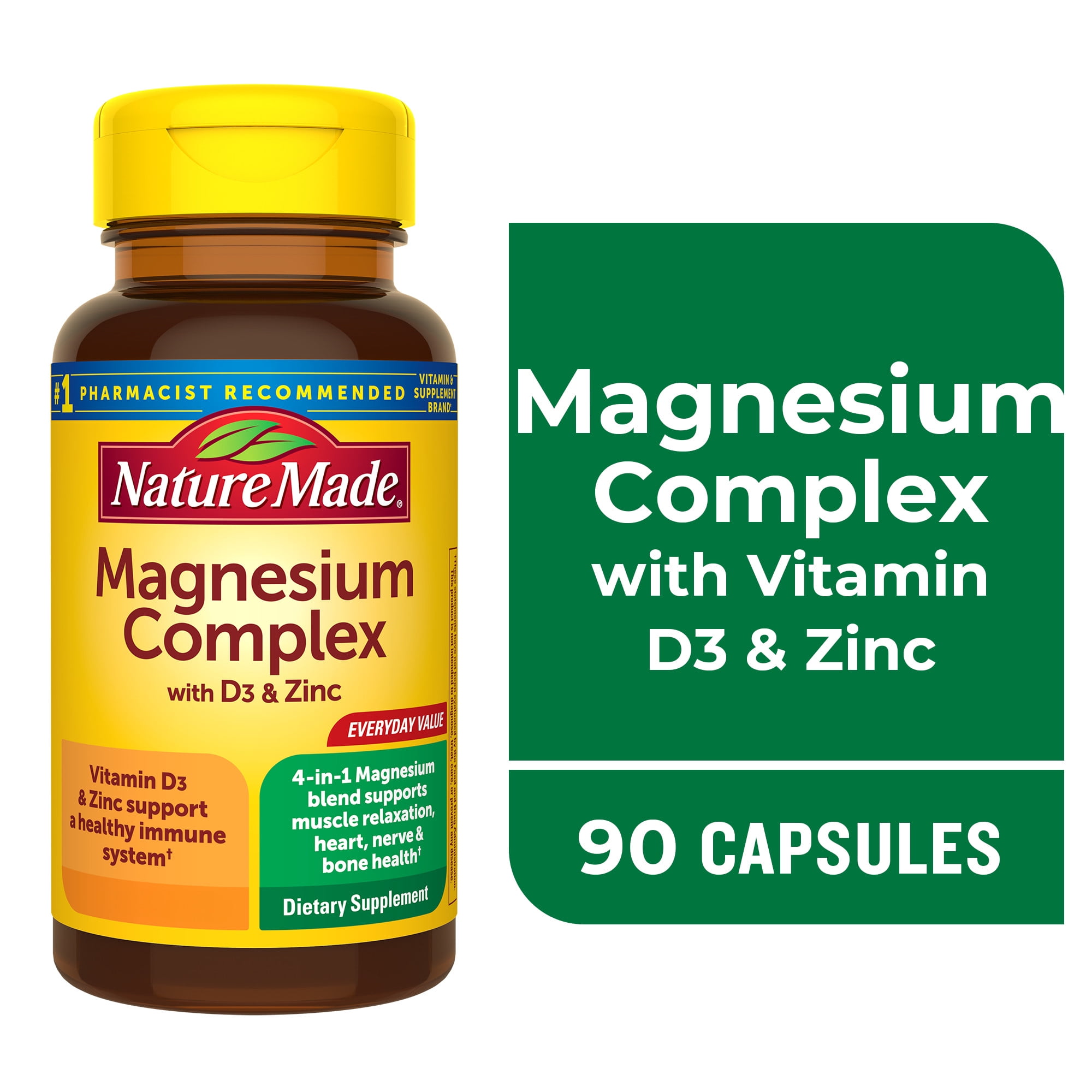
Some people aim to supplement vitamin D alone, then wonder why the outcome is underpowered. A more coherent approach is to consider magnesium as part of the same plan. Some products also bundle these nutrients, reflecting what the body often requires: compatibility, not just quantity.
That said, supplementation should remain individualized. Magnesium forms differ in absorption and tolerability. Vitamin D dosing also depends on baseline levels, seasonality, and health status. If you have kidney disease, a history of hypercalcemia, or you take medications that affect mineral balance, professional guidance matters.
The promise is not a miracle. It’s an alignment: a more rational pairing that helps you avoid the “chasing symptoms” loop and instead build a system designed for uptake and use.

Common Pitfalls: When People Overlook Magnesium Even After Taking Vitamin D
Several patterns show up again and again. People may take vitamin D inconsistently. They may avoid magnesium-rich foods due to dietary constraints. Stress can increase magnesium requirements indirectly, while certain conditions or medications may affect magnesium status. Some people also assume that because vitamin D lab results are “okay,” magnesium is irrelevant.
But magnesium is frequently the missing variable that turns “present” into “functional.” It’s the difference between having the ingredient and being able to use it effectively. This is why the overlooked pair is overlooked: it’s harder to see the interdependence than it is to take a single supplement.
Curiosity becomes a practical tool here. If you’re supplementing vitamin D, ask whether your daily magnesium intake is robust enough to support activation and downstream effects.

Safety and Sensible Expectations
Supplements are not substitutes for diagnosis. They’re tools. Magnesium can cause gastrointestinal side effects in some forms or doses, and vitamin D can accumulate if taken excessively. That’s why it’s wise to treat this pairing with intention: start thoughtfully, monitor how you feel, and consider follow-up testing when appropriate.
Expect changes to be gradual rather than instantaneous. The body’s systems—enzymatic pathways, mineral regulation, neuromuscular stability—respond on a timeline measured in weeks, not days.
The most elegant outcome is steadiness. Not just a spike in energy, but improved baseline function: calmer muscles, more consistent mood, better recovery, and a clearer sense that your nutrition is finally speaking the same language as your biology.
A New Lens for Better Nutrition
Vitamin D and magnesium are easy to separate in conversation. They are harder to separate in physiology. When you treat them as an interconnected system, you stop chasing single-variable answers and begin building metabolic coherence.
So the question isn’t merely, “Do I need vitamin D?” It’s also, “Do I have the mineral environment to make vitamin D work the way it’s supposed to?” That shift in perspective is where curiosity becomes action. And action, in nutrition, is often the difference between scattered effort and meaningful momentum.
The overlooked pair isn’t a trend. It’s a reminder that the body is a network—one nutrient thread tugging another, quietly steering outcomes you can feel.