There’s a moment in every conversation about bone health when the familiar advice starts to feel too tidy. Eat well. Get sunlight. Take supplements if you must. Yet the skeleton is not a passive scaffold; it is a living archive, continually remodeled by cells that respond to chemistry, signal pathways, and the quiet geometry of daily life. Vitamin D and calcium sit at the crossroads of that remodeling—tiny molecular couriers with surprisingly large influence. And when spinal bone density begins to drift downward, the question becomes less “Are we doing enough?” and more “What are we actually doing to the system?”
Spinal Bone Density: Why This Location Feels Different
The spine has its own tempo. Its vertebrae must absorb repetitive forces—lifting, sitting, bending—while remaining flexible enough to protect the spinal cord and maintain posture. Unlike bones that bear weight primarily through locomotion, the vertebral column is a stage for continuous micro-stress. That micro-stress is not merely destructive; it’s instructive. Osteoblasts and osteoclasts constantly renegotiate the terms of strength.
When bone density declines in the spine, the consequences can be particularly dramatic. Vertebral compression fractures may appear with subtle triggers: a misstep, a cough, a minor fall. The more one learns about spinal biomechanics, the more obvious it becomes that prevention should be treated as an evolving strategy, not a one-time decision.
Vitamin D: The Molecular Interpreter Between Sunlight and Bone
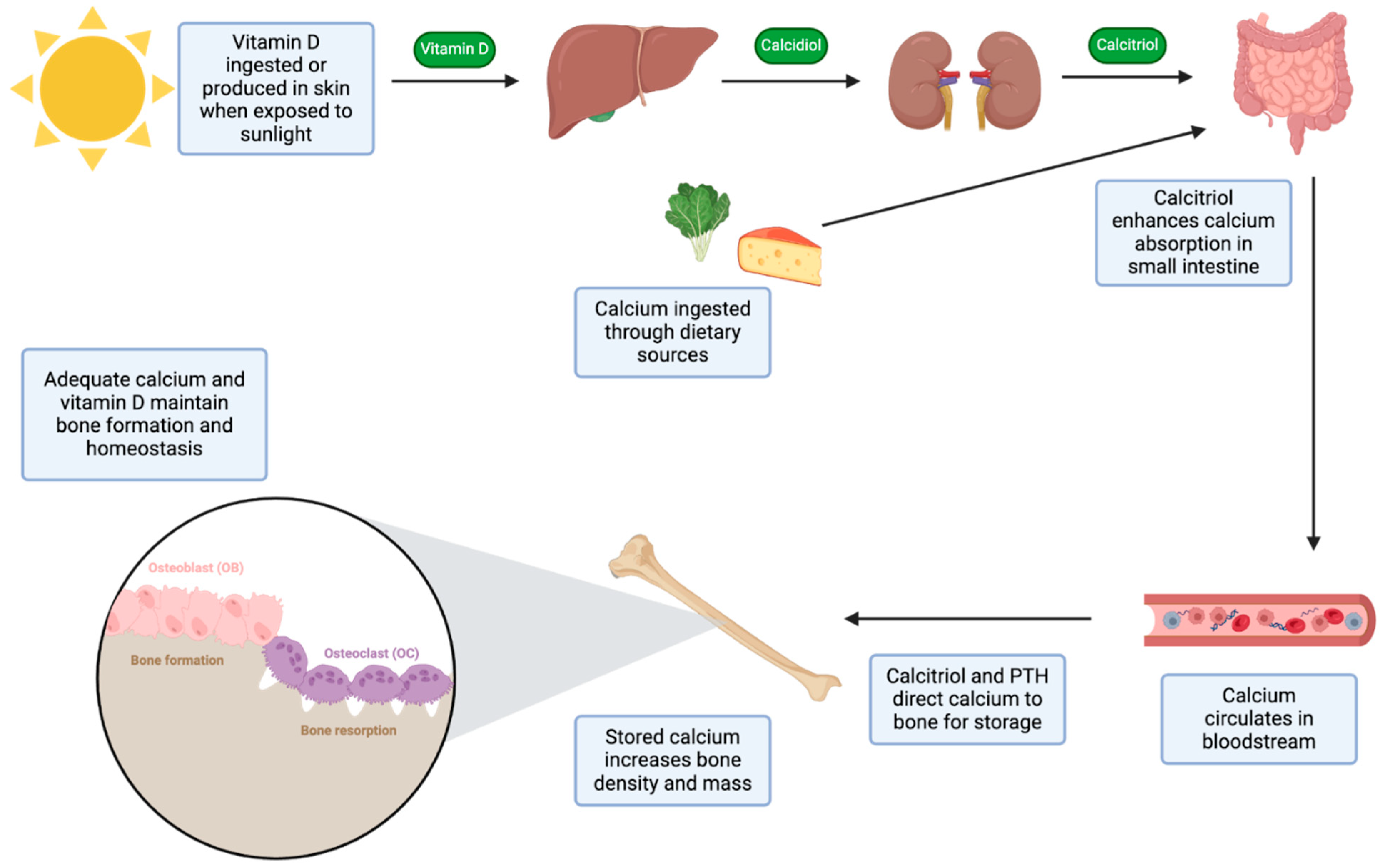
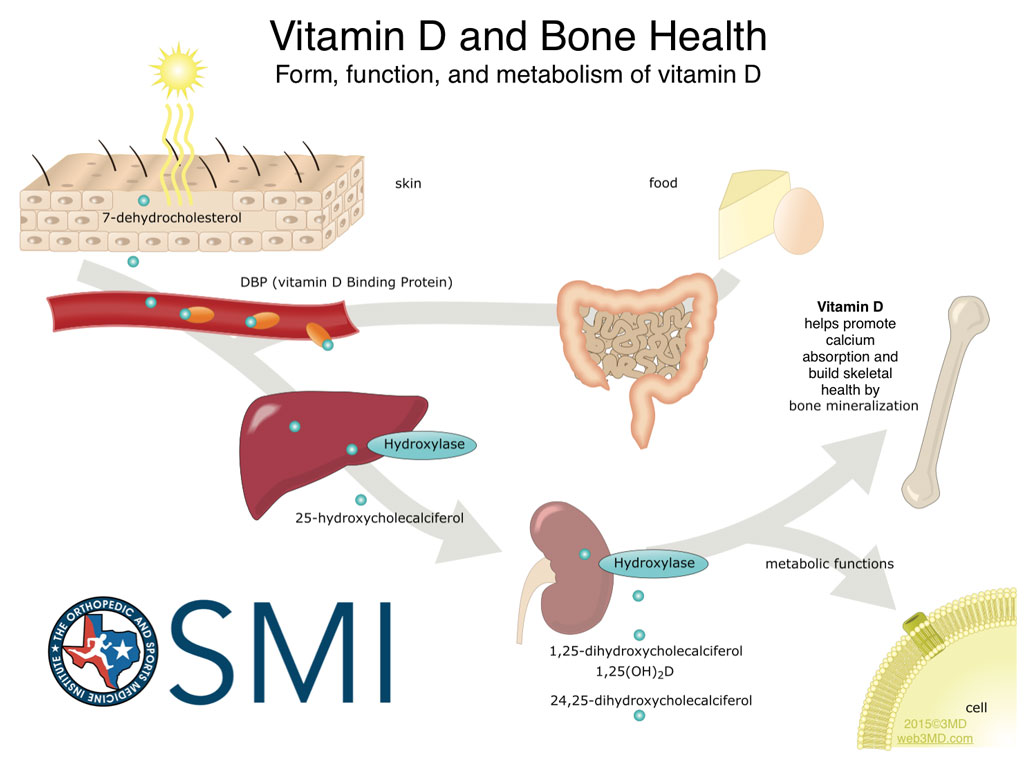
Vitamin D is often described like a nutrient, but it behaves more like a molecular interpreter. It receives instructions—frequently from skin synthesis influenced by sunlight—then translates them into biological action. In its active form, vitamin D supports calcium absorption in the gut and contributes to maintaining appropriate mineralization in bone tissue.
Here’s the shift in perspective: vitamin D isn’t only about “having enough calcium.” It’s about enabling calcium to become available where bone-building is happening. Without sufficient vitamin D signaling, calcium can be present in the diet yet fail to reach the cells in the right form or at the right time. The body’s plumbing and transportation logistics matter.
And because vitamin D status is influenced by latitude, season, skin pigmentation, clothing habits, aging, and even lifestyle patterns, deficiency can develop quietly—often long before symptoms appear. That invisibility is precisely what makes the topic so compelling.
Calcium: The Mineral Foundation—and the Limiting Factor
Calcium is the structural cornerstone of hydroxyapatite, the mineral matrix that gives bone its rigidity. But calcium’s role isn’t just to “fill space.” It participates in tightly regulated signaling events. The body uses calcium gradients and hormonal feedback to orchestrate bone remodeling.
Consider calcium as both building material and system parameter. If intake is consistently low, or if absorption is compromised, the body may compensate by mobilizing calcium from bone stores. Over time, this can weaken the very material intended to be reinforced.
Yet high calcium intake alone is not a universal solution. The relationship is nuanced: absorption efficiency, vitamin D status, renal handling, dietary patterns, and overall energy balance all influence how calcium contributes to spinal bone density.
The Research Narrative: How Vitamin D and Calcium Work Together
Research around vitamin D and calcium frequently converges on a single idea: synergy. Vitamin D improves intestinal calcium absorption, while calcium provides the raw mineral for bone deposition. In the spine, where remodeling is persistently stimulated by mechanical forces, the availability of mineral and the signaling environment can determine whether osteogenic processes gain momentum.
Studies often explore outcomes such as bone mineral density changes at the hip and spine, markers of bone turnover, and fracture risk in diverse populations. Results can vary by baseline vitamin D status, age, sex, nutritional baseline, adherence, and whether participants already consume adequate calcium.
Still, the compelling throughline remains: correction of vitamin D insufficiency tends to enhance calcium utilization. When both factors align—adequate vitamin D signaling plus sufficient calcium supply—the probability of stabilizing or improving spinal bone density increases.
Promising Shifts: From “Supplements” to Precision Prevention
One of the most intriguing developments is the movement away from blanket supplement recommendations toward precision prevention. Instead of treating vitamin D and calcium as generic add-ons, a more informed approach evaluates who is at risk for low vitamin D, who has inadequate dietary calcium, and who has additional confounders that interfere with mineral metabolism.
Think of it as moving from broad brushing to targeted tuning. For example, older adults may have reduced skin synthesis and altered intestinal absorption. People with limited sun exposure may experience seasonal drops. Those with gastrointestinal conditions may struggle with nutrient uptake. And individuals using certain medications can experience secondary effects on bone metabolism.
This perspective does more than satisfy curiosity. It creates practical questions: Should vitamin D status be assessed first? Is dietary calcium adequate? Are both being addressed simultaneously? The answers may determine whether intervention acts like a catalyst or like a background noise.
How Mechanisms Translate into Bone Outcomes
The body’s remodeling process can be imagined as a continuous negotiation. Osteoclasts resorb old bone; osteoblasts lay down new matrix; mineralization follows. Vitamin D influences the environment where osteoclast activity and osteoblast differentiation occur, while calcium provides mineral content and participates in signaling.
In the spine, the balance matters. If resorption outpaces formation, vertebral bone density declines. If formation can keep pace—supported by mineral availability and appropriate hormonal regulation—the spine may maintain strength longer. Small shifts in signaling can create visible changes over time.
It’s also worth noting that mineral metabolism interacts with other pathways: parathyroid hormone regulation, inflammation levels, and vitamin D receptor activity. The spine benefits when these pathways align rather than collide.
Who Might Benefit Most—and When
Vitamin D and calcium interventions are most compelling in people with deficiency or insufficiency, low dietary calcium, malabsorption risks, or heightened fracture vulnerability. Age plays a role, but it is not the only factor. Lifestyle, comorbidities, and medication history can reshape the landscape of bone health.
Timing also matters. Bone remodeling is not instantaneous, and seasonal patterns may influence vitamin D levels. A consistent strategy—rather than sporadic supplementation—often aligns better with the long rhythm of bone turnover.
That said, the “best” approach is not one-size-fits-all. Some individuals need higher-caliber interventions; others may benefit from optimizing baseline nutrition and correcting mild deficiencies. The more thoughtfully the plan is designed, the more persuasive the outcome tends to be.
Risks, Boundaries, and the Art of Balance
Curiosity should never become excess. Calcium and vitamin D are generally well-tolerated when used appropriately, but excessive supplementation can carry risks depending on the individual’s health profile, including kidney stone history and renal function. Vitamin D can also accumulate if taken inappropriately high doses.
A balanced approach respects physiological limits. Dietary calcium—when achievable—can be a gentle foundation. Supplementation can fill gaps, but it should be guided by need, not habit.
The spine deserves a strategy that is both ambitious and careful: enough to support remodeling, not enough to overwhelm the body’s regulatory systems.
Practical Pathways: Designing a Spine-Friendly Plan
Imagine building a scaffold for bone health that has three beams: vitamin D status, calcium availability, and mechanical stimulus. Supplement plans often work best when paired with safe weight-bearing activity and resistance training tailored to ability. Nutrition provides the raw material; movement provides the instruction.
For many people, the most elegant sequence is assessment first—evaluating vitamin D status and dietary calcium intake—then designing a supplementation and dietary plan to address actual shortfalls. Short sentences can hold truth here: measure, then mend. That approach can be more effective than guessing.
Over months, consistency becomes the quiet engine of change. The spine responds to patterns, not punctuations.

Future Questions: What Research Still Wants to Answer
Even with strong mechanistic plausibility, bone science remains full of unanswered questions. Researchers continue exploring optimal dosing strategies, the role of baseline vitamin D levels, and differences between populations. Another open door is how vitamin D and calcium interact with other nutrients and therapies, such as magnesium, protein adequacy, and antiresorptive or anabolic treatments.
The next era of curiosity may involve more individualized approaches: genomic factors influencing vitamin D receptor activity, refined biomarkers of bone turnover, and imaging technologies that detect subtle spinal changes earlier.
What makes this topic so alluring is that the spine is a living archive. It keeps records of how the body responded to interventions. The future research question is not only whether vitamin D and calcium help—it’s how to make help more precise, more durable, and more aligned with each person’s biology.