It’s easy to assume that weight gain is purely a matter of calories, cravings, and willpower. But sometimes the story is quieter—less dramatic than a sudden binge, more subtle than a mood swing. It arrives like a dimmer switch: gradual, persistent, and hard to pinpoint. One overlooked possibility sits under the surface of many weight concerns—vitamin D deficiency. Not everyone recognizes it as a factor, yet it may leave fingerprints on metabolism, appetite regulation, inflammation, and even how your body parcels out water and fat. If you’ve noticed extra weight creeping in alongside low energy, aches, or a general sense that your “normal” isn’t working anymore, vitamin D may be part of the missing context.
The common observation: “I’m eating the same, so why am I gaining?”
Many people describe weight gain with a kind of disbelief. The portions haven’t changed. The routine is familiar. The scale rises anyway. That mismatch—between effort and outcome—can feel like an optical illusion. Yet biology isn’t always theatrical; it often works through inertia.
Vitamin D is frequently framed as a bone-related nutrient, but it also behaves more like a hormone than a simple vitamin. That means it can influence numerous systems that touch body weight indirectly. When vitamin D is low, the body may become less efficient at maintaining healthy energy use. It may also tilt toward inflammatory signaling and altered hormone balance—both of which can encourage fat storage and metabolic sluggishness.
In real life, this can look mundane. You might feel “heavier” after the same meal, or notice that your usual workouts seem less restorative. The fascination—and frustration—lies in how slowly these changes manifest.

Vitamin D as a metabolic messenger, not just a bone nutrient
Vitamin D’s role extends beyond calcium absorption. It communicates through the vitamin D receptor, which is present in many tissues, including those involved in metabolism, muscle function, and immune regulation. When vitamin D status is insufficient, signaling pathways can shift in ways that support weight gain rather than weight stability.
One pathway involves insulin sensitivity. Poor vitamin D levels have been linked—consistently in observational research—to insulin resistance. When the body struggles to regulate glucose efficiently, the metabolic “tempo” changes. Hunger cues can become noisier. The drive to store energy increases. Over time, that shift can add up, particularly when paired with sedentary patterns or disrupted sleep.
Another pathway involves muscle. Vitamin D supports muscle performance and neuromuscular function. If muscle capacity declines, daily movement can become subtly less intense. Then, even without changing your diet, your energy expenditure can quietly fall.
Inflammation: the hidden backstage crew
Chronic low-grade inflammation is a common accomplice in weight gain. It can promote changes in adipose tissue biology and influence appetite and satiety. Vitamin D is associated with immune modulation, and deficiency may allow inflammatory processes to run more freely.
This matters because inflammation doesn’t always announce itself with classic symptoms. Instead, it can appear as fatigue, achiness, and an overall “off” feeling. Those sensations can reduce activity. Reduced activity further compounds weight gain. It’s a loop—one that’s easy to misunderstand because the cause seems too diffuse.
When people say, “My body feels inflamed,” they may be intuitively noticing a biochemical reality. Vitamin D deficiency can be one thread in that tapestry.
Appetite regulation and the satiety puzzle
Weight gain isn’t only about intake; it’s also about how long you stay satisfied. Vitamin D status appears to correlate with certain hormones involved in appetite and energy balance. While the mechanisms are complex, the practical result can be similar: you may feel less satisfied after meals, or hunger may arrive earlier than expected.
Some individuals notice stronger cravings for calorie-dense foods during low vitamin D seasons—especially when sunlight exposure declines. Others report a “snack gravity” effect, where smaller decisions accumulate into a larger pattern. The fascination here is not mystical; it’s physiological. When regulatory signals wobble, everyday eating becomes harder to manage.
Even if your diet seems “about the same,” altered satiety can effectively change your total caloric intake without obvious behavioral changes.
Fatigue, body aches, and the movement barrier
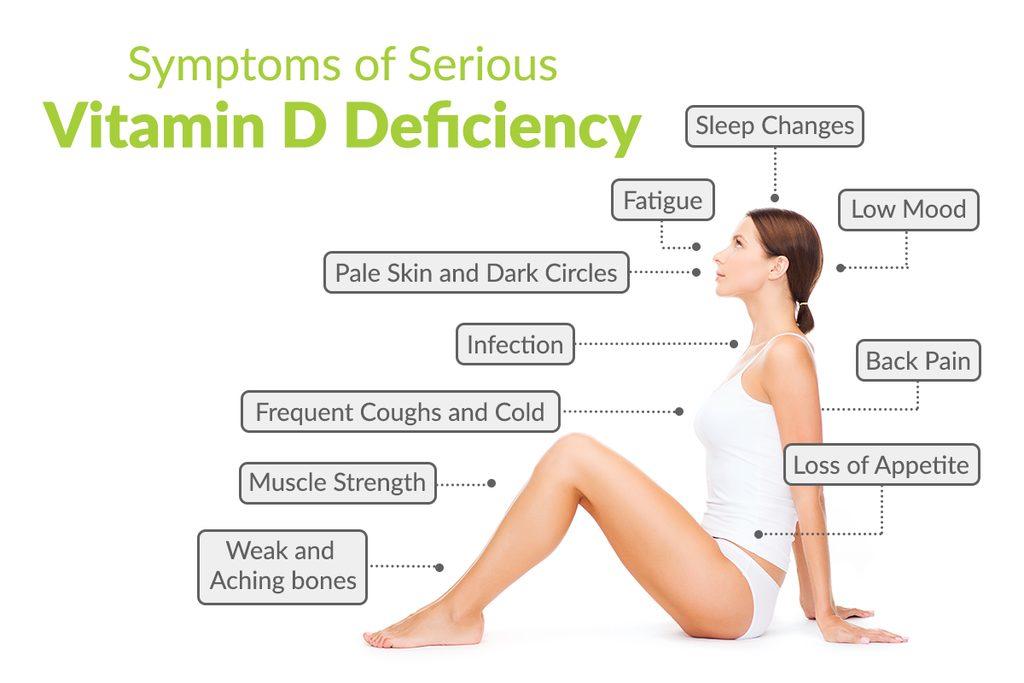
One of the most overlooked aspects of vitamin D deficiency is how it affects motion. Low vitamin D can contribute to fatigue, muscle weakness, or generalized discomfort. When your body feels reluctant to move, your routine quietly shrinks.
That’s how weight gain can accelerate without a dramatic lifestyle change. You might take fewer steps without noticing. You might choose the easier path. You might avoid workouts because recovery takes longer. Over weeks and months, this can change body composition.
Think of it as a motivational tax. Even when you “try,” your body may not respond the way it used to. That can lead to a subtle cycle: discomfort reduces activity, reduced activity worsens insulin dynamics and inflammation, and the scale responds.
Pregnancy and weight: when timing amplifies the effect
Pregnancy is a physiological masterpiece—so many systems are in motion at once. Weight gain is expected. Yet not all pregnancy-related weight changes are identical, and deficiencies can influence how the body adapts.
Vitamin D needs often change during pregnancy. If deficiency is present, it may intersect with muscle function, immune signaling, and metabolic regulation. The result can be a more pronounced struggle with energy levels and body comfort. Some people also report differences in how quickly they feel “back to normal” after delivery.
In this context, vitamin D deficiency can be more than a background issue. It may contribute to the overall difficulty of staying active and feeling well—both of which shape pregnancy weight patterns.
Beyond the scale: other clues that might point to deficiency
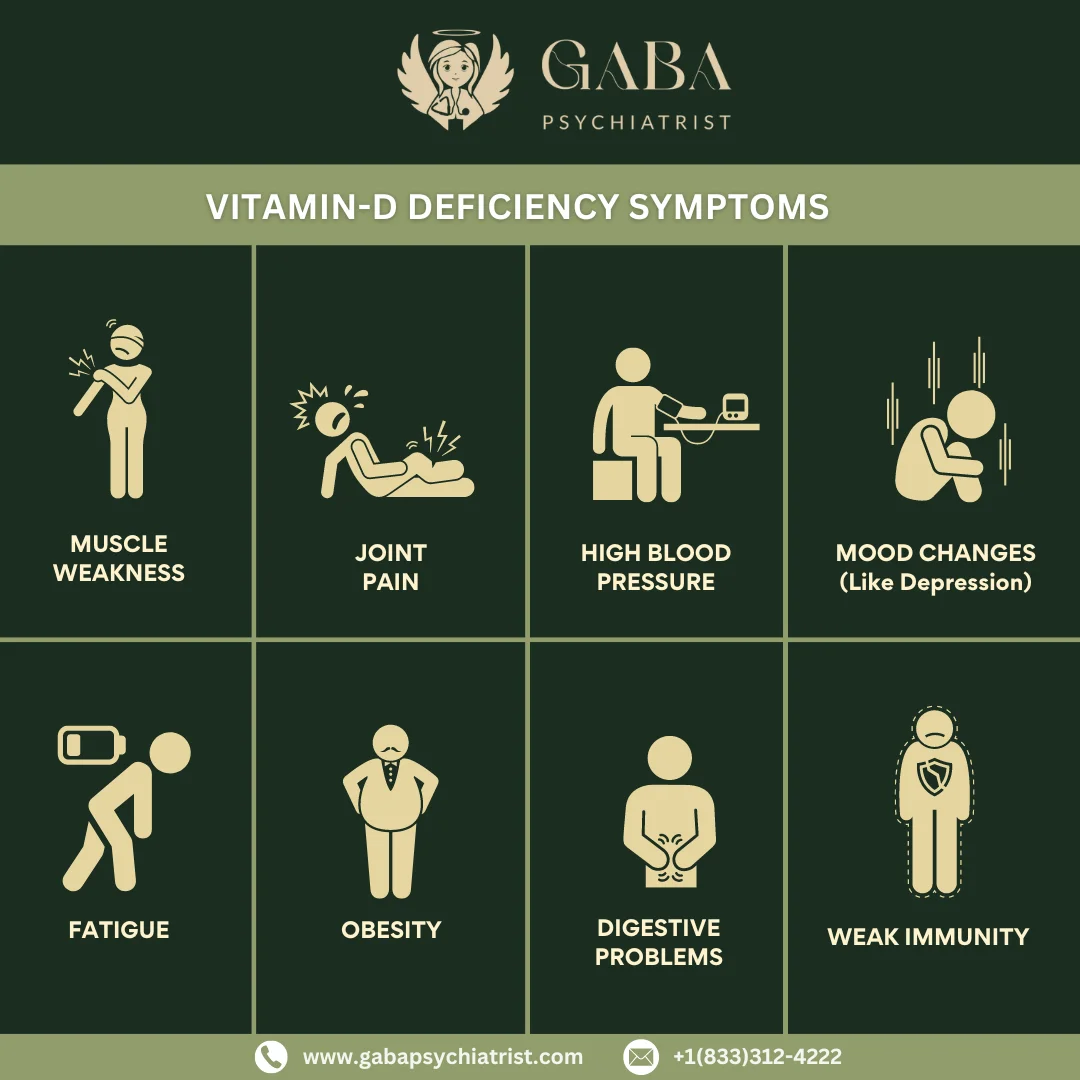
Weight gain is only one possible outcome. Vitamin D deficiency frequently travels with a cluster of signs. These may include bone discomfort, muscle weakness, frequent aches, low mood, or increased susceptibility to certain infections. Some people also experience hair shedding or slower recovery from physical strain.
None of these symptoms confirm vitamin D deficiency by themselves. But together, they can create a pattern that feels oddly consistent across time. If the constellation fits your experience, it’s reasonable to investigate rather than guess.
Uncommon terminology helps capture the subtlety: vitamin D deficiency can feel like a “background malfunction.” The scale may be the loudest instrument, but it isn’t the only one playing.
Risk factors: who is more likely to fall short?
Vitamin D status depends heavily on sunlight exposure, skin pigmentation, latitude, season, and lifestyle. People who spend little time outdoors may have lower vitamin D production in skin. Those who use broad-spectrum sunscreen consistently may reduce synthesis, which is protective for skin health but can contribute to lower levels without supplementation or diet support.
Dark skin tones often require more UV exposure to produce the same vitamin D levels. Older adults also tend to synthesize vitamin D less efficiently. Additionally, some gastrointestinal conditions and absorption issues can impair vitamin D uptake.
All of these factors can quietly increase the chance of deficiency—and, consequently, make weight stabilization harder.
How testing clarifies the picture
If weight gain is happening alongside low energy, aches, or a general sense of metabolic resistance, testing can replace speculation. The most informative marker is typically 25-hydroxyvitamin D. It gives a snapshot of vitamin D status better than dietary estimates alone.
Testing doesn’t mean vitamin D is the only cause. It means it could be a modifiable contributor. That distinction matters, because it shifts the mindset from blame to precision. You’re not trying to “fix everything.” You’re identifying one variable that can be tuned.
Addressing deficiency safely: supplementation and lifestyle synergy
Supplements can help restore vitamin D levels, but dosing should be guided by lab results and clinical context. Too little won’t move the needle; too much can be harmful. Therefore, professional guidance is ideal, especially if there are kidney issues, pregnancy, or other medical complexities.
Lifestyle can support the process. Sensible sun exposure (when appropriate), vitamin D–rich foods, and routines that preserve muscle strength all work together. Strength training and resistance exercise are particularly relevant because they counter fatigue and support higher energy throughput.
When vitamin D deficiency is corrected, some people notice improved comfort and better exercise tolerance. That can indirectly influence weight by making movement easier and more sustainable.
Why it’s worth paying attention
The fascination with vitamin D deficiency and weight gain isn’t just about a nutrient. It’s about a pattern: small biological imbalances that change how you feel, how you move, and how your body handles energy. When the scale rises despite effort, it can be tempting to conclude that the problem is personal. Sometimes the problem is biochemical.
Vitamin D deficiency may be a symptom you miss—not because it’s hidden, but because it’s easy to misclassify. Instead of viewing it solely as a bone issue, consider it a multi-system signal that can influence metabolism, muscle performance, and inflammation. If your weight gain feels inexplicable, vitamin D may be one of the clues you’ve been overlooking.