Vitamin D is often described like a gentle lighthouse—quietly guiding calcium into its rightful places. Yet even lighthouses can shine too long. When vitamin D levels climb into toxic territory, the body’s careful balance can curdle into something harsher: dehydration, thirst that feels insatiable, and a warning sign many people mistake for something ordinary. This is the story of how excess vitamin D can turn the body’s internal “watering system” into an overheated furnace, and why recognizing the earliest signals matters more than reassurance.
Vitamin D Toxicity: When the Lighthouse Burns Instead of Guides
Vitamin D toxicity usually refers to hypervitaminosis D, a condition where excessive vitamin D leads to abnormally high calcium levels in the bloodstream—hypercalcemia. Calcium, in the right amounts, is a cornerstone for bone remodeling and muscle function. In excess, it becomes a renegade courier, delivering “too much” to the wrong destinations. The result can be a cascade of symptoms that feel scattered—yet they often share a single underlying theme: the body is losing fluid and struggling to maintain equilibrium.
Think of the bloodstream like a well-calibrated river. Vitamin D toxicity is like sending in too many dam gates at once. Water flow changes. Pressure rises. The body responds by tightening its routines, and dehydration can follow as a downstream echo.
The Dehydration Link: High Calcium’s Unforgiving Gravity
Dehydration in vitamin D toxicity isn’t merely “not drinking enough.” It often develops because elevated calcium disrupts kidney handling of fluids and signals that regulate thirst, urination, and electrolyte balance. When calcium levels soar, the kidneys may excrete more calcium and water, creating a tug-of-war where the body is slowly drained.
Short sentences can be startling here: you feel thirsty, but the thirst is not the problem—it’s a symptom of internal misrouting. Long days and quick fixes can worsen it. Dehydration can lead to dizziness, weakness, and confusion, which in turn can reduce fluid intake further, creating a spiral.
In metaphorical terms, dehydration becomes the body’s emergency protocol, but with excess vitamin D the protocol arrives late and expensive.
Early Warning Signals: The First Ripples Before the Storm
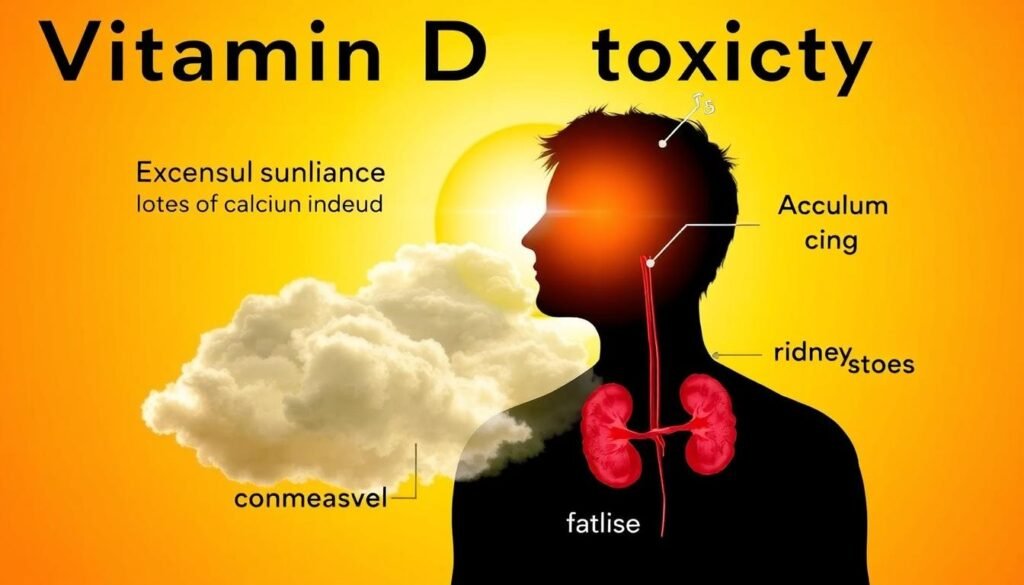
Before severe outcomes appear, the body often leaves breadcrumbs—subtle, sometimes easy to dismiss. People may notice:
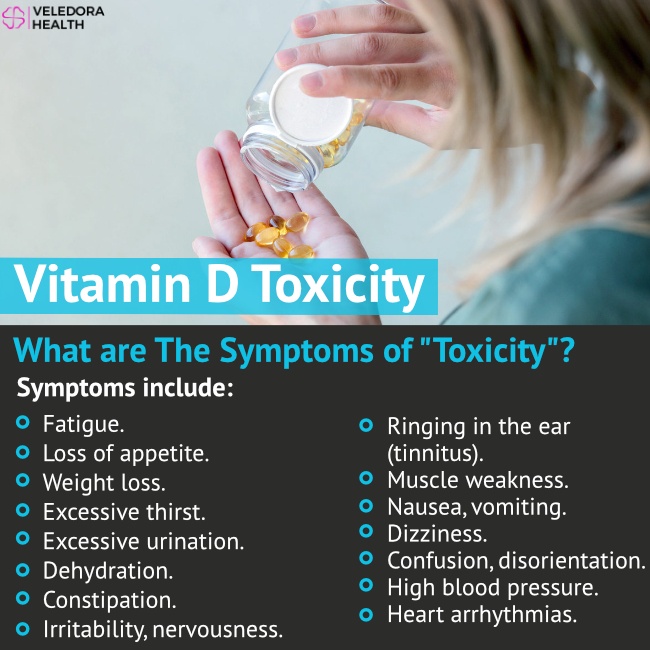
• Increased thirst and frequent urination: Hydration feels insufficient even right after drinking.
• Nausea, loss of appetite: Food becomes less appealing, as if digestion has become unreliable.
• Constipation or abdominal discomfort: The gut slows, and you feel “stuck” in an uncomfortable stillness.
• Headache and unusual fatigue: Energy drains in a way that doesn’t match sleep.
• Muscle weakness or aching: Movements feel heavier, less coordinated.
Some symptoms arrive together like a coordinated choir. Others show up as scattered notes. But dehydration’s fingerprint—dry mouth, reduced urine output later on, lightheadedness—can become more pronounced as calcium and fluid imbalance progress.
One practical way to imagine this stage: your internal thermostat is malfunctioning. It doesn’t simply “get warm.” It refuses to settle.
How Dehydration Can Masquerade as Something Else
Because dehydration can be caused by many factors—heat exposure, stomach illness, intense exercise, or low fluid intake—vitamin D toxicity can blend into the background noise of everyday life. People may attribute symptoms to stress, a “bug,” or dietary changes. Yet vitamin D toxicity carries a distinctive undertone: symptoms may persist despite normal hydration habits, and they may cluster with signs tied to calcium excess.
In a narrative sense, this is the moment where the plot twists. The body is not simply lacking water. It is mismanaging water.
When dehydration remains stubborn—when drinking doesn’t restore clarity, when urination patterns change abruptly, when weakness and constipation linger—vitamin D excess should rise on the list of possibilities, especially if high-dose supplementation or multiple products have been taken simultaneously.
Kidney Involvement: The Body’s Filter Under Strain
The kidneys act like diligent gatekeepers, processing blood and regulating electrolytes. In vitamin D toxicity, high calcium can overwhelm these routines. Over time, calcium-related stress may contribute to kidney stones or nephrocalcinosis in more serious cases. Dehydration compounds the strain: less fluid means less “buffering” capacity, and the kidneys must work with more concentrated demands.
Picture a sponge constantly squeezed. Even if it’s not breaking immediately, the friction leaves marks. Dehydration squeezes the system tighter, and hypercalcemia increases the pressure.

Cardiovascular and Neurological Effects: When Balance Becomes Volatility
Calcium is not only a bone partner; it also supports nerve signaling and muscle contraction. Too much calcium can influence heart rhythm and neurological function. Some people experience palpitations or a sense that their body is “off.” Others report confusion, unusual sleepiness, or mood changes.
This is why dehydration in this context feels more severe than typical mild dehydration. The story becomes layered: fluid loss plus electrolyte disruption plus cellular signaling disturbances. The body’s messaging system can start sending inaccurate instructions, like a GPS that still calculates routes but no longer understands the terrain.
Long sentences, like drawn-out symptoms, can blur into each other. But the takeaway is concise: when high calcium and dehydration coexist, the body’s steadiness can wobble.
Who Is at Higher Risk: The Quiet Math Behind Overdose
Vitamin D toxicity is more likely when supplementation is excessive—particularly with high-dose products, long-term use, or inadvertent stacking from multiple sources (a vitamin D supplement plus fortified foods or additional drops). Certain individuals may be more vulnerable due to underlying health conditions, altered metabolism, or sensitivity to calcium regulation.
Risk also increases when people continue supplements despite abnormal labs, or when they take doses far beyond recommended levels without professional monitoring. Sometimes the body isn’t just reacting to a single dose; it’s accumulating the consequences of repeated “extra” intake.
Consider a metaphor: each extra unit is a pebble added to a reservoir. It may look manageable at first. Over time, the overflow becomes inevitable—often when the person least expects it.
Recognizing Severity: When to Treat It as Urgent
Seek urgent medical care if symptoms are intense, progressive, or paired with concerning signs such as severe weakness, confusion, persistent vomiting, significantly reduced urine output, or signs suggestive of kidney involvement. Dehydration that worsens despite rehydration efforts can indicate an internal imbalance needing rapid assessment.
Healthcare professionals may check serum calcium, vitamin D levels, kidney function markers, and hydration status. Sometimes additional labs and imaging become relevant if complications are suspected. The earlier the intervention, the better the chance of restoring stability.
Prevention and Safer Use: Rebuilding the Body’s Rhythm
Prevention begins with respecting dose and context. Vitamin D is helpful, but it is not a limitless resource. People often assume “more is better,” yet the body treats excess as an error to correct, not a bonus to store.
Practical prevention strategies include:
• Checking current intake: Count supplements, fortified beverages, and any combined products.
• Using recommended dosing: Follow guidance and dosing intervals.
• Monitoring if using higher doses: Lab testing can prevent invisible drift into danger.
• Staying attentive to symptoms: Thirst, urinary changes, constipation, fatigue—don’t dismiss them as mere quirks.
• Consulting clinicians when unsure: Especially for those with kidney disease, history of kidney stones, or complex medical regimens.
Restoring Balance: Hydration, Evaluation, and Recovery
If vitamin D toxicity is suspected, recovery focuses on correcting the biochemical imbalance—often through medical guidance that may include hydration strategies and adjustments to vitamin D intake. Hydration alone may not solve it if calcium remains elevated. The goal is to help the body regain its equilibrium while preventing complications.
Think of it as re-opening a blocked river. The system needs more than water—it needs the right signals, the right pressure, and time for the kidneys and metabolic pathways to reset.
A Warning Sign Worth Hearing
Vitamin D toxicity and dehydration are not separate tragedies; they are intertwined chapters of the same physiological narrative. Excess vitamin D can elevate calcium, and elevated calcium can disrupt kidney and fluid regulation, leading to dehydration that refuses to behave like ordinary dehydration. This is why the warning sign matters: thirst, weakness, nausea, constipation, and urinary changes may be clues to a deeper imbalance.
The body, in its relentless specificity, is telling a story. The intelligent response is to listen early—before the plot turns from uncomfortable into dangerous.