It begins innocently: an athlete feels “off,” then blames the calendar—too many sessions, too little sleep, a travel week, a stubborn plateau. Yet sometimes the true villain is quieter and more biochemical than any training block. Vitamin D deficiency can masquerade as ordinary fatigue and recovery trouble, especially in people who train hard indoors or live behind sun-avoidant routines. Overtraining is a familiar narrative; vitamin D scarcity can be the hidden footnote that turns the story.
The Athlete’s First Misread: When Fatigue Looks Like Overtraining
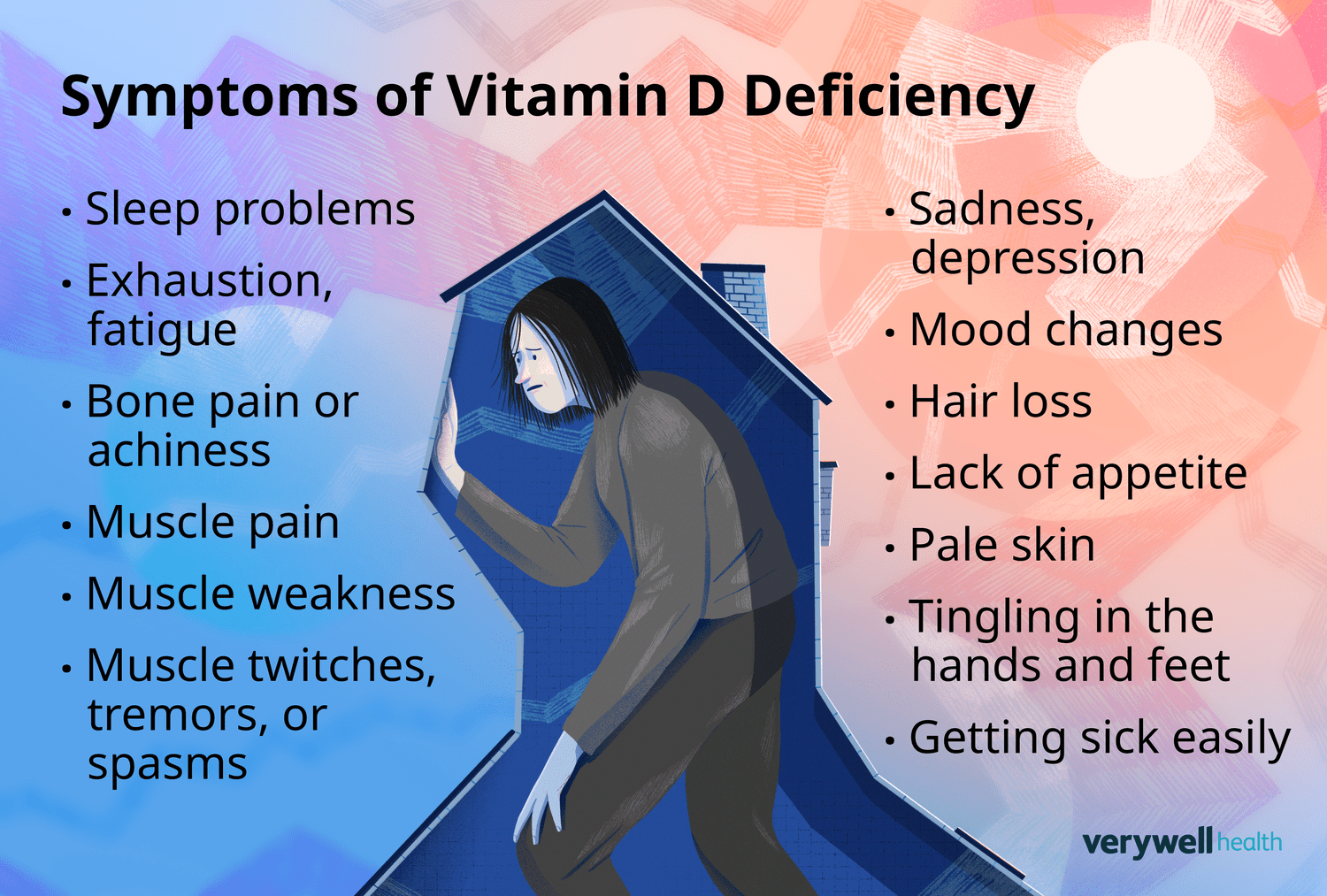
Overtraining syndrome is often described with a kind of stoic certainty—persistently high exertion, mood changes, declining performance, and a stubborn failure to bounce back. Vitamin D deficiency can produce a surprisingly similar constellation. Athletes may report low energy that feels “systemic,” not localized. They might also notice sluggishness in strength maintenance, reduced explosiveness, or an inability to sustain intensity across the week.
Longer narratives can unfold in the body: persistent soreness that seems disproportionate to training volume, frequent minor aches, and a sense that recovery requires more time than it used to. Short sentences capture the frustration: “Why can’t I recover?” “Why does every session feel heavier?” The parallel between deficiency symptoms and overtraining is not coincidence—it is a metabolic overlap that can confound even careful observers.
:max_bytes(150000):strip_icc()/VWH-JulieBang-VitaminDDeficiency-txt-4000x2700-25d3aac6e3914cf98d08db2ba4d87be2.png)
Muscle Weakness and Achy Recovery: The Quiet Saboteur in Training Cycles
In athletes, vitamin D deficiency often surfaces through musculoskeletal signals. Muscles may feel weaker, not merely tired. That distinction matters. Fatigue is temporary; weakness can be persistent, subtle, and insidious. Some athletes describe a dull ache in the thighs, hips, or back—areas that repeatedly bear the load during sprinting, lifting, or endurance sessions.
The deeper reason is that vitamin D supports muscular function and neuromuscular coordination. When levels are low, the body’s ability to regulate calcium dynamics can become less efficient. The result can feel like compromised “contractile economy”—the athlete expends more effort for the same output, then wonders why the next workout feels punitive.
Recovery becomes a question of timing. Athletes may extend sleep and reduce training, yet still feel that their baseline readiness is stubbornly below where it should be. The lingering discomfort can create a psychological trap: the belief that one more heavy session will “wake the body up,” even though the body is asking for restorative precision.
Performance Plateaus, Mood Ebb, and Mental Fog
Training data can be brutally honest: heart rates creep upward, perceived exertion rises, and pace or power declines. But vitamin D deficiency can also blur the cognitive landscape. Athletes sometimes report a low-grade mood disturbance—irritability, reduced motivation, or a muted sense of enjoyment in sport. Others describe mental fog: difficulty focusing on cues, slower reaction time, or a general sense of unreliability.
Short sentences linger here, because the experience can be abrupt: “I can’t focus.” “I feel flat.” “I’m slower to decide.” These changes matter for injury risk. When attention narrows and motor planning softens, mechanics can deteriorate mid-training or mid-competition. A micro-awkward movement becomes a macro problem.
Vitamin D is involved in broader signaling pathways, which can influence inflammation balance and neurocognitive functioning. The overtraining narrative may be correct in tone—high stress is real—but vitamin D deficiency can be the missing variable that keeps the nervous system from recalibrating.
Bone and Injury Susceptibility: Why Microtrauma Feels Louder
Bone discomfort is sometimes dismissed as training adaptation. After all, athletes live in a landscape of controlled damage and repair. Yet vitamin D deficiency can shift the repair tempo. Athletes may experience recurrent pain—particularly in weight-bearing areas—without a clear acute mechanism. Stress-like discomfort may persist longer than expected, and healing can seem slower.
There’s a fascinating clinical pattern: the same athlete who “handles” hard training for years may gradually become more vulnerable to nagging injuries once deficiency is established. That vulnerability can be linked to reduced calcium regulation efficiency and impaired skeletal remodeling. In other words, microtrauma doesn’t get the same architectural response.
Consider the deeper reason fascination keeps returning to this topic: vitamin D status can change quietly over months, while training intensity changes only in visible chunks. Deficiency can accumulate like background noise, and then suddenly the body begins to respond as if the volume were far higher than it actually is.

Why Athletes Are at Risk: Indoor Time, Latitude, and the Sunscreen Paradox
Many athletes are not truly “sunlight deficient” by intent, yet lifestyle trends can create real shortfalls. Training in gyms, early-morning indoor practices, off-season indoor schedules, and climates with limited ultraviolet intensity can all reduce cutaneous vitamin D synthesis. Skin tone also affects conversion efficiency—an important point often overlooked in casual conversations about “just getting sun.”
There is also a modern paradox: athletes protect their skin diligently, sometimes using high-SPF sunscreen regularly, which is wise for skin cancer prevention but may reduce vitamin D production. Some athletes live in urban settings with reduced exposure due to buildings and commuting patterns. Add in winter seasonal shifts and the risk becomes more predictable.
The deeper, almost poetic aspect is that athletes often chase performance with high precision—counting macros, tracking sleep, optimizing cadence—yet overlook the most foundational substrate: a hormone-like nutrient produced through sunlight.
Overtraining vs. Deficiency: How to Tell the Difference Without Guesswork
It can be tempting to “self-diagnose” by matching symptoms to a story. But overtraining and deficiency can overlap, so the body deserves more than a narrative—it deserves measurement. Bloodwork can clarify vitamin D status and help guide a thoughtful plan.
Signs that lean toward vitamin D deficiency include persistent muscle weakness, bone discomfort that doesn’t resolve with simple deloading, unusual fatigue that feels more like diminished capacity than temporary burn, and recurring mood changes that don’t correlate cleanly with training load.
Still, athletes rarely have just one issue. Low vitamin D can coexist with underfueling, inadequate carbohydrate availability, insufficient protein distribution, stress physiology, and sleep fragmentation. That is why a holistic interpretation matters. The goal is not to replace one hypothesis with another. The goal is to reduce uncertainty until the plan becomes evidence-based.
Practical Recovery Strategies: Moving from Deload to Rebuild
If vitamin D deficiency is identified, recovery can shift from “rest harder” to “restore smarter.” Athletes may need a supplementation strategy tailored to their baseline levels, dietary intake, and medical guidance. Many also benefit from targeted lifestyle modifications: safe, consistent sunlight exposure where feasible; vitamin D–fortified foods; and alignment between training phases and nutritional support.
Alongside vitamin D, the body’s recovery ecosystem deserves attention. Magnesium intake, adequate calcium, sufficient protein, and carbohydrate availability all influence how muscles and bone tolerate training stress. Think of vitamin D as a conductor, but calcium, protein, and sleep are the orchestra.
Training adjustments also matter. A deficiency can prolong fatigue, so gradual progression is often wiser than abrupt intensity returns. Long sentences can describe it: slow ramp-ups, monitored soreness, and performance checkpoints. Short sentences can keep it grounded: “Rebuild capacity.” “Avoid sudden spikes.” “Let the data lead.”

When to Seek Medical Input: Safety Before Athletic Heroics
Vitamin D deficiency is not a trivial cosmetic issue; it can affect musculoskeletal health and overall wellbeing. Athletes who experience persistent symptoms—especially weakness, bone pain that lingers, repeated stress-like injuries, or mood changes that disrupt daily functioning—should consider medical evaluation rather than endurance through uncertainty.
Professional guidance is particularly important because supplementation choices can vary by baseline status and personal risk factors. Overcorrection is also undesirable. The body is a finely tuned system. In that tuning, precision prevents collateral problems.
The Overtraining Connection, Reframed: Curiosity as a Training Advantage
Overtraining is a concept athletes understand because it matches the feeling of too much stress. Vitamin D deficiency is less visible, more biochemical, and therefore more mystifying. That is why the connection is so captivating: it encourages athletes to look beyond the obvious and treat the body like a system of interlocking signals.
When the “overtraining” story doesn’t improve with sensible deloads, consider the hidden variables. Sometimes the body is not protesting volume—it is asking for a missing ingredient in the recovery recipe. And once that ingredient is found, performance can return with the quiet certainty of a thermostat finally calibrated.