Imagine taking a vitamin that’s often praised as a sunshine-saver—then suddenly wondering, “Could my own enthusiasm backfire?” High-dose vitamin D can, in certain circumstances, tip the body into hypercalcemia, a state where calcium levels climb higher than they should. It’s not the most common outcome, but it’s important—and a little unsettling—to understand the risk. Because the human body is remarkably elegant… and also remarkably sensitive to chemistry out of balance.
What Hypercalcemia Really Means (And Why Vitamin D Is Involved)
Hypercalcemia is simply an elevation of calcium in the bloodstream. Calcium isn’t just “bones and teeth.” It choreographs nerve signaling, muscle contraction, and even aspects of cardiac rhythm. The body normally keeps calcium within a narrow range using hormones and feedback loops. Vitamin D, meanwhile, helps regulate calcium absorption from the gut.
When vitamin D doses become excessive, the absorption of calcium can overshoot the body’s ability to buffer it. In that moment, the bloodstream becomes a little too “calcium-rich,” and symptoms can begin to surface. The challenge is that early warning signs can be easy to dismiss as ordinary stress, dehydration, or general fatigue.
So the key question is playful—but also practical: are you treating vitamin D like a gentle nudge, or like a one-way ticket to “more is better”?
Who Is Most at Risk With High-Dose Vitamin D
Not everyone reacts the same way. Some people are more susceptible due to physiology, health conditions, or medication patterns. Risk can rise when high-dose supplementation is taken without monitoring, especially for prolonged periods.
Greater vulnerability often appears in individuals with certain underlying conditions—such as disorders affecting parathyroid function, kidney impairment, or conditions that alter vitamin D metabolism. Kidney disease can be particularly relevant because the kidneys help manage calcium and excrete excess. If the excretory pathway is less efficient, calcium can linger longer.
Also, consider how other supplements or medications can complicate the picture. Calcium supplements, thiazide diuretics, or other agents that influence calcium balance may amplify the risk. The body may not distinguish “calcium from food” versus “calcium from the bloodstream,” so totals matter.
Here’s the twist: sometimes the person taking vitamin D feels perfectly fine—until the threshold is crossed.
Early Symptoms: When Your Body Starts Whispering
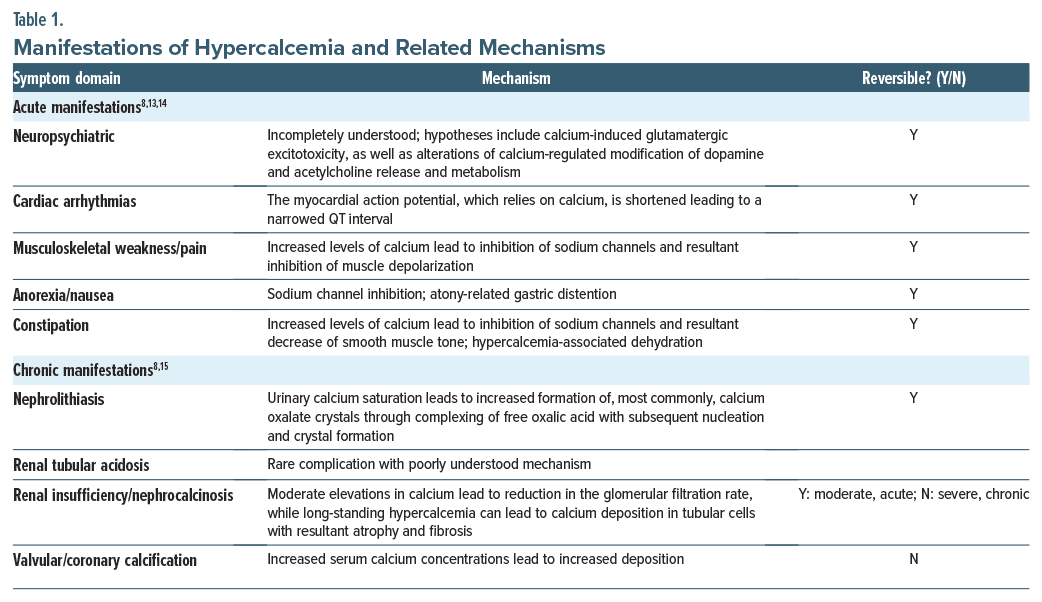
Hypercalcemia can start quietly, like a faint alarm behind a closed door. Early symptoms may include a sense of fatigue, weakness, or unusual sluggishness. Some people also notice reduced appetite, mild nausea, or constipation—digestive changes that can masquerade as common stomach issues.
There may be subtle changes in hydration and thirst. When calcium levels rise, the kidneys may struggle to reabsorb water effectively, contributing to increased urination (polyuria) and thirst (polydipsia). That combination can create a cycle: drink more, urinate more, and feel drained.
Other early clues include brain fog, difficulty concentrating, or irritability. These aren’t “classic” symptoms in the way a rash is, so they’re often overlooked. The playful challenge, then, is this: will you notice the whispers—or only the shouting?
Progressing Symptoms: The Body’s Alarm Escalates
If hypercalcemia persists or becomes more severe, symptoms can intensify. Nausea may deepen into persistent gastrointestinal discomfort. Constipation can become stubborn, and in some cases abdominal pain may appear.
Neuromuscular effects can emerge—muscle weakness, cramps, or incoordination. Because calcium participates in nerve conduction and muscle function, elevated levels may disrupt normal electrical signaling.
Mental status changes can also occur. Some individuals experience confusion, lethargy, or mood alterations. In more significant cases, a severe imbalance can lead to more profound neurological effects.
The body is essentially saying: “This is not the calcium concentration I agreed to.”
Dehydration and Urinary Changes: The Calcium-to-Water Tug-of-War
One of the more distinctive patterns with hypercalcemia is fluid imbalance. High calcium levels can reduce the kidney’s ability to concentrate urine. The result can be frequent urination, which then contributes to dehydration if fluid intake doesn’t keep pace.
Dehydration can worsen symptoms—headache, dizziness, dry mouth, and a general sense of malaise. Some people may feel as though they have a lingering illness, even when no infection exists.
It’s a tricky scenario: dehydration can feel like a cause of symptoms, while actually being a consequence of biochemical changes. The challenge becomes navigating the confusion between “what started first.”
Heart Rhythm and Cardiovascular Signals
Calcium ions influence cardiac muscle activity. When calcium rises too high, it can affect electrical conduction, potentially leading to palpitations or irregular rhythms. While not everyone with hypercalcemia experiences cardiac symptoms, severe cases may show concerning cardiovascular changes.
If high-dose vitamin D is being used and symptoms like unusual heartbeat sensations, faintness, or significant dizziness appear—especially when combined with other warning signs—it’s wise not to treat it as mere coincidence.
Your heart is patient, but it doesn’t enjoy being handed chemical surprises.
Kidney Stones and Kidney Stress: A Longer-Term Concern
Hypercalcemia increases the risk of calcium-based kidney stones. Even if the initial symptoms seem mild, ongoing imbalance can lead to crystal formation within the urinary tract. Kidney stones can cause severe pain, often radiating from the side or back toward the lower abdomen or groin.
Kidney stress is also a concern. When calcium levels remain elevated, renal workload can increase. In those with pre-existing kidney vulnerability, the stakes become higher.
Sometimes the earliest “big problem” reveals itself only after time—like a delayed echo.
How Long Until Symptoms Appear?
Timing can vary. Some people may develop symptoms within days, while others may notice changes after weeks of excessive intake. The body’s absorption and metabolism differ among individuals, and the dose, baseline vitamin D status, and co-factors (like calcium intake) all influence the timeline.
That’s why relying on “how I feel” isn’t always enough. Lab values offer clarity. Symptoms are helpful—but they’re not a precise measurement tool.
Danger Signs: When Hypercalcemia Becomes Urgent
Some symptoms should be treated as urgent, especially if they appear suddenly or intensify rapidly. Severe confusion, pronounced weakness, persistent vomiting, marked dehydration, reduced consciousness, or significant heart rhythm disturbances warrant immediate medical attention.
Also consider urgency if there is severe abdominal pain, extreme constipation with worsening discomfort, or severe headache with confusion. These patterns can reflect more serious metabolic disturbance.
If vitamin D supplementation is involved and symptoms escalate, waiting can be the least playful option.
What to Do If You Suspect High-Dose Vitamin D Is the Culprit
When hypercalcemia is suspected, the most effective approach is not guesswork—it’s evaluation. A clinician can assess calcium levels and related markers, often including vitamin D status and kidney function. That process helps distinguish hypercalcemia caused by vitamin D excess from other medical causes.
Hydration matters, but it shouldn’t replace medical assessment—especially in severe cases. Depending on the severity, treatment can range from dose adjustment and supportive measures to specific interventions that reduce calcium levels.
In other words: stop treating “more” as a virtue. Treat appropriate balance as the goal.
Prevention: How to Keep Vitamin D Helpful, Not Hazardous
Prevention is mostly about restraint, personalization, and monitoring. Using high-dose vitamin D “just because” can be risky. Dosage should align with a person’s baseline vitamin D status, medical history, and clinician guidance.
Routine monitoring can identify rising calcium early, before symptoms become dramatic. It’s a pragmatic approach that respects biology’s narrow margins.
And here’s the final playful challenge: before you increase the dose, ask whether your plan is grounded in evidence—or powered by optimism.