Vitamin D in the bloodstream is a curious kind of storyteller. It travels through the body like a messenger in a glass vessel, leaving behind a measurable trace—yet the trace is written in different alphabets. Some reports whisper “ng/mL,” others speak in “nmol/L.” When those units don’t align, the story can feel misread. A conversion chart becomes the decoding lens: not just a tool, but a bridge between lab language and personal understanding.
Why Vitamin D Units Feel Like Two Different Maps
Imagine you’re planning a journey using two cartographers. One prints distances in miles; the other in kilometers. Both maps can be accurate, but your brain won’t trust the destination until the scale is unified. Vitamin D blood tests behave similarly. “ng/mL” (nanograms per milliliter) measures mass per volume, while “nmol/L” (nanomoles per liter) measures molecular amount per volume. The body doesn’t care which unit is printed—only what the measurement represents. You, however, may feel like you’re comparing apples to telescopes unless you convert.
This is why conversion matters. It’s not merely cosmetic. It can affect how you interpret sufficiency thresholds, how clinicians discuss results, and how you decide next steps. Even a small misunderstanding can turn “near target” into “dramatic deficiency” on paper.
The Core Conversion: The Number That Unlocks Clarity
To transform Vitamin D values between ng/mL and nmol/L, the commonly used relationship is:
1 ng/mL = 2.5 nmol/L
And equivalently:
1 nmol/L = 0.4 ng/mL
Think of this as a translation spell. If your report reads “ng/mL,” multiply by 2.5 to speak nmol/L. If your report reads “nmol/L,” multiply by 0.4 to return to ng/mL.
Short and practical example: a result of 20 ng/mL becomes 50 nmol/L. Conversely, 75 nmol/L corresponds to 30 ng/mL. Those aren’t trivia facts—they’re the hinges that swing interpretation into place.
Vitamin D Blood Test Conversion Chart (ng/mL ⇄ nmol/L)
Below is a practical conversion chart that helps you glide between unit systems quickly. Use it like a compass: it won’t replace medical judgment, but it keeps your bearings.
| ng/mL | nmol/L | ng/mL | nmol/L |
|---|---|---|---|
| 5 | 12.5 | 35 | 87.5 |
| 10 | 25 | 40 | 100 |
| 15 | 37.5 | 45 | 112.5 |
| 20 | 50 | 50 | 125 |
| 25 | 62.5 | 60 | 150 |
| 30 | 75 | 70 | 175 |
| 32.5 | 81.25 | 80 | 200 |
Notice how numbers “feel” different across unit systems. In nmol/L, values often appear larger. That can mislead the eye into believing the level is higher than it truly is. The conversion chart acts like an interpretive harmonizer—turning visual noise into meaningful signal.
Interpreting Results: “Sufficient” Isn’t One-Note
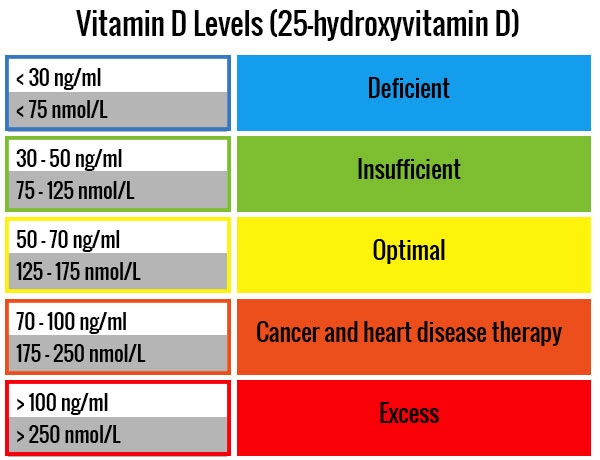
When people ask about Vitamin D, they often ask about categories: deficiency, insufficiency, sufficiency. Yet thresholds can vary slightly depending on guidelines, lab practices, and clinical context. The conversion chart helps you place your result into the right numerical neighborhood—even when the label uses a different dialect.
For instance, if one guideline describes sufficiency around 20 ng/mL, that same target corresponds to 50 nmol/L. Without conversion, you might mistake your result as “lower” simply because the unit name makes the number look different.
Also keep in mind: the test typically measures 25-hydroxyvitamin D, the main circulating form. It’s the bloodstream’s ledger entry for your Vitamin D status—not the body’s immediate “usage” snapshot, but a grounded indicator of what’s available.
How Labs and Countries Shape the Number You See
The same physiology can be summarized in different units across regions. In some countries, ng/mL is common; in others, nmol/L dominates. This doesn’t mean the vitamin is behaving differently. It means the reporting apparatus is tuned differently. Different testing platforms may also introduce minor variations, even when values are close. Therefore, it’s wise to treat conversion as part of the process—not the entire process.
If you’re comparing your result to a chart online, confirm the unit first. A chart that is “correct” can still lead you astray if it uses the other unit system. Think of it like reading a cooking recipe that lists temperatures in Celsius when your oven is set in Fahrenheit.
Intriguing Metaphor: Vitamin D as a Lantern, Units as the Window Frame
Picture Vitamin D as a lantern carried inside your bloodstream’s gallery. The lantern’s brightness represents status. Now consider the window frame: ng/mL or nmol/L changes the framing of the measurement. The light doesn’t change. Only the architecture around it does. Conversion is how you adjust your gaze so the brightness looks the way it was always meant to look.
When you interpret correctly, the lantern becomes informative rather than enigmatic. You can then focus on the real question: do you need more sunlight strategies, dietary support, supplementation discussions, or further follow-up?
Common Scenarios: Quick Conversion for Real Life
Sometimes you don’t need the entire chart—just the exact bridge between what your report says and what you want to compare.
If your report is 12 ng/mL: multiply by 2.5 → 30 nmol/L.
If your report is 60 nmol/L: multiply by 0.4 → 24 ng/mL.
If your report is 100 nmol/L: multiply by 0.4 → 40 ng/mL.
These are the kind of conversions that turn uncertainty into momentum. A number stops being a mystery and becomes a manageable variable.
What to Do With the Result: Conversation, Not Guesswork
Conversion helps you understand, but it doesn’t replace clinical interpretation. Vitamin D status may be influenced by sun exposure, skin pigmentation, geographic latitude, seasonality, diet, body composition, kidney function, and certain medications. If levels are low, clinicians may recommend repletion and then re-testing after an interval. If levels are borderline, they might suggest lifestyle adjustments and maintenance strategies.
When discussing with a healthcare professional, bring the converted value in both units. That reduces friction. It also demonstrates that you’re reading the lab report with precision rather than assumption.
And if you ever see unusually high values, it’s worth asking specifically about the unit, the assay method, and whether supplementation could be contributing.
Visual Reference: A Conversion Snapshot
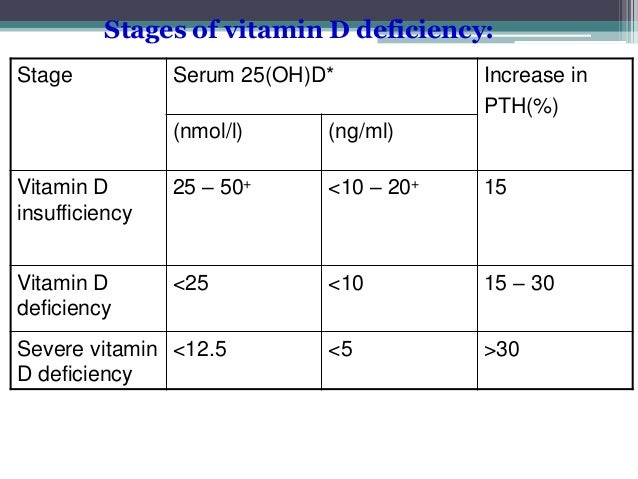
A chart is useful because it compresses arithmetic into intuition. Below is a representative image concept for how conversion visuals often look—useful for quick reference during busy days.
Final Takeaway: The Chart Is Your Translational Compass
Vitamin D blood tests may arrive in two unit systems, but they describe the same underlying biochemical presence. The conversion factor—ng/mL × 2.5 = nmol/L—turns confusion into continuity. Use the chart to interpret thresholds correctly, compare results across contexts, and prepare meaningful conversations with clinicians.
When units align, the lantern metaphor sharpens: your Vitamin D status becomes legible, actionable, and far less intimidating. In the end, conversion isn’t just math—it’s clarity wearing a practical coat.