Metabolic health rarely obeys a single lever. It’s more like an intricate relay race—one signal hands off to the next, and the baton can be dropped by inflammation, nutrient insufficiency, or hormonal disruption. Two players often discussed in this arena are Vitamin D and GLP-1–based therapies (including GLP-1 receptor agonists and related approaches). Individually, each has compelling metabolic implications. Together, they suggest a fascinating possibility: a synergistic choreography affecting insulin sensitivity, appetite regulation, inflammation tone, and even the long-term maintenance of metabolic momentum.
Vitamin D: Beyond Bone Biology, Toward Metabolic Conductors
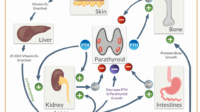
Vitamin D is frequently treated as a bone-centric vitamin, yet it functions more like a molecular coordinator. Its active form—calcitriol—interacts with vitamin D receptors distributed across many tissues, including pancreatic beta cells, adipose tissue, immune cells, and vascular endothelium. In this way, vitamin D can influence gene transcription pathways that govern insulin signaling and inflammatory regulation.
When vitamin D status is low, metabolic networks may become more erratic. Some studies connect insufficiency with impaired glucose tolerance and heightened inflammatory markers. While the magnitude of effects varies among individuals, the overarching pattern is consistent: vitamin D deficiency can create a biochemical environment that makes metabolic optimization harder to achieve. Think of it as reducing the “signal-to-noise ratio” within pathways responsible for glycemic control.
Readers often encounter vitamin D content in different formats—checklists of risk factors (limited sun exposure, darker skin pigmentation, older age), practical dosing discussions, and lab-testing guidance (commonly serum 25-hydroxyvitamin D). A strong educational article typically blends these elements with caution about oversupplementation, because vitamin D is fat-soluble and can accumulate.
GLP-1 Therapies: Appetite Gatekeepers and Glucose Modulators
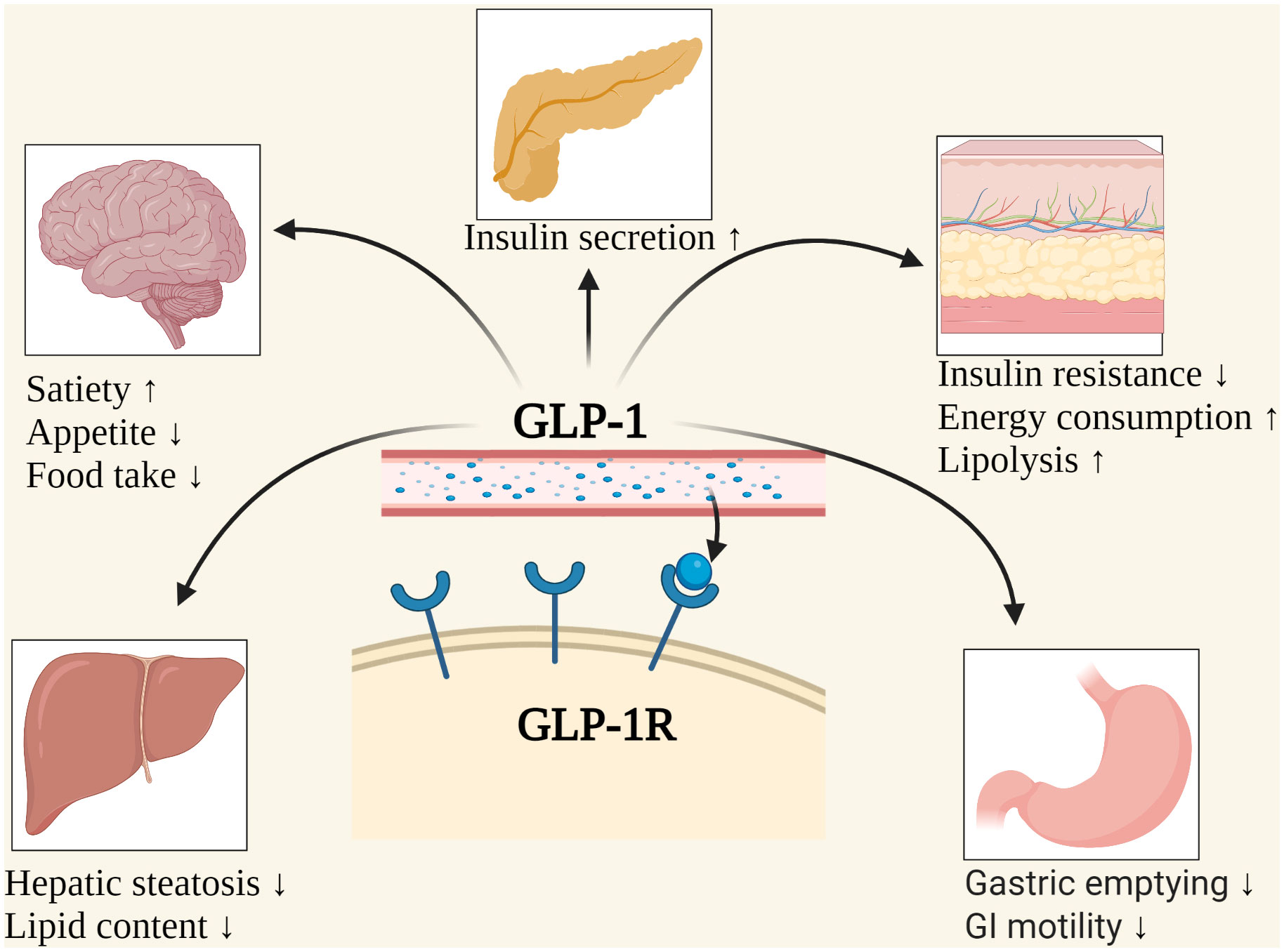
GLP-1 (glucagon-like peptide-1) is an incretin hormone that acts like a sophisticated metabolic messenger. GLP-1 receptor agonists enhance glucose-dependent insulin secretion, slow gastric emptying, and promote satiety. The result is not merely lower blood sugar; it’s a broader re-tuning of how the body anticipates and handles incoming nutrients.
Many readers first learn about GLP-1 therapies through narratives centered on weight loss and diabetes management. But beneath the surface, these therapies also intersect with inflammatory pathways, lipid metabolism, and even cardiovascular risk profiles. The key word is “integration.” GLP-1 approaches can alter the endocrine “conversation” between gut, pancreas, liver, and brain.
Content readers can expect in this domain often includes comparisons between GLP-1 receptor agonists and other incretin-related treatments, discussions of side effects, and practical lifestyle recommendations that maximize benefits. Short-form content frequently highlights common questions: how quickly changes might occur, what to do about nausea, and how to build sustainable eating patterns while appetite shifts.
Where the Interaction Happens: Insulin Sensitivity, Inflammation, and Receptor Signaling
The metabolic interaction between vitamin D and GLP-1 is not likely a single on/off switch. Instead, it appears more akin to a multi-stage amplifier. Vitamin D can influence insulin sensitivity pathways and modulate immune activation. Meanwhile, GLP-1 therapies reduce glucose excursions and dampen inflammatory signaling indirectly through weight reduction and hormonal recalibration.
One plausible pathway: vitamin D may support beta-cell resilience and insulin signaling efficiency. If insulin pathways are more responsive, GLP-1–mediated glucose control can become more effective. Another layer involves immune modulation. Chronic low-grade inflammation is a metabolic saboteur; both vitamin D insufficiency and dysregulated GLP-1 signaling can worsen inflammatory tone. When vitamin D status is adequate, it may create a steadier inflammatory backdrop—allowing GLP-1 therapies to exert their metabolic effects with less biochemical resistance.
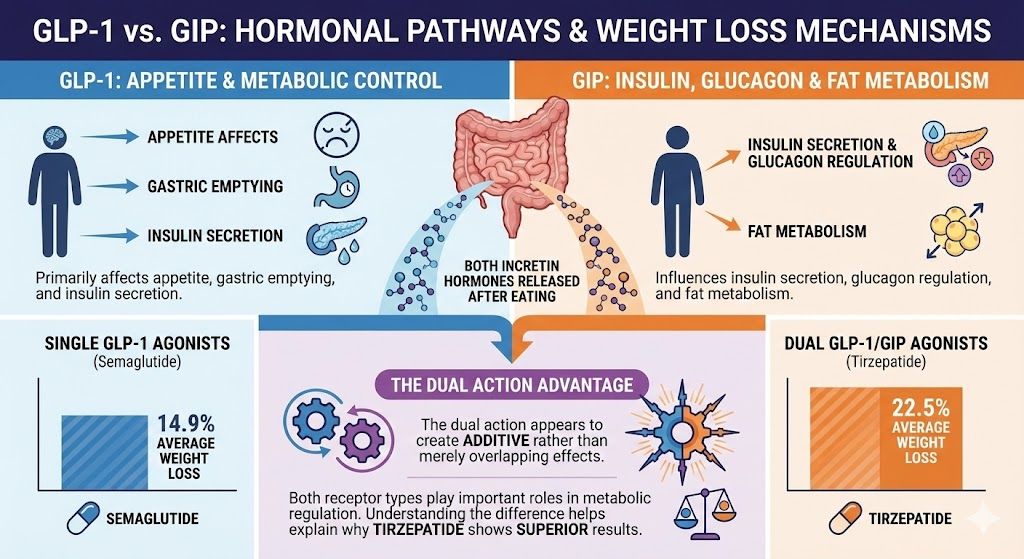
Readers looking for “how” explanations often benefit from visuals and analogies. A chart-style image can help conceptualize the interaction: vitamin D influencing cellular signaling stability while GLP-1 re-weights appetite and glucose handling. Such content tends to reduce confusion and makes the science feel navigable rather than abstract.
Gut Microbiome and Metabolic Ecology: The Hidden Middle Layer
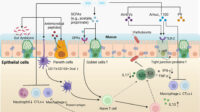
The gut is not simply a pipeline—it’s an ecosystem. Vitamin D and GLP-1 signaling may both influence the composition and function of gut microbes, as well as gut barrier integrity. Even small changes in the microbiome can tilt inflammatory signals, bile acid metabolism, and energy harvest, all of which feed into insulin resistance patterns.
GLP-1 therapies can also alter gastrointestinal motility and nutrient exposure timing. Those shifts can influence microbial ecology in ways that vary by diet, genetics, and medication duration. Vitamin D, meanwhile, may affect microbial growth dynamics and immune regulation in the gut-associated lymphoid tissue.
This is a topic where readers encounter both promise and confusion. A well-crafted article should distinguish between mechanistic hypotheses and confirmed clinical outcomes. Narrative pieces often tell the story of how “gut signals” translate into appetite and glucose outcomes. Analytical pieces, in contrast, may focus on microbial taxa, short-chain fatty acids, and metabolic byproducts.
Weight Loss, Body Composition, and the Role of Vitamin D Sufficiency
Weight loss itself is a metabolic intervention. GLP-1 therapies frequently reduce body weight and improve insulin sensitivity. But body composition matters. Some changes may reflect fat mass reduction, while maintaining or gradually improving lean mass depends on protein intake, resistance training, and overall energy balance.
Vitamin D sufficiency may contribute indirectly through musculoskeletal function. Adequate vitamin D is associated with better muscle performance and may support the physical activity that helps preserve lean mass. When lean mass is protected, the metabolic engine can run more efficiently—because muscle is a significant site of glucose disposal and energy expenditure.
Readers often appreciate content that offers practical “next steps” rather than just molecular explanations. Expect sections on exercise timing during GLP-1 therapy, strategies to improve dietary protein distribution, and guidance on monitoring vitamin D status through labs.
Inflammation Tone and Cardiometabolic Risk: A Converging Trajectory
Chronic inflammation is an accelerant for metabolic dysfunction. GLP-1 therapies may reduce inflammatory markers, and vitamin D can exert immunomodulatory effects that influence cytokine production. When these effects converge, the net result may include improved endothelial function and a potentially better cardiometabolic risk trajectory.
Importantly, “risk reduction” is not immediate and not uniform. Some readers experience rapid improvements in glycemic parameters, while others notice gradual shifts in lipid profiles and inflammatory markers. A cohesive article should present expectations realistically: metabolic remodeling is frequently a long game.
In content formats, this section often appears as narrative follow-through: how early weight changes can set the stage for longer-term improvements. Alternatively, it may appear as a bullet list of measurable markers (A1C, fasting glucose, HOMA-IR in research settings, inflammatory indices) and how clinicians may interpret them.
Labs, Targets, and Safety: Turning Hypothesis into a Responsible Plan
Vitamin D optimization typically begins with measuring 25-hydroxyvitamin D. From there, dosing decisions depend on baseline levels, body weight, dietary intake, sun exposure, and individual risk factors. A careful article should emphasize that “more” is not always “better.” Excess vitamin D can be harmful, particularly when combined with high calcium intake or in specific medical conditions.
With GLP-1 therapies, the safety narrative is equally essential. Common side effects—especially gastrointestinal symptoms—should be discussed with practical strategies. Readers also benefit from understanding how nutritional tolerance changes over time. Reduced appetite can lead to underconsumption of micronutrients if planning is neglected.
This is where professional content shines: a section that connects vitamin D labs to nutrition planning, while also clarifying that medication dosing must be supervised by clinicians. A responsible approach protects readers from oversimplified internet advice.
What Readers Can Do Now: Actionable Habits That Support Synergy
Synergy is not only biochemical; it’s behavioral. Readers can adopt habits that allow vitamin D sufficiency and GLP-1–driven appetite changes to reinforce each other. Focus first on consistent nutrition: adequate protein, fiber-rich foods, and micronutrient density. Next, align physical activity with medication tolerance—walking after meals can help glucose dynamics, while resistance training supports muscle preservation.
For vitamin D, consider sun exposure patterns and dietary sources. Many readers benefit from sunlight education that respects skin sensitivity and regional UV variability. Some prefer supplementation, but the most confident strategy is often lab-guided and clinician-supported.
Content writers frequently end with a “path forward” section. It may include a simple checklist: confirm vitamin D status, discuss supplementation if needed, follow GLP-1 titration schedules, monitor metabolic markers, and build a nutrition plan that prevents micronutrient gaps.
Content You Might Find Next: Stories, Science Summaries, and Practical Guides
Readers exploring this topic usually expect three distinct types of content. First are narrative stories—personal journeys that connect medication changes with lab trends and lifestyle evolution. Second are science summaries that interpret mechanisms like insulin signaling, inflammatory modulation, and gut ecology without requiring a laboratory background. Third are practical guides offering dosing discussions, lab interpretation frameworks, and day-to-day strategies for meals, exercise, and symptom management.
When these formats are blended well, the learning experience becomes smoother. A narrative can motivate adherence. A science summary can reduce fear and confusion. A practical guide can turn knowledge into routines that last.
A Forward-Looking View: Toward Personalized Metabolic Precision
The interaction between vitamin D and GLP-1 therapies points toward a broader truth: metabolic health is personal. Genetic factors, baseline vitamin D status, inflammatory load, dietary patterns, and gut microbiome diversity can all shift how well interventions work. In that sense, optimizing vitamin D may help remove a constraint that limits GLP-1 effectiveness, while GLP-1 therapies may create a metabolic environment that allows vitamin D–related pathways to express more beneficially.
The next chapter of metabolic care will likely emphasize personalization—using labs, symptoms, and lifestyle signals to tailor interventions. For now, the most powerful takeaway is pragmatic: adequate vitamin D status may support metabolic resilience, and GLP-1 therapy can recalibrate appetite and glucose handling. Together, they offer a compelling—though still evolving—framework for metabolic health.