Vitamin D has a way of feeling both essential and elusive—like a well-lit lamp you can’t quite reach from across the room. You may take it faithfully, yet your blood levels refuse to budge. Then magnesium enters the story, quieter than vitamin D but oddly influential, acting as a gatekeeper for activation, transport, and utilization. The twist is that magnesium isn’t one uniform character. Different forms behave differently inside the body, and those differences can quietly steer how vitamin D status unfolds.
Why Magnesium Forms Matter More Than Most People Realize
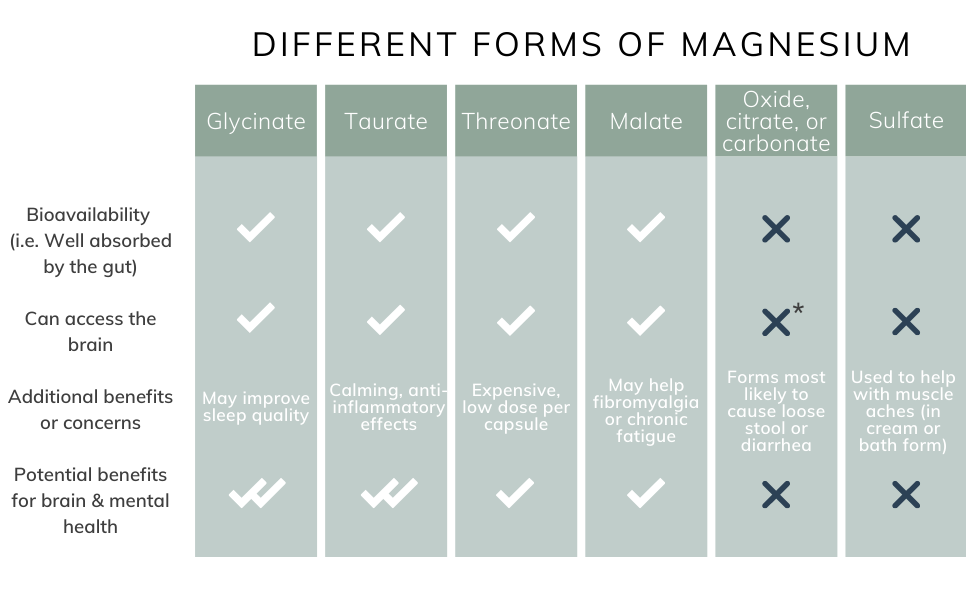
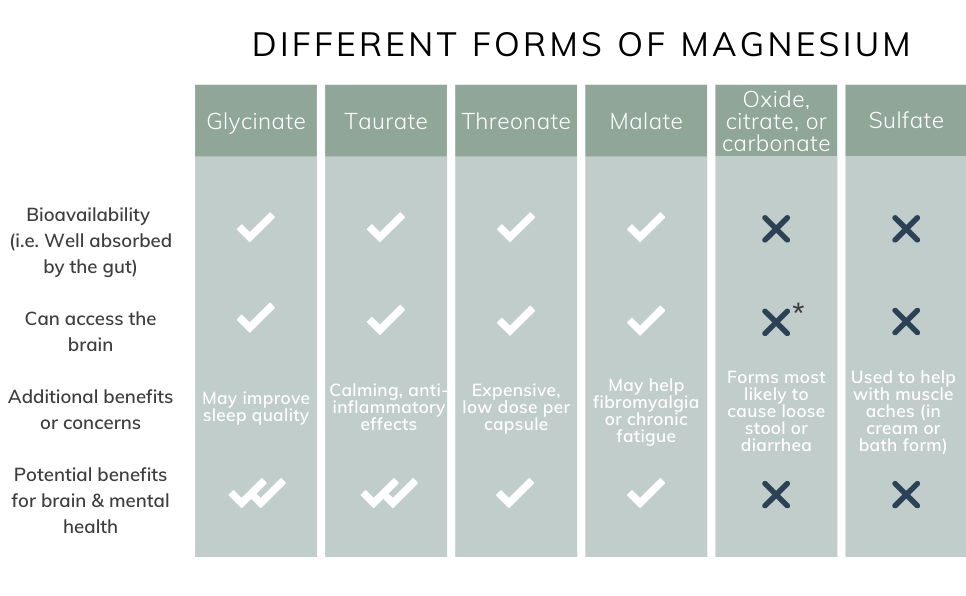
Magnesium is often treated like a single ingredient: either you have it or you don’t. But magnesium supplements are more like a cast of characters with distinct personalities. The “form” determines solubility, absorption rate, tolerability, and how magnesium interacts with enzymes that rely on its presence. And vitamin D is not simply swallowed and stored. It’s processed through a sequence of biochemical handoffs that requires magnesium at critical junctions.
When magnesium status is low, vitamin D metabolism can become energetically expensive for the body—less efficient conversions, altered signaling, and a reduced ability to make the most of what you already ingest. Now imagine magnesium as a key that fits only certain locks. The right magnesium form can turn that key more smoothly, while a less suitable form may fit poorly, leaving the vitamin D pathway partially stalled.
From Ingestion to Activation: Where Magnesium Quietly Holds the Lever
Vitamin D journeys through transformations: first from diet or skin synthesis into circulating forms, then into the active metabolites that can influence calcium balance, immune modulation, and cellular signaling. Magnesium participates as a cofactor in enzyme systems involved in these steps. Without adequate magnesium, these enzymatic gears can grind at less than optimal speed.
Different magnesium forms can influence how consistently magnesium levels rise and how stable they remain. A magnesium form that is absorbed efficiently can support the biochemical environment needed for vitamin D processing. A form with lower bioavailability might raise magnesium only intermittently, which can translate into a “faint signal” effect on vitamin D status.
This is where perspective shifts: vitamin D responses aren’t only about vitamin D dosing. They’re about the metabolic stage it performs on—whether magnesium provides a sturdy platform or a shaky backdrop.
Magnesium Citrate: The Friendly Bridge Between Tolerability and Absorption
Magnesium citrate is often recognized for a pragmatic blend of absorption and gastrointestinal tolerability. Citrate is not merely a carrier; it can influence how magnesium moves through the digestive tract. For many people, this form feels gentle and predictable—meaning higher odds of daily consistency.
Consistency matters because vitamin D metabolism is not a one-day event. If magnesium intake supports steady cofactor availability, the body can repeatedly “check the boxes” of conversion and utilization. Over time, that steadiness can help vitamin D levels climb more reliably.
Curiosity point: if citrate-based magnesium suits your stomach and keeps your intake regular, your vitamin D status may reflect that rhythm. It’s less about dramatic overnight changes and more about cumulative biochemical housekeeping.
Magnesium Glycinate: The Calm Inside the Body, Not Just the Mind
Magnesium glycinate is frequently associated with soothing tolerability. Glycine, an amino-acid component, can contribute to a formulation that many find easier on digestion. This form may be particularly appealing for people who want magnesium support without gastrointestinal ripple effects.
Why does that matter for vitamin D? Because the more comfortable the supplement feels, the easier it is to maintain without skipping. And when magnesium is taken consistently, the body can repeatedly engage magnesium-dependent pathways that influence vitamin D processing. Think of glycinate as a “low-friction delivery system” for magnesium—less prone to sudden surges and more supportive of steady internal balance.
Some people notice that glycinate helps them adhere to a routine. That adherence can be the hidden accelerator behind improved vitamin D status.
Small narrative twist: vitamin D often gets blamed for stagnation, but magnesium can be the unseen stabilizer that allows vitamin D to do its work without obstruction.
Magnesium Oxide: When Inertness Becomes the Misunderstood Problem
Magnesium oxide is widely available and often inexpensive. It can raise magnesium intake on paper, but absorption efficiency tends to be lower compared with more soluble forms. Some formulations also come with a higher likelihood of gastrointestinal side effects, which may lead people to reduce dose or discontinue.
If magnesium absorption is limited, magnesium may not reach the levels needed to support vitamin D metabolism consistently. The result can feel like a paradox: taking magnesium “should” help vitamin D, yet lab values don’t reflect meaningful change.
This isn’t a condemnation—it’s a reminder that biochemistry isn’t impressed by intention alone. It prefers delivery quality. When magnesium oxide fails to provide adequate usable magnesium, the vitamin D pathway remains partially underpowered.
Magnesium Threonate: A Modern Contender with a Nuanced Role
Magnesium threonate is a newer option that aims to support magnesium uptake in the nervous system. While its “headline” is cognitive and neural support, the underlying question for vitamin D status remains the same: can it raise magnesium availability well enough to support enzymatic functions tied to vitamin D metabolism?
For some individuals, threonate may contribute to overall magnesium repletion, particularly when combined with dietary intake and other lifestyle factors. However, its most distinctive qualities do not automatically translate to superior vitamin D effects in every case. The body is not a one-channel system. It has multiple compartments, and magnesium distribution can vary.
Curiosity: if you’re choosing threonate for one set of goals, consider monitoring vitamin D status to see whether your magnesium strategy aligns with your blood test outcomes. Personal physiology can be the final referee.
Magnesium and Vitamin D Synergy: The “Optimization” Mindset
The most productive way to think about magnesium and vitamin D is synergy, not substitution. Vitamin D supplementation without magnesium support can resemble building a pathway with missing planks. Magnesium helps keep the pathway functional—supporting conversion steps and the biochemical environment in which vitamin D exerts its influence.
That means the goal isn’t simply to add more vitamin D. It’s to create conditions where vitamin D can be properly processed and used. When magnesium status is strengthened—especially through forms that absorb well—the response to vitamin D may become more robust.
In this narrative, magnesium becomes less like a side character and more like the scene director.
Timing, Dose, and Tolerability: How Your Routine Changes the Outcome
Form isn’t the only variable. Timing and dose also shape absorption and comfort. Some people take magnesium with meals to reduce gastrointestinal effects; others prefer evening dosing. The body’s circadian rhythms can influence how nutrients are handled, and tolerability influences adherence.
If a magnesium form causes bloating or loose stools, your routine may become inconsistent—an overlooked factor that can blur the signal of improved vitamin D status. Conversely, a form that feels smooth may encourage longer-term use, giving vitamin D metabolism time to settle into a new equilibrium.
Short sentence, long impact: take what you can sustain.
Signs You Might Be Magnesium-Limited (and Why That’s Not Always Obvious)
Magnesium insufficiency can be subtle. Fatigue, muscle cramping, restlessness, or frequent “off” days may appear, but they can also overlap with other deficiencies or lifestyle factors. Lab tests for magnesium in blood may not always reflect total body stores because magnesium is distributed across tissues.
Still, if vitamin D supplementation feels like it’s stuck in slow motion, magnesium status becomes a plausible missing variable. A measured approach—adjusting magnesium form and then observing vitamin D changes over time—can clarify whether magnesium was the bottleneck.
Curiosity becomes a tool here: curiosity about your body’s limiting factors, not just about the supplement label.
Safety, Interactions, and Practical Considerations
Magnesium is generally well tolerated, but total dose matters. People with kidney disease or reduced renal function should seek medical guidance before supplementing, since magnesium clearance depends heavily on kidney activity. Also consider drug interactions: magnesium can affect absorption of certain medications, and spacing doses may be wise.
Professional practice is simple: choose a form you tolerate, use a reasonable dose, track symptoms, and reassess with bloodwork when appropriate. The goal is not a maximal stack; it’s a coherent plan.
Choosing the Right Magnesium Form to Support Vitamin D Status
If you’re aiming to shift vitamin D status, the most strategic choice is often the magnesium form that you absorb well and can take consistently. Many people gravitate toward citrate or glycinate for their practical balance of tolerability and absorption. Those forms can provide magnesium support that helps vitamin D metabolism proceed without unnecessary friction.
Oxide may look tempting due to cost, but limited absorption can reduce its functional impact. Threonate may be valuable for other goals, though vitamin D outcomes should still be confirmed by monitoring. Ultimately, the “best” form is the one that improves your measurable status while fitting your real-life routine.
The promised shift in perspective is this: vitamin D status is not only a vitamin story. It’s a magnesium story, too—delivered through form, steadiness, and metabolic compatibility.