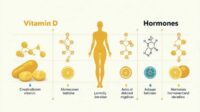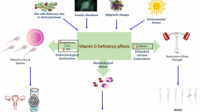
Menopause can feel like a slow-changing weather system—barometric pressure shifting, seasons rearranging themselves inside the body. And when vitamin D deficiency joins the story, it can amplify the haze. Vitamin D isn’t merely a nutrient; it behaves like an internal stagehand, quietly moving props into place for bone health, immune balance, mood regulation, and muscular function. When levels dip, the symptoms can masquerade as “just aging,” yet they often arrive with distinctive signatures—subtle at first, then increasingly insistent.
Why Menopause and Vitamin D Collide
During the menopausal transition, estrogen declines. Estrogen normally helps maintain bone density and supports pathways involved in calcium absorption. With less estrogen, the skeleton’s long-term remodeling becomes more vulnerable. That’s where vitamin D steps in as a crucial mediator. It helps the body absorb calcium, supports bone mineralization, and influences muscle performance. Think of vitamin D as a translator between dietary calcium and the bones that need it. Without adequate translation, calcium can be present in the bloodstream but underutilized where it matters most.
There’s also a lifestyle dimension. Many people become less active, spend less time outdoors, or adopt more indoor routines during peri- and post-menopause—reducing sun exposure, the body’s primary method of producing vitamin D. Add dietary variability and skin coverage or sun-avoidance habits, and the stage is set for deficiency.
The “Signals” Your Body Sends When Vitamin D Is Low
Vitamin D deficiency rarely announces itself with a single, dramatic alarm. Instead, it sends a constellation of signals—some physical, some emotional, some inconveniently vague. In menopause, where bodily sensations can already feel like a changing script, these signs may be misread as heat waves, hormonal mood swings, or ordinary fatigue.
Watch for:
Muscle aches and generalized soreness: Pain can feel like the body is made of unwound string, tender in places that seem random.
Weakness or reduced stamina: Simple tasks—climbing stairs, lifting groceries—may demand more effort than before.
Bone discomfort: Dull aching in the back, hips, or legs can appear. Sometimes it’s subtle, a persistent low-grade hum.
Frequent fatigue: The exhaustion can be disproportionate, as if energy stores are slowly draining through a hidden leak.
Reduced balance or increased fall risk: Muscles that don’t coordinate smoothly may contribute to unsteadiness.
Mood changes: Low vitamin D has been associated with depressive symptoms and irritability. The emotional landscape can feel more weathered, less resilient.
Immune “underperformance”: Some people notice more frequent infections, lingering colds, or a slower bounce-back.
Metaphorically, vitamin D deficiency is like turning down the volume on essential internal guidance. You may still function, but the “instrument panel” feels dimmer.
How Deficiency Can Be Mistaken for Menopause Symptoms
Menopause itself can cause fatigue, aches, sleep disruption, and mood shifts. That overlap can lead to diagnostic camouflage. For example, joint or muscle discomfort during menopause may be attributed to hormonal change, age-related wear, or activity fluctuations. Yet vitamin D deficiency can intensify musculoskeletal symptoms and prolong recovery after exertion. Sleep disturbance might also amplify perceived pain, creating a feedback loop: poor sleep increases discomfort; discomfort worsens sleep quality.
Consider tracking symptoms in a simple way—what appears, when it appears, and what makes it better or worse. Sunlight exposure, physical activity, dietary changes, and supplementation (if any) can all act like variables in a lab experiment. Patterns often reveal what individual episodes obscure.
Distinctive Clues: From Cramping to Bone Remodeling
Not all signs are equally common, but several can be particularly instructive. Muscle cramps or twitching may occur. Reduced muscle strength can show up as stiffness or a slower gait. In more pronounced deficiency—over time—bone remodeling becomes less efficient. While vitamin D deficiency is not the only cause of osteoporosis risk, it can contribute to the groundwork that makes bones more susceptible to thinning and fracture.
It’s also worth paying attention to “compass-like” symptoms—those that guide you toward a deficiency. Are you consistently low-energy? Do you experience recurring soreness after minimal activity? Do you feel emotionally flatter than usual? When multiple signs align, the likelihood increases.

Who Is Most at Risk During Perimenopause and After
Vitamin D deficiency is not a one-size-fits-all condition. Certain factors increase risk. People with limited sun exposure are at higher risk, including those who work indoors, live in regions with less sunlight, or consistently avoid direct sun for skin health. Darker skin pigmentation can also reduce vitamin D production from sunlight. Dietary patterns matter too—low intake of vitamin D-rich foods can contribute.
Additionally, absorption issues can play a role. Conditions affecting the gut, certain medications, and issues with fat absorption can interfere with vitamin D uptake. If you have any chronic digestive concerns, it’s worth considering that the problem might not be your lifestyle alone—it could be your body’s ability to process and absorb what you take in.
What Testing Can Clarify (and Why It Matters)
Because symptoms overlap with menopause, testing offers sharper resolution than guesswork. A blood test measuring 25-hydroxyvitamin D is commonly used to assess vitamin D status. Clinicians may interpret results alongside calcium levels, parathyroid hormone, kidney function, and overall health history.
Testing is particularly useful when symptoms are persistent, when risk factors are present, or when supplementation has not produced the expected improvement. Without objective data, it’s easy to under-treat and assume the body will “catch up” naturally. The body’s timetable is not always aligned with our hope.
Practical Ways to Support Vitamin D Levels
Sunlight can help the body synthesize vitamin D, but balance is essential. Too little sun may not provide enough, while too much can increase skin risk. Dietary approaches can also contribute. Fatty fish (like salmon and sardines), egg yolks, and fortified foods may help, though food alone often isn’t sufficient for everyone.
Many people use vitamin D supplements. If you’re considering supplementation, professional guidance is ideal, especially in menopause where bone health concerns are central. Dosage depends on baseline levels, medical history, and whether other nutrients—such as calcium and magnesium—are also being optimized. In some cases, healthcare providers may recommend a structured plan rather than random dosing.
Over time, consistency matters. Think of vitamin D like a seasoning: the effect builds with regularity and adequate intake, not just occasional effort.
When to Seek Medical Attention Promptly
If you experience severe muscle weakness, new difficulty walking, frequent falls, intense bone pain, or symptoms that escalate quickly, it’s wise to seek timely evaluation. Also consider medical review if you have a history of fractures, significant osteoporosis risk, kidney disease, or conditions affecting absorption. Menopause is a transition, not a reason to ignore warning signs.
A thoughtful approach can turn uncertainty into clarity. With proper assessment and targeted support, the body can regain steadier footing—like a ship correcting its course after noticing the stars.
Closing Perspective: A Brighter Signal in the Middle of Change
Menopause reshapes the internal environment. Vitamin D deficiency, meanwhile, can quietly tug at the threads that hold comfort, strength, and resilience together. By learning the signs—muscle discomfort, fatigue, mood changes, and bone-related aches—you give your body a chance to be understood rather than merely endured.
When symptoms feel like a difficult chord, sometimes the solution isn’t more effort. Sometimes it’s adjusting the instrument—checking the levels, supporting the foundation, and letting health move from muffled to melodic again.