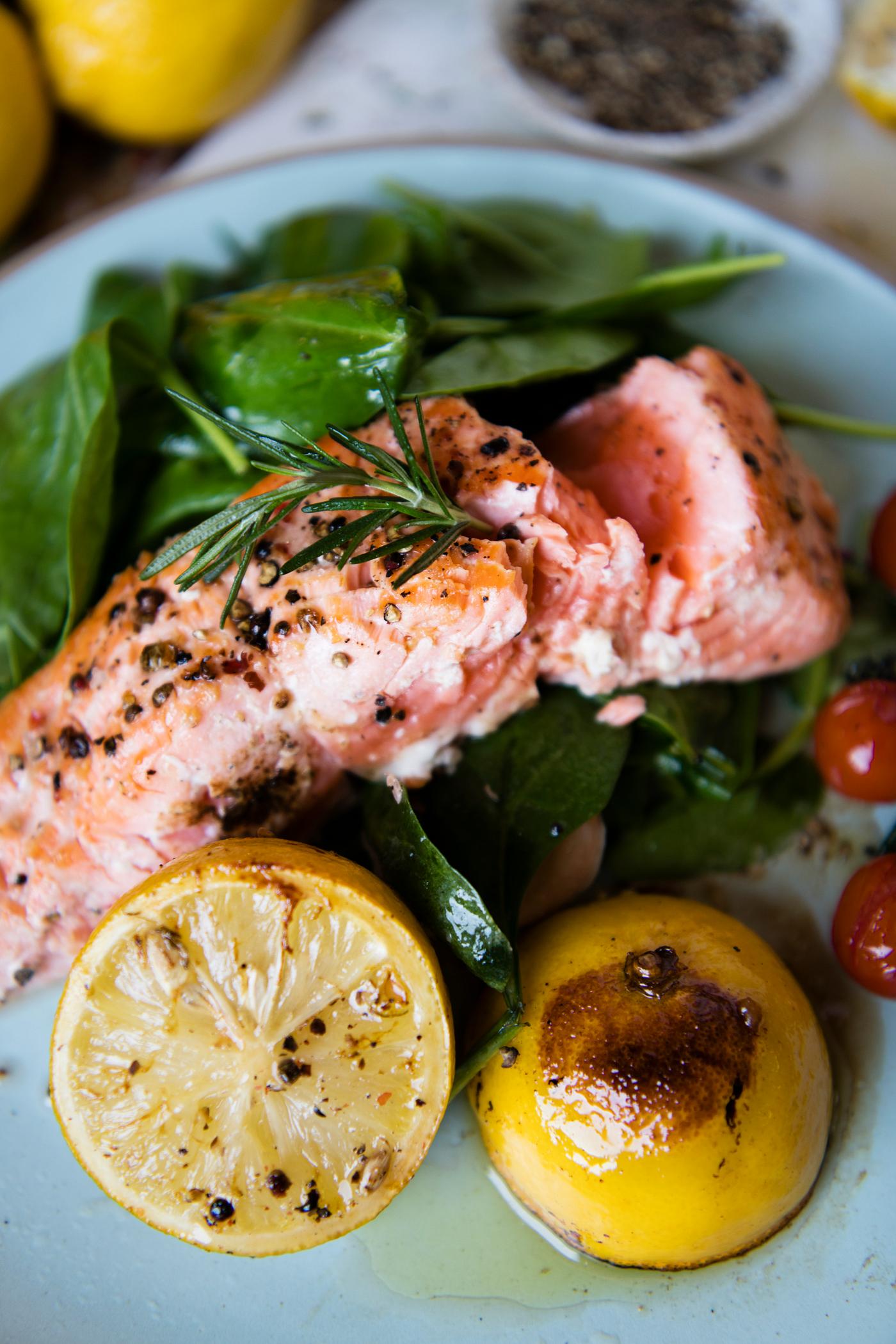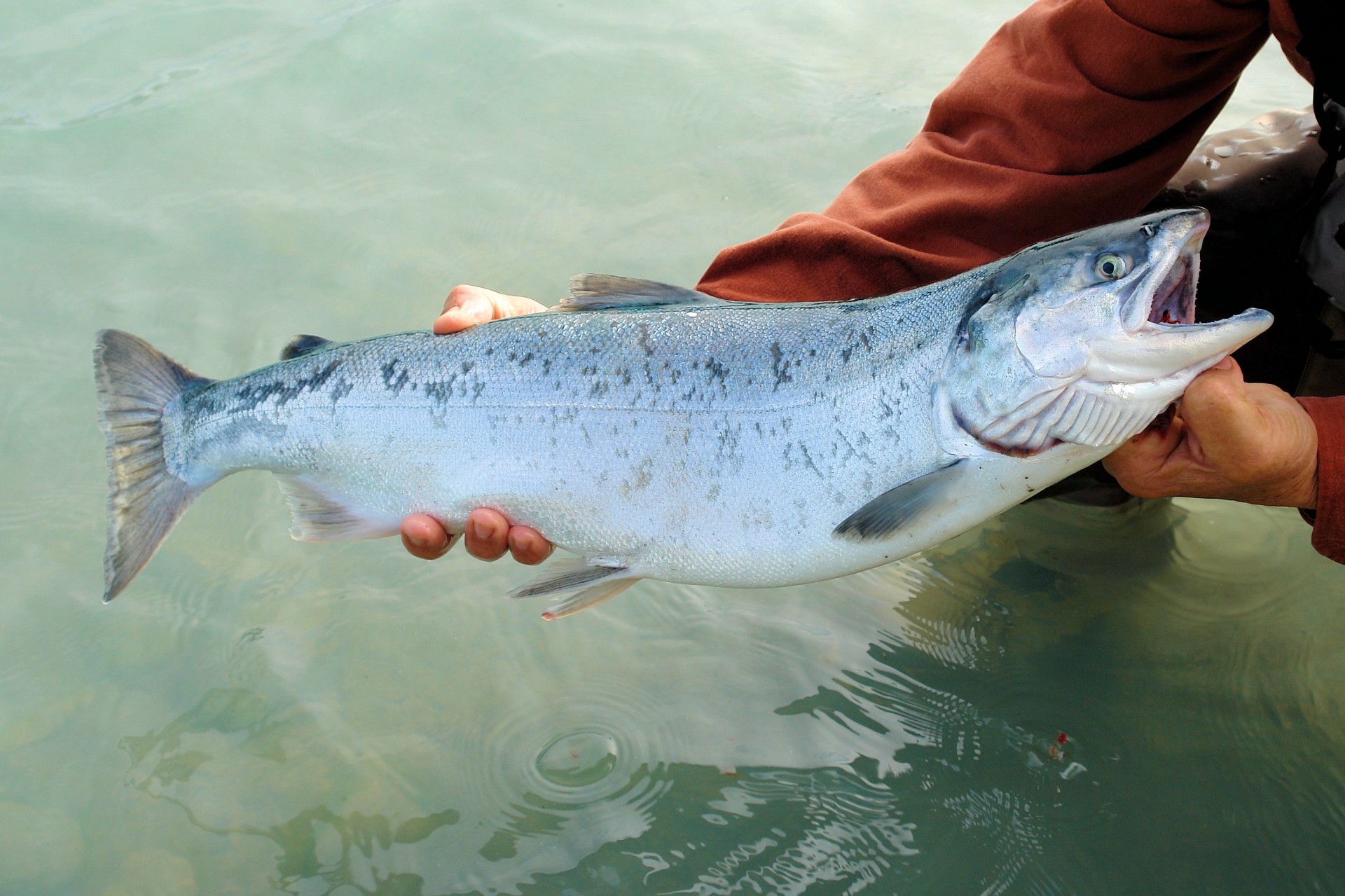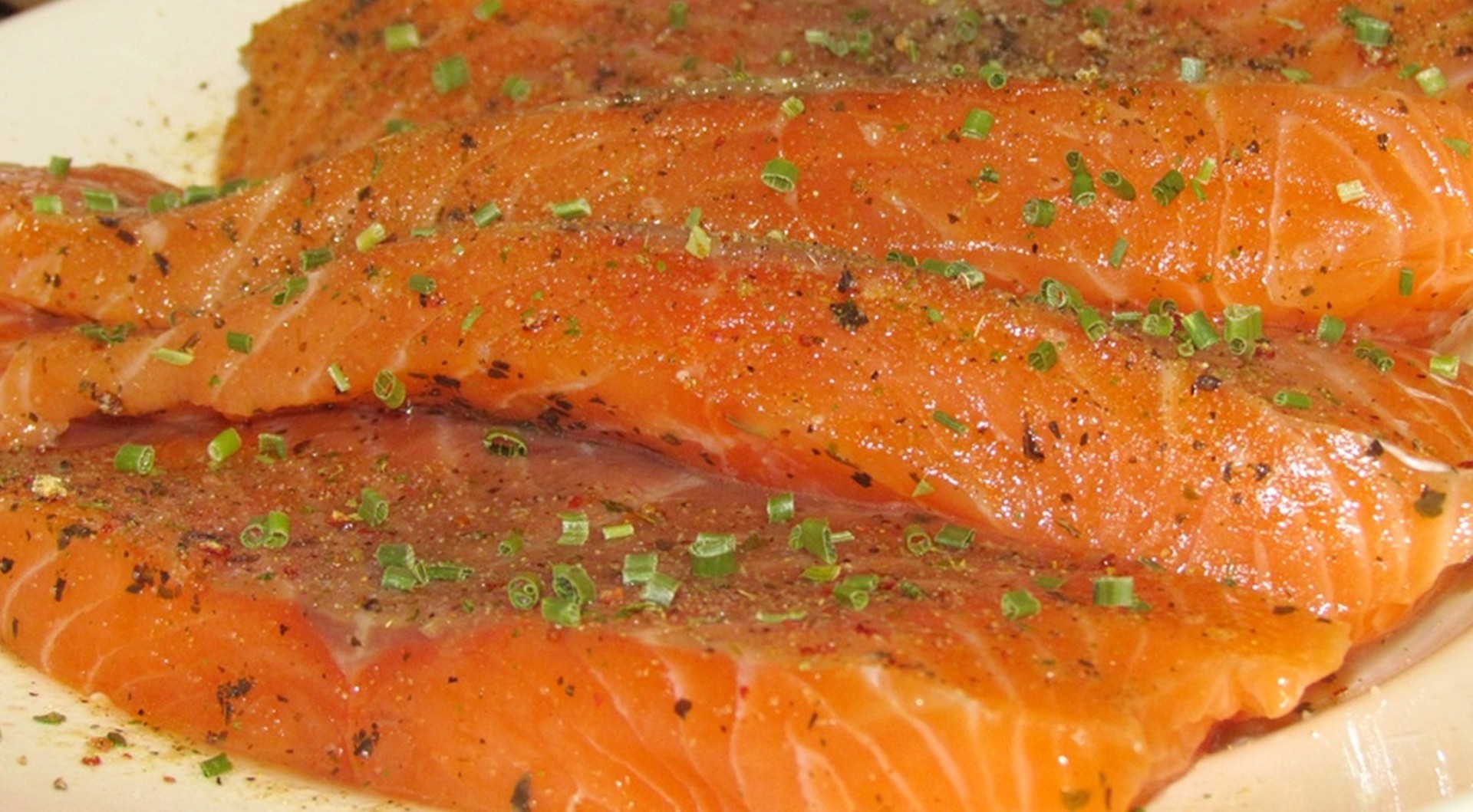
Let’s pose a playful question: could salmon be the tiny, delicious loophole that helps you keep your vitamin D levels in a healthier orbit—especially when the sun feels stingy? Now for the twist: vitamin D isn’t always the same, even when the fish looks the same on your plate. And that means “salmon for vitamin D” can turn into a surprisingly nuanced choice. Wild or farmed? That choice may quietly tip the scales in more ways than one.
Vitamin D in plain language: the “sun vitamin” with a food twist
Vitamin D is often nicknamed the sun vitamin because your body can manufacture it after sun exposure. Yet most people still look toward food as a supporting actor. That’s because vitamin D plays an outsized role in calcium absorption, bone mineralization, immune signaling, and muscle function. When vitamin D runs low, the consequences can feel both subtle and stubborn: fatigue, aches, and a general sense that your body is working a bit harder than it should.
Here’s the challenge: vitamin D is not commonly abundant in most foods. Many diets rely on fortified items, supplements, or occasional sun. So naturally, when a nutrient-rich protein like salmon comes into view, it sparks curiosity. But vitamin D’s presence depends on biology, diet, and processing—variables that behave like plot twists.
Why salmon is often considered a standout vitamin D source
Salmon is frequently praised for providing vitamin D in addition to omega-3 fatty acids, high-quality protein, and several micronutrients. That combination makes it feel like a multi-tool ingredient. The core reason salmon stands out is that many types contain meaningful amounts of vitamin D, especially when compared to fish that are lower in the vitamin.
Think of vitamin D as the “fat-soluble executive.” It travels with dietary fats and is stored in fatty tissues. Salmon tends to be rich enough in fat that vitamin D is more likely to show up in a practical, noticeable way. So while salmon isn’t a magical cure, it can be a valuable contributor—particularly for people who eat fish regularly.
One more detail: cooking method matters less than many people fear, but it’s not irrelevant. Overcooking can reduce some nutrients, and portion size changes the final intake. Still, salmon generally remains a credible food-based option.
Wild salmon vs farmed salmon: the nutrient story behind the label
The wild-versus-farmed debate is where things get interesting. Wild salmon typically eat a diet determined by their natural environment: small fish and marine organisms that carry vitamin D in different proportions. Their exposure to natural feeding conditions can influence their fat composition. Farmed salmon, meanwhile, rely on formulated feed, and that feed can be designed to include certain nutrients—or omit them.
In many cases, farmed salmon is reported to have slightly different vitamin D levels than wild salmon. Some studies and nutrition databases suggest wild salmon may edge out farmed in certain contexts, but the gap can vary widely by region, season, and feed formulation. In other words, “wild” and “farmed” aren’t single, universal categories; they are starting points.
So the practical question becomes: which salmon is most consistently vitamin D-forward for your specific purchasing habits? That’s where traceability, label details, and product type can matter more than the broad category.
What you should actually look for when buying salmon
If you’re trying to maximize vitamin D intake, don’t rely on vibes alone. Look for nutrition panels that list vitamin D per serving. If the label includes vitamin D content, treat it like a compass rather than a decorative map. If you’re buying from a fish counter without labeling, consider asking how the salmon is raised and what type it is (for example, Atlantic farmed versus Pacific wild varieties).
Also pay attention to fat content and product form. Sockeye, for instance, is often prized for its richness and may align with higher overall nutrient density compared to leaner fish. But again, the best move is to connect the dots between type, preparation, and portion size.
Finally, consider the “batch effect.” Vitamin D content can shift between batches due to feeding practices and seasonal changes. The most consistent approach is to buy responsibly and eat salmon often enough that small variations average out.
How much salmon is “enough” for vitamin D?
Vitamin D needs vary by age, baseline level, sun exposure, skin tone, and health status. Some people supplement; others try to meet needs through diet. Salmon can support intake, but it usually won’t be the sole source for everyone—especially if sun exposure is minimal.
A useful strategy is to think in servings. Regular meals can build a meaningful dietary contribution. If you’re aiming to improve vitamin D status, pairing salmon with other supportive habits can be smart: fortified foods, cautious sunlight exposure, and—when necessary—bloodwork guided by a clinician.
Here’s the challenge that often surprises people: vitamin D is not like iron in the sense that “a bit more of one meal solves everything.” It’s closer to a long-game nutrient. You want steady intake over time, not a single heroic bite.
Cooking and portion size: the difference between “ate fish” and “took in vitamin D”
Because vitamin D is fat-soluble, cooking that preserves healthy fat matters. Salmon cooked with added oil, paired with ingredients that include some dietary fat, can support overall absorption. Baking, grilling, or gentle pan-searing are generally reasonable. The key is avoiding the kind of dryness that comes from aggressive overcooking.
Portion size is the simplest variable with the biggest impact. Two ounces delivers less than four. And four ounces delivered three times a week can change your vitamin D contribution more than many people expect.
If you need a culinary nudge, consider pairing salmon with olive oil–based dressings, yogurt sauces (if you tolerate dairy), or sides that include fats such as avocado. This isn’t about chasing trends—it’s about giving vitamin D an easier route into your system.
Health perks beyond vitamin D: omega-3s, protein, and metabolic harmony
Even if salmon weren’t a vitamin D star, it would still be an impressive plate. Omega-3 fatty acids support cardiovascular health, inflammation regulation, and brain function. The protein is complete and satisfying, which can help with satiety and muscle maintenance. In many diets, salmon acts like an “inflammation pacifier” while also supporting nutrient adequacy.
So yes—salmon can be about vitamin D. But the real win might be synergy. When you improve multiple nutritional levers together, the body often responds with steadier energy and better recovery. Think of it as a coordinated orchestra rather than a single soloist.
Who should be extra cautious or proactive?
Some people are at higher risk for low vitamin D: those with limited sun exposure, older adults, individuals with darker skin living at higher latitudes, people with certain gastrointestinal conditions affecting absorption, and anyone who rarely eats fish or fortified foods.
If any of these apply, salmon can help—but it’s worth considering a broader plan. Blood tests can clarify whether your vitamin D status needs attention. In some cases, supplements may be necessary to reach target levels. Salmon becomes part of the foundation, not the entire building.
So, is salmon the best vitamin D food source? Wild or farmed?
Salmon can absolutely be among the better food sources of vitamin D, especially compared with many other whole foods. Yet the “best” answer depends on consistency, portion size, and how your chosen product is produced. Wild salmon may sometimes offer higher vitamin D, but farmed salmon can still be an excellent contributor—particularly when nutrition panels show strong vitamin D content.
If you want a simple decision framework, choose salmon you can reliably purchase and prepare in portions you’ll actually eat. Prioritize labeled vitamin D when available. Then lean into a repeatable routine: regular servings, healthy cooking methods, and nutrient-complementary sides.
In the end, salmon doesn’t just answer the question—it complicates it in a good way. It invites you to think like a nutrition strategist, not just a diner. And that’s how a playful question turns into a genuinely healthier habit.