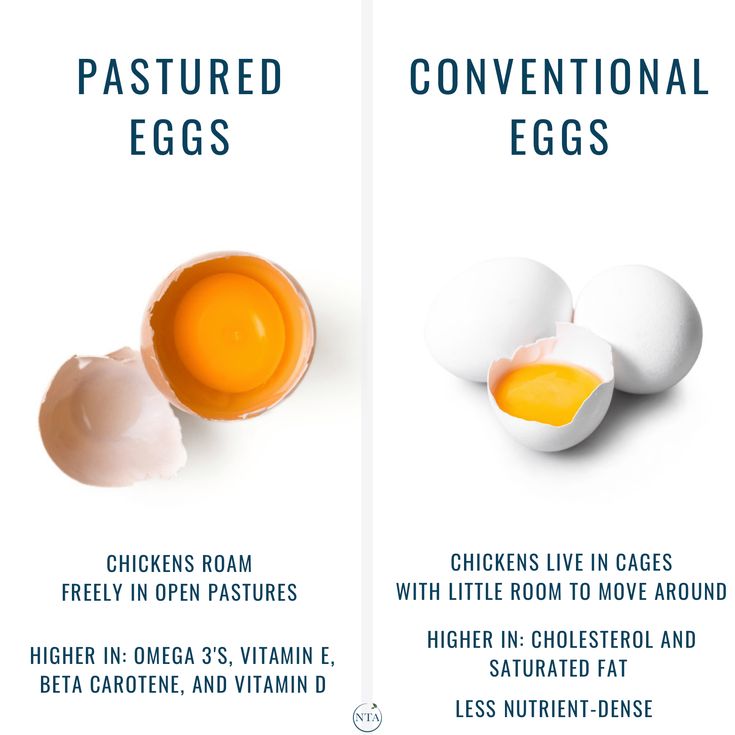
You crack open a carton and expect the same familiar miracle: an egg that becomes breakfast, baking, or a quick scramble with whatever you have on hand. But somewhere between the shell and the yolk, a quieter story is unfolding—one about sunlight, animal husbandry, and a vitamin most people treat like an afterthought until winter arrives. Vitamin D is that afterthought for many. It’s also where organic and conventional eggs may begin to diverge in surprising ways.
Vitamin D: The “Sunlight Vitamin” With an Identity Crisis
Vitamin D isn’t just another nutrient. It behaves like a hormone—an endocrine influencer—shaping calcium absorption, immune modulation, and even mood-related pathways. The body can synthesize it when skin is exposed to ultraviolet B (UVB) radiation. That’s why food sources matter, but they matter differently than, say, protein or iron.
When you eat an egg, you’re not just consuming micronutrients. You’re receiving a snapshot of what the hen experienced—what she ate, how she moved, and whether she actually saw daylight rather than fluorescent approximations of it. Vitamin D in eggs is the downstream result of that whole chain.
Here’s the shift in perspective: instead of asking, “Which egg brand is healthier?” try asking, “Which farming conditions help the hen manufacture more vitamin D?” That question turns a simple grocery decision into a small ecosystem story.
Organic Eggs and the Daylight Equation
Organic farming standards often emphasize outdoor access, encouraging hens to forage and roam. While every farm’s practices can differ, the underlying premise is consistent: more access to natural environments can mean more opportunities for UV exposure and vitamin D-related biochemistry.
Think of vitamin D production as a dimmer switch rather than a binary on/off mechanism. More sunlight exposure, and sunlight is absorbed through the skin and converted through metabolic steps. In hens, the process doesn’t work identically as it does in humans, but the conceptual link remains: exposure to UVB can influence how much vitamin D ends up in tissues—including yolks.
This is where curiosity should linger. If vitamin D in eggs reflects environmental realities, then the label “organic” may act like a proxy for those realities. A proxy isn’t the same as a guarantee, but it nudges expectations. And expectations shape what you pay attention to—like yolk color, foraging behavior, and the seasonal timing of egg production.
Conventional Eggs: Efficient Systems, Different Inputs
Conventional egg production frequently uses highly regulated indoor or controlled environments designed for consistency and scalability. That doesn’t automatically make conventional eggs “bad,” but it can mean hens have fewer opportunities for natural UVB exposure compared to truly outdoor systems.
In many conventional setups, diet becomes the main lever for nutrient composition. Manufacturers can fortify feed with vitamin D, yet the result you receive depends on formulation specifics and how vitamin D is metabolized and deposited into the yolk.
So the tension isn’t moral; it’s mechanistic. Organic systems may create more natural exposure conditions. Conventional systems may compensate through feed strategies. And those strategies can yield different vitamin D profiles—sometimes subtle, sometimes more noticeable depending on how the eggs are produced and handled.
How Vitamin D Gets Into the Yolk (A Quick Biochemical Detour)
To understand why farming differences might matter, it helps to follow the path vitamin D takes. Hens absorb vitamin D through skin exposure and diet. The vitamin then circulates and is incorporated into egg components, largely mediated by metabolic transport mechanisms.
Yolk isn’t merely a vessel for nutrients—it’s a biochemical portfolio. If vitamin D availability is higher in the hen’s system, more of it may be packaged into the yolk. If availability is lower—or if the hen has more limited UVB exposure—vitamin D deposition could be reduced.
This is also why timing can matter. Vitamin D status may shift with seasons and daylight intensity. The same farm could yield eggs with different nutrient density across the year, especially where outdoor access changes with weather.
Pasture, Foraging, and the “Hidden Sun” Effect
When hens forage, they don’t just hunt insects. They graze, peck, and interact with microhabitats. Those behaviors can subtly influence nutrient status, including vitamin D pathways that depend on UV exposure and feed composition.
Some people look for dramatic evidence—like a noticeably different taste. But vitamin D is quieter than taste. It may show up in functional outcomes: supporting calcium utilization and helping the body maintain adequate vitamin D levels.
Still, forage is not a magic wand. Soil quality, local climate, outdoor duration, and even how enclosures are arranged can affect actual sun exposure. The “hidden sun” effect exists, but it’s contingent—like a weather pattern you can’t force, only anticipate.
Does “More Vitamin D” Always Mean “Better” for You?
Here’s the perspective shift that makes this topic more than a label comparison: higher vitamin D in eggs is useful, but it doesn’t replace the foundational ways people maintain vitamin D status, such as safe sunlight exposure, diet variety, and in some cases supplementation.
Vitamin D needs are individualized. Age, skin tone, geographic latitude, clothing habits, and time spent indoors all influence how much vitamin D the body can produce. Eggs contribute, but they’re rarely the sole solution.
So consider eggs as part of a mosaic. An organic egg might be a more vitamin D-forward choice. But the most effective strategy is the one that fits real life: what you can reliably eat, how often, and what your broader nutrient context looks like.
Yolk Color: A Clue, Not a Verdict
Yolk color often becomes a proxy for “health.” It’s tempting to treat it as a vitamin D barometer. Yet yolk color is influenced by multiple factors, including carotenoids from feed, and those aren’t the same as vitamin D.
Still, yolk appearance can be a whisper of what the hen’s diet and environment might be like. Darker yolks can correlate with foraging or more diverse feed inputs. That doesn’t guarantee vitamin D differences, but it can signal that the hens’ routines may be less feed-only and more environment-involved.
In other words, yolk color can help you form a hypothesis, not finalize a conclusion.
Reading Egg Labels Like a Detective
If your curiosity is now fully awake, use it. Look beyond the word “organic.” Consider how farms describe outdoor access and animal welfare practices. Even within categories, there can be variation. Some operations have stronger daylight exposure practices than others.
Also pay attention to production details you can infer: when eggs are sold, whether they’re locally sourced, and how they’re stored. Vitamin D stability is influenced by storage conditions, and egg quality can drift over time.
The detective mindset is useful because it prevents overconfidence. Nutrient content is not a static logo printed on every carton—it’s a product of conditions.
What About Taste, Cooking, and Vitamin D Stability?
Vitamin D is relatively stable compared with some other vitamins, but cooking can still affect nutrient retention. The good news is that eggs are typically prepared in ways that don’t destroy nutrients wholesale. The larger practical variable is whether eggs are eaten fresh and consistently part of your diet.
Boiling, scrambling, and baking differ in heat exposure and water interaction. If you’re eating eggs as a vitamin D strategy, aim for regularity and variety—rotate cooking methods rather than insisting every meal be identical.
And remember: vitamin D is not a rescue remedy for a deficient system. It’s a long-game supporter.
So—Organic or Conventional for Vitamin D?
If you’re seeking an answer that respects complexity, it sounds like this: organic eggs may offer conditions that support vitamin D deposition, primarily through more natural outdoor exposure and corresponding physiological pathways. Conventional eggs can also provide vitamin D, especially if feed is fortified, but the net vitamin D outcome can be different depending on how each system is run.
Rather than treating this as a binary, treat it as a spectrum of likelihood. Organic practices often tilt the odds toward higher environmental UVB exposure, but conventional production can sometimes compensate through diet. The “best” choice becomes the one that aligns with your overall nutrition needs and your real-world preferences.
If you want a simple strategy: incorporate eggs regularly, diversify other vitamin D sources, and if vitamin D status is a concern, discuss testing with a healthcare professional. Curiosity is powerful. Precision is even better.
Visual Compass: What to Look For in Eggs
Before the next grocery trip, keep your eyes open. The visual cues won’t solve everything, but they can guide questions.
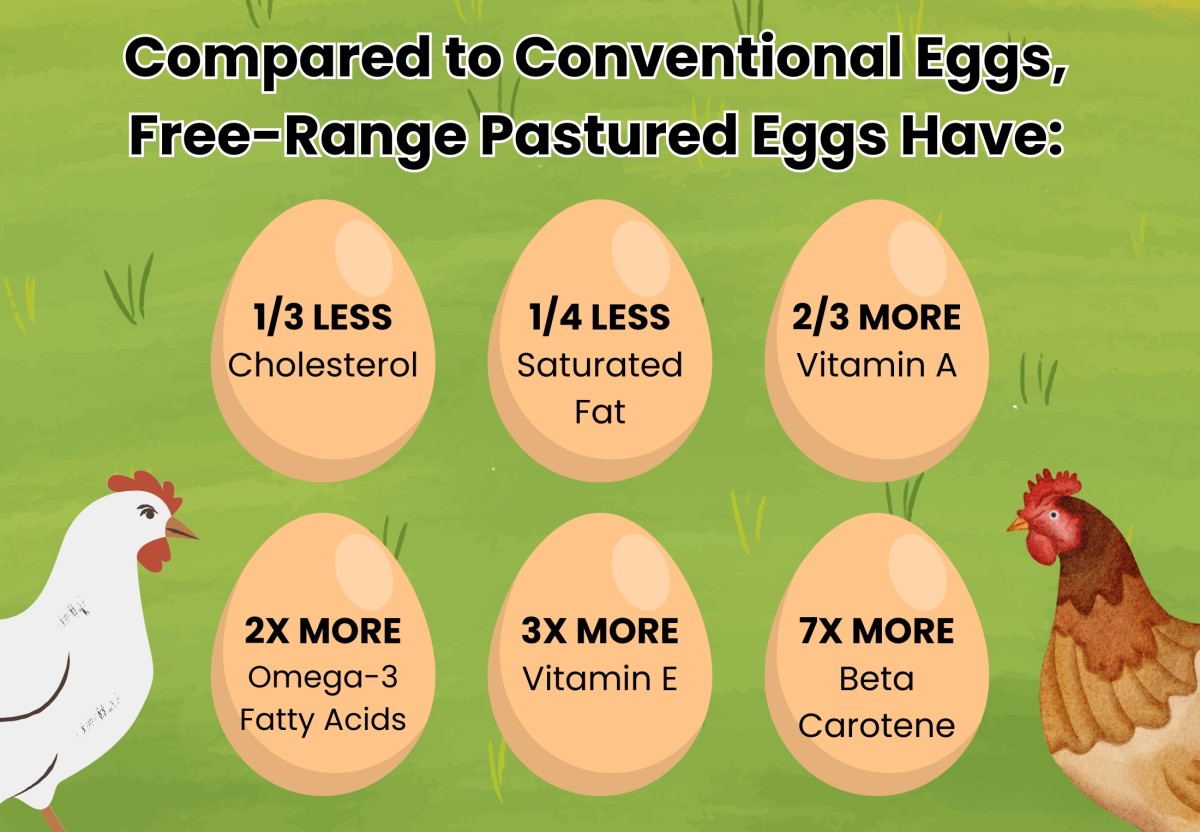

The carton in your hands is not just packaging. It’s a story about sunlight, feed, and metabolic choreography. And once you notice that, the egg stops being a commodity and starts being a choice—one you can refine with every refill.