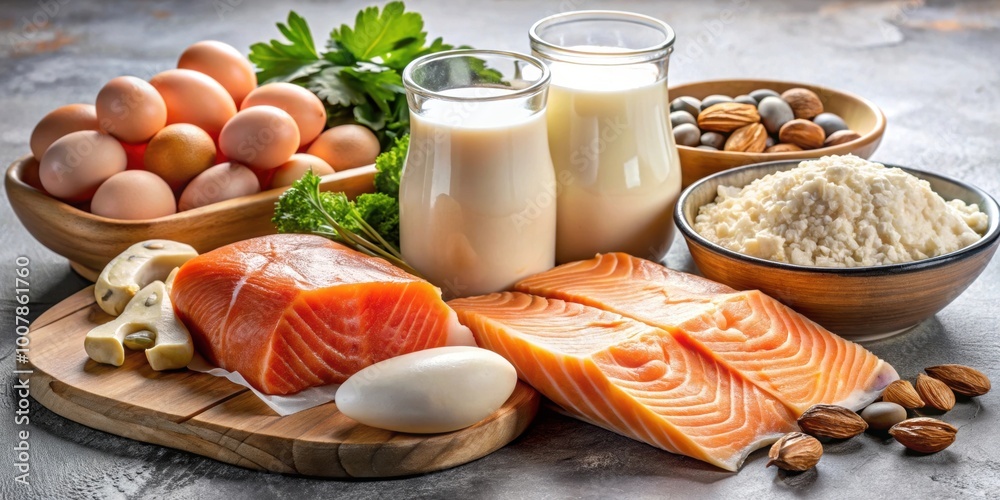
Vitamin D is often described as the “sunshine vitamin,” but it’s more accurate to call it a dietary compass. When your body receives it, countless processes begin to align—immune defenses stand at attention, muscles become more responsive, and mood can feel steadier. Yet many people live behind a veil of indoor light, cloud cover, or seasonal darkness. That’s where food steps in—not as a substitute for the sun, but as a reliable co-pilot. Below is a journey through the top 10 vitamin D-rich foods, moving from shimmering fish to the quiet reassurance of fortified milk.
1) Salmon: The Glacial Gem of Vitamin D
Salmon carries vitamin D the way a lantern carries flame: consistently, warmly, and with unmistakable purpose. Wild and farmed varieties can both contribute meaningfully, but what makes salmon especially intriguing is its synergy. It isn’t just vitamin D in isolation—it brings along omega-3 fatty acids that support cardiovascular vitality and cognitive steadiness.
Think of salmon as a two-part instrument: one needle for vitamin D signaling, another for anti-inflammatory harmony. Roast it, grill it, or enjoy it in a gentle glaze. Its richness tastes like comfort, yet it works like maintenance.
:strip_icc()/vitamin-d-foods-edit-626c0fc968b642d9a1c2935a10cb1e9e.jpg)
2) Sardines: Tiny Fish, Major Radiance
Sardines are the culinary equivalent of a constellation—small, numerous, and surprisingly bright. Many sardines are eaten with bones, which is a subtle advantage because bones are nutrient reservoirs. When you pair that with vitamin D, you get a food that supports skeletal strength from multiple angles.
Open a can and you’re not just pulling a snack from a pantry. You’re pulling a micro-ecosystem of nutrients: vitamin D, calcium support, and omega-3 fats. Sardines are also a flavor chameleon. They can brighten pasta, power salads, or anchor a sandwich with confident elegance.
3) Mackerel: The Bold Switch in Your Nutrition Routine
Mackerel has a deeper, richer taste than many other fish. That boldness often makes it feel like a deliberate choice rather than a passive one. Vitamin D is one of the reasons, but its value extends further: mackerel can help round out dietary fats that influence inflammation signaling and metabolic health.
Imagine your diet as a dim hallway. Mackerel is the door that opens to daylight. Incorporate it a few times per week—pan-seared, smoked, or featured in a hearty grain bowl.
4) Cod Liver Oil: Liquid Sunshine with a Storied Past
Cod liver oil is not a food everyone embraces, but it deserves respectful attention. It’s like a concentrated sunrise bottled for those who want maximal impact in minimal volume. Vitamin D is prominent, and it also contains vitamin A, which supports vision and immune function—though balance matters.
Use it intentionally, not impulsively. Follow recommended guidance and consider it a supplement-like culinary option rather than an everyday indulgence. When used thoughtfully, it can function as a nutritional “booster engine,” particularly during low-sun seasons.
5) Egg Yolks: The Golden Signal
Egg yolks are small suns on a plate. The fat component of yolk makes vitamin D more bioavailable, turning what seems like a simple ingredient into a functional powerhouse. And eggs bring protein, choline, and minerals that support energy and cellular architecture.
There’s a quiet artistry in how yolks integrate into meals. Scrambled yolks, soft-boiled eggs, or a yolk-forward brunch dish can help you build vitamin D intake while keeping meals satisfying. The taste is rich. The nutrition is structured.
6) Fortified Milk: A Quiet, Reliable Daily Ritual
Fortified milk is often underestimated because it blends into routines. But that’s precisely its genius. It’s like a dependable friend who shows up every morning, not to steal the spotlight, but to make the day more stable.
Vitamin D fortification varies by product, so check labels. Whether you choose dairy milk or fortified plant alternatives, the principle remains: you’re adding a targeted nutrient through manufacturing precision. Pair fortified milk with whole grains or oats for a breakfast that feels both comforting and intentional.
7) Fortified Yogurt: Creamy Strength in a Spoon
Fortified yogurt carries vitamin D in a format that feels friendly. It’s thick, tangy, and versatile—an ideal companion for fruit, nuts, or granola. Many yogurts also contain live cultures, which may support gut health, adding another layer of resilience.
Think of vitamin D as the key that unlocks certain body processes, while yogurt’s textures and cultures help manage the daily rhythm of digestion. Choose brands that clearly state vitamin D content and aim for a balance of sweetness and protein.
8) Fortified Breakfast Cereals: Scalable Nutrition for Busy Days
Breakfast cereals can be more than convenience—they can become a structured intake strategy. Fortification often targets vitamin D directly, making these cereals useful when you need a dependable baseline quickly.
However, not all cereals are created equal. Look for options with modest added sugars and consider serving them with fortified milk. The combination can feel like building a nutrition bridge: one side is morning convenience, the other side is nutrient competence.
9) Fortified Orange Juice: The Vitamin D Dusk-to-Dawn Trick
Fortified orange juice may surprise you. Many people associate vitamin C with citrus, not vitamin D. Yet certain products include vitamin D as an added nutrient, creating a smoothie-like moment that can fit into morning habits.
Pairing it thoughtfully helps. Consider combining fortified juice with yogurt, nuts, or a fortified milk-based smoothie for a more balanced meal. The vitamin D becomes less of an afterthought and more of a deliberate element in your daily pattern.
10) Mushrooms (UV-Exposed): The Earthbound Alchemy
Mushrooms can feel like a culinary mystery—dark, earthy, and quietly sophisticated. While plants typically don’t generate vitamin D on their own, some mushrooms are exposed to UV light, prompting them to produce vitamin D compounds.
These mushrooms offer an intriguing metaphor: they’re like solar batteries crafted in soil. Their appeal isn’t only vitamin D; they also contribute fiber, antioxidants, and umami depth that makes vegetarian meals feel substantial. Sauté UV-exposed mushrooms with garlic and olive oil, then fold them into eggs, pasta, or grain bowls.
Putting It All Together: Building a “Sun-Supported” Plate
Vitamin D intake works best when it’s consistent. Rather than chasing perfection, aim for repeatable choices. Rotate fish like salmon, sardines, or mackerel. Add eggs a few times per week. Make fortified milk or yogurt part of your normal rhythm. And if you prefer plant-forward options, choose UV-exposed mushrooms or fortification-based alternatives.
Your diet is a map, but your body is the terrain. Absorption can vary with factors like fat intake, overall health, and seasonal sunlight exposure. If vitamin D concerns are persistent, consider discussing testing with a healthcare professional. The goal is clarity, not guesswork.
In the end, these foods don’t simply “contain” vitamin D. They summon it—through fat-rich matrices, fortified manufacturing, and UV-driven biological alchemy. When you invite them into your routine, the day feels brighter, even when the sky remains stubbornly gray.