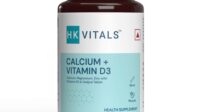
Calcium and vitamin D are the quiet architects of skeletal health. They choreograph bone mineralization, support muscle contraction, and influence cellular signaling far beyond the skeleton. Yet for people who avoid dairy—by choice, by allergy, or for digestive reasons—meeting these nutrients can feel like solving a riddle with missing pieces. The good news: a dairy-free diet can be nutritionally complete. The challenge is knowing which foods behave like calcium “doppelgängers,” how vitamin D can be sourced responsibly, and how to build a routine that actually sticks.
Start With the Nutrient Blueprint: What Your Body Actually Needs
Before shopping or meal-planning, it helps to understand the roles of calcium and vitamin D. Calcium is the mineral backbone of bones and teeth. Vitamin D acts like a key that unlocks intestinal absorption of calcium. Without adequate vitamin D, dietary calcium may pass through with less impact. With abundant vitamin D but scarce calcium, bones still face a deficiency of building blocks.
Many adults aim for roughly 1,000 mg of calcium per day (higher for older adults). Vitamin D targets vary by guideline and life stage, but commonly fall around 600–800 IU daily for adults. These numbers are not rigid laws; they are practical guideposts. The most important move is to ensure both nutrients are present consistently, not sporadically.
Choose Dairy-Free Calcium Sources: Strength Through Variety
Dairy is one of the most common calcium suppliers, but it is not the only one. Calcium can arrive from fortified foods, certain plants, and even some mineral-rich options that aren’t usually top-of-mind. Think of your intake like a portfolio: the more diverse the sources, the more resilient the total.
One category of calcium foods is fortified products—especially plant milks. Another is calcium-rich non-dairy foods like tofu (when calcium-set), canned fish with bones (if you eat it), and certain leafy greens. Not all greens are equivalent: some contain oxalates that reduce calcium bioavailability. Selection matters.

Fortified Plant Milks and Yogurts: The Most Reliable Shortcut
Fortified beverages and dairy-free “yogurts” are often the easiest path to consistent calcium intake. Many brands fortify with calcium carbonate or calcium phosphate. These forms differ in chemistry but typically function well for meeting dietary targets, particularly when consumed across the day.
Read labels like a detective. Look for “calcium” on the nutrition facts and note the amount per serving. Some products provide 300 mg per cup; others are less generous. Also scan for vitamin D—some fortifications include it, some do not. If your plant milk provides both calcium and vitamin D, you’ve created a two-in-one nutritional platform.
Practical strategy: use fortified plant milk in hot drinks, smoothies, oatmeal, and soups. Small repeated servings often outperform a single large dose because digestion and absorption are smoother when intake is spread.
Tofu and Tempeh: Calcium-Set Forms That Mean Business
Tofu is often misunderstood as a “lightweight” protein. In reality, its calcium contribution depends on how it’s made. Calcium-set tofu is the key. When manufacturers use calcium salts during coagulation, the resulting product holds more calcium than tofu made with other coagulants.
Tempeh can also contribute calcium, though the exact amount varies by batch and brand. Still, tofu and tempeh are valuable not only for calcium but also for protein—because bone health is supported by an overall nutrient tapestry that includes adequate protein intake.
Use tofu as a blank canvas: marinate, bake, scramble (for a vegetarian “eggs” style), or simmer it into curries. The goal is routine: calcium foods should feel integrated, not exotic.
Leafy Greens: Which Ones Help, and How to Make Them Work
Leafy greens are frequently promoted as calcium sources. However, absorption is not only a matter of how much calcium is present—it’s also about oxalates and how they interfere with mineral uptake. Some greens, such as kale and collards, can contribute meaningful calcium. Others, like spinach, contains higher oxalates that bind calcium and reduce bioavailability.
To maximize impact, rotate greens rather than relying on one. Consider lightly steaming some varieties, which may reduce oxalate impact and improve palatability. Pairing greens with vitamin C–containing foods can support overall nutrient absorption, even though it doesn’t magically erase oxalate chemistry.
Think in patterns: a weekly cadence of different greens plus fortified staples usually beats “greens every day, one way forever.”
Calcium-Rich Fish and Eggs: Optional, Powerful Allies
If your dairy-free diet still includes animal products, you may have additional options. Canned salmon or sardines with bones are calcium powerhouses. Eggs can also contribute small amounts of vitamin D, depending on feed and sunlight exposure patterns.
For those who are fully plant-based, these sources are off the table—but for others, they can simplify planning. The professional approach is not to force a nutrient strategy; it’s to select foods that fit your dietary identity and preferences.
Vitamin D Without Dairy: Sun, Fortification, and Sensible Supplementation
Vitamin D is often the more perplexing nutrient on a dairy-free plan. Sunlight prompts vitamin D synthesis in skin, but the reality is complex: latitude, season, cloud cover, skin pigmentation, sunscreen habits, and time outdoors all influence outcomes. Many people need an additional route beyond sun exposure.
Fortified foods are a cornerstone. Check plant milks for vitamin D content; some provide it at meaningful levels. Fortified cereals and spreads may add more. If dietary sources fall short, a supplement may be the most consistent method—often vitamin D3 derived from lichen is preferred in vegan contexts.
Because vitamin D is fat-soluble and can accumulate, dosing should be thoughtful. Blood tests (25-hydroxyvitamin D) can clarify whether you need adjustment. If you’re pregnant, managing chronic conditions, or on medications, clinician guidance becomes especially relevant.
Timing, Absorption, and the Small Engineering Tricks
Calcium absorption can vary based on dose and form. Large single doses are not always absorbed as efficiently as smaller ones. This is why spreading calcium across meals often helps. If you’re taking supplements, follow product instructions and consider whether your plan requires separate dosing rather than a single daily megadose.
Also consider “absorption neighbors.” High doses of certain minerals like iron or zinc can compete with other processes. Fiber is generally beneficial, but it can also affect mineral availability if intake is extremely high without adequate nutrients. The solution is balance, not restriction.
Hydration, regular movement, and sufficient protein also support skeletal integrity. Bone is a living tissue; it responds to mechanical loading through daily activity.
Plan Your Day: A Practical Dairy-Free Calcium and Vitamin D Routine
Consistency wins. A sample framework could look like this: start with a fortified plant milk beverage in breakfast cereal or smoothie. Add a tofu-based lunch or chickpea-and-greens bowl in the afternoon. Include leafy greens at dinner, and top the day with a calcium-rich fortified snack like a yogurt alternative or enriched beverage. If your vitamin D intake is uncertain, fortification at breakfast plus a supplement (when appropriate) can close the gap.
Don’t aim for perfection. Aim for repeatability. Build meals you can reproduce even on busy days. Grocery lists should become instincts.
Monitor Your Status: When to Consider Testing and Professional Guidance
Even the best diet can’t predict every individual variable: absorption efficiency, sun exposure, gastrointestinal health, and medication interactions. Symptoms like bone pain are not specific and should not be used as sole indicators. Instead, consider a blood test for vitamin D and discuss calcium status if there are risk factors.
Higher-risk groups include people with limited sunlight exposure, malabsorption disorders, those with irregular menstrual cycles, older adults, and individuals with dietary restrictions that reduce variety. If you’re in any of these categories, proactive assessment is a rational move.
Common Pitfalls: The Hidden Reasons Intake Falls Short
Many dairy-free plans underperform due to predictable issues. One is relying only on “natural” sources without fortification, assuming calcium is abundant everywhere. Another is overlooking label differences among brands—fortification levels can vary widely. People also sometimes forget that vitamin D is a separate nutrient, not automatically inherited from calcium sources.
Finally, a frequent trap is taking calcium supplements without vitamin D, or vitamin D without calcium. That mismatch can blunt outcomes. The remedy is coordination: pair calcium strategies with vitamin D strategies and reassess after a reasonable interval.
Make It Sustainable: Build Flavor, Not Just Nutrition
Calcium and vitamin D should not feel like homework. When meals are flavorful, the nutritional plan becomes effortless. Use spices, textures, and sauces; try sesame-tahini dressings for greens, bake seasoned tofu for satisfying crunch, and experiment with fortified products in ways that match your palate.
Bone health is a long game. Treat your daily nutrition like choreography—small movements performed consistently. With the right sources, good labeling habits, and a vitamin D strategy that fits your lifestyle, a dairy-free diet can support strong bones and resilient health.