
There’s a particular kind of quiet irony in the way bodies negotiate survival. Bones are engineered to be resilient, yet they’re also relentlessly busy—remodeling themselves minute by minute, day after day. When that remodeling process stutters, spinal bone density can drift downward. And then vitamin D enters the story—not as a dramatic hero, but as a discreet molecular liaison, helping the body translate sunlight into structural support. What makes the relationship between vitamin D and spinal bone density so compelling is that it feels personal: a nutrient you can’t always “see,” but whose consequences can be palpably structural. The research paints a picture that is both promising and slightly unsettling, urging a shift in perspective from “Do I have enough vitamin D?” to “How is my spine responding to it?”

Vitamin D’s Role in Bone Density: The Quiet Translational Layer
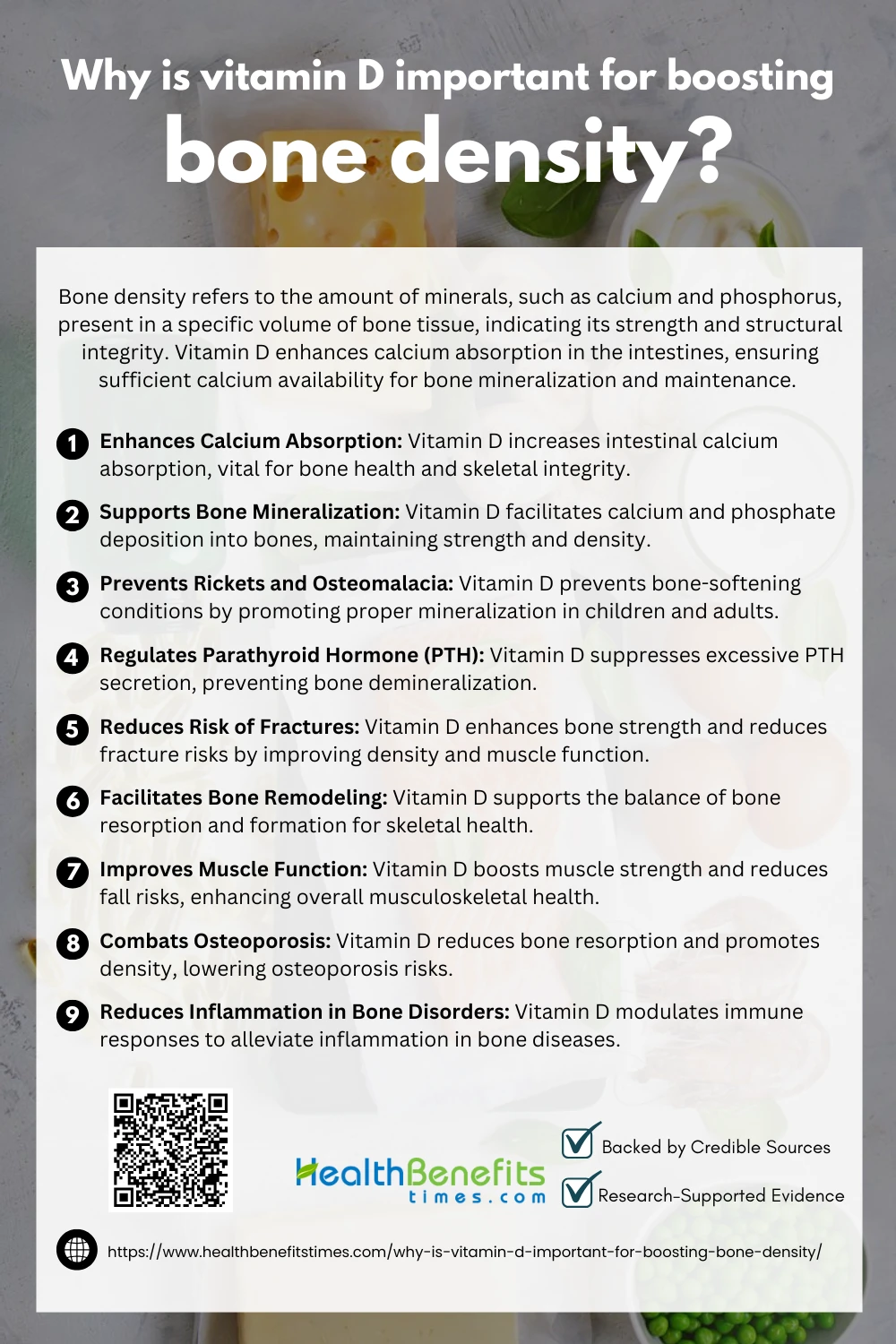
Vitamin D is often described in simple terms—“it helps you absorb calcium.” That’s true, but it’s also incomplete. Think of vitamin D as a molecular translator between what you ingest and what your skeleton can actually use. Without adequate vitamin D activity, calcium absorption in the gut becomes less efficient, leaving bones with fewer building blocks. Even when calcium intake is reasonable, the body may struggle to marshal it into the right biochemical pathways.
On a cellular level, vitamin D influences osteoblasts (bone-forming cells) and modulates osteoclast activity (bone-resorbing cells). That matters for the spine because spinal vertebrae are always under load—even in people who aren’t athletes. When the balance between formation and resorption tilts too far, bone mineral density can decline over time, and structural microarchitecture may deteriorate.
Curiosity is warranted here: vitamin D doesn’t merely “add strength.” It shapes the conditions that allow strength to be assembled and maintained.

Why the Spine Is a Special Case: Load, Microarchitecture, and Vulnerability
The spine isn’t just a stack of vertebrae; it’s a flexible column whose geometry and microarchitecture are finely tuned for both stability and motion. Bone density is one metric, but microarchitecture—the arrangement of trabecular (spongy) bone and cortical bone—can shift in ways density alone doesn’t fully capture.
In the spine, mechanical forces help maintain bone. When those forces change, bone remodeling responds. This is where vitamin D begins to feel like a key in a complicated lock. If vitamin D status is suboptimal, the body’s capacity to adapt to loading—or to compensate when loading decreases—may be weakened.
In other words, vitamin D and biomechanics are like co-authors. Remove one ingredient, and the plot changes.
What Research Suggests: Associations Between Vitamin D Status and Bone Density
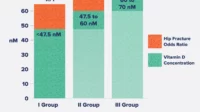
Across multiple lines of investigation, lower vitamin D levels often correlate with lower bone density and increased risk of osteopenia or osteoporosis. The pattern is not uniform everywhere—human biology rarely behaves like a spreadsheet. Yet trends are consistent enough to keep clinicians paying attention.
Importantly, studies examining vitamin D status and bone outcomes frequently emphasize a “reasonable plausibility chain.” Vitamin D improves calcium absorption and supports bone turnover regulation; therefore, insufficient vitamin D could plausibly contribute to reduced mineralization or altered remodeling balance.
What’s especially intriguing is that the spine is often included in these evaluations because vertebrae can show early changes. That creates a narrative tension: vitamin D deficiency can be quiet, but spinal bone changes may become visible over time.
Spinal Cord Injury and Bone Loss: When Adaptation Becomes a Risk
For people with spinal cord injury, the body experiences an unusual set of circumstances. Reduced weight-bearing activity, altered muscle signaling, and changes in autonomic function can all influence bone metabolism. The result can be accelerated bone loss, sometimes beginning quickly after injury.
In this context, vitamin D takes on amplified significance. If bone turnover becomes dysregulated and mechanical loading decreases, adequate vitamin D may become one of the remaining “supports” that can still help the remodeling system operate with at least partial competence.
Here, the research often nudges toward a practical question: should vitamin D be treated not merely as a general health marker, but as a targeted variable in spinal bone preservation? That shift in perspective—from passive monitoring to active maintenance—feels like one of the most consequential takeaways.
It’s also worth noting that vitamin D deficiency can coexist with other contributors to bone vulnerability: insufficient calcium intake, limited sun exposure, and reduced physical activity. Bone health rarely depends on one knob alone.
Interpreting the Findings Carefully: Correlation, Causation, and the Nuance of Timing
Research can show that low vitamin D and low bone density frequently appear together, but the question remains: does vitamin D drive the decline, or does declining health simply reduce vitamin D levels? This is where scientific nuance becomes essential.
Longitudinal studies and intervention trials help untangle the relationship. Yet results can vary depending on baseline vitamin D status, dosage strategies, adherence, and the duration of supplementation. Bone is slow-moving. Even when a biochemical improvement happens, structural outcomes may lag like an echo down a canyon.
Still, a compelling theme persists: correcting vitamin D insufficiency is generally a rational step when the goal is to support bone mineralization. The spine’s remodeling timeline makes it especially important not to expect overnight transformation.
Beyond Vitamin D: Calcium, Hormonal Cross-Talk, and Lifestyle Variables
Vitamin D doesn’t work in isolation. Calcium is its partner in a biochemical duet, and inadequate calcium can blunt the benefits of vitamin D repletion. Additionally, bone health is influenced by hormonal signals—including parathyroid hormone (PTH), which often rises when vitamin D is low, indirectly affecting bone turnover.
Then there’s the broad ecosystem: nutrition quality, protein intake, smoking status, alcohol use, and physical activity all contribute to the net remodeling balance. Even sleep quality and inflammatory burden may exert subtle effects through systemic pathways.
So while vitamin D may be a focal point, the real promise of research is broader: it encourages an integrated approach. The spine thrives when multiple variables are aligned.
Testing and Interpreting Vitamin D Levels: The Goal Isn’t a Number—It’s a Condition
Testing typically involves measuring serum 25-hydroxyvitamin D, the circulating indicator of vitamin D status. But interpreting the result requires context. A “low” value can mean different things depending on baseline health, risk factors, and clinical goals.
What matters is not simply achieving a laboratory target, but restoring the physiological environment that supports calcium absorption and stabilizes remodeling. Clinicians often consider bone density trends, dietary intake, sun exposure, medication history, and risk profile—especially when spinal bone loss is already a concern.
This is where the narrative shift becomes tangible. Instead of asking, “Am I deficient?” the more instructive question becomes: “Is my vitamin D status adequate for the kind of bone remodeling challenge my body is currently facing?”
Supplementation Strategies: What “Restoring” Can Look Like
When supplementation is recommended, it may involve daily maintenance dosing or more intensive repletion regimens, depending on starting levels and clinical circumstances. The objective is to elevate vitamin D status safely and sustain it long enough for downstream effects on mineralization to have time to matter.
For spinal bone health, timing and consistency can be crucial. Bone remodeling is a slow ballet, and missing weeks can interrupt the choreography. Additionally, supplementation plans should be coordinated with calcium intake to avoid creating a lopsided system where vitamin D is present but calcium remains insufficient.
Another subtle point: risk for falls and mobility limitations can change the practical impact of bone health. A nutrient that improves density is meaningful, but stability and function still shape outcomes.
The Promise Ahead: A Shift From Guesswork to Targeted Bone Preservation
Vitamin D research doesn’t promise miracles. It promises something more sophisticated: better odds. It suggests that when vitamin D status is addressed thoughtfully—especially in populations vulnerable to accelerated bone loss—the spine may have a greater chance to preserve mineral density and maintain structural integrity.
That promise is also an invitation to curiosity. The question is no longer whether vitamin D “matters,” but how it matters for a specific body under specific mechanical and biochemical constraints. The next era of bone health is likely to be more personalized, more timing-sensitive, and more attentive to the spine as an early indicator.
And perhaps that’s the most quietly hopeful research takeaway: vitamin D can be a lever. Not the only lever, not always the largest lever, but one that can tilt the system toward resilience—especially when the spine is already working under strain.